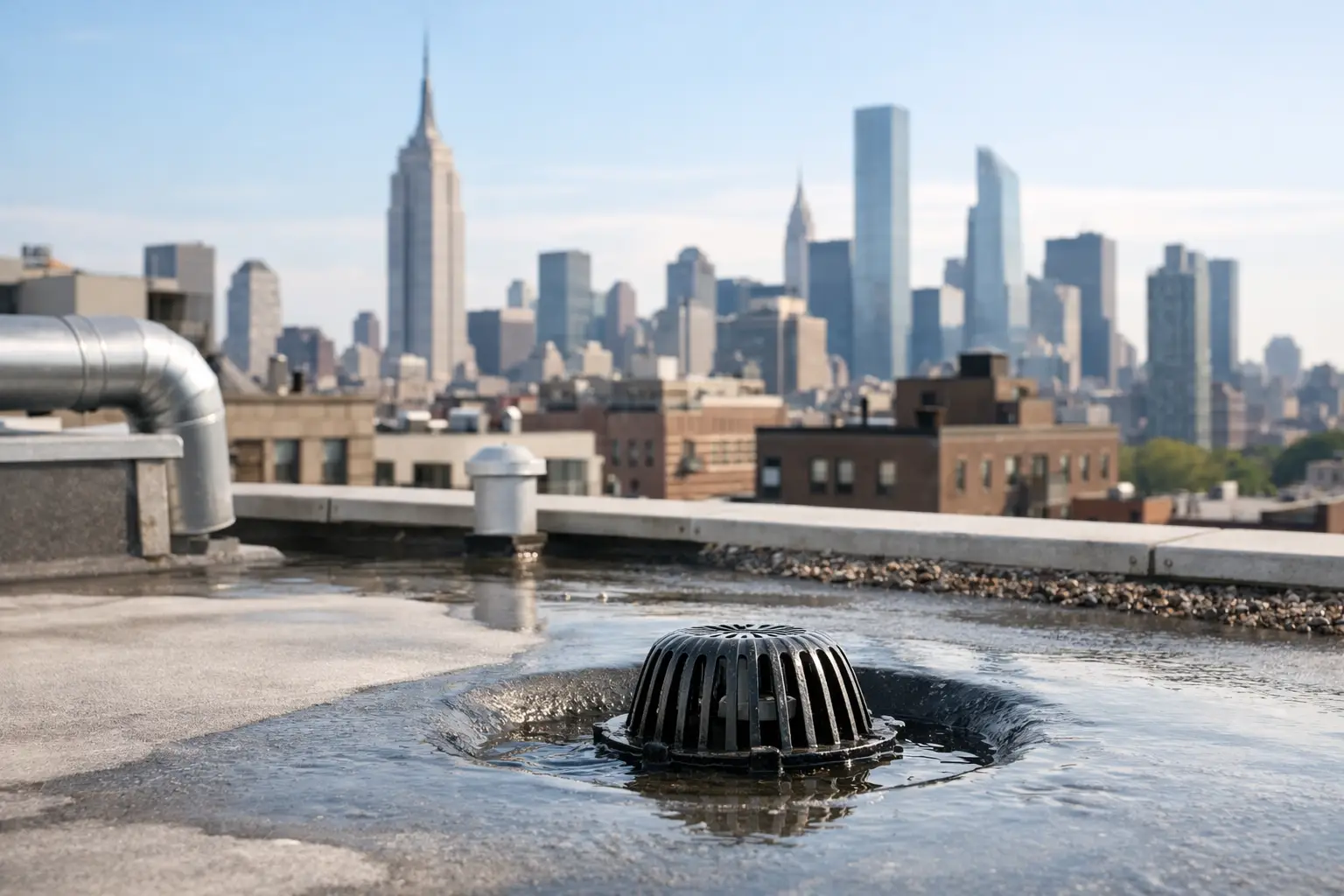
A roof can look fine from the street and still hold enough water to cause a leak, rot roof decking, damage masonry, or stain ceilings below. Knowing how to improve roof drainage is especially important in New York City, where hard rain, snowmelt, windblown debris, and tight building layouts put extra pressure on gutters, leaders, and low-slope roof drains.
Drainage problems rarely fix themselves. Water always finds a low point, a loose seam, a blocked outlet, or a weak area around flashing. The right repair depends on the type of roof and where the water is backing up, but the goal is simple: move water off the roof quickly and direct it safely away from the building.
Start by Finding Where Water Is Stopping
The first step is not buying a new gutter or adding sealant. It is identifying the exact point where the drainage path fails. On a shingle roof, the issue may be clogged gutters or poorly placed downspouts. On a flat or low-slope roof, standing water may point to blocked drains, inadequate pitch, undersized scuppers, or a roof surface that has settled over time.
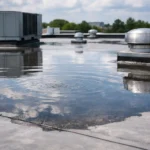
Look for water stains at top-floor ceilings, peeling paint near exterior walls, damp parapet masonry, overflowing gutters, or puddles that remain more than 48 hours after rain. A little temporary ponding can occur on some low-slope systems, but repeated standing water puts extra stress on membranes, seams, and flashing. It also collects dirt and organic debris that can eventually block drains completely.
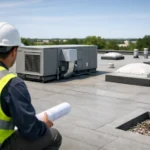
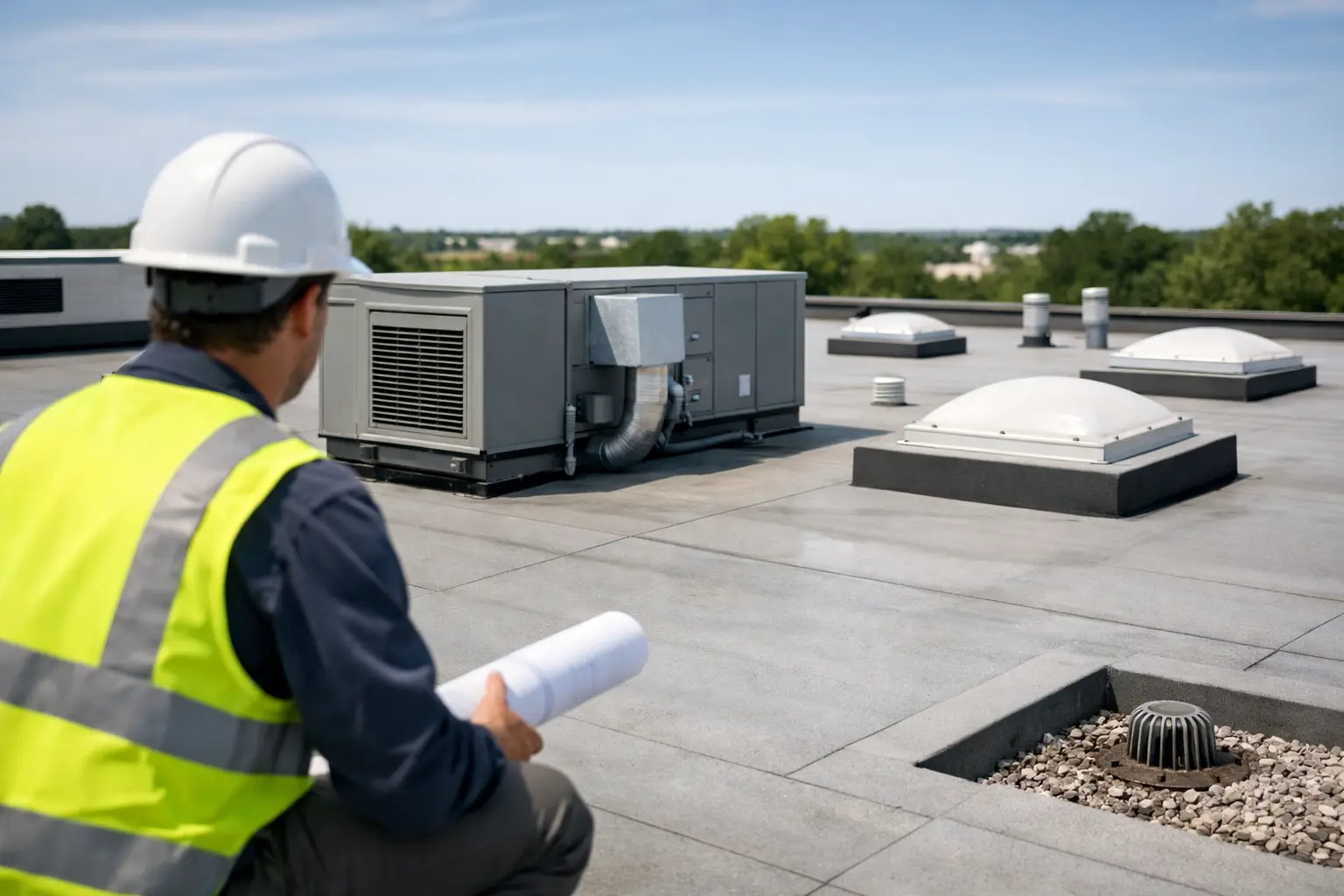
For commercial buildings and multifamily properties, inspect the roof after a heavy storm rather than relying only on a dry-weather walkthrough. That is when slow drains, overflow points, and water paths become visible. Photos taken during the inspection make it easier to understand what needs repair and avoid paying for work that does not address the real cause.
Keep Gutters and Leaders Clear and Properly Sized
Gutters are a simple system with a demanding job. They have to catch water from the roof edge, carry it to a leader, and discharge it without overflowing onto siding, trim, foundations, sidewalks, or neighboring structures. In the Bronx and across NYC, leaves, roof grit, plastic bags, and windblown debris can clog gutters faster than many owners expect.
Cleaning gutters at least twice a year is a basic starting point, usually in spring and late fall. Properties with large trees nearby may need more frequent service. During cleaning, check for loose brackets, separated joints, rust, holes, and areas where water sits inside the gutter instead of flowing to the outlet.
Gutters also need the right slope. If they are level or sagging, water pools in the channel and adds unnecessary weight. If the pitch is too aggressive, water can rush past the outlet during a downpour. A contractor can reset the gutter line so water moves consistently toward the leader.
Size matters as well. A small gutter or leader may handle light rain but overflow during the kind of sudden summer storm that hits New York City. This is common when a roof was altered, an addition was built, or an older system was replaced without accounting for the full roof area. Increasing gutter capacity, adding another leader, or improving the outlet connection can make a major difference.
Make Sure Leaders Discharge Away From the Structure
A leader that ends too close to the building can create a different water problem at ground level. Water may saturate soil, enter cracks at the foundation, damage masonry, or spill across walking areas where it becomes a safety concern in freezing weather.
Where conditions allow, leaders should direct water away from the structure through a properly designed extension, splash block, or approved drainage connection. On dense urban properties, drainage options can be limited by lot lines, sidewalks, and local requirements. That is where a site-specific plan matters more than a quick fix.
Improve Drainage on Flat and Low-Slope Roofs
Flat roofs are not truly flat. They are designed with a slight slope that moves water toward internal drains, scuppers, or perimeter gutters. When that slope is lost due to age, structural movement, patchwork repairs, or deteriorated insulation, water begins to pond.
For property owners asking how to improve roof drainage on a flat roof, there are several practical options. The right one depends on whether the issue is a blocked drain, a localized low spot, or a roof-wide design problem.
Clear Roof Drains, Scuppers, and Strainers
Internal drains need clear strainers to stop debris from entering the system while still allowing water through. If leaves, roofing material, or trash cover the strainer, water can back up across the roof. Scuppers through parapet walls can clog in the same way, particularly if they are too narrow or sit at a point where debris naturally collects.
A drain should never be treated as a one-time maintenance item. It needs regular checks, especially before storm season and after high winds. If a drain is slow even when the strainer is clear, the leader below may be blocked or damaged and should be investigated.
Correct Low Areas With Tapered Insulation
When water consistently gathers in one area, tapered insulation can often be used during a roof restoration or replacement to create a more reliable path to the drains. This approach builds slope into the roofing assembly without requiring major structural changes in many cases.
It is not always the cheapest solution, but it can be a smart investment when ponding water is shortening the life of an EPDM, TPO, modified bitumen, or built-up roof. A proper drainage plan should account for existing drain locations, roof penetrations, parapet walls, equipment curbs, and the finished height at doors and flashing.
Add or Upgrade Scuppers and Overflow Drains
A primary drain can become overwhelmed during intense rain. Secondary drainage, such as overflow scuppers or overflow drains, gives water another route out before it rises high enough to enter the building. These components are particularly valuable on larger commercial roofs and multi-family buildings where a single blocked primary drain can affect multiple apartments or business spaces.
Overflow drainage is not a substitute for maintaining the main system. It is a safeguard. If water is regularly coming through an overflow opening, the primary drainage system needs attention.
Repair the Roof Details That Feed Drainage Problems
Water does not need a large opening to get below a roofing system. Once drainage is slowed, water has more time to work into cracked seams, failed flashing, open laps, and deteriorated edges. That is why drainage improvements and roof repairs often go together.
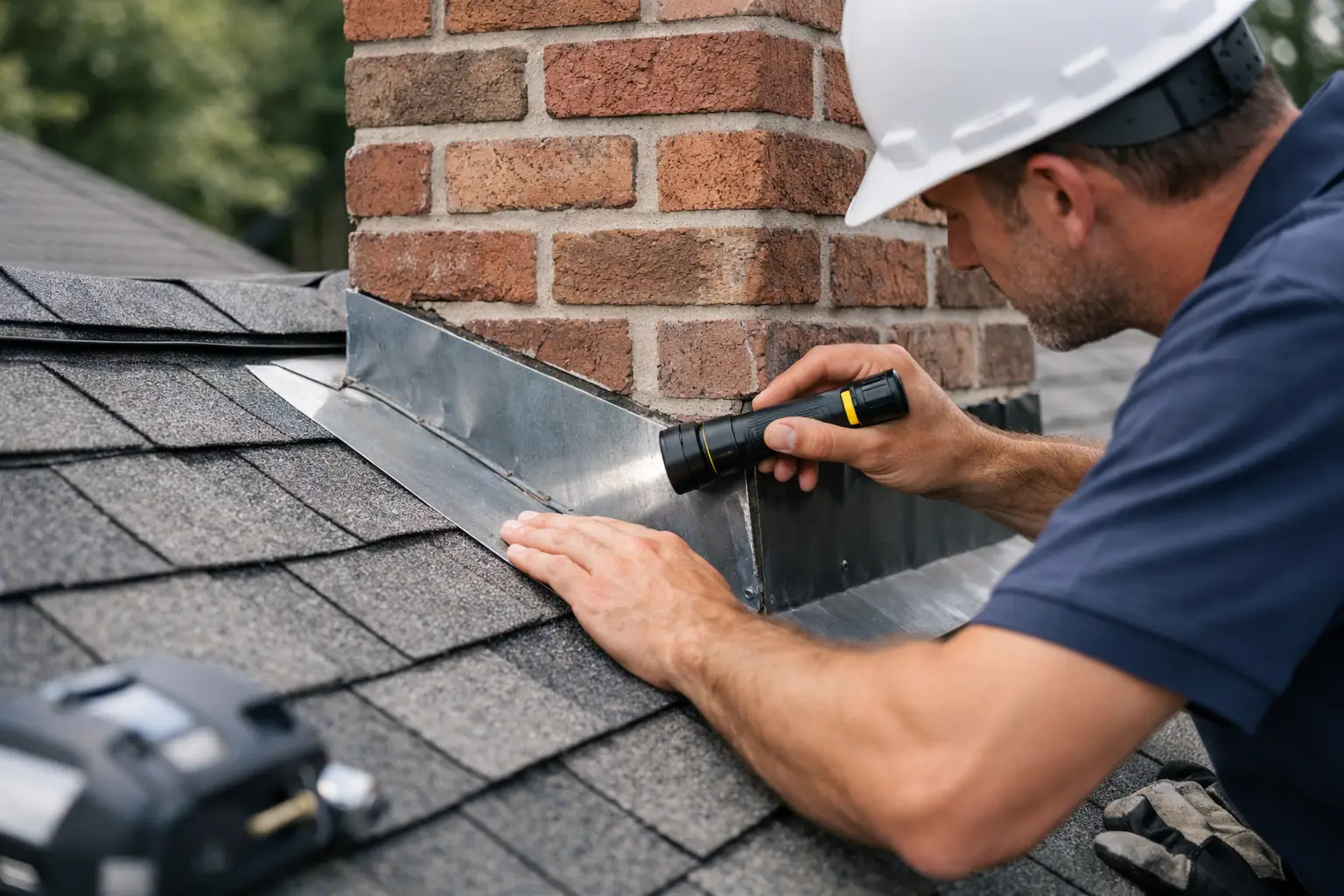
On shingle roofs, check valleys, chimney flashing, pipe boots, and the gutter apron. Valleys carry a high volume of runoff and can fail when debris traps water or shingles begin to lift. On flat roofs, pay close attention to drain flashing, parapet coping, membrane seams, pitch pans, and rooftop equipment curbs.
Applying roof cement or caulk over a visible crack may stop a drip temporarily, but it will not correct a clogged drain, poor slope, or a failing membrane. Repeated patching can also hide the real condition of the roof and make a later repair more complicated. A professional inspection should separate urgent leak repairs from the work needed to prevent the same problem from returning.
Build Drainage Maintenance Into Your Property Plan
The best drainage improvements fail if nobody maintains them. A practical plan is to inspect gutters, leaders, drains, and roof surfaces in spring and fall, plus after major storms. Owners of commercial, mixed-use, and multifamily buildings should also schedule regular roof checks as part of routine property maintenance.
Pay special attention to changes around the building. New trees can increase leaf buildup. A new HVAC unit can change water flow on a flat roof. Exterior renovations can affect leader routes or block access to drains. Even a small change can create a low point that was not there before.
Keep records of cleaning, repairs, and storm-related issues. This helps identify recurring trouble spots and gives you useful information when planning roof restoration or replacement. It also supports clearer conversations with tenants, property managers, insurers, and contractors.
When to Call a Roofing Professional
Call for a professional assessment if water remains on a low-slope roof for more than a couple of days, gutters overflow after cleaning, you see interior water stains, or drainage components are loose, rusted, cracked, or separated. These signs can mean the problem extends beyond routine maintenance.
Global City Restoration evaluates the full drainage path, not just the visible leak. That includes the roof surface, drains or scuppers, gutters, leaders, flashing, and the areas where water leaves the property. For NYC property owners, code-compliant drainage work and clear documentation can help protect the building while avoiding preventable repair costs.
A clean gutter is helpful. A roof that sheds water in the right direction, through the right outlets, and away from the structure is what protects the investment. Address the first signs of slow drainage before the next heavy rain turns a manageable repair into interior damage.