A roof can look fine from the sidewalk and still be one hard rain away from a costly leak. When property owners ask what roof type lasts longest, the honest answer is slate – but that does not automatically make slate the right roof for every New York City building. Roof lifespan depends on the material, roof slope, structure below it, drainage, installation quality, and whether small problems are repaired before water reaches the deck.
For a brownstone, single-family home, apartment building, storefront, or commercial property, the longest-lasting roof is the one designed for the building’s real conditions. In the Bronx and across NYC, those conditions include freeze-thaw cycles, wind-driven rain, summer heat, snow loads, clogged drains, and standing water on low-slope roofs.
What roof type lasts longest overall?
Natural slate is generally the longest-lasting roofing material. A properly installed slate roof can last 75 to 150 years or more. Some historic slate roofs remain in service for generations because the stone itself is highly resistant to fire, sun exposure, and weathering.
That service life comes with major conditions. Slate is heavy, expensive to install, and requires a structure that can safely support its weight. Individual slates can crack from impact, and repairs should be handled by a roofer experienced with slate details, flashing, and matching materials. A slate roof is a long-term investment, not a low-cost replacement option.
Clay and concrete tile also offer a long lifespan, often 50 to 100 years when installed correctly. Like slate, tile adds significant weight and is not a simple swap for an existing asphalt roof. Freeze-thaw exposure can also damage certain tiles if the material and installation method are not suited to the local climate. The underlayment and flashing beneath the tile may need replacement long before the tiles themselves wear out.
For many property owners, the better question is not which material can survive the longest in theory. It is which complete roofing system will give the building the most dependable years of service at a reasonable cost.
Why NYC roof conditions change the answer
A roof system is more than the visible top layer. Flashing at walls and chimneys, curbs around rooftop equipment, drainage points, edge details, insulation, fasteners, and the deck all affect how long a roof stays watertight. A premium material installed over a weak deck or poorly detailed drain can fail early.
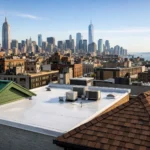
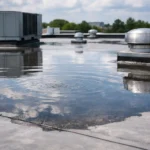
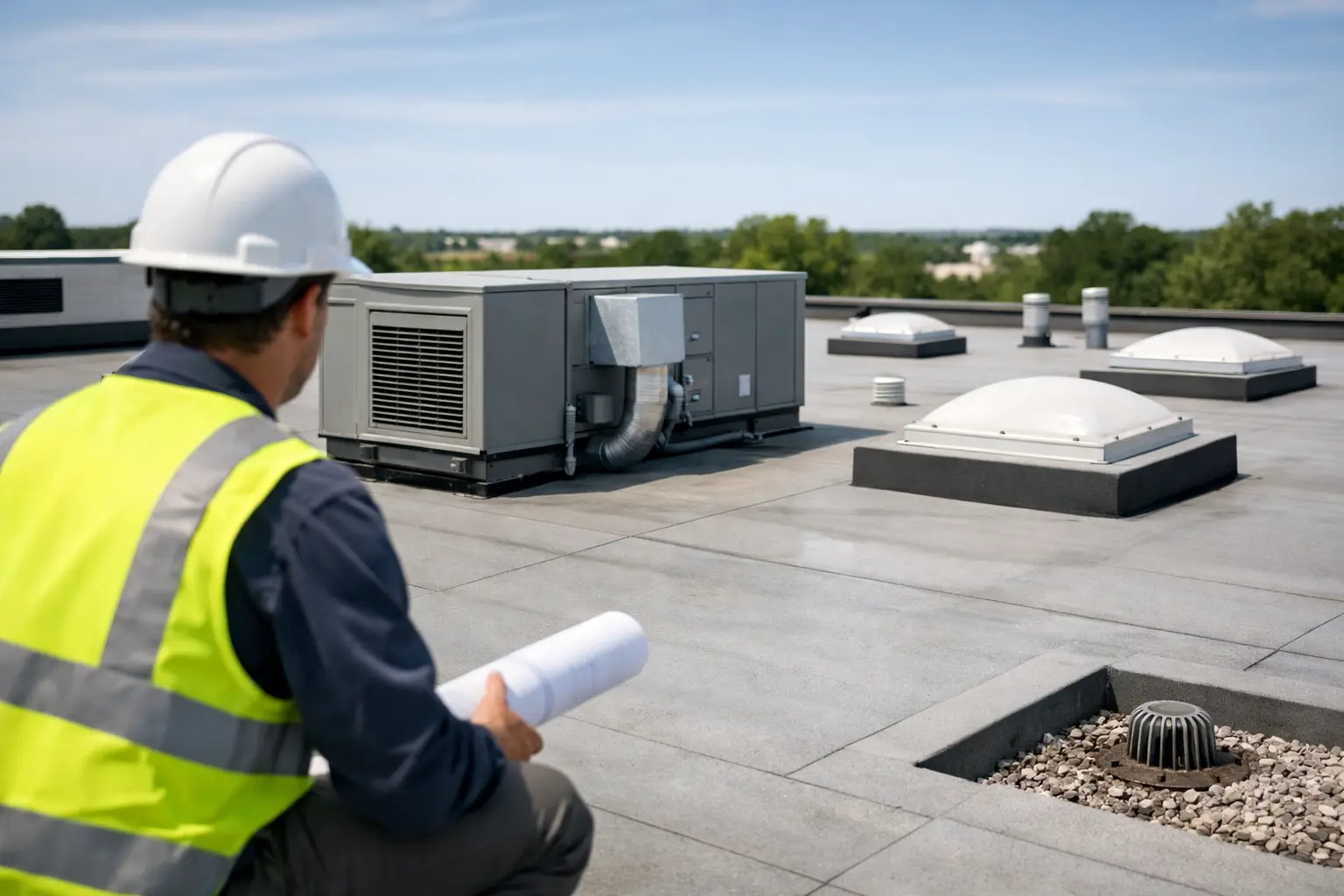
Low-slope and flat roofs need special attention. They are common on multi-family and commercial buildings throughout New York City, but they do not shed water like a steep shingle or slate roof. If water ponds after a storm, it puts added stress on seams, penetrations, coatings, and the roof membrane. In those cases, correcting drainage may add more life to the roof than choosing a more expensive membrane alone.
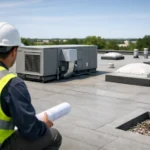
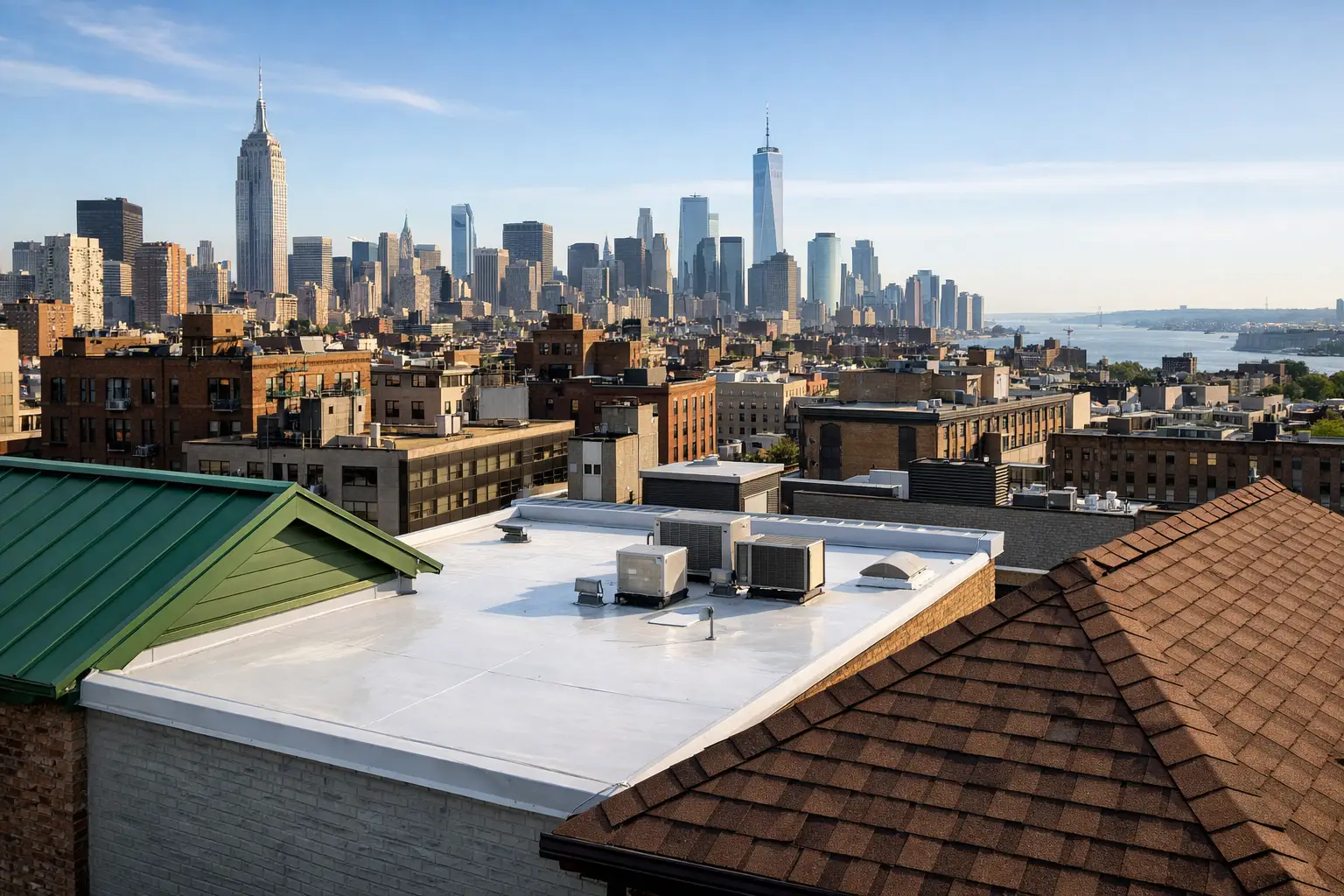
NYC buildings also face close-set neighboring structures, rooftop HVAC equipment, parapet walls, foot traffic, and limited access for repairs. These details make experienced installation and routine inspections essential. A roof that is difficult to access should not be ignored until it leaks into occupied space.
Long-lasting roof types by building application
Slate for steep-slope homes and historic properties
Slate leads on pure material lifespan. It works best on steep-slope roofs where the framing can carry the load and the owner is prepared for the upfront investment and specialized maintenance. It can be an excellent fit for historic properties, but only after a professional evaluates the structure, drainage, flashings, and local requirements.
Metal for long service with less weight
Standing seam metal roofing commonly lasts 40 to 70 years and sometimes longer with proper care. It is much lighter than slate or tile, sheds snow and rain efficiently on a pitched roof, and can be a practical high-performance choice for homes, mixed-use properties, and certain commercial applications.
Metal still has vulnerabilities. Fasteners, seams, flashing transitions, and protective finishes need to be installed correctly. Expansion and contraction from temperature swings must be accounted for. A metal roof with poor edge details can leak just like any other roof.
Tile for longevity when the structure allows it
Clay or concrete tile can provide decades of service and offers a distinct appearance. However, weight, breakage risk, and underlayment replacement make it a more specialized choice in New York City. It is usually selected for a specific architectural goal rather than as the default answer for a typical NYC roof replacement.
TPO and EPDM for flat and low-slope roofs
For flat roofs, TPO and EPDM are often among the most practical long-term options. A well-installed TPO or EPDM roof may provide roughly 20 to 30 years of service, with some systems lasting longer when drainage is sound and maintenance is consistent. TPO’s heat-welded seams can be a strong advantage, while EPDM has a long track record as a flexible rubber membrane.
Neither system should be chosen by price alone. The roof’s slope, ponding water, number of penetrations, insulation condition, and expected rooftop traffic should guide the recommendation. A membrane roof can last well when seams, drains, and flashing are checked regularly. Neglect is what shortens its life.
Modified bitumen and 4-ply hot roofing for proven protection
Modified bitumen, built-up roofing, and 4-ply hot roofing remain dependable options for many urban flat roofs. Their lifespan often falls in the 20-to-30-year range, depending on the system design and maintenance history. These assemblies can be especially useful where a durable, layered roof system is needed and the details are handled properly.
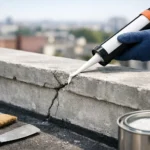
They are not maintenance-free. Blisters, open seams, damaged flashings, and blocked drains need prompt attention. The benefit is that many localized issues can be repaired before they become a full replacement project.
Asphalt shingles for value, not maximum lifespan
Asphalt shingles are widely used because they are affordable, familiar, and suitable for many pitched residential roofs. Architectural shingles commonly last about 20 to 30 years, depending on ventilation, weather exposure, and installation quality. They are not the longest-lasting choice, but they can offer solid value when installed with proper underlayment, flashing, and attic ventilation.
How to choose a roof that will last on your property
Start with the roof shape. A steep residential roof and a flat commercial roof should not be compared as if they need the same system. Then look at the structure, budget, drainage, building use, and the cost of disruption if a leak occurs.
A landlord with occupied apartments may prioritize a repairable, well-detailed flat-roof membrane with reliable drainage. A homeowner planning to stay for decades may find metal worth the higher initial cost. An owner of a historic property may need slate or tile for appearance, but should first confirm the framing and installation requirements.
Ask for a clear assessment of the existing roof deck, insulation, drains, flashings, parapets, and penetrations. Photos of problem areas matter. So does an explanation of whether a repair will genuinely extend roof life or only delay a necessary replacement. A reliable contractor should explain those differences plainly, provide a code-compliant scope of work, and stand behind the installation with appropriate warranty coverage.
The maintenance that protects roof lifespan
Even the best roof loses years when drains are blocked or flashing is left damaged. Schedule inspections at least twice a year and after severe storms. On flat roofs, remove debris from drains and scuppers, look for ponding water, and address punctures or seam issues quickly. On pitched roofs, watch for missing shingles, cracked tiles, loose metal panels, damaged ridge caps, and deteriorated chimney flashing.
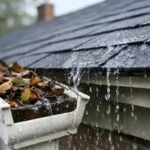
Gutters and leaders are part of the roof’s protection system, not an afterthought. When they overflow, water can back up beneath roof edges, damage fascia, stain siding, and find paths into the building. Keeping water moving away from the roof and foundation is one of the most affordable ways to prevent avoidable exterior damage.
The roof that lasts longest is rarely the one with the most impressive label. It is the one matched to the building, installed with care, drained correctly, and inspected before a small weakness becomes an interior emergency. If your roof is aging or holding water after storms, get the condition documented now while you still have options.