A low-slope roof can look simple from the street, but it works hard every day. It has to move rainwater to drains, hold up against snow loads, resist summer heat, and stay sealed around pipes, curbs, parapet walls, and equipment. This guide to low slope roofing explains what property owners need to know before a small leak becomes soaked insulation, damaged ceilings, mold, or an expensive interior repair.
For New York City buildings, the biggest risk is usually not one dramatic storm. It is repeated standing water, freeze-thaw cycles, clogged drains, and neglected seams. A good roofing decision starts with understanding the roof you have, the condition it is in, and whether repair, restoration, or replacement makes practical sense.
What Counts as a Low-Slope Roof?
A low-slope roof is built with a slight pitch to direct water toward drains, scuppers, or gutters. Despite the common name, a flat roof is rarely completely flat. It needs enough slope to prevent water from sitting on the surface for long periods.
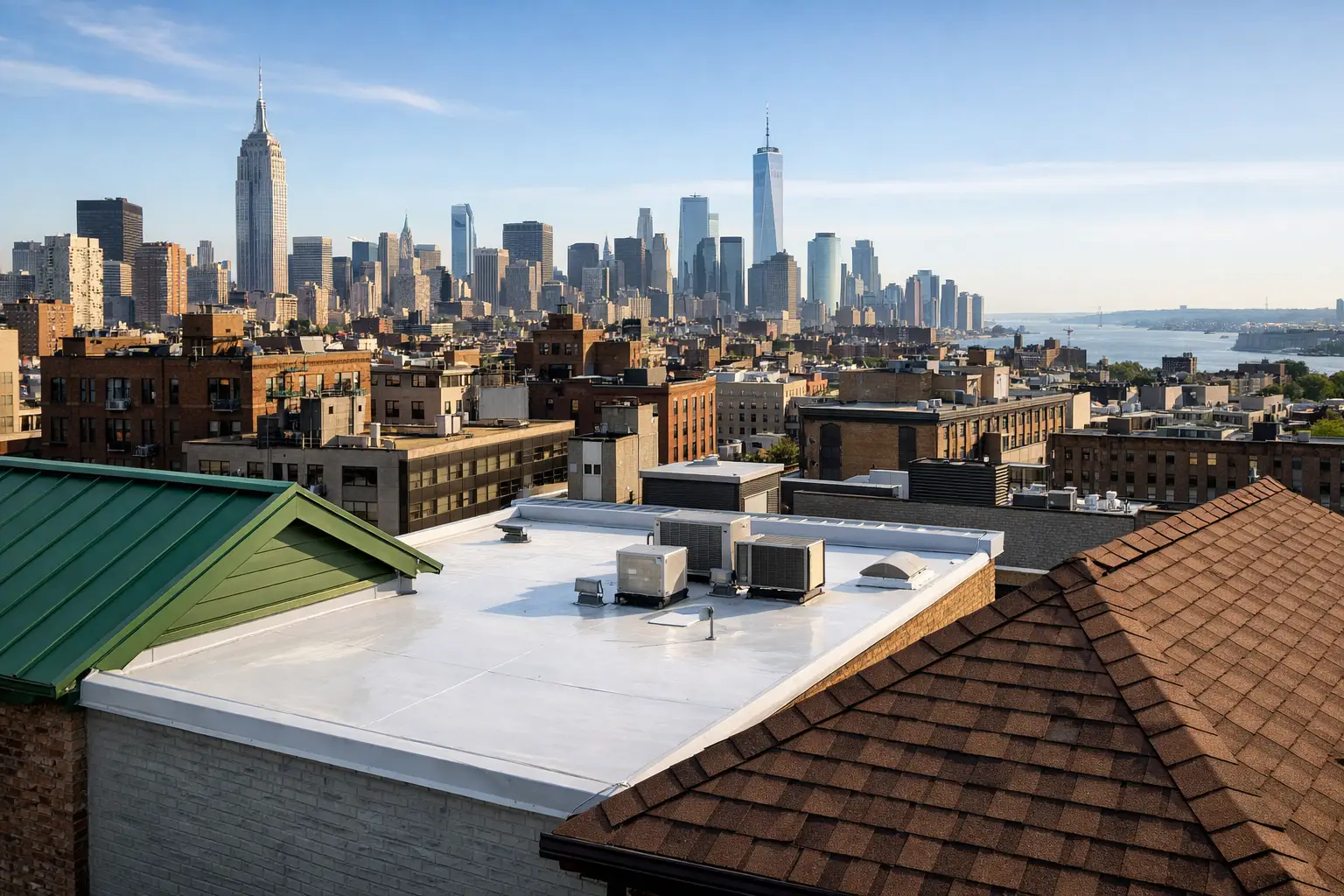
Low-slope systems are common on apartment buildings, row homes, commercial storefronts, warehouses, and buildings with rooftop mechanical equipment. They are efficient because they make use of the full building footprint, but that broad horizontal surface leaves little room for water-management mistakes.
A shingle roof sheds water quickly because of its steeper angle. A low-slope roof depends more heavily on membrane integrity, flashing details, drainage design, and regular maintenance. When one of those pieces fails, water can travel beneath the roofing system before it appears inside the building.
Why Drainage Is the First Thing to Check
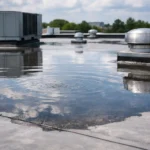
Ponding water is water that remains on a roof for more than 48 hours after a storm. It does not automatically mean the roof has failed, but it should never be ignored. Standing water adds weight, accelerates wear, exposes weak seams, and gives debris time to collect near drains.
On older Bronx and NYC properties, blocked interior drains and undersized or poorly placed scuppers are common causes of recurring ponding. Leaves, wind-blown trash, loose roof material, and ice can all stop water from moving where it should. In winter, water trapped near a drain can freeze, expand, and worsen an existing weakness.
Drainage corrections may be as straightforward as cleaning and repairing drains, replacing damaged strainers, or correcting a loose leader connection. In other cases, the roof may need tapered insulation to create positive slope toward drainage points. That is more involved, but it may be the right investment when the same areas collect water after every storm.
Common Low-Slope Roofing Materials
The best material depends on the building, roof layout, budget, drainage condition, foot traffic, and long-term maintenance plan. There is no one material that is right for every property.
EPDM Rubber Roofing
EPDM is a durable synthetic rubber membrane often used on residential and commercial low-slope roofs. It handles temperature changes well and can be a practical option for a straightforward roof with limited rooftop traffic. Seams, penetrations, and edge details still need close attention because those are frequent leak points as a roof ages.
TPO Roofing
TPO is a single-ply membrane with a light-colored surface that can reflect heat. Its heat-welded seams can offer strong protection when the system is installed correctly. TPO is often a good fit for commercial properties and larger roof areas, though proper welding, flashing, and substrate preparation matter just as much as the membrane itself.
Modified Bitumen and Hot Roofing
Modified bitumen and built-up hot roofing systems use layers of asphalt-based materials to create a durable waterproof assembly. These systems are well known in New York City because they can perform reliably on complex roofs with many penetrations and details. A multi-ply system can provide valuable redundancy, but installation is labor-intensive and the roof needs experienced workmanship to prevent blisters, cracks, and weak transitions.
Roof Coatings and Restoration
A roof coating can extend the life of an existing system when the membrane is still structurally sound. It is not a cure for saturated insulation, widespread seam failure, poor drainage, or active leaks throughout the roof. Coating over a failing system may hide the problem for a short time while moisture continues damaging the assembly underneath.
A professional inspection should determine whether restoration is appropriate. The right time for a coating is before the roof reaches the point of major failure, not after.
Repair, Restoration, or Replacement?
Property owners often want a clear yes-or-no answer, but the right choice depends on the actual condition below the surface. A visible leak may come from a split seam, deteriorated flashing, failed pitch pocket, damaged drain, or a puncture caused by rooftop work. A targeted repair can be cost-effective if the rest of the roof is dry and in good condition.
Restoration may make sense when the membrane has general weathering but remains attached, dry, and serviceable. It can help protect the roof from UV exposure and delay replacement, provided drainage and underlying details are addressed first.
Replacement is usually the smarter path when leaks keep returning in different areas, insulation is wet, the membrane is brittle or badly deteriorated, or the system has reached the end of its service life. Replacing only the surface while leaving damaged insulation or faulty drainage below can lead to another costly repair cycle.
A dependable contractor should show you the condition clearly. That may include photos of seams, flashings, drains, and areas where water has entered the assembly. You should understand what is being repaired, why it failed, and what the proposed work will do to prevent a repeat problem.
Details That Make or Break a Low-Slope Roof
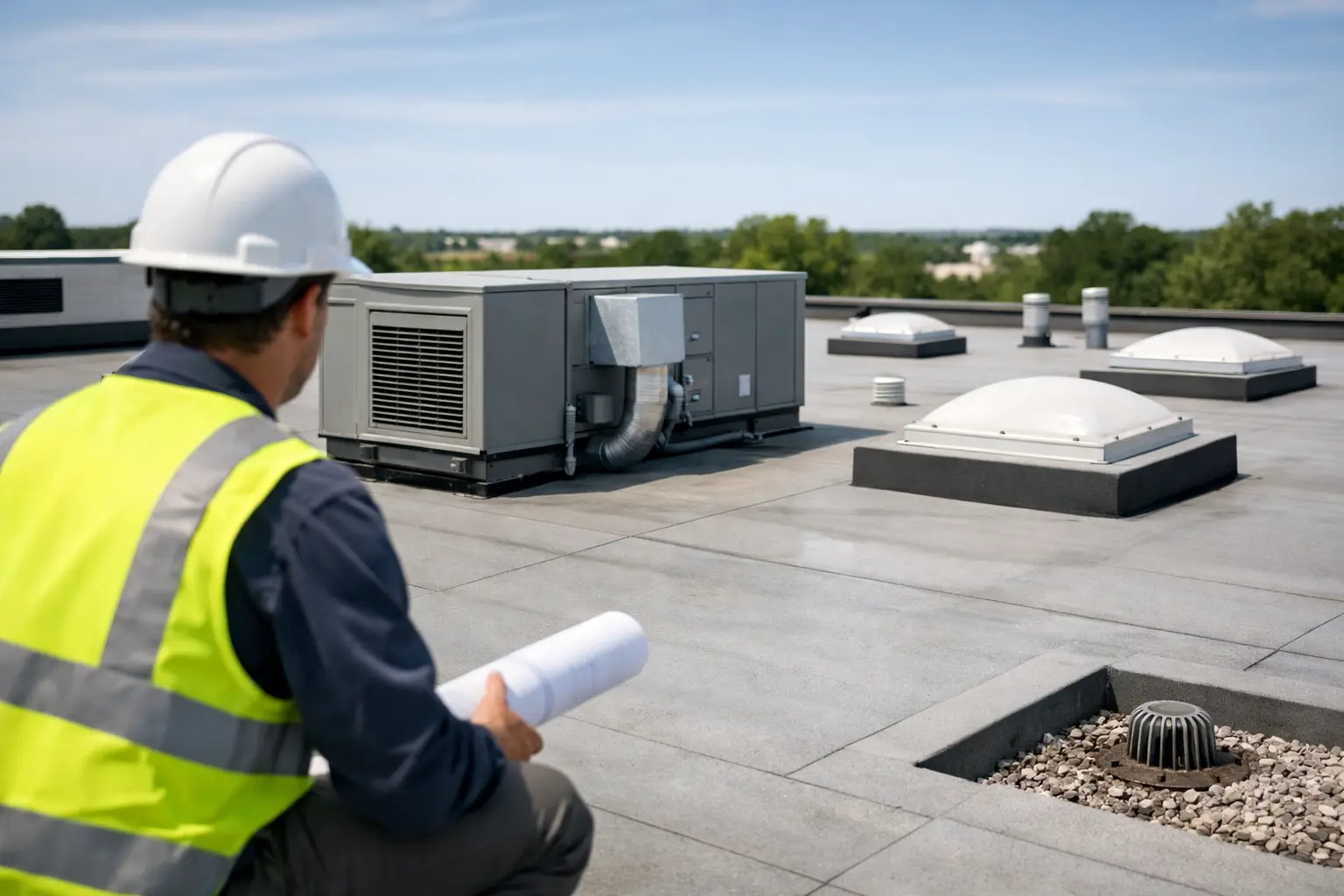
Most low-slope roofs do not fail in the middle of an open field. They fail at transitions. Flashing at parapet walls, vent pipes, skylights, HVAC curbs, roof hatches, drains, and scuppers needs to remain securely tied into the main membrane.
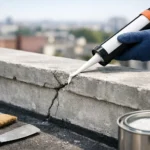
Metal edge flashing also matters. Wind can work under loose edges and lift membrane sections during severe weather. At walls, deteriorated coping, masonry cracks, and failed sealant joints can allow water behind the roofing system. That is why roofing and exterior waterproofing often need to be considered together.
If technicians, tenants, or vendors regularly access the roof, ask about walk pads and protection around service routes. Repeated foot traffic can wear through a membrane, especially near equipment. A roof built for occasional access is not the same as one that supports frequent maintenance activity.
A Practical Maintenance Plan
Low-slope roofing rewards routine attention. Twice-yearly inspections, typically in spring and fall, give property owners a chance to catch problems before harsh weather exposes them. Additional checks after major storms are wise, especially if the roof has a history of drainage issues.
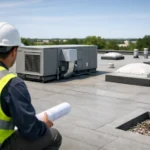
During an inspection, look for standing water, blocked drains, loose flashing, open seams, cracked sealant, surface bubbles, exposed fasteners, and debris buildup. Inside the building, watch for ceiling stains, peeling paint, damp odors, or water near exterior walls. Interior signs do not always sit directly beneath the leak, so early professional evaluation matters.
Do not allow unqualified workers to make quick patches with incompatible materials. A patch that does not bond correctly can trap water or create a new weak point. Keep records of repairs, inspections, and warranty documents so future decisions are based on the roof’s real history.
Choosing a Contractor for Low-Slope Work
Low-slope roofing is not a job for guesswork. Ask whether the contractor is licensed and insured, understands local code requirements, and has experience with the specific system on your building. The proposal should identify the material, the scope of tear-off or repair, drainage work, flashing details, and warranty coverage.
For properties in the Bronx and throughout NYC, a contractor should also understand the practical challenges of urban work: limited access, occupied buildings, rooftop equipment, neighboring structures, and weather windows that can change quickly. Clear project management is not an extra. It helps keep the work organized and protects tenants, residents, and the property during construction.
Global City Restoration approaches low-slope roofing with that practical focus: inspect the full roof system, explain the condition plainly, and recommend work that fits the building rather than pushing a one-size-fits-all answer.
A dry roof protects more than the top floor. It protects insulation, framing, ceilings, electrical systems, tenant spaces, and the value of the property itself. Address drainage and small defects while they are manageable, and your roof is far more likely to hold up when the next heavy rain arrives.