
A roof leak rarely starts as an emergency. On many New York City properties, it begins with a clogged drain, loose flashing, split seam, or small area of standing water that goes unnoticed until water reaches an apartment, office, or storefront. A roof maintenance plan comparison helps property owners see which service level actually protects the building and which one only looks affordable on paper.
The right plan depends on your roof type, its age, drainage conditions, tenant or business exposure, and whether prior repairs have addressed the real source of water entry. A simple annual check may work for a newer single-family shingle roof. A multi-family building with a low-slope EPDM, TPO, modified bitumen, or hot roof usually needs more frequent oversight, especially after heavy rain, snow, and high winds.
What You Are Really Comparing in a Roof Maintenance Plan
Do not compare plans by the number of visits alone. Two contractors can both offer a “twice-yearly inspection,” while one performs a visual walk-through and the other documents roof conditions, checks drainage, handles minor repairs, and provides photos for your records. The second plan may cost more upfront but can prevent a small failure from becoming an interior restoration project.
A worthwhile maintenance agreement should spell out what is inspected, what is included during each visit, how emergency calls are handled, and how repair recommendations are priced. It should also separate routine upkeep from larger corrective work. No honest contractor can promise that a roof will never leak, particularly in NYC weather, but a good plan gives you a clear process for finding problems early and responding fast.
Inspection frequency and timing
Most properties benefit from at least two scheduled inspections each year, commonly in spring and fall. Spring inspections identify damage left by freezing temperatures, snow, ice, and winter debris. Fall visits prepare the roof and drainage system for colder weather and heavier seasonal rain.
For flat and low-slope commercial roofs, buildings with known drainage issues, or properties surrounded by trees, quarterly inspections are often the better choice. These roofs can hold water longer than expected, and a blocked interior drain can create immediate risk. Property managers may also want an inspection after a major wind or rain event rather than waiting for the next scheduled visit.
What the contractor actually checks
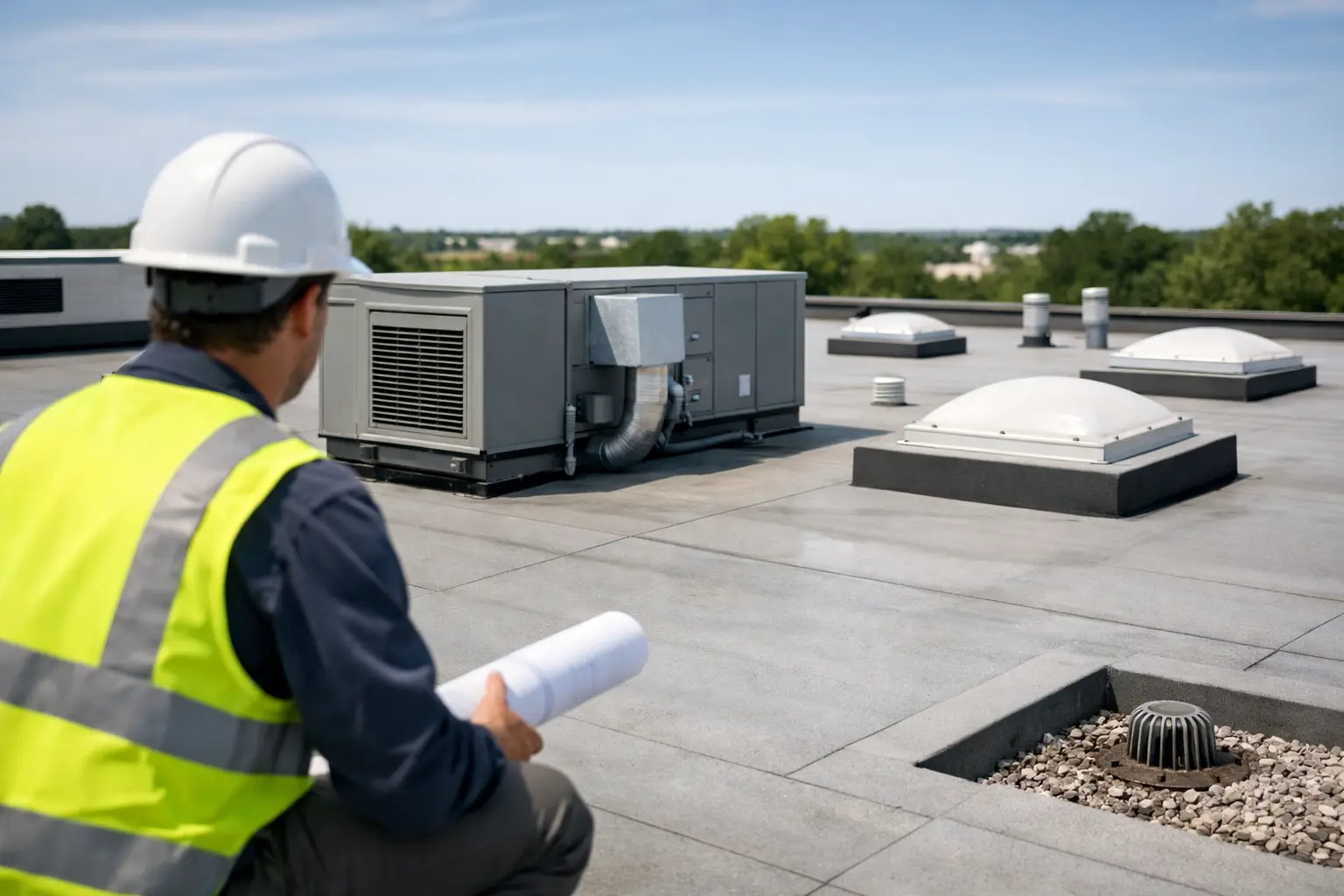
A proper inspection should be hands-on. The contractor should inspect membrane seams, penetrations, flashings, curbs, parapet walls, edge metal, pitch pans, roof-mounted equipment areas, and visible signs of ponding. On shingle roofs, the focus may include missing or damaged shingles, exposed fasteners, pipe boots, valleys, chimney flashing, ridge areas, and ventilation conditions.
Drainage deserves special attention in the Bronx and throughout NYC. Gutters, scuppers, roof drains, leaders, and downspouts all affect whether water leaves the building as designed. A roof can have sound material and still develop leaks when water backs up at an obstructed drain or flows behind failed flashing.
Roof Maintenance Plan Comparison: Common Service Levels
The plan that fits your building should match its risk level. Below is a practical way to compare common options.
| Plan level | Best fit | Typical service | Main limitation | | — | — | — | — | | Basic inspection plan | Newer roofs with no history of leaks | One or two inspections, condition report, repair recommendations | Minor repairs and emergency response may cost extra | | Preventive maintenance plan | Most homes, multi-family properties, and small commercial buildings | Scheduled inspections, drain and debris checks, minor repairs, photo documentation | Larger repairs remain separate work | | Priority response plan | Buildings where downtime or interior leaks create major losses | Quarterly visits, priority storm response, detailed records, recurring minor upkeep | Higher annual fee may not suit a low-risk roof | | Restoration-focused plan | Aging roofs not ready for full replacement | Frequent monitoring, targeted repairs, coating or waterproofing recommendations | It can extend service life, but cannot correct a failing roof indefinitely |
The basic plan is often the lowest entry price, but it is not always the least expensive choice over time. If the roof has recurring seam failures or chronic ponding, paying for inspections without minor corrective work may lead to repeat service calls. Ask whether the plan includes small tasks such as sealing a minor flashing gap, securing a loose edge detail, clearing accessible debris, or replacing a damaged pipe boot. The exact scope matters more than the plan name.
Priority response can be valuable for landlords, co-op buildings, retail spaces, and offices. When water enters an occupied property, the cost is not limited to the roof. Ceiling damage, flooring, electrical concerns, mold risk, tenant complaints, and business interruption can quickly exceed the cost of preventive service.
Questions That Expose a Weak Plan
Before signing, ask for direct answers. How are roof conditions documented? Are before-and-after photos provided? Does the contractor inspect drains and leaders or only the roof surface? What counts as a minor repair? What is the response process after a storm? Are emergency rates different from regular service rates?
Also ask who manages the work. A dedicated project manager gives owners and property managers one person to call when a recommendation turns into a repair project. That is especially useful when roofing, waterproofing, siding, gutters, and exterior wall conditions overlap. Water does not always enter where the stain appears, and a narrow roof-only inspection can miss an exterior problem at a wall transition or window opening.
Review the contractor’s licensing, insurance, warranty terms, and familiarity with your roofing system. A plan for asphalt shingles should not be treated like a plan for a low-slope TPO or EPDM roof. Each material fails differently, and each needs the right repair method. Applying incompatible materials or using a quick patch where flashing work is needed can make the next repair harder and more expensive.
Price Should Be Clear, Not Just Low
A low annual fee can be reasonable when the roof is new, access is simple, and the property has limited drainage exposure. It becomes less attractive when every call-out, photo report, drain check, and small repair is billed separately. On the other hand, an expensive plan with broad promises may not make sense for a small home with a recently installed roof and no prior issues.
Ask for a written breakdown of scheduled visits, labor allowances, travel or emergency charges, materials, reporting, and exclusions. A good contractor will explain what the price covers without hiding behind vague terms like “full protection.” You should know whether gutter and leader service is included, whether debris removal has limits, and whether roof access challenges affect pricing.
For commercial and multi-family owners, detailed reports have an additional benefit: they create a maintenance history. That record can support budgeting, help explain repair decisions to boards or ownership groups, and show that the property was actively maintained when an issue develops.
When Maintenance Is No Longer the Right Answer
Maintenance protects a serviceable roof. It does not turn a worn-out system into a new one. If the roof has widespread blistering, deteriorated membrane, repeated leaks in different areas, soft decking, extensive ponding, or repairs that keep returning, replacement or restoration may be the more responsible financial decision.
The key is not to wait for widespread interior damage to force the decision. A contractor should explain the roof’s remaining condition honestly, show the problem areas with photos, and offer practical options. Sometimes targeted repairs and waterproofing can buy useful time. Sometimes a planned replacement is safer than another round of patches before winter.
Global City Restoration approaches maintenance as property protection, not a reason to sell unnecessary work. The goal is to keep small defects visible, document what is happening on the roof, and give owners a clear recommendation before water makes the decision for them.
Choose a plan that matches the building’s real exposure, not just its square footage. Regular eyes on the roof, clear records, and fast action after severe weather can protect far more than roofing material – they protect the people, operations, and investment underneath it.