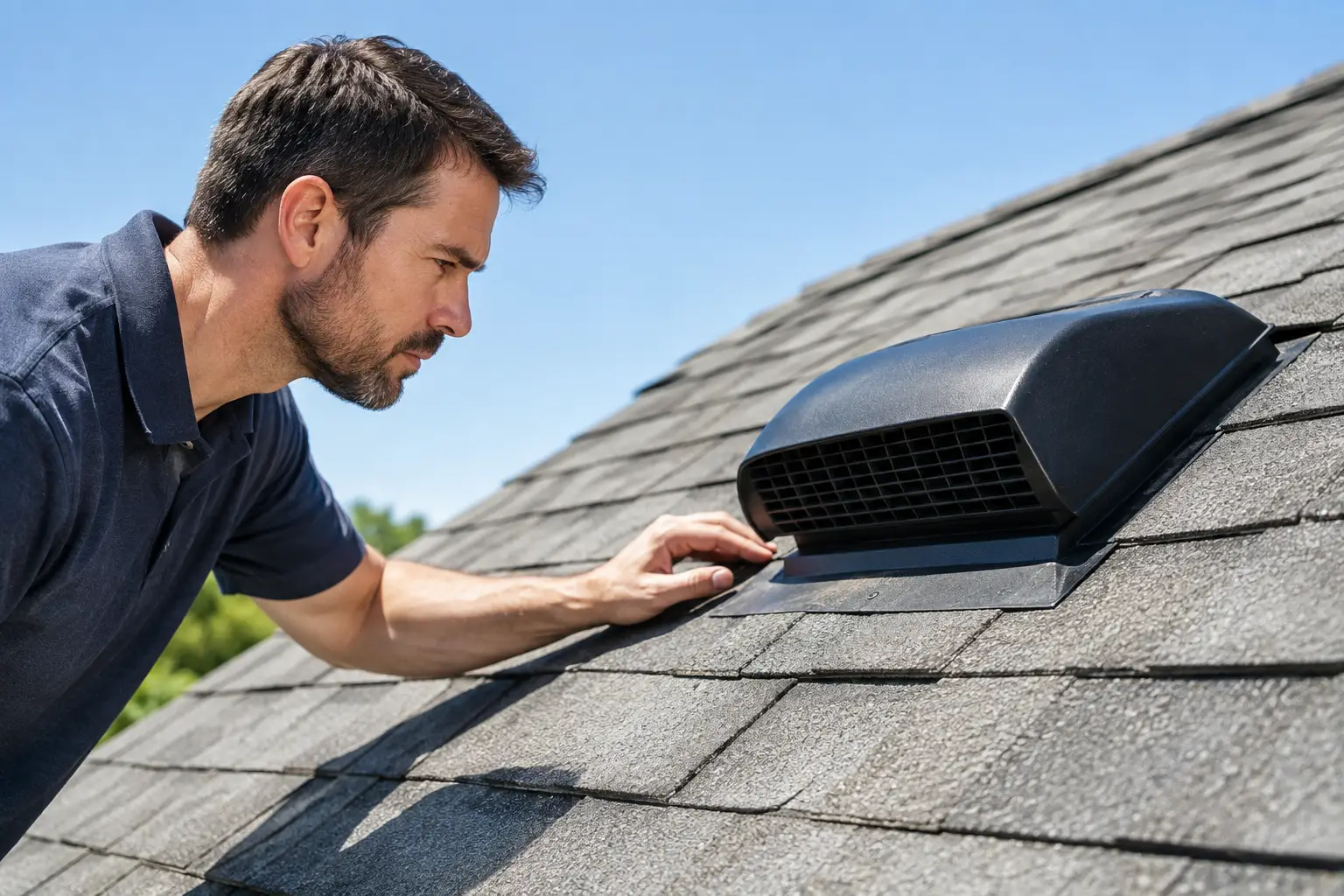
A loose panel near a roofline or a small crack beside a window may not look urgent. In New York City, though, that opening can let wind-driven rain reach the wall behind the siding. Knowing how to spot siding damage early gives you time to make a targeted repair before moisture affects insulation, framing, interior walls, or the roof edge.
Siding is part of your property’s exterior defense system. It works alongside the roof, flashing, gutters, leaders, and waterproofing to direct water away from the building. When one part fails, the damage can travel farther than you can see from the sidewalk.
Start With a Safe Visual Check
You do not need to climb a ladder or pull panels apart to notice many siding problems. Walk around the building after a heavy rain, strong wind event, or major temperature swing. Look at the walls from different angles, especially in morning or late-day light. Shadows often make uneven panels, dents, and warping easier to see.
Pay close attention to areas where siding meets windows, doors, rooflines, balconies, chimneys, and utility penetrations. These transition points rely on flashing and sealant to keep water out. They also take more movement than large open wall sections, so failures often begin there.
For multi-family and commercial properties, inspect accessible ground-level areas and document anything unusual with dated photos. A property manager may not see a problem on an upper floor, but a tenant might report a damp wall, a draft, or a new stain. Those reports are worth investigating promptly.
The Most Common Signs of Siding Damage
Cracks, holes, and missing pieces
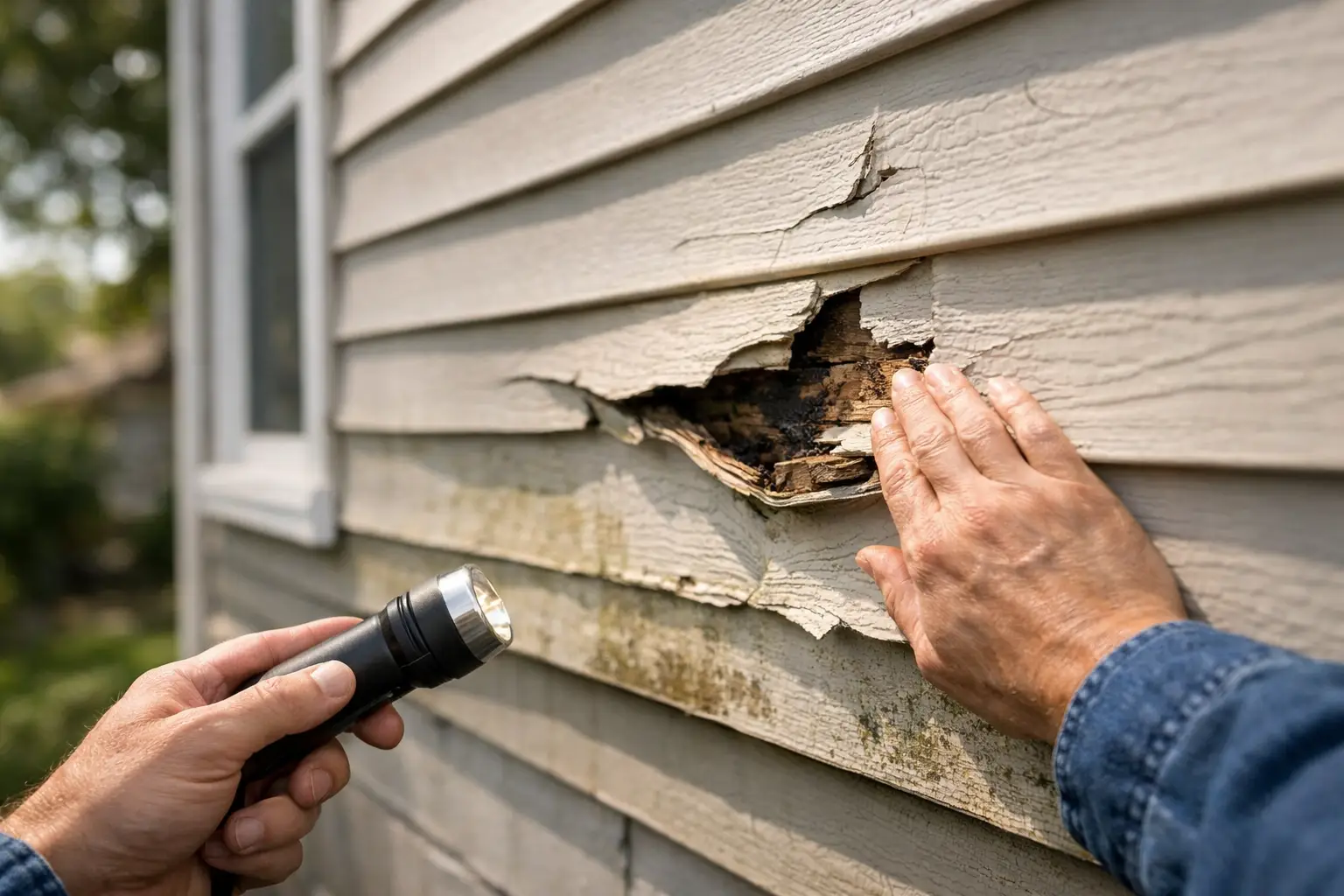
Cracks can come from impact, age, repeated expansion and contraction, or a panel that was installed too tightly. Small holes may be caused by debris, pests, or accidental contact with equipment. Any opening in the siding can admit water, even if the wall looks dry today.
Missing pieces need attention right away. Wind can catch an unsecured panel and pull more material loose, exposing the underlayment and wall sheathing. After a storm, look for panels that have separated at the edges or corners that no longer sit flat.
Warping, buckling, or rippling
Siding should lie evenly against the wall. Wavy sections, buckled boards, or panels that appear to bow outward may point to heat damage, installation issues, or trapped moisture behind the material.
Vinyl siding can distort when exposed to intense reflected heat from nearby windows or metal surfaces. Wood siding may cup or swell after repeated moisture exposure. Fiber cement and composite products can also show movement when water reaches an unprotected edge or flashing has failed. The cause matters because replacing a panel without correcting the moisture or heat source may only delay the next repair.
Loose panels and open seams
A panel that rattles in the wind, lifts at one end, or has a widening gap between courses is not doing its job. Open seams may allow rain to get behind the siding, particularly on walls that face prevailing weather.
Do not assume a little movement is always harmless. Some materials are designed to expand and contract, but visible separation, fasteners pulling through, or panels hanging out of alignment should be assessed. On older buildings, loose siding can also be a sign that the wall beneath needs repair.
Peeling paint, rot, and soft spots
For painted wood trim or wood siding, peeling paint is often more than a cosmetic issue. It can mean moisture is working under the finish, leaving the wood exposed to rot. Check lower wall sections, trim boards, window sills, and areas beneath roof overhangs where water may run or collect.
If wood feels soft when gently pressed, crumbles at an edge, or has darkened areas that remain after dry weather, schedule a professional inspection. Do not probe aggressively or remove material yourself. You want to identify the extent of the issue without creating a larger opening.
Stains, mold, and mildew
Dark streaks, green growth, white residue, or persistent staining may signal that water is not draining properly. Sometimes the problem is simply surface dirt or shade-related mildew. Other times, it points to overflowing gutters, missing leaders, roof runoff, or failed caulking above the affected area.
Mold or mildew on the exterior does not automatically mean there is mold inside the wall. Still, it should not be ignored when it appears alongside loose siding, soft wood, interior odors, or water stains. The goal is to find where moisture is coming from, not just clean the visible symptom.
Check Inside the Building Too
The exterior can look acceptable while water is already affecting the interior side of the wall. During your inspection, look inside rooms that share a wall with the suspected area. Pay attention to peeling paint, bubbling wallpaper, discoloration near windows, musty odors, damp baseboards, or a wall that feels unusually cold during winter.
For landlords and building owners, recurring tenant complaints in the same stack of apartments can reveal a façade or drainage issue. A wet spot around a top-floor window may be related to siding or flashing, but it can also come from the roof. That is why exterior conditions need to be evaluated as a complete system.
Focus on Places Where Water Collects
Siding damage is frequently connected to drainage problems. Clogged gutters, damaged leaders, poorly directed downspouts, and low-slope roof drainage issues can send water down the façade day after day. Even high-quality siding will struggle if it is constantly being hit by overflowing runoff.
Look for splash marks near the bottom of walls, eroded soil by the foundation, staining beneath gutters, or water that pours over an edge during rain. In the Bronx and across NYC, tightly spaced buildings can also limit sunlight and airflow, allowing damp areas to stay wet longer. That makes routine maintenance more valuable, not less.
Know When the Problem Is More Than Cosmetic
A faded finish or a small surface scratch may be cosmetic. The line changes when the siding can no longer shed water, protect the wall, or remain securely attached. Treat the following conditions as reasons to arrange an inspection soon:
- Cracks, holes, or missing panels that expose the layer beneath
- Bulging or warped areas that may indicate moisture behind the siding
- Rot, soft wood, or deteriorated trim around windows and doors
- Persistent interior staining, dampness, or musty odors near exterior walls
- Loose siding following wind, falling debris, or a severe storm
If there is active water intrusion, a large section has come loose, or material is at risk of falling, do not wait for a routine maintenance visit. Secure the area if it can be done safely, keep people away from falling material, and call a licensed, insured exterior contractor.
Why Fast Repairs Usually Cost Less
The visible siding panel is often the least expensive part of a moisture problem. Once water reaches housewrap, sheathing, insulation, framing, or interior finishes, the scope can grow quickly. Delayed repair can also create conditions for mold growth and reduce the wall’s ability to hold heat during cold weather.
That does not mean every crack requires a full siding replacement. A qualified inspection should separate isolated damage from widespread failure. In some cases, a repair, replacement panel, improved flashing, resealing, or gutter correction is enough. If damage is spread across several elevations or the siding has reached the end of its useful life, replacement may provide better long-term value.
A contractor should explain what is visible, what may be concealed, and what work is necessary now versus what can be planned. Ask for photos of problem areas and a clear scope of work. Straight answers make it easier to protect the property and control the budget.
Protect the Wall Before the Next Storm
Make siding checks part of your seasonal exterior routine, especially after winter, heavy rain, and high winds. Keep gutters and leaders clear, trim vegetation away from walls, and address damaged caulk or loose materials before they become entry points for water.
When siding, roof drainage, or flashing problems overlap, Global City Restoration can assess the exterior as one protective system instead of treating each symptom separately. A timely inspection can turn a small visible defect into a manageable repair rather than an expensive wall restoration.