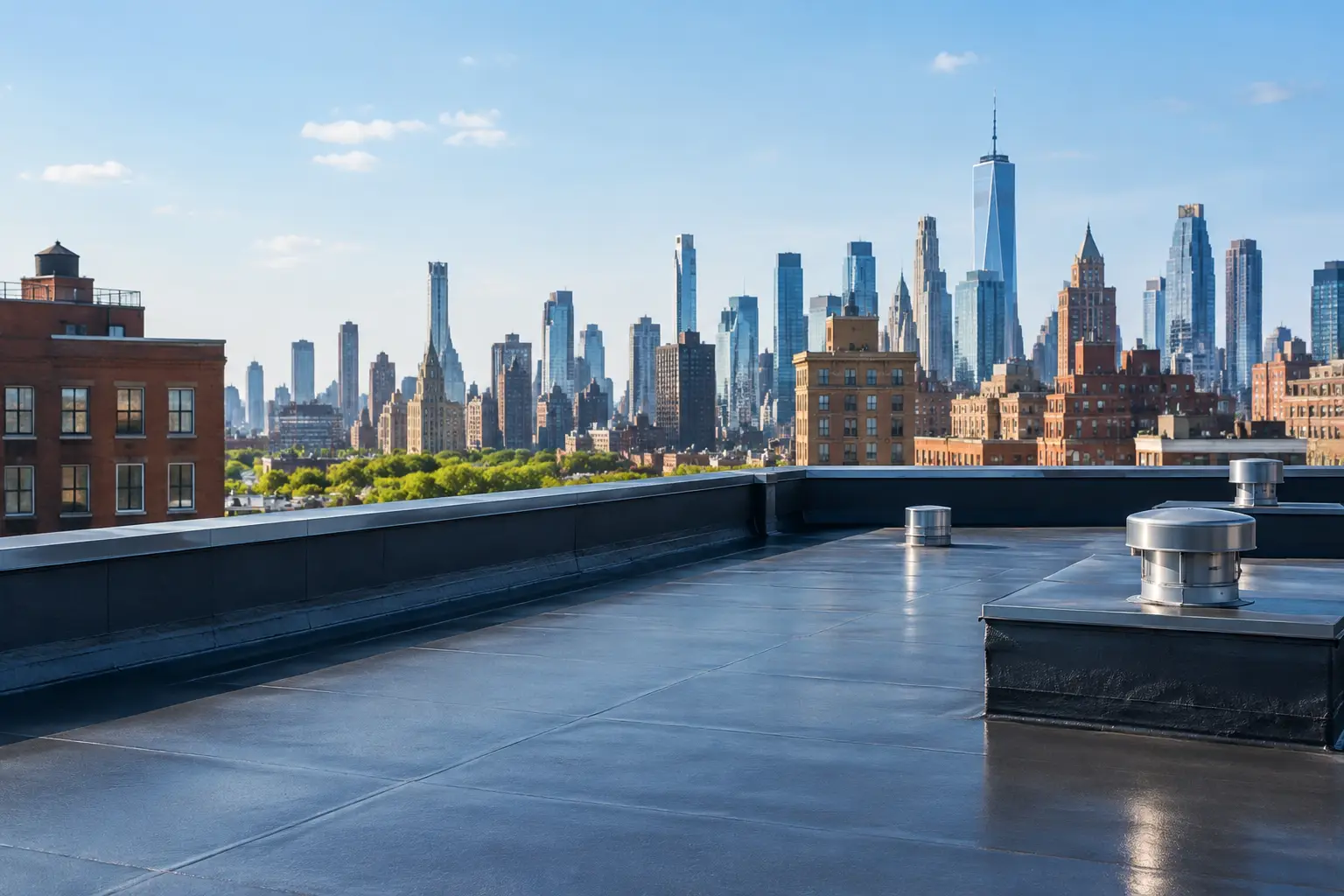
A flat roof can look fine from the sidewalk while water is slowly working its way through an open seam, failed flashing, or blocked drain. That is why flat roofing in New York City needs more than a quick patch when a leak appears. It needs the right system, proper drainage, and regular attention before standing water turns into interior damage.
For homeowners, landlords, property managers, and business owners, the roof is not just another building component. It protects apartments, equipment, inventory, ceilings, electrical systems, and the value of the property itself. A practical roofing plan can prevent a small problem from becoming a costly emergency.
Why Flat Roofing Needs a Different Approach
Most so-called flat roofs are actually low-slope roofs. They are built with a slight pitch that directs water toward drains, scuppers, gutters, or leaders. When that pitch is interrupted by settling, clogged drainage, damaged insulation, or poor installation, water can remain on the roof long after a storm.
Ponding water is one of the biggest concerns on low-slope roofs. It adds weight, speeds up material wear, and finds weak points around seams and penetrations. New York weather makes the problem worse. Heavy rain, snow buildup, freeze-thaw cycles, summer heat, and wind-driven debris all put pressure on the roof surface.
A roof leak does not always appear directly below the damaged area. Water can travel beneath the membrane or through the roof assembly before it reaches the ceiling. That is why a proper inspection matters. The visible stain inside is often only the final sign of a larger issue above.
Choosing the Right Flat Roofing System
There is no single material that is best for every building. The right choice depends on the roof layout, drainage condition, foot traffic, budget, existing roof structure, and whether the project is a repair, restoration, or full replacement.
EPDM for proven flexibility
EPDM is a durable synthetic rubber membrane often used on commercial and residential low-slope roofs. It handles temperature changes well and can be a dependable option for large roof areas. Its dark surface can absorb heat, however, which may be a consideration on buildings with strong sun exposure or cooling-cost concerns.
TPO for reflective protection
TPO is a white, reflective single-ply roofing membrane. Many property owners choose it for its heat-reflective surface and welded seams. Seam quality is critical with any membrane roof. Proper installation, clean welding, and detailed work around drains, curbs, edges, and penetrations determine how well the system performs over time.
Modified bitumen and hot roofing
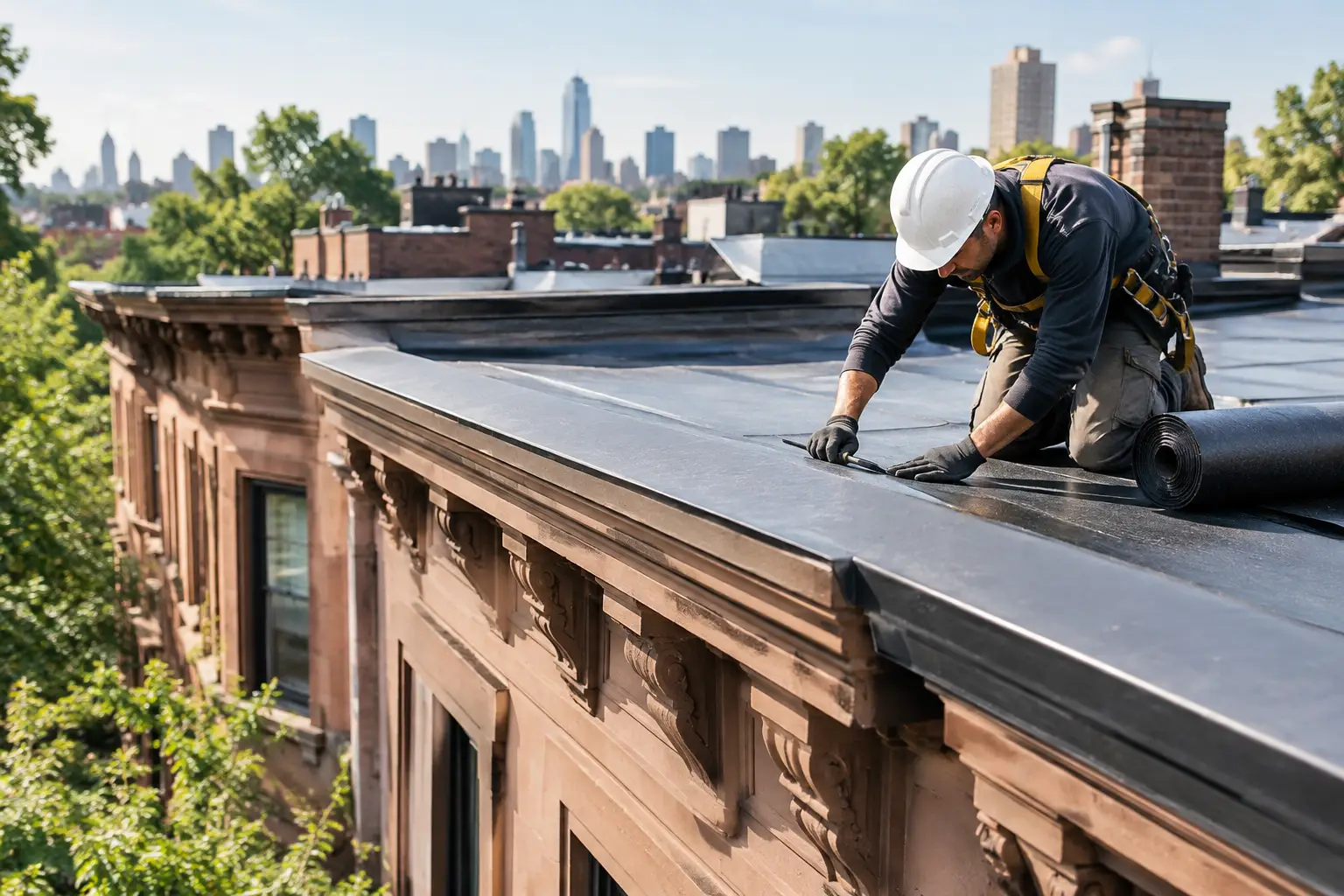
Modified bitumen and built-up roofing systems remain practical choices for many NYC buildings. These systems use layered protection and can be especially useful where a roof has complex details or receives regular maintenance traffic. The trade-off is that installation can be more labor-intensive, and the roof must be designed carefully to avoid trapped moisture and drainage issues.
Coatings and restoration where appropriate
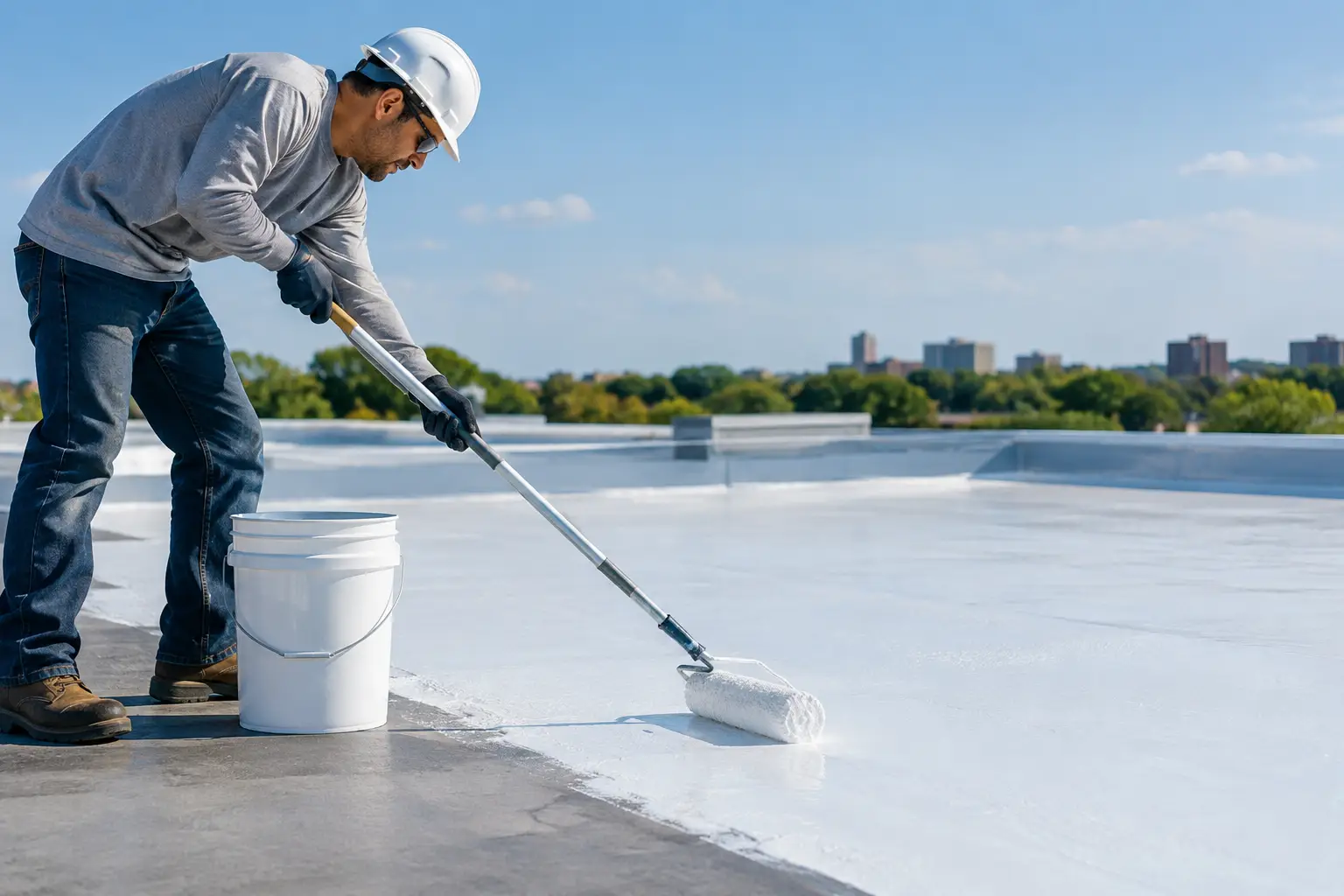
A roof coating can extend the service life of an existing system, but it is not a cure for every roof. Coatings work best when the roof is still structurally sound, dry, and capable of being properly prepared. If insulation is saturated, seams are failing throughout the roof, or the membrane has reached the end of its life, replacement is usually the more responsible investment.
The Details That Prevent Leaks
The field of the roof gets attention because it covers the largest area, but most leaks begin at the details. Flashing around parapet walls, skylights, vent pipes, HVAC units, drains, and roof edges must be secure and compatible with the roofing system.
Drainage also deserves close attention. A clear roof drain does not help much if the surrounding roof has sunk and holds water. Likewise, a scupper cannot perform if debris blocks the opening or the exterior leader is damaged. Roofing, waterproofing, gutters, and leaders need to work as one system.
On older buildings, masonry conditions can also affect roof performance. Cracked parapet coping, deteriorated pointing, and loose metal caps can let water enter behind the roof flashing. Addressing only the membrane without checking these transition areas can leave the building exposed.
When Repair Makes Sense and When Replacement Is Smarter
A targeted repair can be the right move when damage is limited to a small area and the rest of the roof remains in good condition. A puncture, loose flashing section, isolated seam failure, or damaged drain detail can often be repaired without replacing the entire system.
Replacement becomes more sensible when repairs are happening repeatedly, leaks are showing up in multiple areas, or the roof has widespread blistering, cracking, open seams, or wet insulation. Patching an exhausted roof over and over may seem less expensive in the moment, but it can cost more once interior damage and emergency work are added to the picture.
A straightforward contractor should explain what was found, show photos where possible, and separate immediate leak-stopping work from longer-term recommendations. Property owners should not be pushed into a full replacement when a repair will genuinely solve the problem. They also should not be given a cheap patch when the roof clearly needs more than a temporary fix.
What a Proper Flat Roof Inspection Should Cover
A useful inspection goes beyond looking for obvious holes. The roof surface should be checked for splits, punctures, membrane shrinkage, blisters, seam separation, and signs of ponding. Flashing should be reviewed at every wall, penetration, curb, and edge.
The inspection should also include drains, scuppers, strainers, gutters, leaders, and the condition of surrounding masonry or siding where it meets the roof. Inside the building, ceiling stains, odors, peeling paint, and soft drywall can help identify how long moisture has been present.
For commercial properties, the inspection should account for rooftop equipment and access paths. Technicians, tenants, and service crews can damage a membrane simply by walking across it repeatedly without protective pads. If the roof supports HVAC equipment, planned walkways and regular checks are worth considering.
Maintenance That Protects the Investment
Flat roofs benefit from routine maintenance, especially after severe weather. A spring and fall inspection helps catch debris, blocked drains, loose flashing, and minor damage before the next season puts more stress on the system. Roofs should also be checked after heavy rain, snow events, or strong winds.
Property owners should avoid allowing branches, construction debris, old equipment, or loose materials to remain on the roof. These items can block drainage, puncture the membrane, and make it harder to spot developing problems. If access is needed for equipment service, the roofing surface should be protected from unnecessary foot traffic.
Documentation matters as well. Keep records of inspections, repairs, warranties, and photos. This makes it easier to track recurring issues and helps building owners make informed decisions when it is time to restore or replace the roof.
Flat Roofing Work Should Be Built for NYC Conditions
A low-slope roof in the Bronx, Manhattan, Queens, Brooklyn, Astoria, or the South Bronx deals with more than rain. It may face dense urban debris, limited access, adjacent buildings, rooftop equipment, aging masonry, and strict code requirements. The job needs careful planning, safe work practices, and materials suited to the building instead of a one-size-fits-all recommendation.
Global City Restoration approaches roof work with that practical mindset: identify the real condition, explain the options clearly, and build a solution that protects the property for the long term. Whether the immediate need is leak repair, drainage correction, waterproofing, or a full roof replacement, the goal should be durable work that gives the owner fewer surprises when the next storm arrives.
If water is sitting on the roof, stains are spreading indoors, or repairs are becoming routine, do not wait for the next heavy rain to test the system. A clear inspection and an honest assessment can give you the information needed to protect the building before the damage grows.