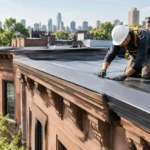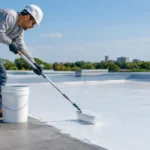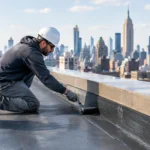
A brown ceiling stain after a hard Bronx rain is not a problem to cover up with paint. It is a warning that water has already found a path through the roof system. So, can roof coatings stop leaks? Yes, in the right conditions. But a coating is not a cure-all for an aging, damaged, or poorly drained roof.
For NYC property owners, the difference matters. A properly selected and installed coating can seal small surface defects, renew a weathered roof, and help prevent future leaks. Applied over the wrong roof, it can hide damage temporarily while water continues to move beneath the surface. The result is often a larger repair bill later.
Can Roof Coatings Stop Leaks on Flat Roofs?
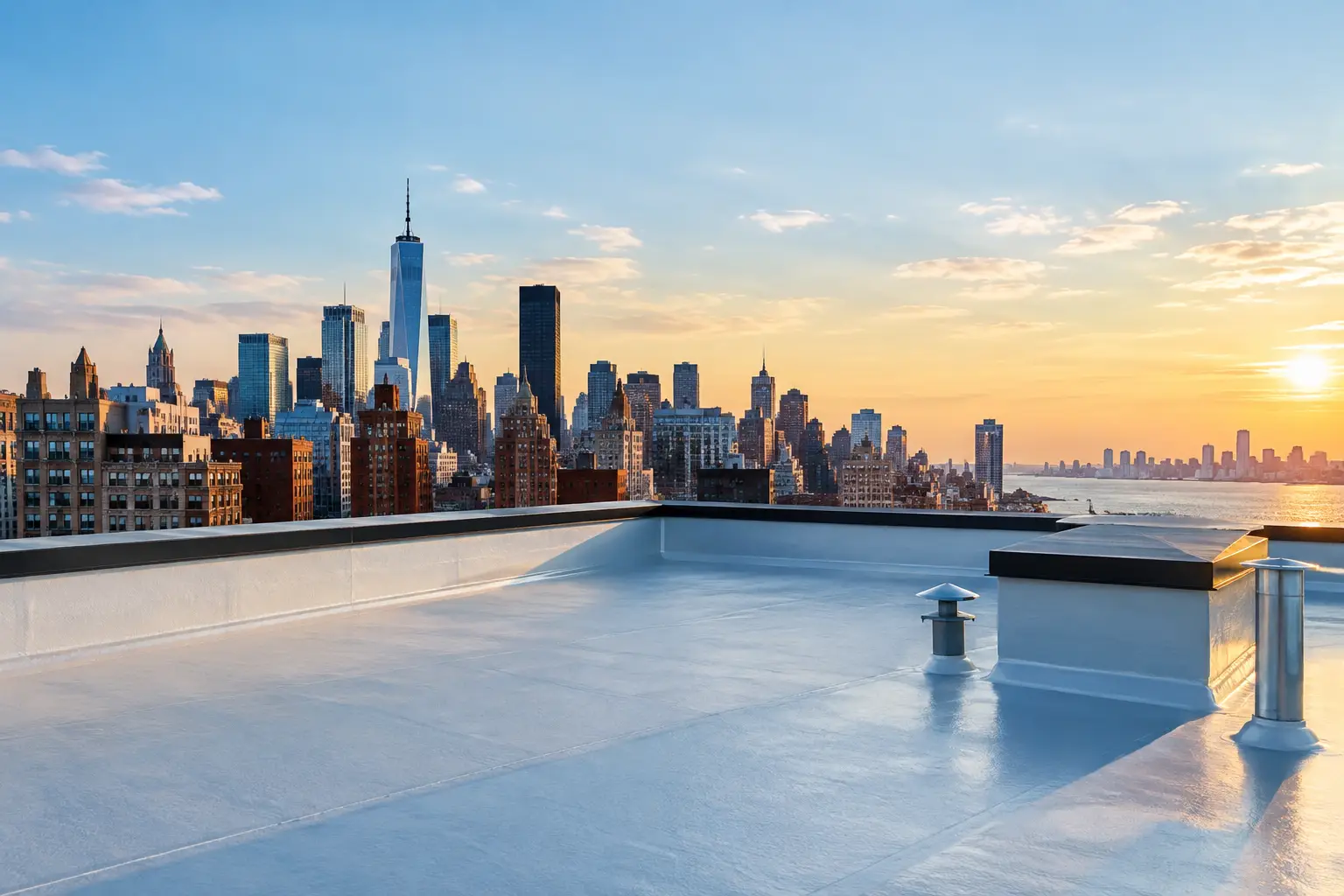
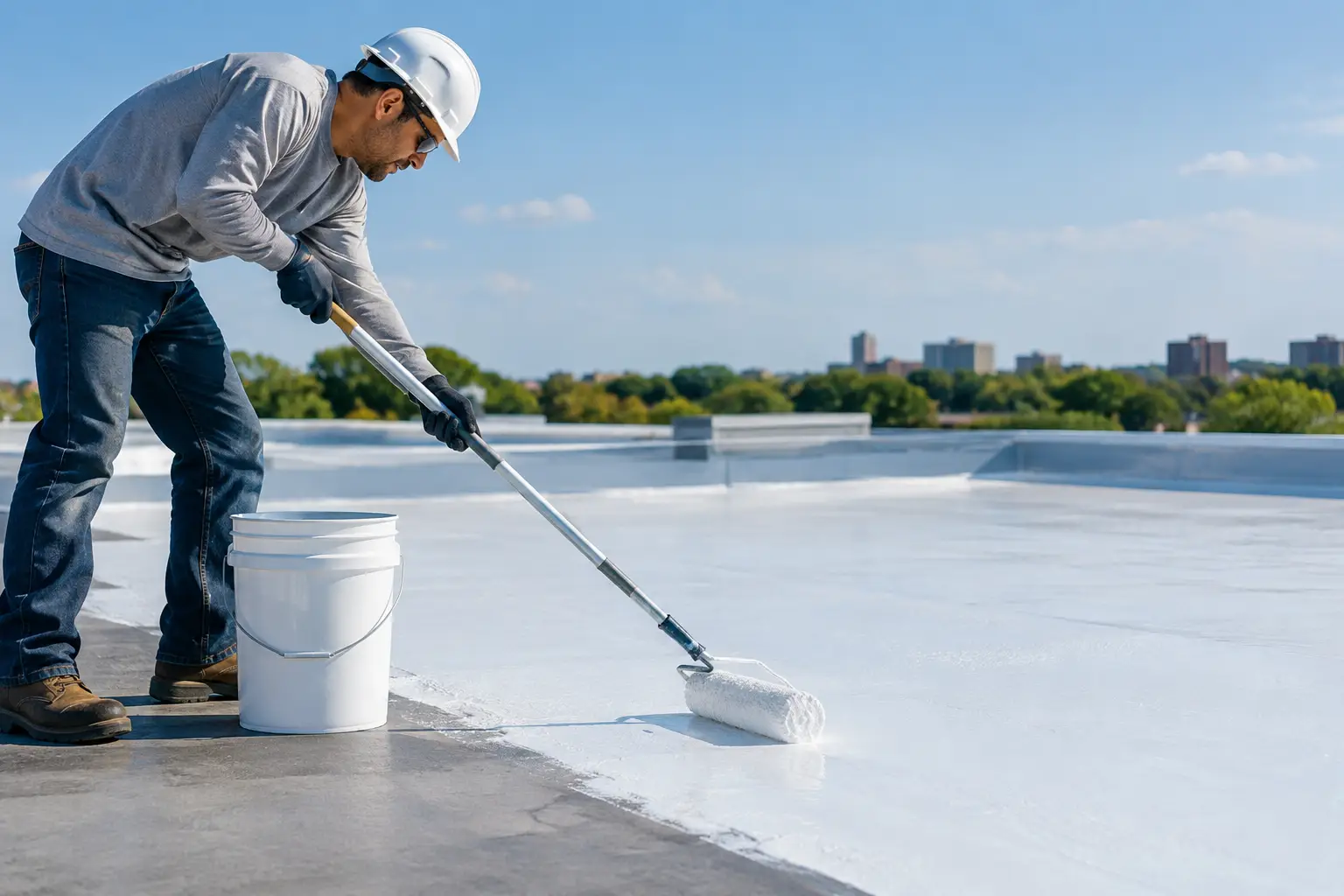
Roof coatings can stop certain active leaks and reduce the risk of new ones by creating a continuous waterproof layer across the roof surface. They are most effective on low-slope roofs that remain structurally sound but have begun to show signs of weathering, such as minor cracking, worn protective surfacing, or small openings around details.
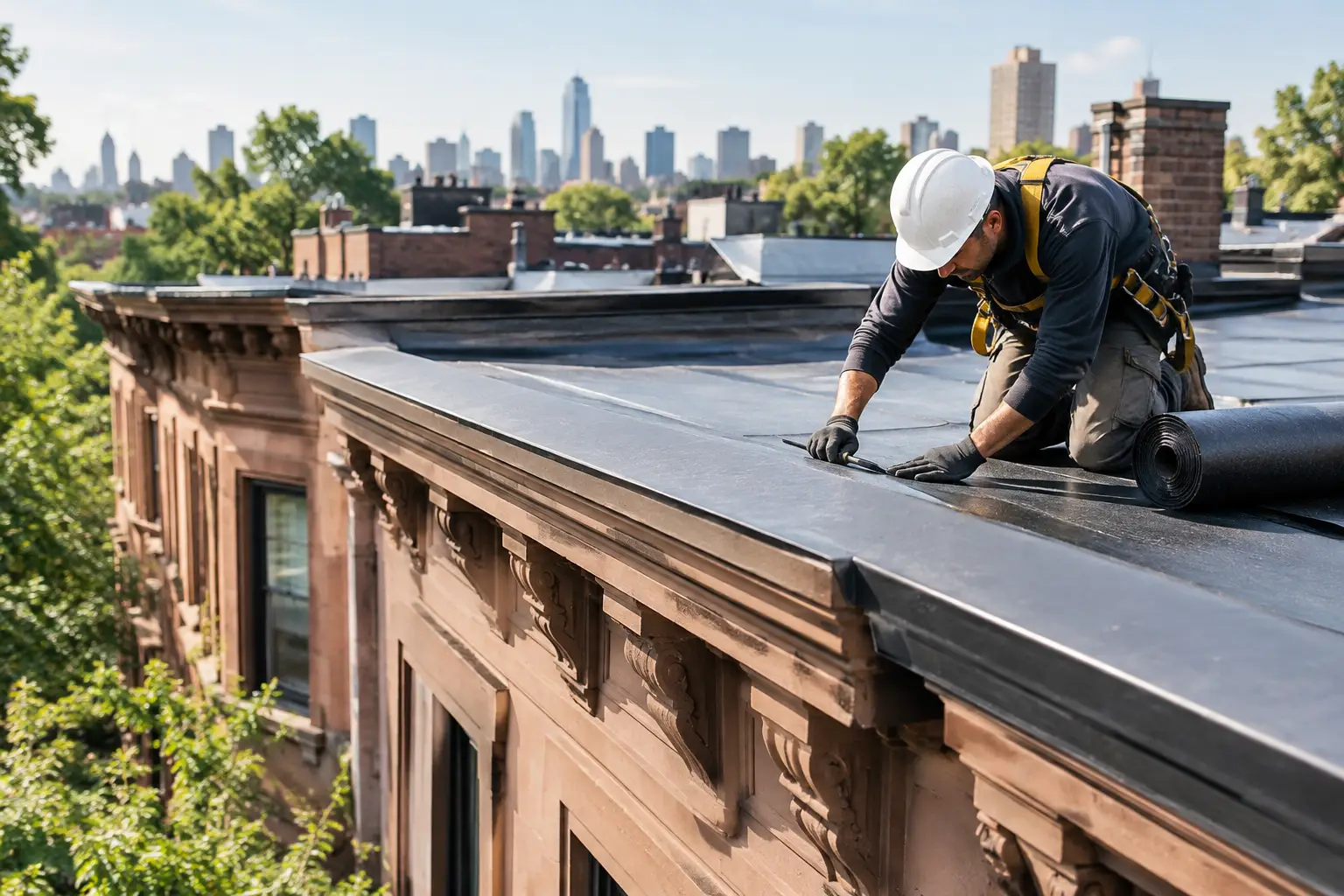
Many commercial buildings, multifamily properties, and row homes in New York City have flat or low-slope roofs. These roofs deal with standing water, snow, summer heat, wind-driven rain, and constant expansion and contraction. Over time, the surface can lose flexibility or develop weak points. A liquid-applied coating can restore protection when the underlying membrane is still in serviceable condition.
That condition is the key. Coating a roof does not repair rotten decking, replace failed insulation, correct a collapsed drain, or reconnect loose flashing. Those problems need to be addressed before any coating goes on.
When a Roof Coating Is a Smart Repair Option
A professional inspection should come first, but coatings are often a practical option when the roof has limited, repairable leaks and the existing system is dry and stable. For example, a roof with an aging surface but no widespread membrane failure may be a good candidate after repairs are made at seams, penetrations, drains, and perimeter edges.
Coatings can also be useful as part of a planned roof restoration. Instead of waiting for a leak to become an interior emergency, an owner can renew the surface and extend the usable life of the existing roof. This can be especially valuable for buildings where a full tear-off is not yet necessary or where owners need to manage capital costs responsibly.
Reflective coatings may also reduce heat absorption. On a roof exposed to direct summer sun, that can help limit temperature stress on the roofing material. It is a benefit, but it should not be the only reason to choose a coating. Waterproofing performance, adhesion, drainage, and roof condition should drive the decision.
The Roof Must Be Dry and Sound
Water trapped beneath an existing membrane will not disappear because a new coating is applied on top. In fact, sealing moisture into the system can lead to blistering, poor adhesion, and continued deterioration below the surface.
Before coating work begins, a contractor should identify wet areas, damaged sections, open seams, deteriorated flashings, and drainage failures. Repairs may include replacing compromised material, reinforcing transitions, resealing penetrations, and correcting areas where water ponds for long periods.
Surface Preparation Decides Whether It Lasts
A coating is only as reliable as the surface it bonds to. Dirt, loose gravel, chalking, grease, mildew, and residual moisture can all interfere with adhesion. Proper preparation may involve cleaning, drying, priming, detail repairs, and reinforcing fabric at vulnerable areas.
This is why a low price based only on square footage can be misleading. The coating material is one part of the job. The labor required to prepare the roof correctly is what determines whether the finished system performs through heavy rain and winter weather.
When Coating Over a Leak Is the Wrong Move
Some leaks call for repairs or replacement, not a coating. If the roof has widespread cracking, recurring leaks in multiple areas, soft spots, significant membrane separation, or saturated insulation, coating over it may only delay necessary work.
The same is true when drainage is the main problem. Standing water can shorten the life of many roofing systems and place extra stress on seams and flashings. A coating may offer added water resistance, but it will not make water flow toward a clogged drain or fix an improperly sloped roof.
Owners should also be careful with roofs near the end of their service life. Spending money on a coating may not make sense if a full replacement is likely within a short period. An honest assessment should compare the roof’s remaining life, the extent of repairs needed, the condition below the membrane, and the cost of replacement versus restoration.
What Roof Coatings Can and Cannot Do
A roof coating can form a waterproof barrier, bridge small surface imperfections, protect the existing roof from UV exposure, and extend service life when the roof is a suitable candidate. It can be an efficient restoration tool for the right building.
It cannot replace missing flashing, repair structural damage, solve major ponding issues, or restore a membrane that has failed throughout the roof. It also cannot compensate for rushed preparation or application during unsuitable weather.
Different coating materials perform differently. Acrylic coatings are often valued for reflectivity and cost, but they may not be the best choice for roofs with persistent ponding water. Silicone coatings handle standing water well in many applications, while polyurethane systems can offer strong durability in high-traffic areas. The existing roof material – such as modified bitumen, EPDM, TPO, metal, or built-up roofing – also affects which product and preparation method are appropriate.
There is no single coating that is best for every NYC roof. The right system depends on what is already on the building, where the water is entering, and how the roof handles drainage.
How to Tell If Your Leak May Be Coating-Eligible
Interior water does not always appear directly below the leak. Water can travel along decking, insulation, pipes, or framing before it reaches the ceiling. That is why the visible stain is a starting point, not a diagnosis.
Look for recurring leaks after wind-driven rain, small cracks in the roof surface, worn areas around vents or HVAC supports, separated seams, loose edge metal, and deteriorated flashing. On flat roofs, note areas where water remains more than 48 hours after rainfall. Take photos if it is safe to do so, but avoid walking on a wet or damaged roof.
A qualified contractor should inspect the roof surface and the building conditions around it. The goal is to identify the source, not just treat the symptom. For property managers and landlords, clear photos and a straightforward explanation of the roof condition make it easier to decide whether targeted repair, restoration coating, or replacement is the responsible next step.
Why Professional Installation Matters in New York City
New York City roofs face conditions that expose weak workmanship quickly. Freeze-thaw cycles can widen small cracks. Heavy rain can overwhelm drains. Summer heat can stress materials, while wind can work on flashing and perimeter details.
A coating project should be planned around suitable weather, proper cure times, roof access, drainage, and applicable building requirements. On larger commercial or multifamily properties, the work may also need coordination around tenants, rooftop equipment, and ongoing building operations.
Global City Restoration approaches roof leak work by looking at the full system: the membrane, seams, flashings, drains, penetrations, and the condition beneath the surface. That practical approach helps owners avoid paying for a cosmetic fix when the roof needs a real repair.
If your roof has a small, isolated leak and the system is otherwise sound, a professionally installed coating may be a cost-effective layer of protection. If water is trapped below the surface or the roof is failing in several places, the smarter move is to repair the cause first. Acting before the next hard rain gives you more options, better control of costs, and a better chance of keeping a roof problem from becoming an interior damage problem.