A flat roof in New York City usually does not fail all at once. It starts with a stain on the top-floor ceiling, bubbling near a seam, a soft spot around a drain, or water sitting too long after a storm. That is why flat roof repair NYC owners need is rarely just about patching a leak. It is about finding the real point of failure, fixing it correctly, and protecting the rest of the building before the damage spreads.
In the city, flat and low-slope roofs take a beating. Snow sits, heat bakes the membrane, drains clog, foot traffic adds wear, and older repairs can break down long before the roof system itself is done. A quick fix has its place in an emergency, but many leaks come back because the source was misread or the repair never addressed drainage, flashing, or wet insulation below the surface.
Why flat roofs in NYC fail differently
A flat roof in a suburban setting and a flat roof in the Bronx or elsewhere in the five boroughs do not age the same way. City roofs deal with tighter drainage layouts, more rooftop equipment, more penetrations, and more foot traffic from service crews. Even a small issue around an HVAC curb or pipe boot can turn into recurring interior damage if water has nowhere to go.
Ponding water is one of the biggest problems. Despite the name, a flat roof is not truly flat. It should move water toward drains, scuppers, or gutters. When that slope is compromised, even slightly, standing water starts to wear on seams, flashing, and membrane surfaces. In winter, that same water can freeze, expand, and make weak spots worse.
Age matters too, but age alone does not tell the whole story. An older EPDM or built-up roof may still have years left if the field membrane is sound and the insulation below is dry. A newer roof can still develop serious issues if the original workmanship was poor, the drainage was undersized, or repairs were done with mismatched materials.
Flat roof repair NYC owners often need most
Most service calls fall into a few categories, but the right repair depends on what is happening below the visible surface. A leak around a parapet wall can look minor from the inside, yet the actual issue may involve failed cap flashing, open seams, or water traveling through insulation before it shows up indoors.
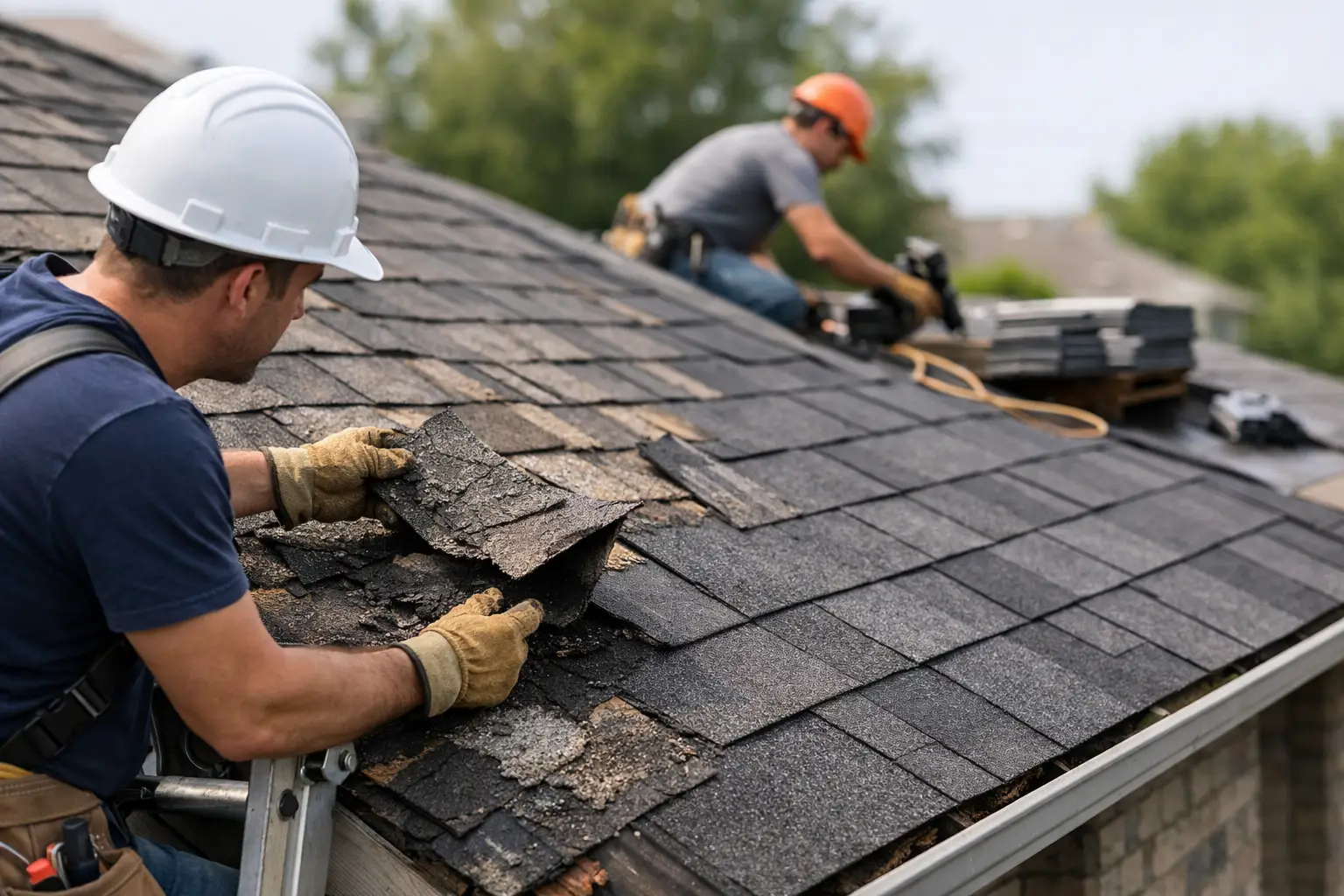
Common repair work includes membrane patching, seam repair, flashing replacement, drain correction, blister repair, and replacement of saturated insulation. On some roofs, the damaged area is isolated and a focused repair makes financial sense. On others, the leak is only one symptom of a wider failure pattern. That is when a patch stops being a solution and starts becoming a delay.
For property owners, the key question is not just, Can this be repaired? The real question is, Will this repair hold through the next stretch of heavy rain, heat, and freeze-thaw cycles? Honest roofing contractors answer that question clearly, even when the answer is that a larger section needs to be rebuilt.
Leaks around seams and flashing
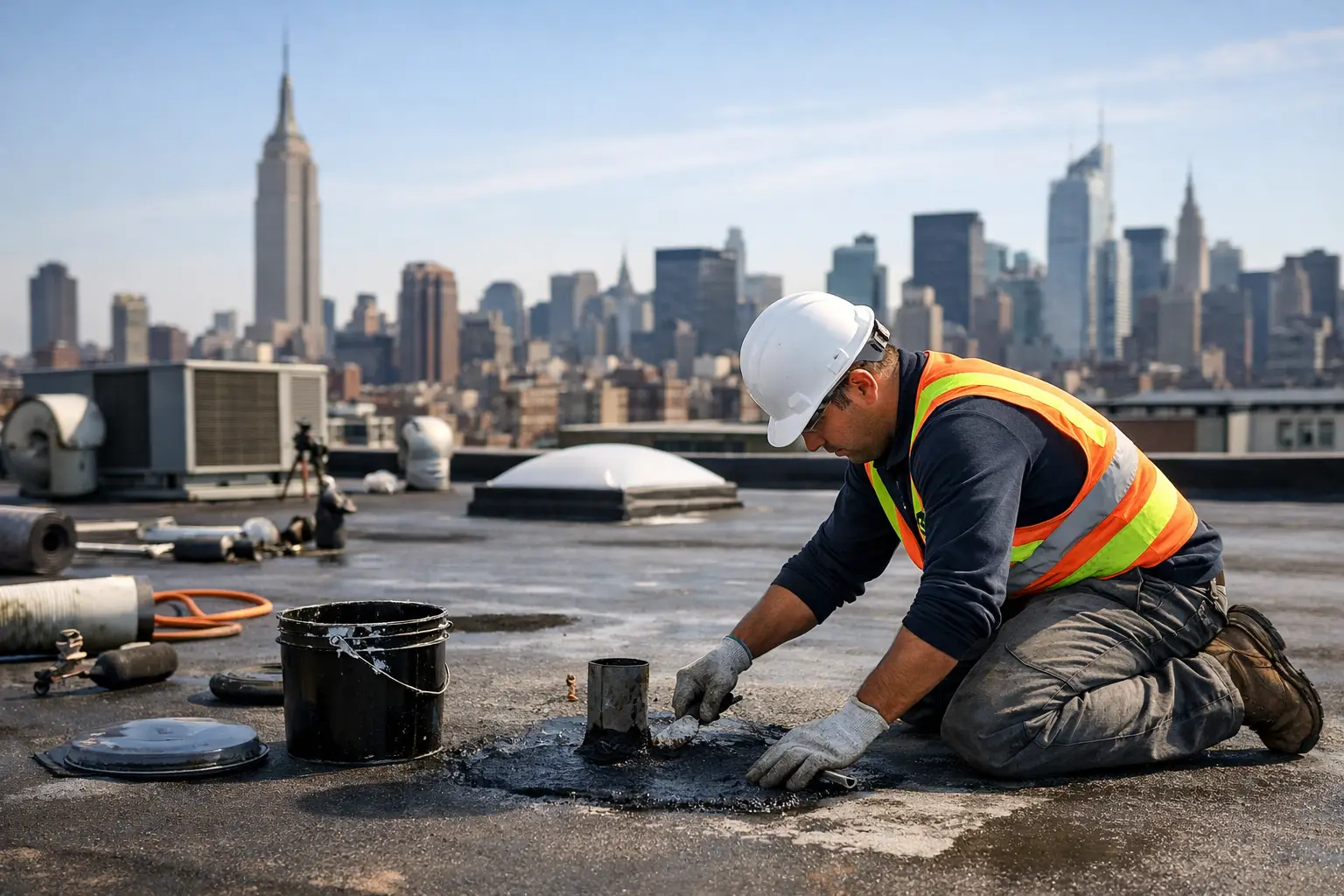
Seams and flashing details are common weak points because they move, expand, and shrink with the weather. On TPO or EPDM roofs, seam separation can let water in even when the rest of the membrane still looks acceptable. Around skylights, vents, HVAC units, and parapet walls, flashing failures often happen before the main field membrane fails.
These repairs need clean prep and compatible materials. Smearing roof cement over a membrane roof might slow water briefly, but it is not the same as a proper system repair. In some cases, that kind of shortcut makes later repairs harder and more expensive.
Ponding water and drainage problems
If water sits on a roof for more than 48 hours after rainfall, that should be investigated. Sometimes the problem is a blocked drain or debris buildup. Sometimes the issue is structural settling or compressed insulation that changed the slope over time.
Drainage correction may involve clearing lines, adjusting strainers, rebuilding low areas, or replacing damaged sections so water can move properly again. Repairing the membrane without addressing ponding is usually temporary. The same stress stays in place, and the leak often returns.
Surface damage and hidden moisture
Cracks, punctures, blisters, and open laps can often be repaired if caught early. The bigger concern is what happened underneath. Once insulation gets wet, it loses performance and can continue spreading moisture through surrounding areas. That trapped moisture can weaken adhesion, accelerate deterioration, and create mold concerns inside the building.
This is why a proper inspection matters. Visible damage is only part of the picture. A roof can look decent from ten feet away and still have saturated sections that need to be cut out and rebuilt.
Repair or replacement depends on the roof, not just the budget
Every owner wants to avoid replacing a roof before it is necessary. That is reasonable. Good contractors should help you get the most life out of your current system when repair is still the smart move.
But there is a point where repeated patching costs more than it saves. If leaks are happening in multiple areas, if the membrane is brittle across wide sections, or if insulation is wet in too many locations, a targeted repair may not protect the property for long. In those cases, spending less today can mean spending more after the next storm.
A practical recommendation weighs the full condition of the roof, not just the most visible leak. It should also account for occupancy. A small issue over a storage area is different from an active leak over apartments, offices, inventory, or electrical work. The risk profile matters.
What a proper flat roof repair process looks like
Good flat roof repair is methodical. First comes inspection, including seams, penetrations, drains, parapet details, and signs of trapped moisture. Then comes a clear explanation of what failed, what can be repaired, and what should be watched going forward.
From there, the repair scope should match the roofing system. EPDM, TPO, modified bitumen, and built-up roofing each need the correct repair method and materials. Mixing products carelessly is one of the fastest ways to shorten the life of a repair.
For city property owners, communication is a big part of the job. You should know what was found, what is being repaired, and whether there are larger concerns beyond the immediate leak. Many owners also want photos, especially for tenant-occupied or commercial buildings where documentation matters. That is a reasonable expectation.
When the work is complete, the repaired area should be watertight, secure, and consistent with the surrounding system. If related issues are present, such as failing drains or weakened flashing nearby, those should be addressed or at least documented so they do not become the next emergency call.
Why timing matters more than many owners think
Roof leaks almost always cost less to address early. Water intrusion does not stay in one place. It can damage ceilings, walls, insulation, framing, flooring, electrical components, and finishes. In multi-family and mixed-use buildings, one roof issue can become several tenant complaints fast.
The other timing issue is scheduling. Emergency service is necessary sometimes, especially after storms, but planned repairs usually allow for better diagnosis and more durable work. If your roof has shown signs of recurring trouble, waiting for the next major leak rarely improves the outcome.
In NYC, seasonal weather makes that even more important. Summer heat stresses membranes and seams. Winter exposes drainage weaknesses and flashing failures. Spring and fall are often when owners realize a minor issue turned into a bigger one.
Choosing a contractor for flat roof repair NYC work
Not every roofer is strong on flat systems, and not every repair crew is set up for the realities of New York buildings. Experience with low-slope roofing, drainage, waterproofing details, and code-compliant work matters. So does being licensed, insured, and organized enough to manage access, safety, and tenant or business coordination.
A dependable contractor should be direct about what is urgent, what is repairable, and what is not worth patching again. They should also understand that owners are balancing cost, disruption, and long-term protection. At Global City Restoration, that practical approach is what property owners expect, especially when leaks need fast action without guesswork.
If your flat roof is showing signs of trouble, the best next step is not to hope it dries out on its own. It is to get clear eyes on the roof, fix what is actually failing, and protect the building before a manageable repair turns into interior damage, tenant issues, or a larger capital project.