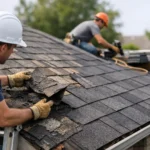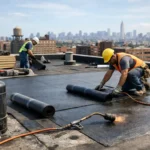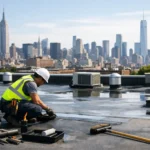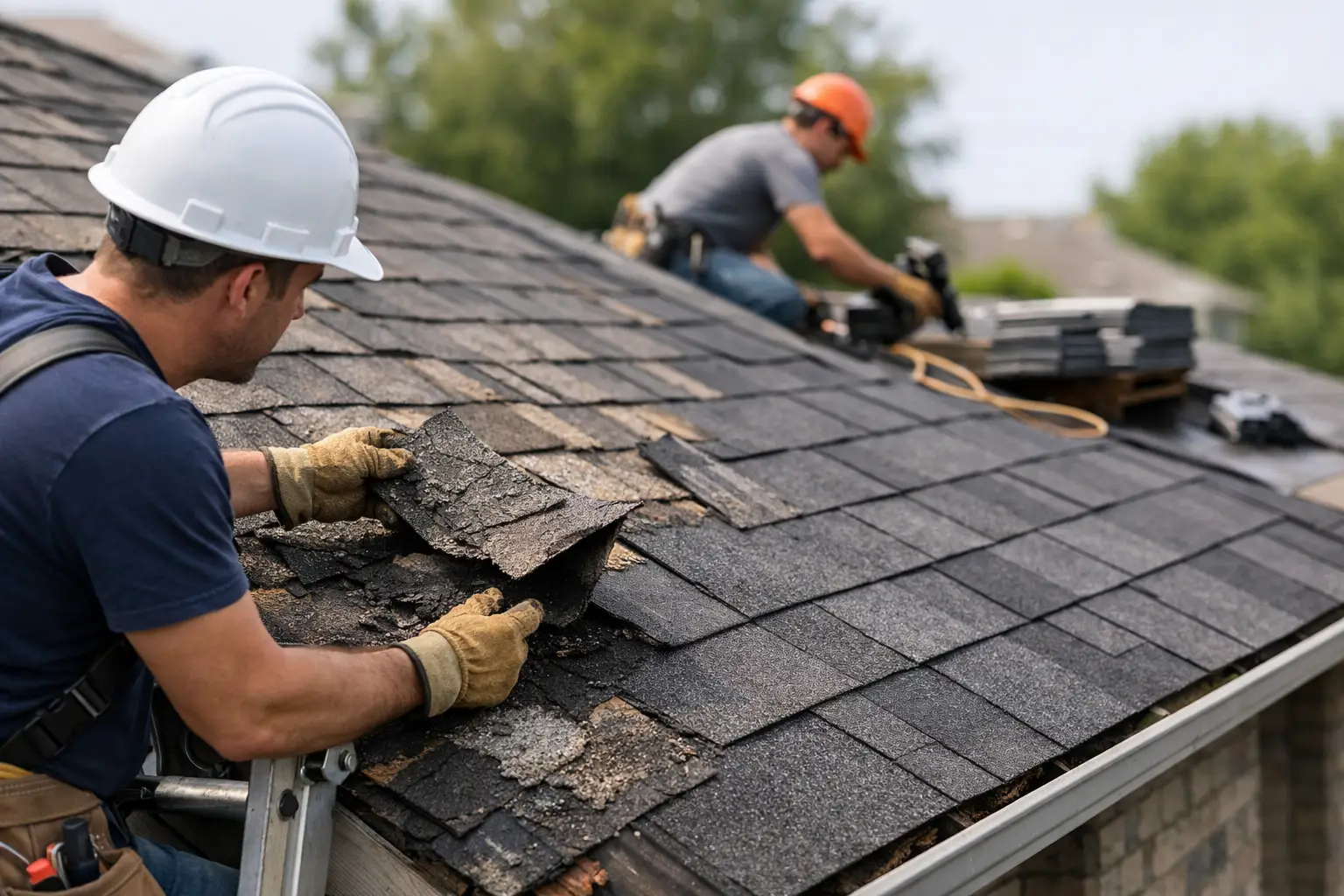
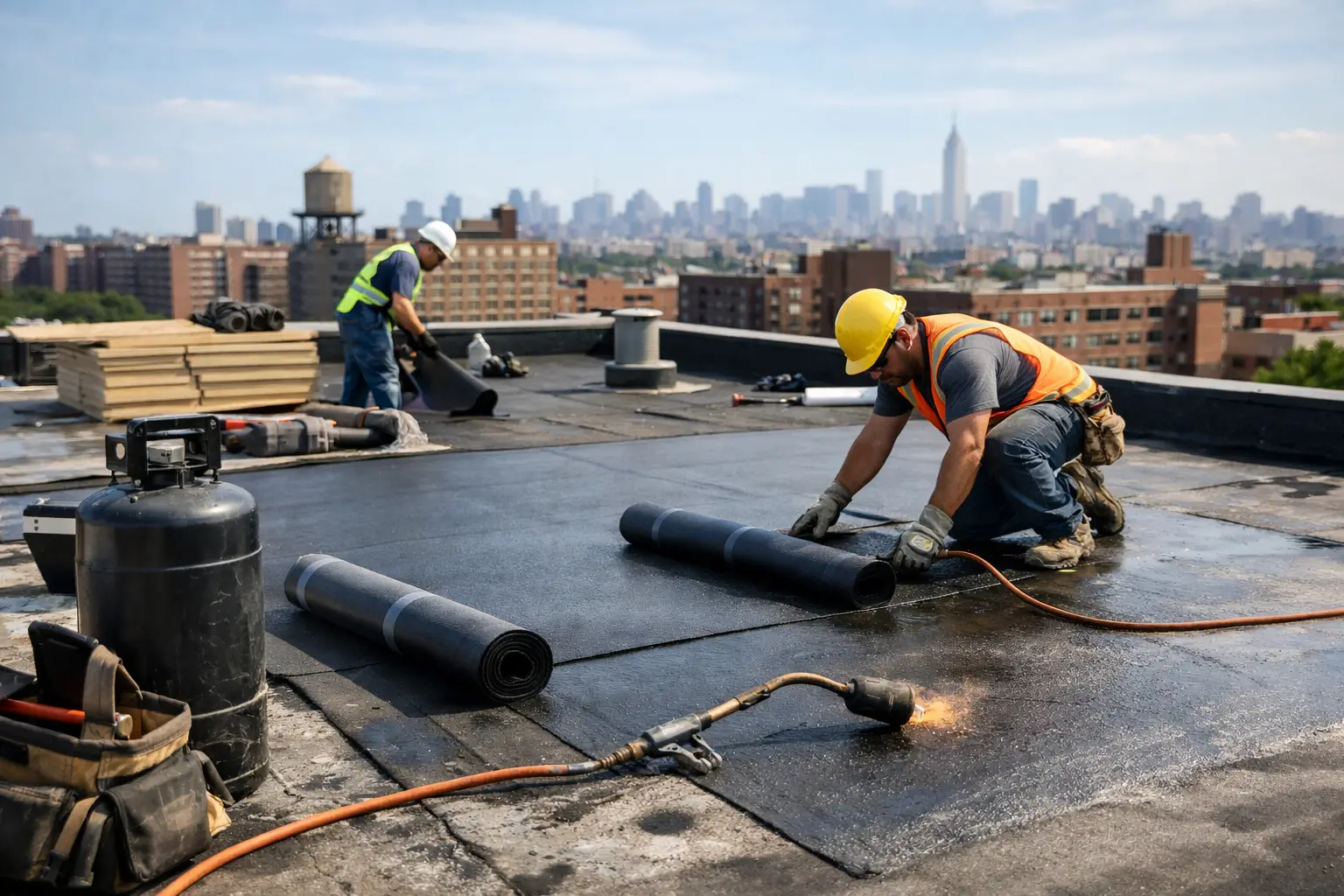
A flat roof in the Bronx usually does not fail all at once. It starts with ponding water after a hard rain, blistering around seams, soft spots underfoot, or a stain on the top-floor ceiling that keeps coming back even after repairs. When those signs pile up, flat roof replacment in Bronx becomes less about convenience and more about protecting the building before damage spreads into insulation, masonry, framing, and interior finishes.
For homeowners, landlords, and commercial property owners, the real question is not just whether the roof leaks. It is whether the current system still makes financial sense to keep patching. In many Bronx buildings, especially older row houses, mixed-use properties, and multifamily structures, repeated repairs can cost more over time than installing a new roof system built for local weather and drainage conditions.
When flat roof replacment in Bronx makes more sense than repair
A repair is the right move when the issue is isolated and the rest of the roofing system is still sound. A single puncture, a limited seam separation, or flashing damage around one penetration can often be handled without replacing the full roof. But there is a line where repairs stop being efficient.
If the roof is near the end of its service life, leaks are showing up in multiple areas, or water is getting trapped below the membrane, replacement usually becomes the smarter long-term decision. The same goes for roofs with chronic ponding water, major blistering, widespread surface cracking, or saturated insulation. Once moisture is working below the top layer, patching the visible problem may not address the real one.
In the Bronx, low-slope roofs take a beating from freeze-thaw cycles, summer heat, wind-driven rain, and snow load. Add clogged drains or poor original slope, and a roof can age fast. A contractor should inspect not only the membrane, but also the decking condition, flashing details, edge metal, drainage points, and any signs that the roof system has been patched too many times to stay reliable.
What a replacement actually includes
Some property owners hear “roof replacement” and assume it always means tearing everything off down to bare deck. Sometimes that is exactly what is needed. Other times, the condition of the existing assembly allows for a more targeted approach. The right scope depends on moisture levels, the number of existing roof layers, deck condition, and local code requirements.
A proper replacement usually starts with a full inspection. That includes identifying active leaks, checking for trapped moisture, reviewing drainage performance, and documenting weak points around curbs, skylights, vents, parapet walls, and roof edges. From there, the contractor can determine whether the project needs a full tear-off, partial deck replacement, insulation upgrades, or improved drainage corrections.
This matters because a new membrane alone will not fix a bad substrate or poor drainage layout. If water sits on the roof for long periods, the replacement plan should address slope and drainage, not just surface material. Good roofing work is not about making the roof look new for a week. It is about building a system that handles New York weather year after year.
Best material options for a Bronx flat roof
Not every flat roofing material performs the same way, and not every building needs the same system. The right choice depends on budget, building use, exposure, foot traffic, and how long you plan to hold the property.
EPDM
EPDM is a durable rubber roofing membrane that performs well on many low-slope roofs. It is known for weather resistance and can be a solid option when a property owner wants a dependable system without paying for premium heat-welded materials. It handles temperature swings well, but installation quality still matters, especially at seams and flashing details.
TPO
TPO is popular for flat roof replacement because it offers strong seam performance and reflective properties that can help with heat exposure. On buildings that take direct sun all day, this can be a practical advantage. TPO is often a good fit for owners who want a clean, modern membrane system with solid energy performance.
Modified bitumen and hot roofing
These systems still have a place, especially on buildings where layered protection and proven durability matter. Some owners prefer them because they are familiar and have a long track record in New York City. They can perform very well, but they are not one-size-fits-all. Installation methods, roof access, and building conditions all affect whether they are the best match.
A dependable contractor should explain the trade-offs clearly. Lower material cost does not always mean lower lifetime cost. The cheapest option on day one can become expensive if it requires more frequent repair or does not suit the building.
What affects the cost of flat roof replacement
The price of a flat roof replacement is shaped by more than square footage. Roof size matters, but so do tear-off requirements, deck repairs, insulation thickness, access limitations, parapet wall detail work, drain replacement, and the membrane selected.
In the Bronx, logistics can raise or lower the job cost. A building with tight street access, limited staging area, or difficult debris removal takes more labor and planning than one with easy access. If the roof has multiple penetrations, heavy equipment, old patch layers, or damaged decking, that changes the scope too.
Property owners should be careful with unusually low estimates. A low number can mean corners are being cut on insulation, flashing work, or cleanup. It can also mean the contractor is not accounting for hidden damage that shows up after tear-off. Honest estimating means explaining what is included, what is assumed, and where conditions could change the price if concealed damage is found.
How the project should be managed
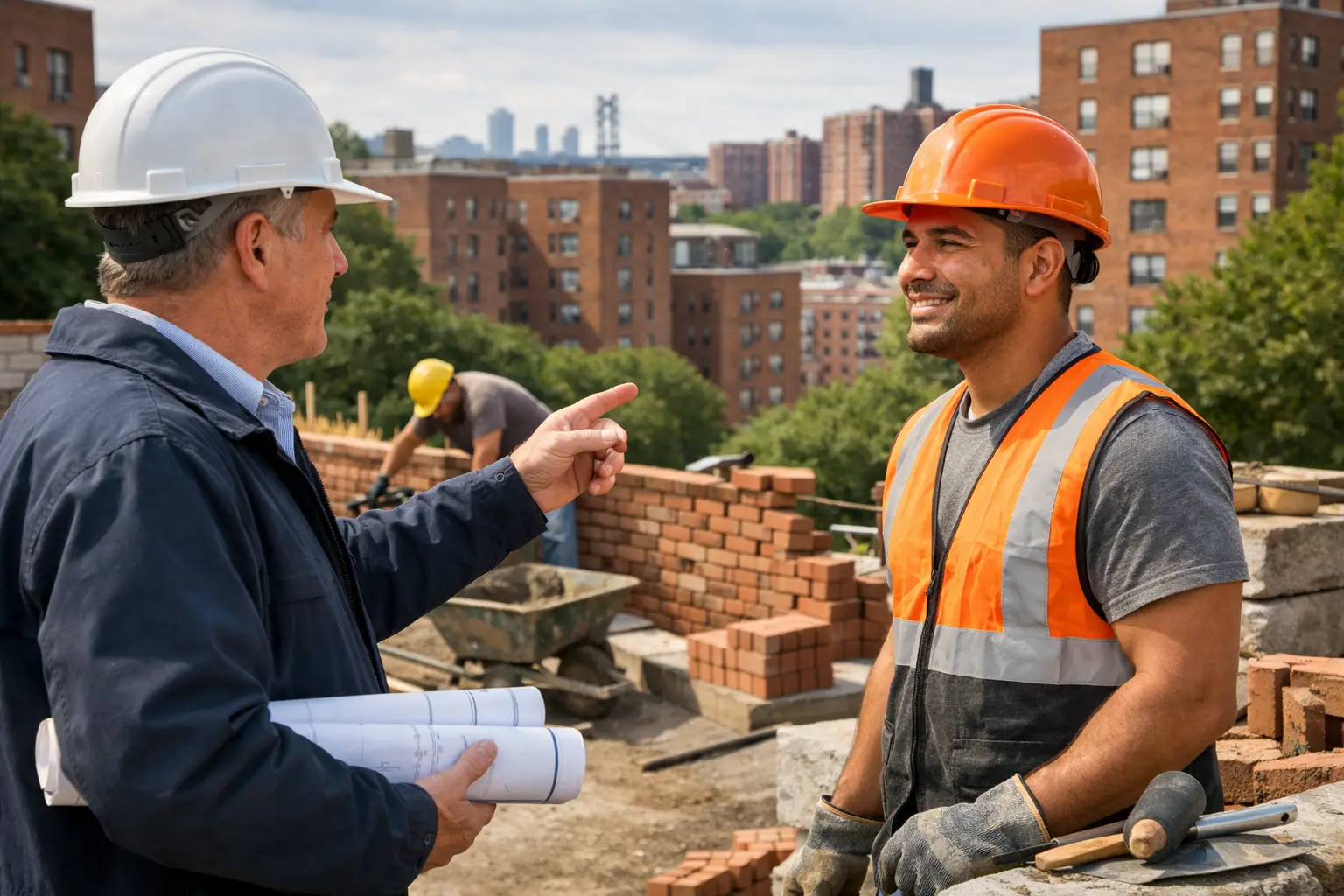
A roof replacement should not feel disorganized. Good project management is a big part of protecting the property while work is underway. The contractor should explain the schedule, access needs, noise expectations, debris handling, and weather planning before the first day of work.
For occupied residential or commercial buildings, communication matters just as much as installation. Property owners and managers need to know who is overseeing the job, how issues will be documented, and what happens if rain threatens before the system is fully closed in. Photos, clear updates, and one point of contact make a big difference.
This is where experienced local crews stand out. They know how to work around tight city conditions, protect surrounding areas, and keep the project moving without creating unnecessary disruption. Global City Restoration, for example, uses dedicated project oversight because roofing jobs move better when one person is accountable for communication and quality control.
Code compliance and why it matters
In New York City, roofing work is not just about materials. It also has to meet code requirements related to installation, insulation, drainage, and permitted work where applicable. Skipping that part can create bigger problems later, especially if you plan to sell, refinance, or deal with insurance documentation.
Code-compliant work also protects the building itself. Proper fastening, flashing details, and drainage design are not paperwork issues. They are performance issues. A roof that is installed the right way stands a better chance against wind uplift, water intrusion, and premature failure.
If a contractor avoids questions about licensing, insurance, warranties, or permits, that is a red flag. A serious roofing company should be ready to answer those questions directly and document the scope clearly.
How to know you are hiring the right contractor
The best roofing contractor is not the one with the fastest sales pitch. It is the one who can show you exactly what is wrong, explain the replacement options in plain language, and back the work with a real warranty. You want a company that understands low-slope roofing, urban building conditions, and the difference between a short-term patch and a lasting solution.
Ask how they inspect for hidden moisture. Ask what happens if damaged decking is found. Ask who will manage the job and how they handle weather delays. If the answers are vague, keep looking.
A reliable contractor should make the process feel clear, not confusing. They should tell you what your roof needs, what it does not need, and what can wait if the budget has limits. That kind of honesty matters when you are making a major investment in your property.
A flat roof protects more than the top of your building. It protects rent rolls, business operations, stored belongings, finished interiors, and the value of the property itself. If your current roof is failing in stages, waiting usually makes the final bill worse. The right replacement, done at the right time, gives you back control before the next storm tests everything overhead.