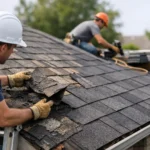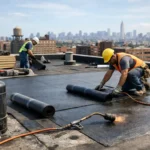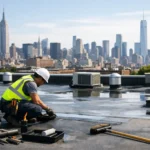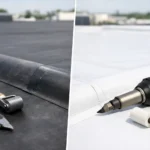
A cracked parapet wall does not stay a small problem for long. In the Bronx, one bad freeze-thaw cycle, one heavy rain, or one season of ignored water entry can turn loose mortar and shifting brick into a bigger repair that affects the roofline, facade, and interior walls. That is why property owners searching for masonary contracrors in Bronx are usually not browsing casually. They are trying to protect a building before damage spreads.
Masonry work in New York is rarely cosmetic only. On many homes, mixed-use buildings, and multifamily properties, brick, block, stone, stucco, lintels, coping, and parapet walls all play a direct role in keeping water out and keeping the structure safe. If the work is done right, the building stays tighter, stronger, and easier to maintain. If the work is rushed or patched without a real plan, the same problem tends to come back.
What good masonry work really means
A lot of owners think masonry starts and ends with replacing damaged brick or filling joints. In practice, good masonry repair is about diagnosing movement, moisture, and surface wear correctly before anyone starts opening walls or applying new material. A clean-looking repair is not always a lasting repair.
For example, deteriorated mortar joints may point to age, but they may also point to chronic water exposure from roof edge failures, missing coping protection, poor drainage, or cracks around window heads. Spalled brick may be caused by trapped moisture, not just old materials. A leaning parapet may signal structural stress that should not be handled like a simple cosmetic patch.
That is why experienced contractors inspect the surrounding conditions, not just the visible damage. On Bronx buildings especially, exterior systems work together. Roofing, waterproofing, flashing, drainage, and masonry all affect one another.
Why masonary contracrors in Bronx need local building experience
Bronx properties deal with conditions that punish exterior walls year after year. Older brick buildings, attached row structures, mixed-use storefronts, and multifamily homes often have layers of past repairs. Some were done well. Some were not. Matching materials, understanding local construction types, and identifying hidden water paths matter more here than on a brand-new standalone structure.
A contractor with real local experience knows what repeated winter expansion can do to mortar joints. They know that a roof leak may show up as masonry staining. They know that parapet deterioration can become a safety issue fast. They also know how code compliance, access, and job sequencing affect pricing and timelines in New York City.
That experience helps avoid the common mistake of treating symptoms only. If masonry is repaired but the roof edge still allows water behind the wall, the building owner pays twice.
What to look for before hiring
The first thing to look for is clarity. A dependable contractor should be able to show you what is failing, explain why it is happening, and tell you what the repair includes. If the explanation is vague, the proposal is vague too, and vague proposals usually lead to change orders, delays, or incomplete repairs.
Licensing and insurance matter for obvious reasons, but they are not the whole story. You also want a contractor who understands exterior envelope work as a system. That is especially important when masonry damage sits near roofing, coping stones, gutters, leaders, flashing, or waterproofed wall sections.
Photos help. A written scope helps more. You should know whether the job includes demolition of loose material, repointing, brick replacement, crack repair, parapet stabilization, lintel work, waterproofing treatment, cleanup, and final inspection. If matching existing materials matters for appearance or landmark-style character, that should be discussed before work begins, not halfway through the project.
The repairs owners ask for most
Most masonry calls start with visible warning signs. Cracks in mortar joints, bulging or bowing brick sections, loose parapets, water stains on interior walls, and pieces of masonry falling to the sidewalk are hard to ignore. But some of the most expensive problems begin more quietly.
Small joint failure can let water enter behind the facade. Once that happens, freeze-thaw cycles can push out brick faces and weaken surrounding sections. Damaged coping or capstones can send water directly into parapet walls. Rusting steel lintels over windows can expand and crack nearby masonry. In older buildings, one failing area often puts pressure on the next.
That is why a proper inspection matters. A targeted repair may be enough in some cases. In others, partial rebuilds, coordinated waterproofing, or roof edge corrections are the smarter investment.
Repair or replace? It depends on the damage
Not every masonry problem calls for a major rebuild. If the issue is limited to worn mortar joints in otherwise sound brickwork, repointing may restore performance and extend service life. If a few bricks are spalled from localized water exposure, selective replacement can be a practical fix.
But there are cases where patching is a short-term move with a short-term outcome. If the wall section is unstable, the parapet has shifted, or moisture has been trapped behind the facade for years, replacement of damaged sections may be safer and more cost-effective than repeating spot repairs.
This is where honest guidance matters. A trustworthy contractor will not push a larger job if a smaller one will hold. At the same time, they should not sell a cheap patch when the structure is telling you something more serious is going on.
How masonry connects to roofing and waterproofing
Property owners often separate masonry problems from roofing problems because the damage shows up in different places. The building does not separate them. Water moves wherever it can.
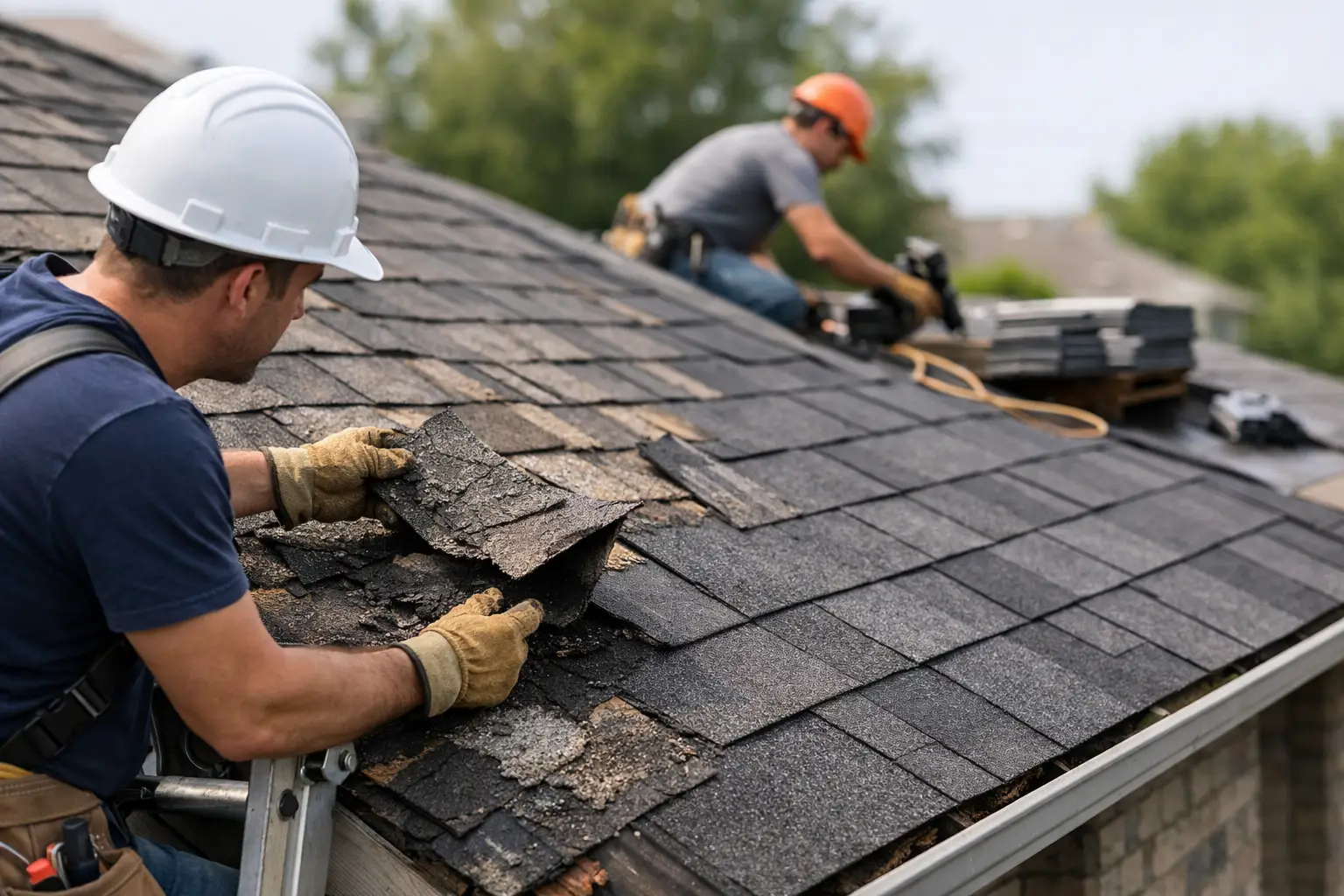
A failing roof edge can saturate a parapet wall. Bad flashing can feed moisture into brick cavities. Blocked drainage can keep wall sections wet longer than they should be. When masonry absorbs that moisture and temperatures drop, deterioration speeds up.
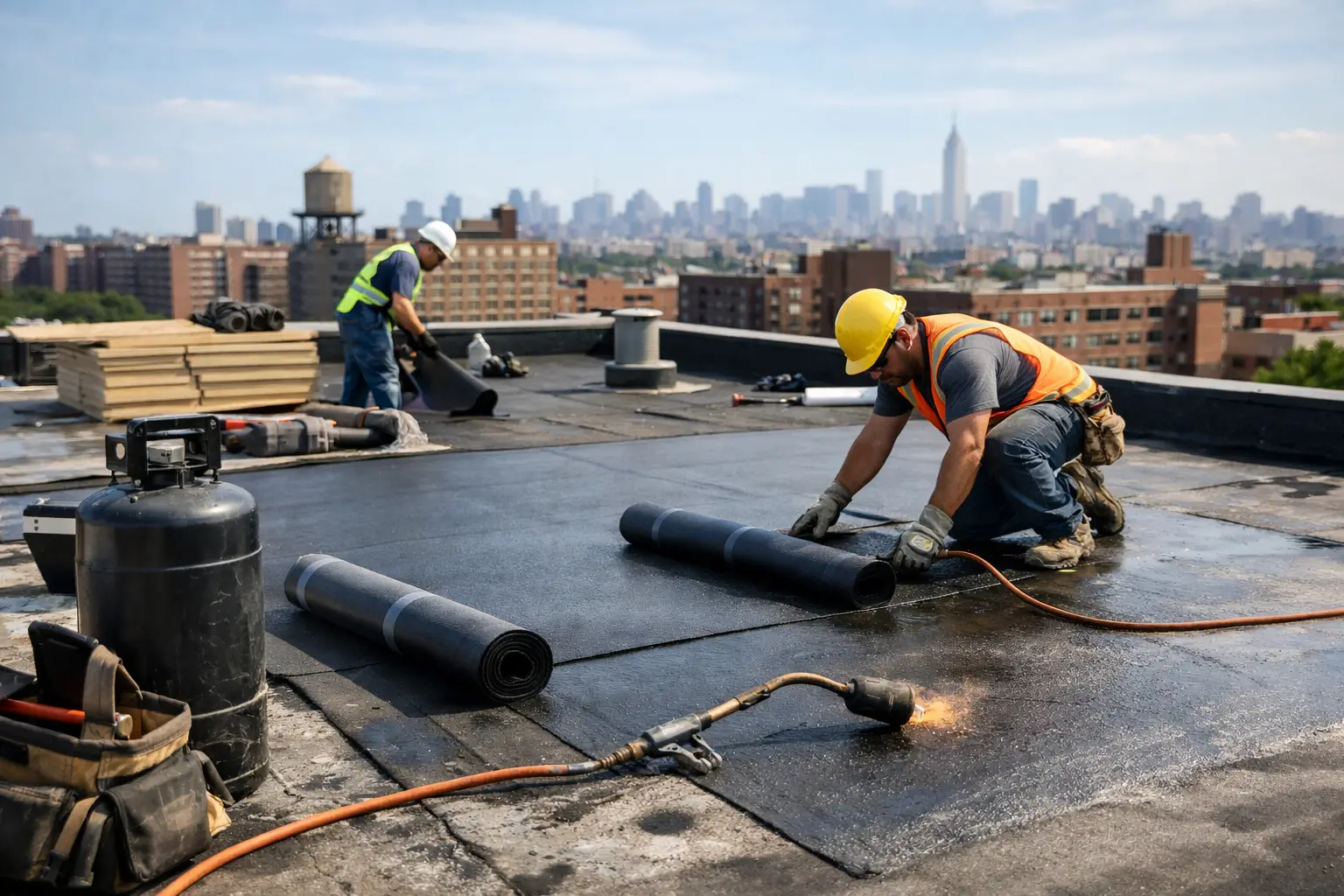
This is one reason full-service exterior contractors often bring more value to the job. They can identify whether the brick issue is really a roof transition issue, a coping issue, or a waterproofing issue. Global City Restoration works from that practical mindset because protecting the property means solving the source, not just the surface.
Questions worth asking during an estimate
When you meet with contractors, ask how they determined the cause of the damage. Ask whether the repair addresses water entry or only visible deterioration. Ask what materials they plan to use and how they will match existing conditions. If the work is near the roofline, ask whether flashing, coping, drainage, or waterproofing should be corrected at the same time.
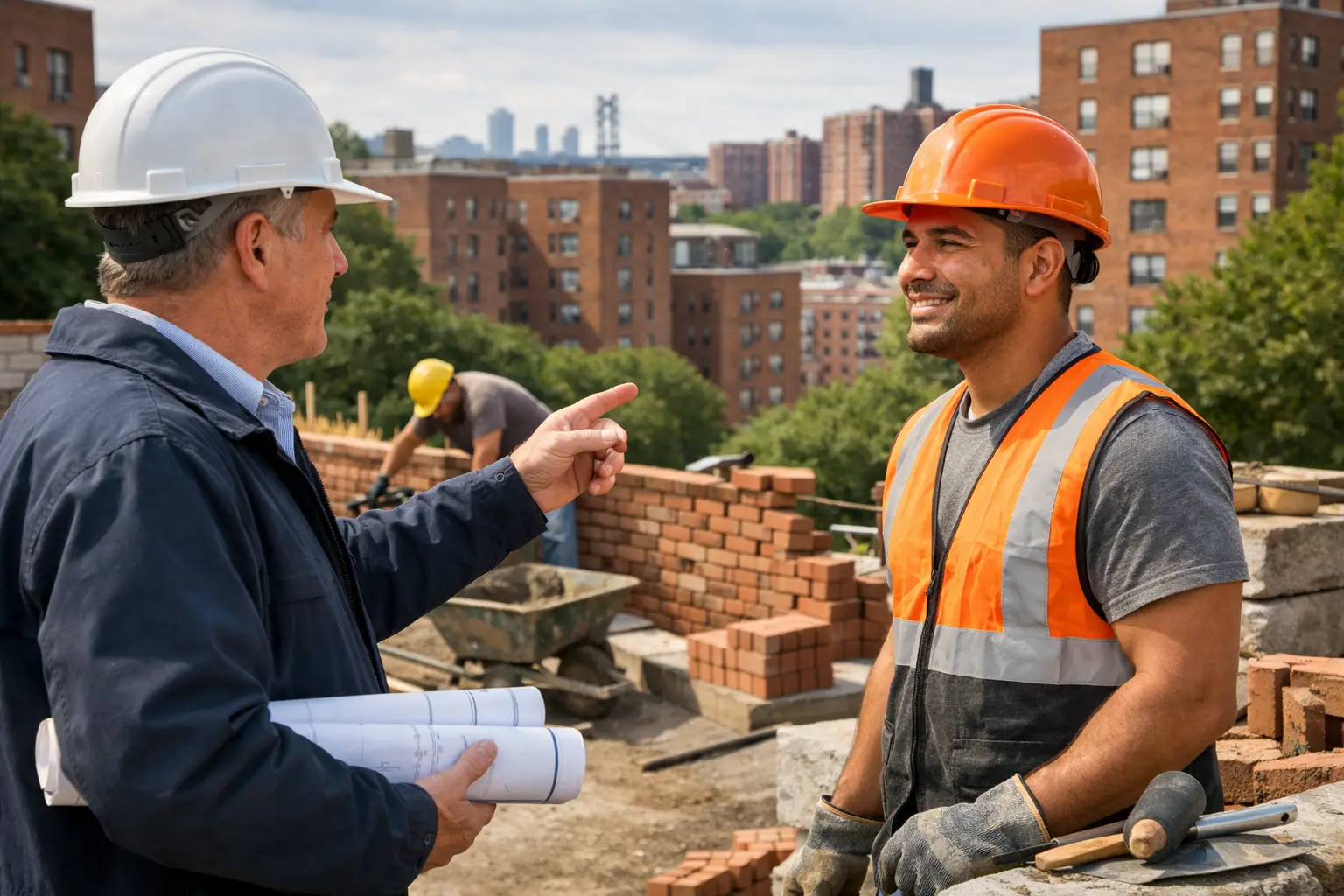
You should also ask who manages the job day to day. Clear communication is not a bonus on exterior work. It is part of keeping the project on track. If access, permits, staging, tenant coordination, or weather delays may affect the schedule, those issues should be raised early.
Good contractors do not hide the difficult parts of the job. They explain them before work starts.
Red flags that usually lead to trouble
The biggest red flag is a price that seems too low without a clear reason. Masonry repair in New York is labor-heavy, safety-sensitive work. If someone is rushing to give a bottom-dollar quote without a detailed scope, something is usually missing.
Another red flag is a contractor who talks only about sealing the wall. Sealants and water repellents can help in the right situation, but they are not a substitute for rebuilding failed joints, replacing broken brick, or correcting structural movement. Surface treatments alone do not fix active deterioration.
Be cautious if a contractor cannot explain staging, cleanup, debris handling, or protection around entrances, windows, and neighboring property. These details affect both safety and the final result.
The long-term value of doing it right
Well-executed masonry work does more than improve curb appeal. It helps control water intrusion, protects structural elements, reduces emergency repair risk, and supports the life of the roofing and waterproofing systems around it. For landlords and commercial owners, it can also help reduce tenant complaints and prevent disruptions that cost more than the repair itself.
There is a timing advantage too. Smaller repairs handled early usually offer better value than waiting for visible failure to spread. Once moisture gets deeper into the assembly, costs rise fast. What could have been a focused repair can become a larger restoration involving multiple trades.
If you are comparing masonary contracrors in Bronx, the best choice is rarely the one with the fastest sales pitch. It is the contractor who gives you a straight assessment, ties the masonry issue to the rest of the exterior where needed, and performs work built to handle real New York weather.
Your building gives warning signs before major failure. The smart move is to act while you still have options.