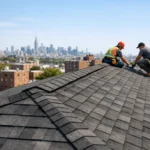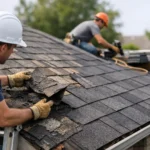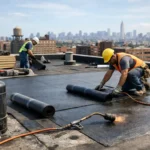
A roof problem in the Bronx usually does not stay small for long. One loose membrane seam, one backed-up drain, or a few missing shingles can turn into interior damage, mold, insulation issues, and repair bills that climb fast. That is why hiring a licensed roofing contractor Bronx property owners can trust is not just a box to check. It is one of the biggest factors in whether the job protects your building or creates another problem.
If you own a home, mixed-use property, apartment building, or commercial space, you need more than someone who says they can patch a leak. You need a contractor who understands New York City building conditions, follows code, carries proper insurance, and knows how different roofing systems behave under heavy rain, snow, heat, and ponding water. In a place like the Bronx, that local experience matters.
Why a licensed roofing contractor in the Bronx matters
Licensing is about accountability. A licensed roofing contractor has met legal requirements to operate, and that gives you a clearer path if something goes wrong. It also tells you the company is not treating roofing like side work. They are operating as a real contractor, with standards to meet and a reputation to protect.
That matters even more in New York City, where roofs deal with a tough mix of weather, aging buildings, and tight construction conditions. Many Bronx properties have flat or low-slope roofing systems, and those roofs need careful handling. A bad repair can trap water. A cheap coating can fail early. An improper installation can void a manufacturer warranty or lead to repeated leaks around parapet walls, skylights, vents, and drains.
A licensed contractor should also understand permit requirements, inspection issues, and the difference between a quick fix and a repair that actually lasts. Not every roof needs full replacement, but not every roof can be saved with patchwork either. The right contractor will tell you which situation you are dealing with and show you why.
What to verify before you hire
The first thing to ask for is proof of license and insurance. That includes general liability and workers’ compensation coverage. If a contractor hesitates, gives vague answers, or says insurance is not necessary for your project, that is a red flag.
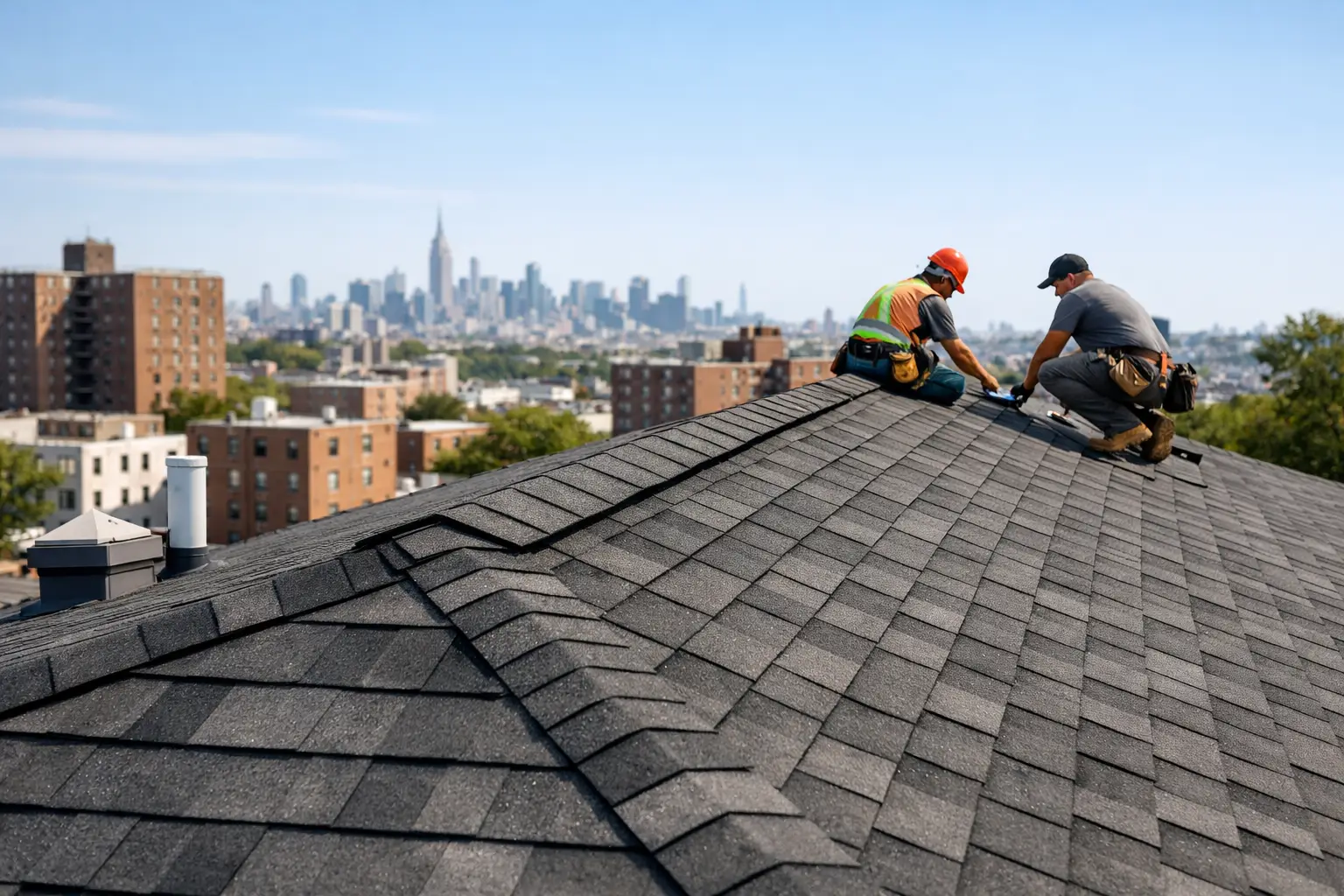
The next thing is roofing-specific experience. Roofing is not the same as general handyman work. A contractor may be fine with siding or masonry but still lack the technical knowledge needed for TPO, EPDM, asphalt shingles, hot roofing, or 4-ply systems. Ask what roof types they work on most often and what they recommend for buildings like yours.
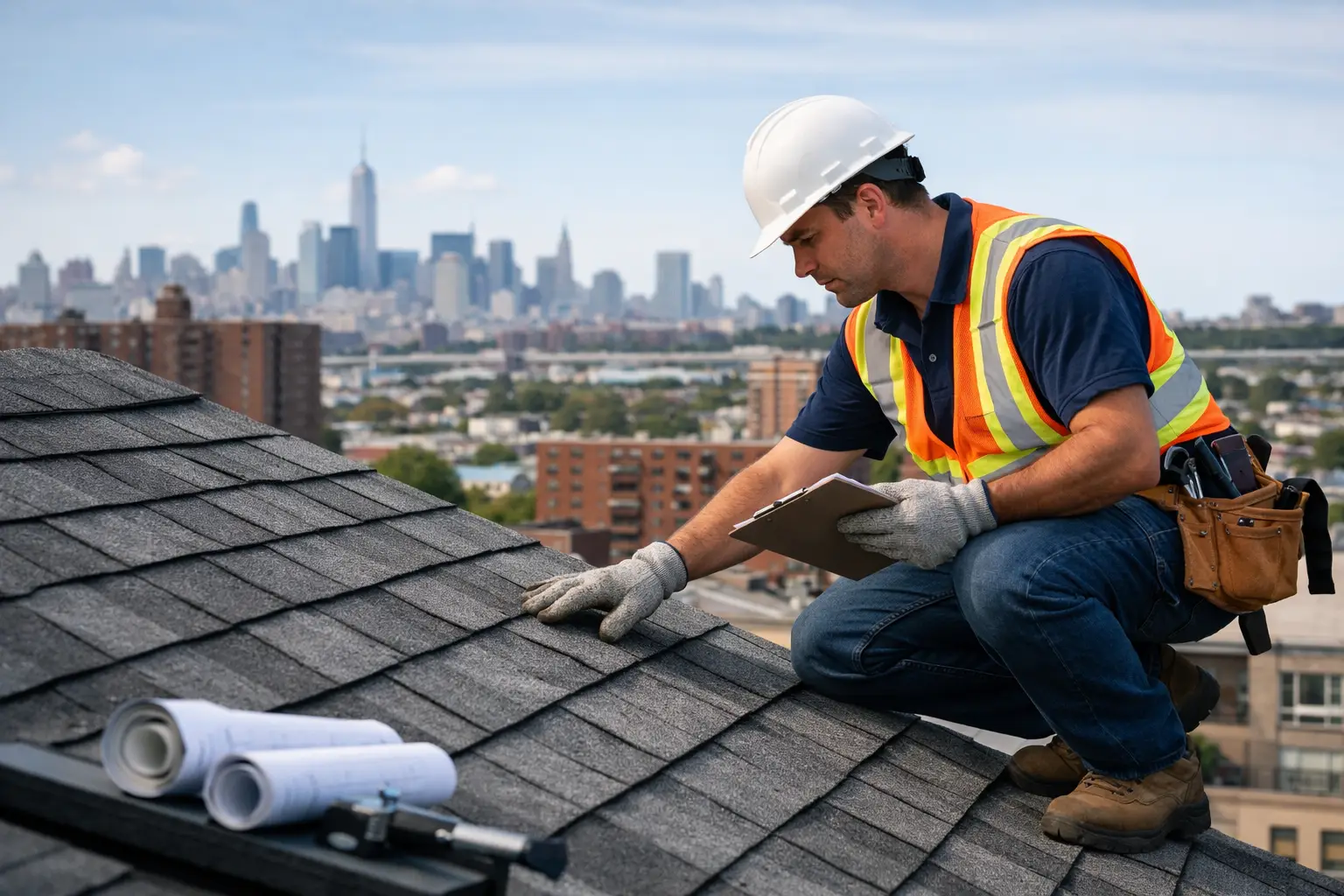
You should also ask how they inspect the roof. A serious contractor does not quote major work based on a quick glance from the sidewalk. They inspect the roof surface, drainage, flashing, penetrations, edges, and any visible signs of moisture intrusion. If there is interior evidence of leakage, they should want to see that too. Good diagnosis comes before good pricing.
Photos help. Clear explanations help even more. You should know what failed, why it failed, and what the contractor plans to do about it.
The difference between cheap roofing and cost control
Most property owners are not looking for the most expensive option. They want a fair price and a roof that holds up. That is reasonable. But there is a difference between cost control and bargain roofing.
Cheap roofing usually shows up in the details. Thin materials. Incomplete tear-offs. Weak flashing work. Poor drain setup. Untrained labor. No real supervision. On paper, the estimate looks attractive. Six months later, the leak is back.
A dependable licensed roofing contractor Bronx owners hire should be able to explain where you can save money and where cutting corners will cost more later. Sometimes a targeted repair is the smart move. Sometimes restoration can buy useful time. Sometimes replacement is the only practical answer because the roof has reached the end of its service life. The honest answer depends on the roof condition, not on what is easiest to sell.
How Bronx roofing conditions affect the job
Bronx buildings deal with real wear. Flat and low-slope roofs often face standing water after heavy rain. Freeze-thaw cycles can open seams and stress flashing. Summer heat can age roofing materials faster than many owners expect. On older buildings, drainage design and structural quirks add another layer of complexity.
That is why local roofing knowledge matters. A contractor working in this environment should already know the common weak points. They should understand how parapet walls, coping, scuppers, roof penetrations, and gutters affect performance. They should also know that a leak inside one apartment or office unit does not always start directly above that spot.
For residential properties, material choice often comes down to roof slope, budget, appearance, and long-term maintenance. For commercial and multi-family buildings, the discussion may center more on membrane performance, waterproofing, drainage correction, and minimizing disruption for tenants or business operations. The right approach is different from building to building.
What a good roofing proposal should include
A roofing estimate should be clear enough that you can compare it to another proposal without guessing. If the scope is vague, that is a problem.
You should be able to see what materials are being used, which areas are being repaired or replaced, whether old roofing is being removed, how flashing will be handled, what cleanup is included, and what warranty applies. If there is wood replacement, insulation work, or waterproofing involved, that should be spelled out too.
Timelines should also be realistic. Weather can delay roofing work, especially in New York, so no contractor can promise perfect scheduling. But they should still tell you how the project will be managed, who your point of contact is, and what happens if hidden damage is found after work begins.
Good communication is not a bonus. It is part of the job.
When repair makes sense and when it does not
A lot of owners hope every roof issue can be fixed with a repair, and sometimes that is true. If the damage is limited, the roof still has service life left, and the underlying system is sound, a repair can be the most practical move.
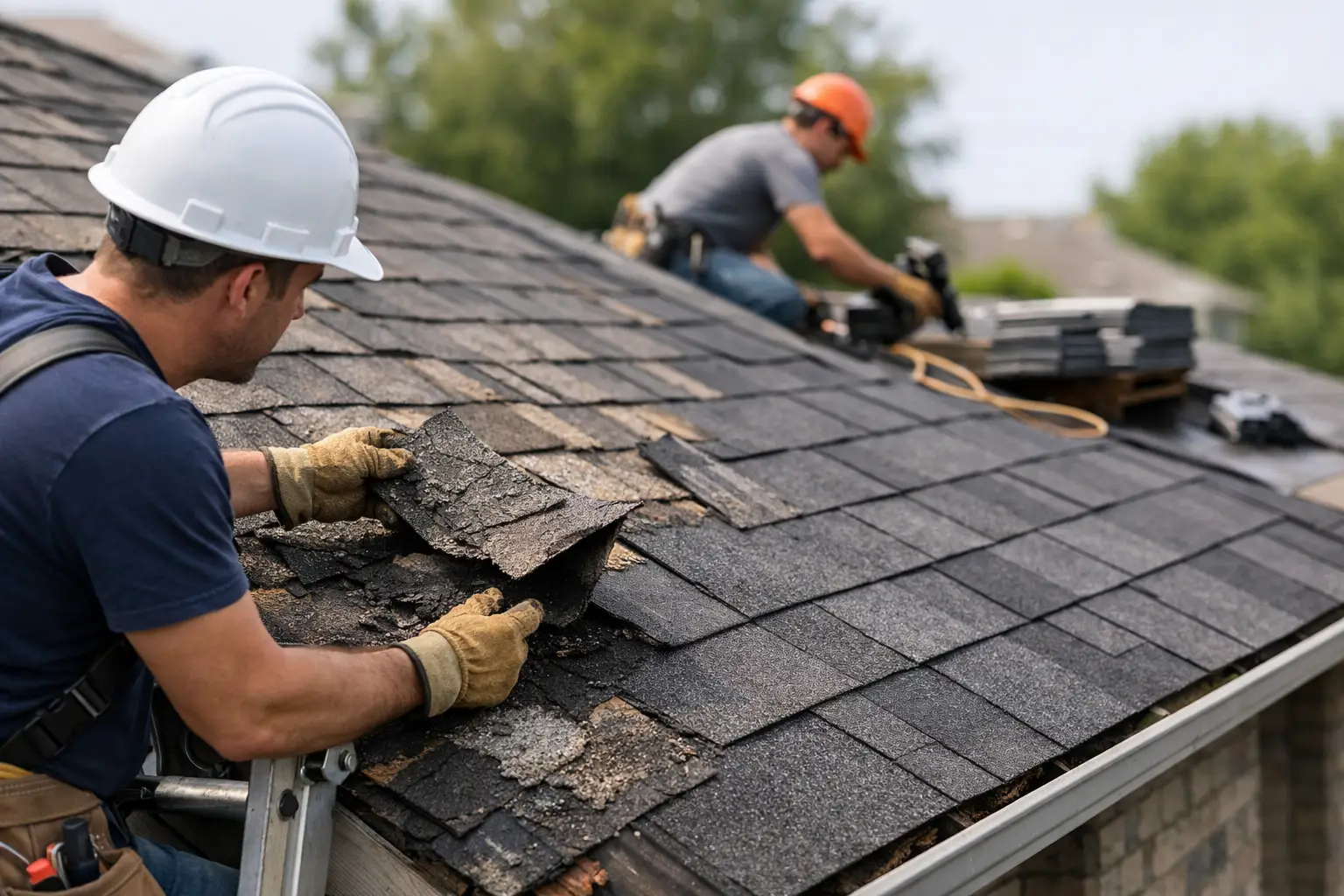
But there are times when repeated repairs stop making financial sense. If leaks keep returning, if large sections of the roof are deteriorated, if drainage problems are built into the system, or if moisture has spread below the membrane, patching may only delay a larger failure. That is money spent without much return.
A good contractor should not push replacement every time. They also should not keep selling repairs on a roof that is clearly spent. Straight answers save money.
Questions to ask a licensed roofing contractor Bronx owners are considering
Ask who will supervise the job day to day. Ask whether they handle both residential and commercial roofs. Ask what kind of warranty comes with the work and what it covers. Ask how they protect the property during the project, especially if your building has tenants, customers, or active operations.
You should also ask what they see most often on roofs like yours. An experienced contractor can usually tell you the recurring issues in plain language. That kind of answer is hard to fake.
If the contractor is responsive, clear, and willing to document what they found, that usually tells you a lot about how the project will go. If they are hard to reach before you sign, they will not get easier to reach after.
Choosing the right fit for your property
The best roofing contractor is not always the one with the lowest estimate or the biggest sales pitch. It is the one that matches the job. A small brownstone roof, a retail building, and a multi-family flat roof all come with different priorities.
Some owners need urgent leak control first and a long-term plan second. Others need a full replacement with strong warranty protection. Some need roofing tied in with siding, gutters, or waterproofing because the problem is not isolated to one surface. A full-service exterior contractor can be useful when multiple systems are contributing to water intrusion.
Companies like Global City Restoration build trust by keeping the process practical – clear findings, dedicated oversight, code-compliant work, and solutions that fit the building instead of forcing a one-size-fits-all package. That is what property owners are really looking for.
Your roof does not need a sales story. It needs the right diagnosis, the right crew, and work that holds up when the next storm hits.