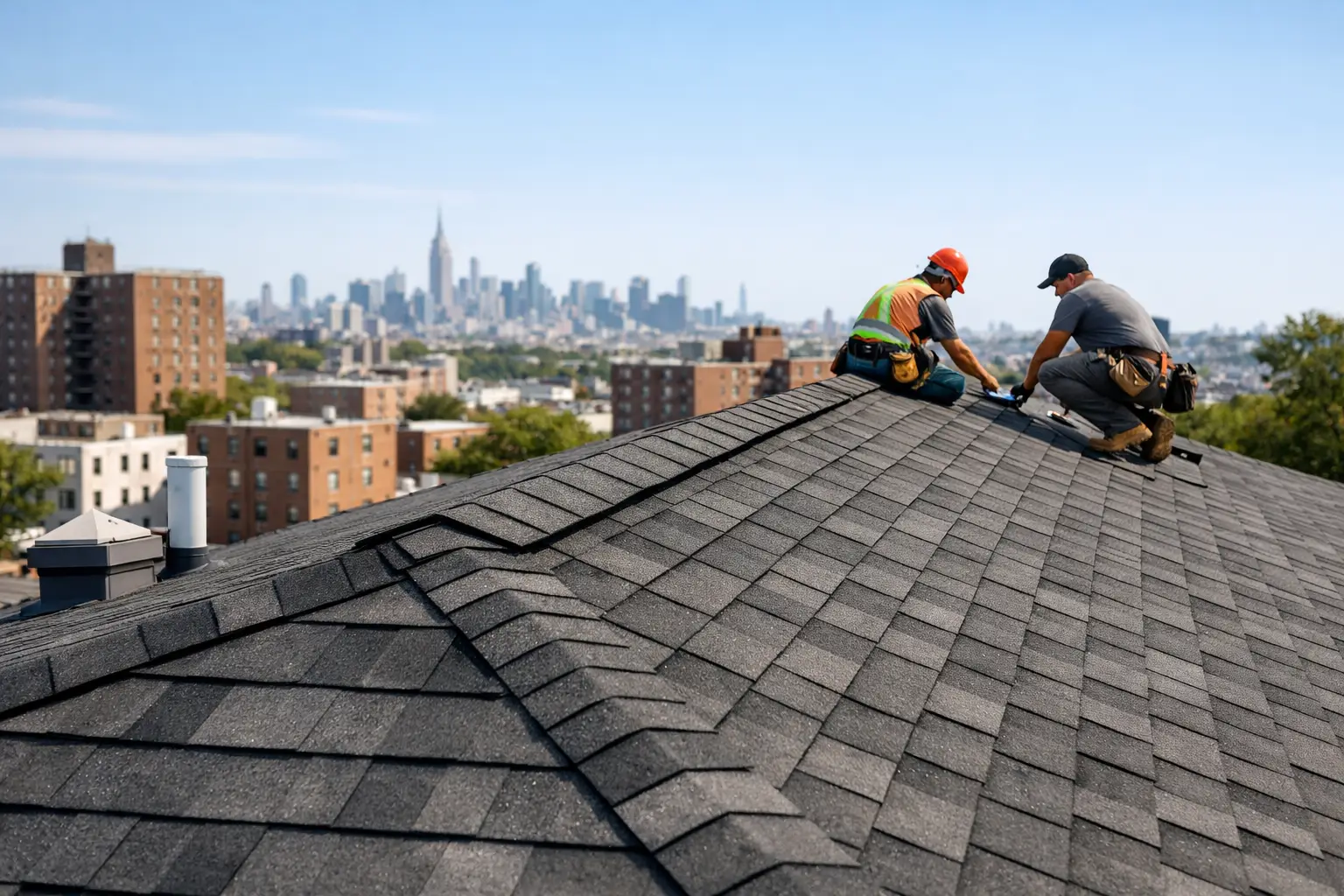
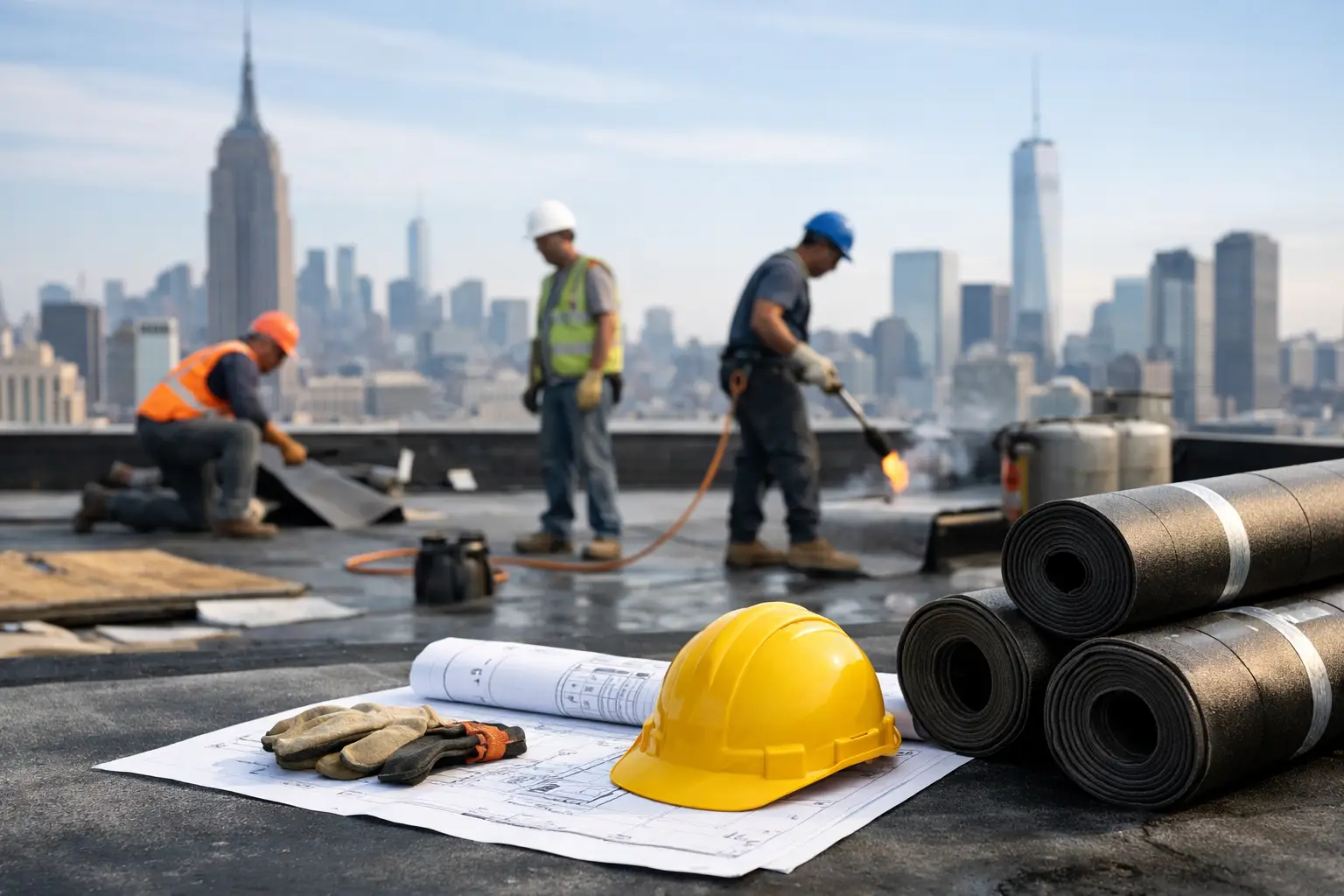
A commercial roof rarely fails all at once. More often, it starts with a leak near a drain, bubbling on a low-slope section, flashing that pulls loose, or recurring repairs that never seem to hold through the next heavy rain. If you are weighing commercial roof replacement NYC options, the real question is not just how much it costs. It is whether your current roof is still protecting the building the way it should.
In New York City, that question matters more than it does in many other places. Commercial roofs here take a beating from snow, summer heat, wind-driven rain, foot traffic from service crews, and the standing water that flat and low-slope systems often deal with. Add in aging materials, patchwork repairs, and drainage problems, and a roof that looks manageable from the ground can become a serious liability.
When commercial roof replacement in NYC makes more sense than repair
Not every problem calls for a full replacement. A localized puncture, an isolated flashing issue, or storm damage in one section may be repairable if the rest of the system is still sound. But there is a point where continued patching costs more than it saves.
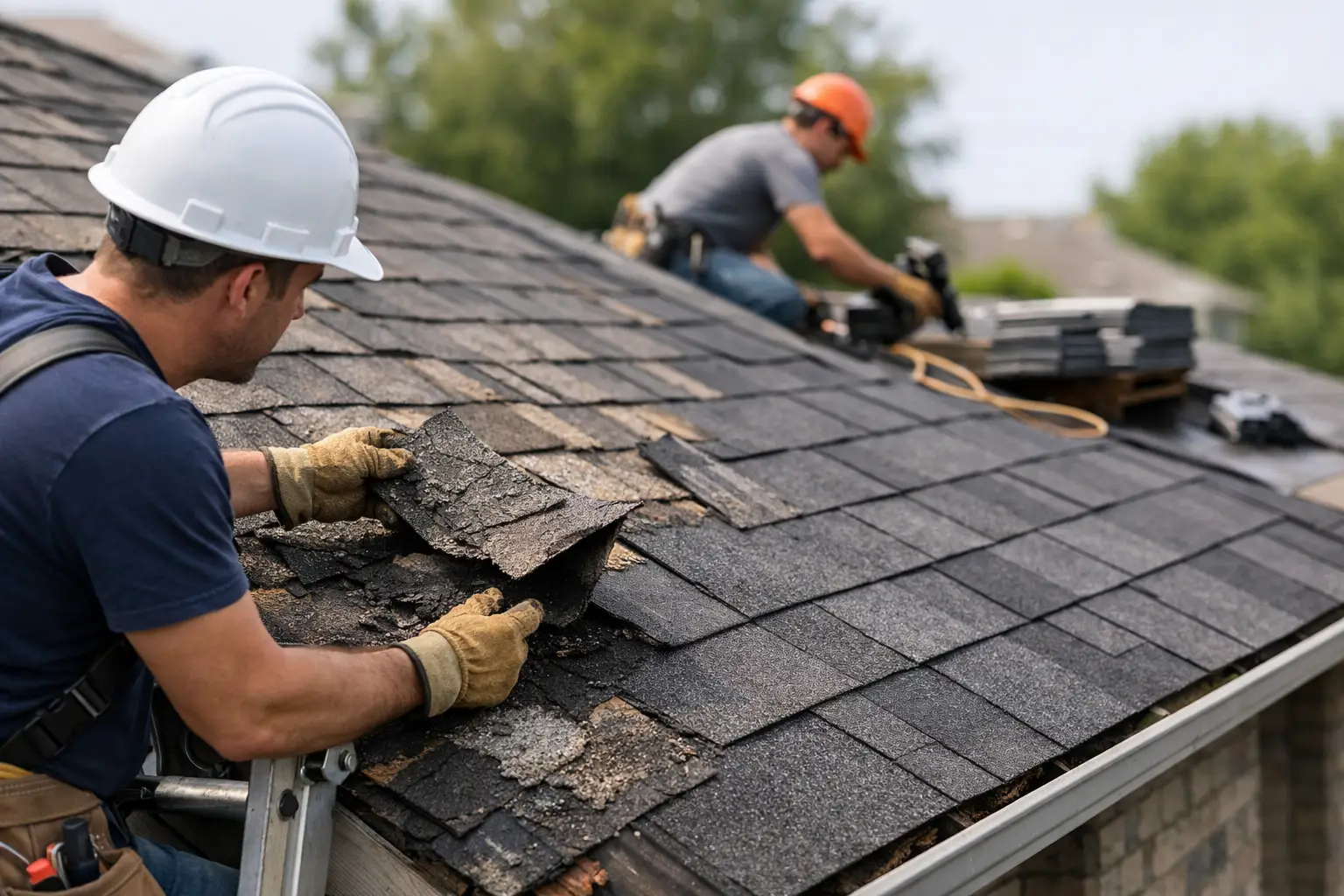
That point usually shows up in patterns. If leaks keep returning in different areas, if the insulation beneath the membrane is wet, if the roof deck has started to deteriorate, or if the system is near the end of its expected service life, replacement usually becomes the smarter investment. The same is true when a building owner is dealing with tenant complaints, interior damage, mold risk, or rising maintenance costs tied to the roof.
For many commercial properties, the roof problem is bigger than the visible leak. Water can travel. It can move under seams, around penetrations, and into wall assemblies before it shows up on a ceiling tile. By the time the leak becomes obvious inside, the roof may have been failing for a while.
What drives the cost of commercial roof replacement NYC projects
Owners often ask for a price per square foot right away. That is understandable, but on a commercial roof in NYC, the final number depends on more than size.
The first factor is the existing system. Tearing off multiple layers takes more labor and disposal cost than replacing a single-layer membrane. The condition of the substrate also matters. If moisture has compromised insulation or damaged sections of the deck, that needs to be addressed before a new roof goes on.
The second factor is the roofing system itself. TPO, EPDM, modified bitumen, and built-up roofing each have different strengths, installation requirements, and price points. A building with heavy rooftop traffic may need added protection. A property with chronic ponding water may need drainage improvements, tapered insulation, or design changes rather than a straight material swap.
Then there is access. In the Bronx, Manhattan, Brooklyn, and other dense parts of the city, staging materials and debris removal can affect production and cost. Occupied buildings add another layer. If businesses, tenants, or staff need uninterrupted access, the project has to be organized carefully to reduce disruption and maintain safety.
Choosing the right roof system for a New York commercial building
There is no single best system for every building. A good replacement plan starts with how the property is used, how the current roof has failed, and what kind of long-term performance the owner expects.
TPO for energy efficiency and clean installation
TPO is a common choice for low-slope commercial roofs because it offers heat-welded seams, solid weather resistance, and reflective surface options that can help reduce heat gain. For many buildings, it balances cost and performance well. That said, installation quality matters. Seams, penetrations, and edge details need to be handled correctly or the advantages disappear fast.
EPDM for proven durability
EPDM has been around for a long time because it works. It handles temperature swings well and has a strong track record on many flat roof applications. It may not be the right fit for every project, but for owners who want a dependable membrane and understand the maintenance needs, it remains a practical option.
Built-up and hot roofing for heavy-duty protection
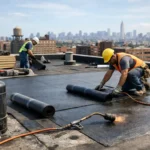
Some buildings benefit from traditional systems like built-up roofing or hot asphalt applications, especially where durability and layered protection are priorities. These systems can perform very well, but they require an experienced crew and careful project management. They also involve different installation conditions than single-ply systems, so timing and site logistics matter.
Drainage and waterproofing are part of the roof decision
In NYC, the membrane is only part of the story. A roof replacement that ignores drainage is asking for trouble. Clogged or undersized drains, poor slope, weak flashing details, and neglected parapet transitions can all shorten the life of a new roof. The best replacement projects solve the water problem, not just the surface problem.
What the replacement process should look like
A commercial roof replacement should not feel vague or improvised. Owners need a clear process from inspection to final walkthrough.
It starts with a real assessment. That means documenting visible damage, checking seams and flashing, evaluating insulation and deck conditions where possible, and identifying whether moisture has spread below the surface. Photos help. Straight answers help more.
From there, the scope should be clear about tear-off, substrate repairs, insulation, membrane type, drainage work, edge metal, penetrations, and warranty coverage. If permits or code-related upgrades are required, those should be addressed up front, not after the crew is already on site.
Once work begins, project oversight matters. On an occupied commercial property, communication is part of the job. Owners and managers need to know what areas are being worked on, what to expect with access, and whether weather could affect the schedule. This is one reason many property owners prefer working with a contractor that assigns a dedicated project manager rather than leaving them to chase updates.
Code compliance is not optional
Commercial roofing in New York City comes with real code requirements, and cutting corners here usually costs more later. Fire ratings, insulation values, fastening requirements, drainage standards, and permit procedures all need to be handled correctly.
This matters for safety, but it also matters for the building as an asset. If the roof work is not code-compliant, it can create problems during inspections, insurance claims, refinancing, or future property sales. A cheaper proposal is not a better proposal if it leaves the owner exposed.
The same goes for licensing and insurance. On a commercial property, the stakes are too high to treat that as a detail. You want a contractor who knows the city, understands low-slope roofing conditions, and can execute the work without creating avoidable risk.
How to avoid the most common replacement mistakes
The biggest mistake is waiting too long. Once water gets into insulation, decking, or interior finishes, the project becomes more expensive and more disruptive. Deferred roofing work has a way of spreading into other systems.
Another common mistake is choosing only on price. Every owner has a budget, and affordability matters. But a low number without clear scope, proper materials, drainage planning, and workmanship standards can turn into repeat problems. The cheapest roof is usually the one that does not need to be redone early.
It is also a mistake to assume all flat roof systems fail for the same reason. Some roofs wear out from age. Others fail because of ponding water, bad detailing, poor prior repairs, or foot traffic. If the root cause is not addressed, the new roof inherits the old problem.
What property owners should expect from a good contractor
A dependable contractor should be able to explain the roof condition in plain language, show what is failing, and recommend repair or replacement based on evidence, not pressure. If replacement is the better call, the proposal should make sense from both a building-performance and budget standpoint.
That includes discussing trade-offs. A lower-cost system may fit a short-term hold strategy. A longer-lasting assembly may make more sense for an owner planning to keep the building for years. Some properties need a fast turnaround. Others need scheduling around tenants or business operations. Good planning takes those realities seriously.
At Global City Restoration, that practical approach is what commercial owners expect. They need a roof that stands up to NYC weather, meets code, and protects the investment underneath it.
A commercial roof replacement is not just a construction project. It is a decision about risk, operating costs, and how well your building is protected the next time the city gets hit with heavy rain, snow, or another long stretch of heat. If your roof is showing you repeated signs of failure, the smartest move is to deal with it before the damage spreads.