A roof leak rarely shows up at a convenient time. It hits during a hard rain, after wind lifts a section of roofing, or right when melting snow starts finding weak spots. That is when emergency roof tarping Bronx property owners call for becomes the difference between a manageable repair and a much bigger loss inside the building.
A properly installed tarp is not the final repair. It is a fast protective measure that helps stop active water intrusion, reduce interior damage, and buy time for a full roof inspection and repair plan. When done right, it protects the structure. When done poorly, it can fail fast, trap water, or create new damage around the edges.
What emergency roof tarping actually does
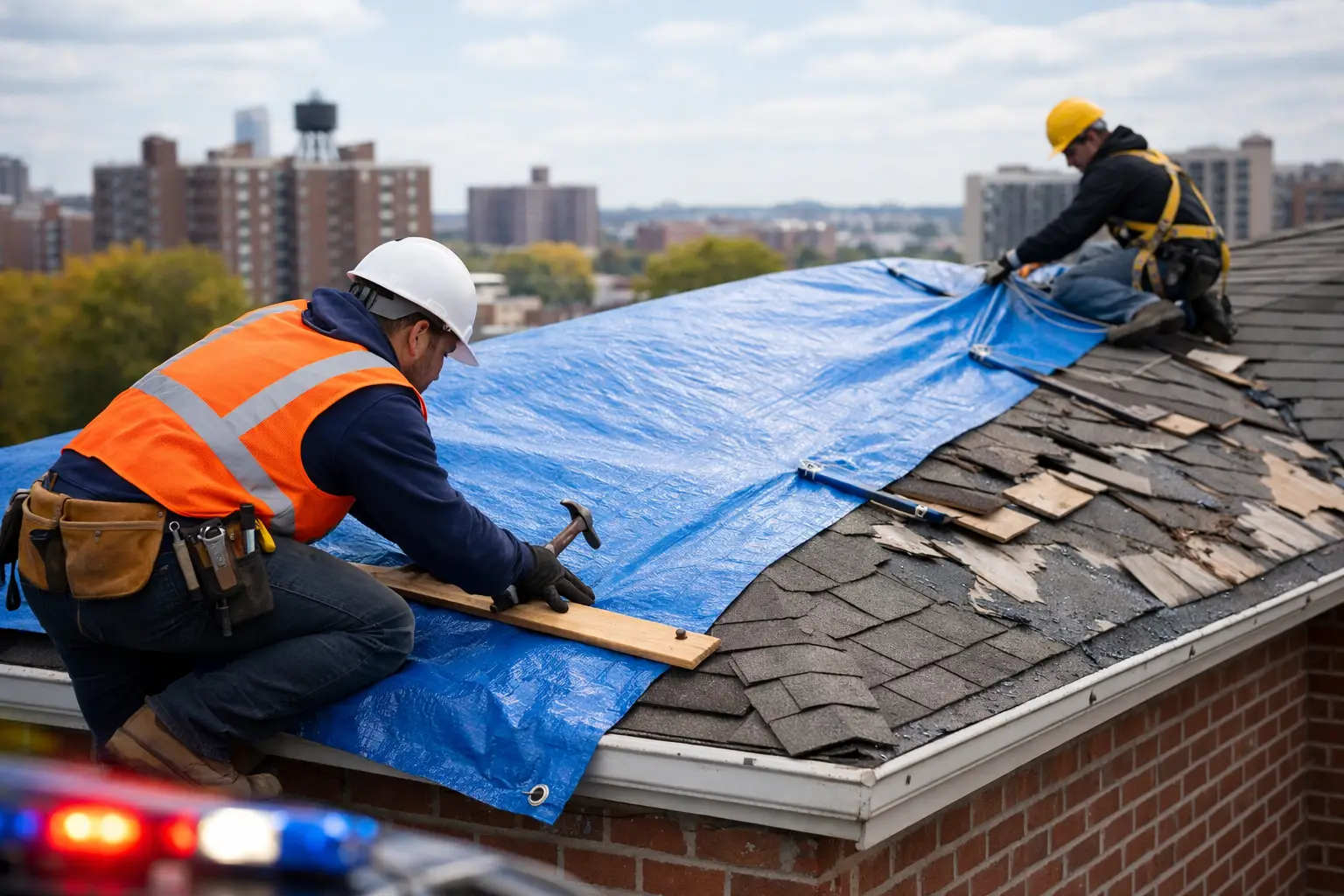
Emergency roof tarping is temporary weather protection placed over a damaged section of roof. The goal is simple – cover the exposed area, secure the tarp so wind cannot peel it back, and direct water away from the opening until permanent repairs can be completed.
In the Bronx, that matters because roofs take a beating from year-round weather. Wind-driven rain can get under lifted shingles. Older flat roofs can split or blister. Ponding water can exploit weak seams. Ice and snow can open up flashing details around parapets, vents, and roof penetrations. A tarp helps stop the immediate problem from getting worse.
That said, tarping is only as good as the condition underneath it and the way it is installed. If decking is soft, if insulation is saturated, or if water is entering from a wall or flashing line instead of the field of the roof, the installer has to identify that before calling the roof protected. A tarp is a shield, not a diagnosis.
When emergency roof tarping in the Bronx makes sense
Some roof problems need same-day attention. Others can wait a day or two if the weather is dry. The right move depends on the type of damage, the forecast, and what is at risk below the roofline.
Emergency tarping usually makes sense after storm damage, tree impact, missing shingles, membrane blow-offs, fire department access cuts, or sudden leaks over occupied areas. For commercial buildings and multifamily properties, it can also be the right move when water is entering tenant spaces, hallways, electrical areas, or top-floor ceilings.
It may also be necessary after a partial failure on a flat roof. On low-slope systems, even a small opening can allow water to travel far from the source. What looks like a minor leak inside can be tied to a much larger wet area on the roof. In those cases, the tarp helps slow the spread while the damage is mapped out.
There are limits. If a roof is structurally unsafe to access, if active collapse is a concern, or if severe weather is still ongoing, safety comes first. A responsible contractor will say that clearly instead of forcing a quick fix in dangerous conditions.
Why fast action matters after a roof leak
The first problem is water coming in. The second problem is everything water touches after that. Drywall stains are the obvious part. The hidden damage is usually more expensive.
Wet insulation loses performance. Wood decking can soften. Ceiling cavities can hold moisture long after the drip stops. Electrical components may be exposed. In apartment buildings and mixed-use properties, one roof leak can move into multiple units and create complaints, repairs, and possible insurance issues all at once.
Quick tarping helps reduce that chain reaction. It does not erase the damage already done, but it can help contain it. That is especially important in New York City buildings where deferred maintenance tends to stack up fast. One open area on the roof can turn into masonry damage, mold concerns, damaged finishes, and tenant disruption if left exposed through another storm.
What a proper emergency tarp job should include
A real emergency response is more than throwing plastic over a wet spot. The roof needs to be evaluated so the temporary protection actually covers the failure point and stays in place.
A solid tarp job starts with identifying the damaged area and checking how far the problem extends. On pitched roofs, that may mean tracing wind damage past the obvious missing shingles. On flat roofs, it may mean checking seams, flashing edges, drains, and nearby penetrations. The tarp should extend beyond the damaged area enough to shed water, not just cover the visible hole.
Securement matters just as much. In a dense urban area with strong wind exposure, loose edges do not last. The tarp needs to be fastened in a way that reduces uplift while avoiding careless damage to surrounding roofing materials. If the roof already has major deterioration, the installer has to work with that condition, not pretend the surface is stronger than it is.
Photos and clear documentation also matter. Property owners should be shown what was found, what was protected, and what still needs permanent repair. Straight answers are part of good emergency service.
Emergency roof tarping Bronx buildings often need by roof type
Not every roof fails the same way. The temporary solution should match the roofing system.
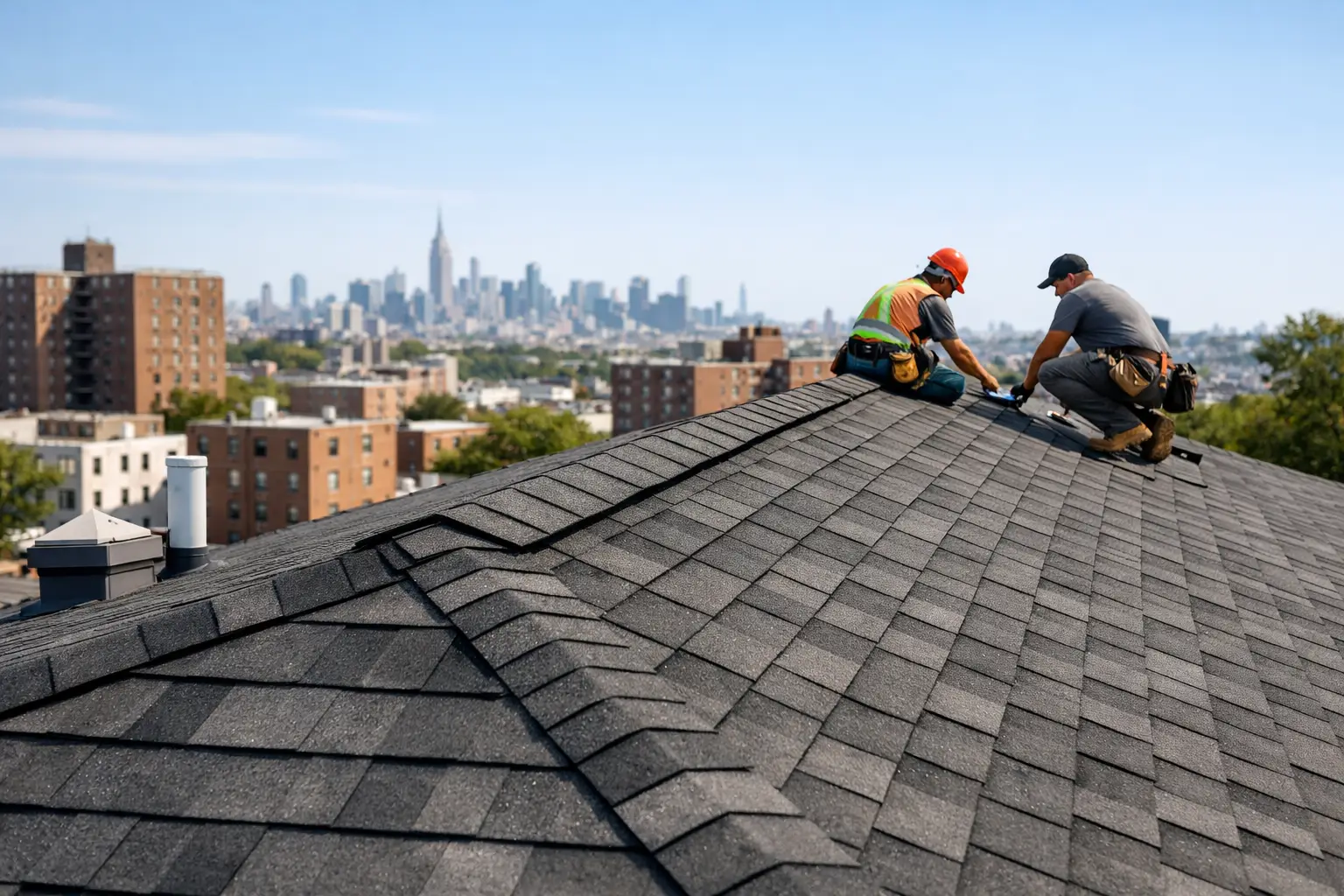
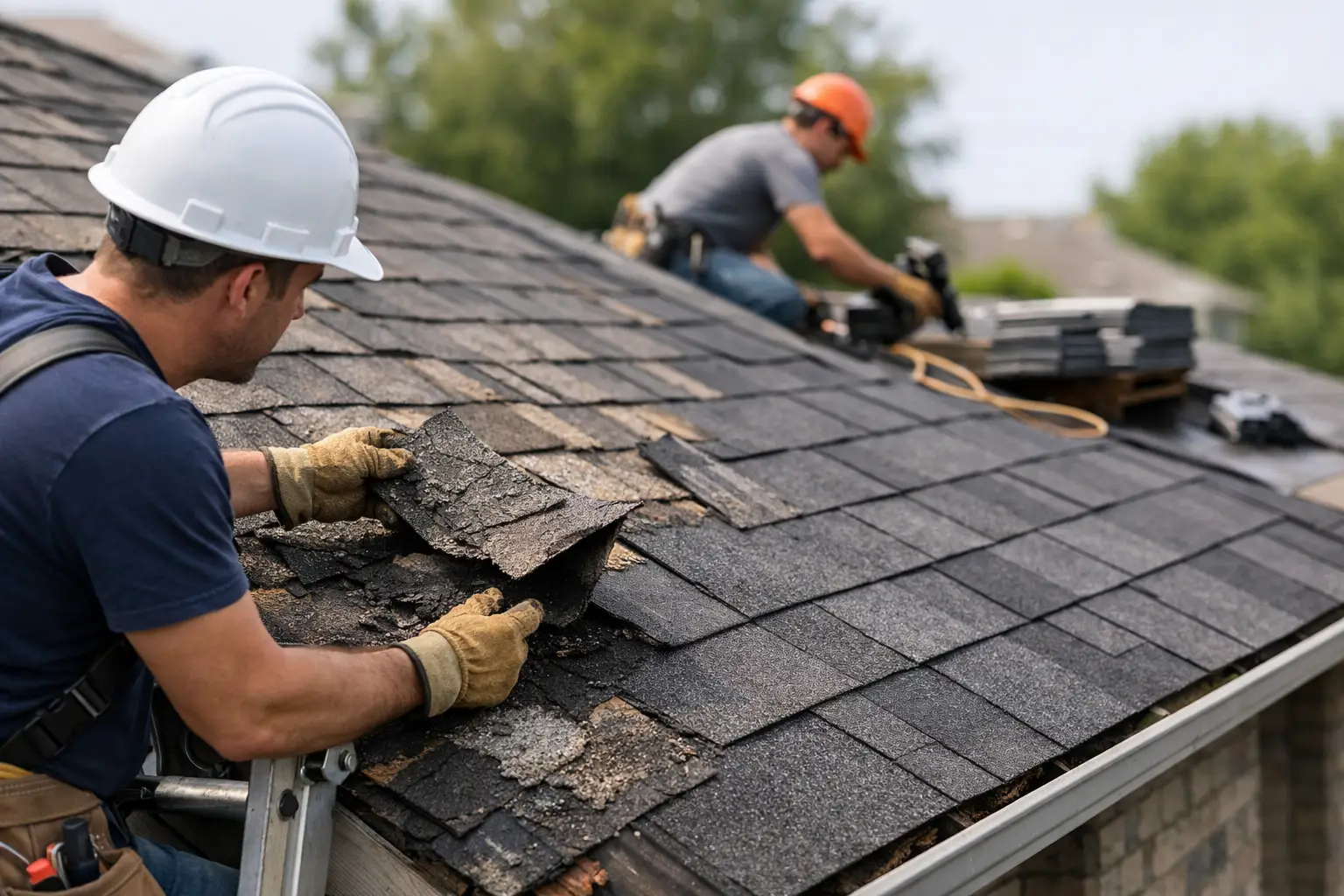
For asphalt shingle roofs, tarping is often used after wind damage, branch impact, or ridge and flashing failures. The tarp must be laid to shed water downhill and secured without making a bad area worse.
For flat and low-slope roofs, including EPDM, TPO, hot roofing, and 4-ply systems, the issue is often membrane separation, punctures, lifted seams, or flashing failure at edges and penetrations. These roofs need careful assessment because water can travel under the surface before it shows up inside.
For mixed-material roofs on older Bronx properties, the challenge is usually at the transitions. A leak may start where masonry meets flashing, where a roof ties into a bulkhead, or where previous patchwork has failed. In those situations, a tarp is part of the protection plan, but not always the whole answer.
What property owners should do before help arrives
The first priority is safety. Stay off the roof. Wet roofing surfaces, loose materials, and storm damage create fall hazards fast. Trying to install your own tarp may seem like a money-saving move, but one mistake can turn an urgent repair into a medical emergency.
Inside the building, move valuables away from the leak if you can do so safely. Use buckets or containers to catch active dripping. If water is near light fixtures or electrical equipment, shut off power to the affected area if it is safe and accessible. Take photos of visible damage for your records.
If the leak is in a commercial or multifamily property, notify tenants or occupants as needed and limit access to wet areas. Protecting people is part of protecting the property.
Temporary protection is not the same as repair
This is where many owners get burned. The leak stops for the moment, the ceiling dries out a bit, and the tarp stays in place longer than it should. Weeks later, the next storm hits, and the same area fails again.
A tarp buys time. It does not fix deteriorated flashing, saturated insulation, rotten decking, failed seams, or an aging roof system at the end of its service life. In some cases, the permanent solution is a localized repair. In others, the emergency exposes a broader problem that makes restoration or replacement the better investment.
The honest answer depends on the roof. A contractor who knows city buildings should be able to explain whether the damage is isolated or part of a larger pattern. That matters more than a quick promise.
Choosing the right emergency response
When you call for emergency roof service, speed matters, but so does judgment. You want a contractor who understands residential and commercial roofing systems, can work safely, documents conditions clearly, and has a plan for what comes after the tarp.
Licensed and insured service matters here. So does local experience. Bronx buildings include everything from private homes to mixed-use properties and multifamily structures with older roof assemblies, patched surfaces, and drainage challenges. A temporary fix has to account for those real conditions, not just the textbook version of a roof.
At Global City Restoration, the approach is straightforward: protect the building first, show the owner what is going on, and map out the repair work clearly. That kind of response helps reduce confusion when the situation is already stressful.
If your roof is actively leaking or has visible storm damage, waiting usually costs more than acting. A good emergency tarp will not solve everything, but it can stop a bad day from turning into major interior and structural damage before the real repair even begins.