A leak in the top-floor ceiling is rarely just a roof problem. In New York City, water gets in through failed flashing, cracked masonry, open joints, worn sealants, clogged drainage, and aging parapets just as often as it comes through the field of the roof. That is why building envelope restoration matters. It looks at the full exterior shell of the property and fixes the weak points before they turn into interior damage, mold, structural deterioration, or expensive emergency work.
For homeowners, landlords, and property managers, the real issue is not just stopping one active leak. It is protecting the entire structure from repeat moisture intrusion. When the outside of the building starts failing in more than one place, patchwork repairs usually buy time, but not much of it.
What building envelope restoration actually covers
The building envelope is everything that separates the indoors from the weather outside. That includes the roof, exterior walls, windows, doors, flashing, sealants, coping, parapets, drainage components, and waterproofing details. If one part fails, neighboring areas often start taking on stress they were never meant to handle.
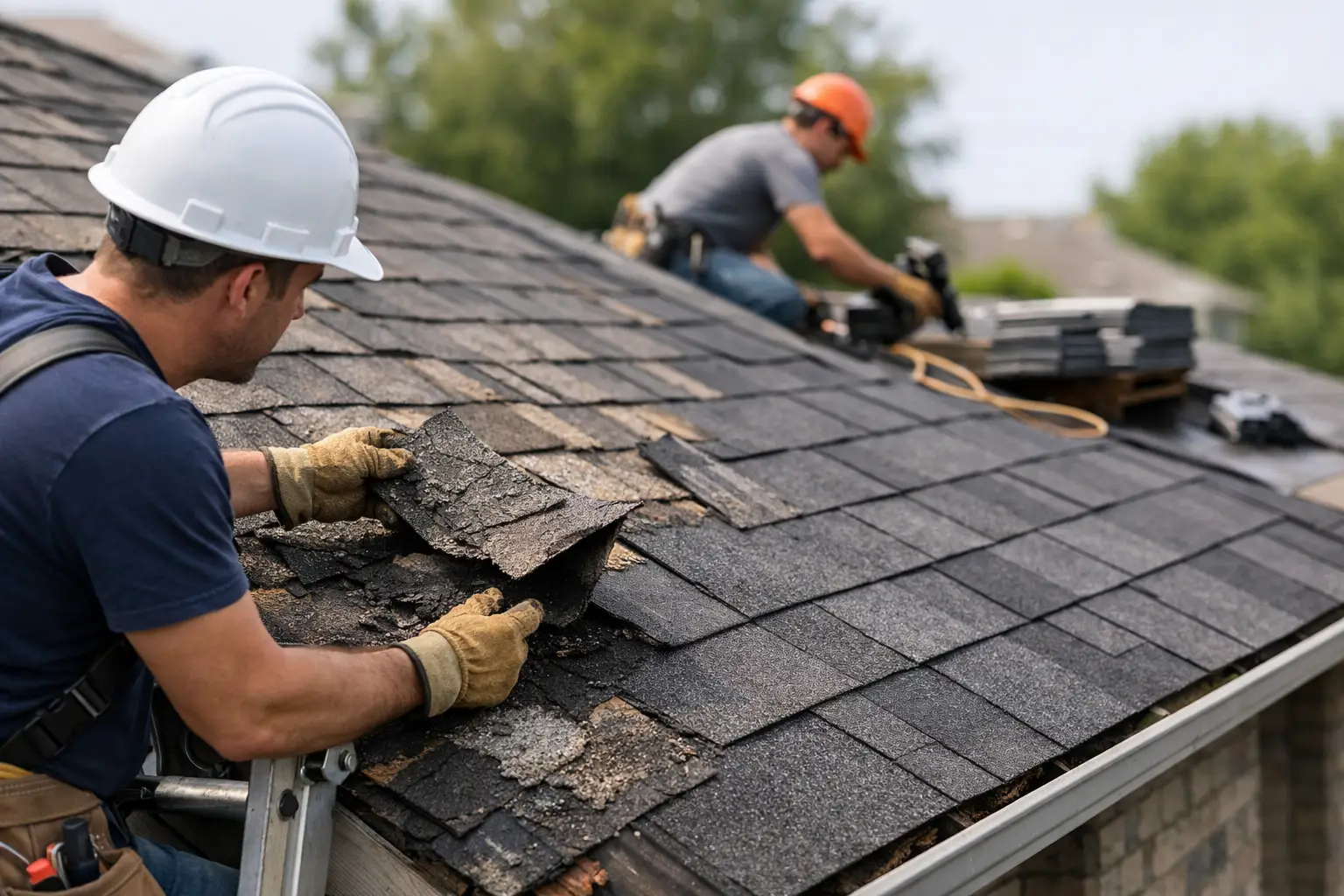
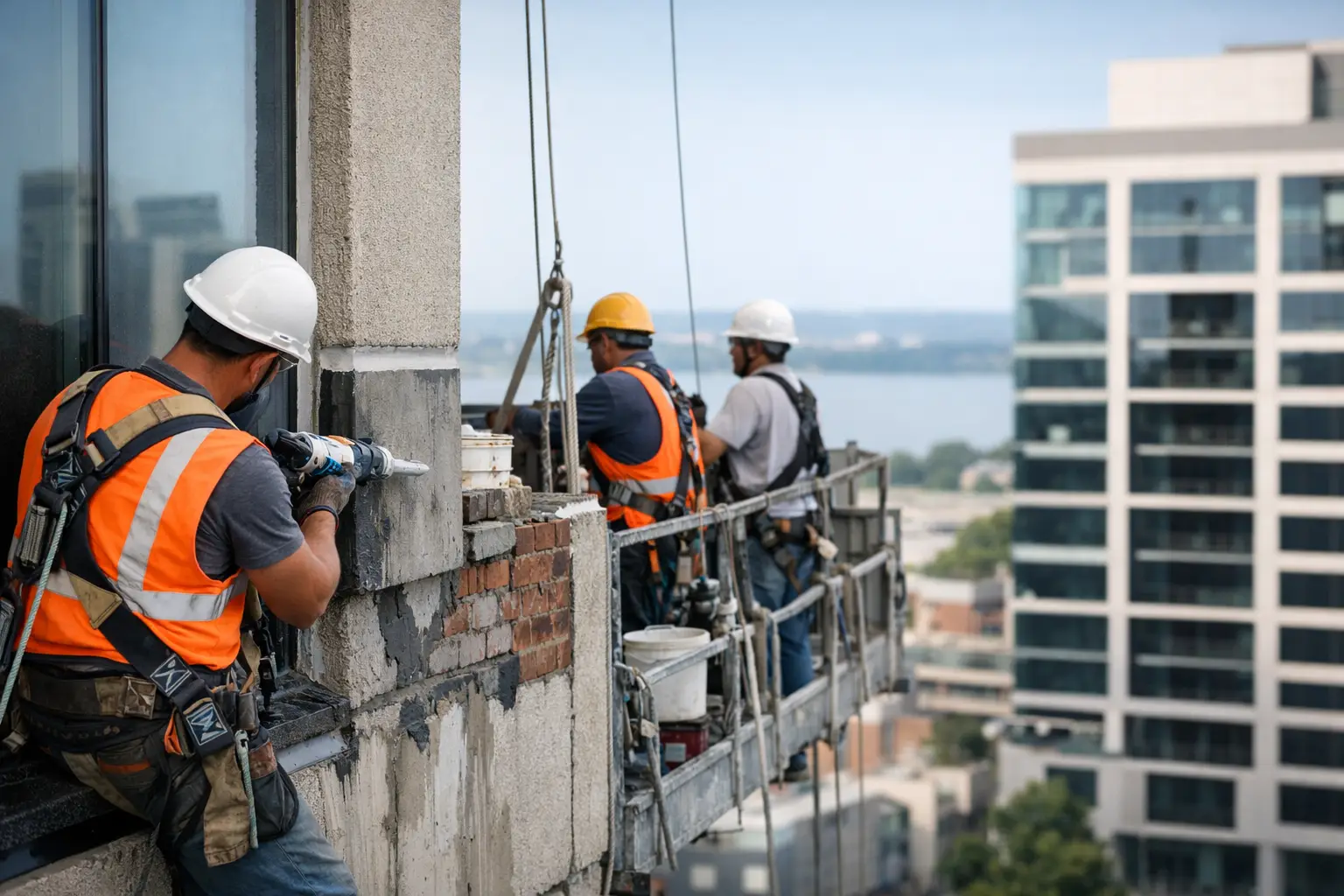
In practical terms, building envelope restoration can involve roof restoration, masonry repair, facade sealing, waterproofing, flashing replacement, parapet repair, siding work, gutter and leader correction, and drainage improvements. On a flat or low-slope roof, standing water may point to a roofing issue, but it can also signal blocked drains, poor slope, deteriorated scuppers, or membrane edge failure. On a brick building, staining on an interior wall may come from cracked mortar joints, failed window perimeter sealant, or water entering at the roof-to-wall transition.
That is why a proper exterior assessment matters. You want the source of the problem, not just the symptom in the apartment, hallway, office, or top-floor unit.
Why envelope problems get expensive fast
Exterior deterioration almost never stays contained. Water moves. It travels behind walls, under membranes, into insulation, along steel, and down through framing. A small opening can feed a much bigger problem over time, especially after repeated rain, freeze-thaw cycles, and summer heat.
In New York buildings, that risk goes up because the weather is hard on roofs and facades. Snow sits. Rain blows sideways. Flat roofs collect water. Sealants expand and shrink. Masonry absorbs moisture and then cracks when temperatures swing. Add deferred maintenance, older construction, or multiple past repairs done by different crews, and the weak spots multiply.
The cost of waiting is usually not linear. What starts as localized repair work can become interior demolition, insulation replacement, mold remediation, structural repair, tenant disruption, or a full roof section rebuild. For commercial properties, there is also the business interruption side of the problem. For landlords and multi-family owners, unresolved leaks often become a tenant relations issue before they become a capital project.
Signs you may need building envelope restoration
Some warning signs are obvious. Others get dismissed for too long because they seem cosmetic. Water stains, bubbling paint, peeling plaster, and active leaks should never be ignored, but there are quieter indicators too.
If you see recurring leaks in the same area after prior repairs, that usually means the repair scope was too narrow. If masonry is cracking, mortar joints are opening, or exterior sealant looks dried out and separated, water already has a path. Rusted metal components, loose coping, damaged flashing, ponding water, blistering roof surfaces, and clogged leaders all point to an exterior system that is no longer doing its job.
Drafts near windows, musty odors, and unexplained increases in humidity can also trace back to envelope failure. In some buildings, the first clue is not inside at all. It is staining on the facade, plant growth near joints, or pieces of material breaking loose around parapets and roof edges.
Restoration is not the same as replacement
One of the biggest misunderstandings in exterior work is assuming every problem calls for a full tear-off or full facade replacement. Sometimes that is the right move. Often it is not.
Restoration focuses on repairing, reinforcing, and waterproofing the existing exterior where the structure is still serviceable. That can extend the life of the building envelope and control costs without cutting corners. A roof membrane may still have useful life left, but the flashing and drainage details may be failing. A masonry wall may not need rebuilding, but it may need repointing, crack repair, sealant replacement, and proper waterproofing treatment.
The trade-off is simple. Restoration works best when deterioration is identified early enough. If the substrate is saturated, materials are separating, or structural sections are compromised, replacement may be more cost-effective than repeated restoration work. Good contractors do not force one answer onto every property. They show the condition clearly and explain what the building actually needs.
The inspection process should answer real questions
A serious inspection should do more than confirm that water is getting in. It should identify where, why, and how far the damage has spread. That means looking at transitions, penetrations, edges, drainage points, wall conditions, and previous repair areas, not just the spot where the stain appeared indoors.
Property owners should expect straightforward documentation. Photos help. Clear explanations help more. You want to know whether the problem is isolated or system-wide, whether emergency stabilization is needed, and whether the work can be phased or should be handled in one coordinated project.
This is especially important on mixed-scope jobs. Roof issues and facade issues often overlap. If one contractor handles only the roof and another handles only the wall, the transition between the two may still leak if no one owns the full weatherproofing detail. A full-service exterior contractor is often in a better position to coordinate those details and reduce finger-pointing later.
What affects the cost of building envelope restoration
Cost depends on the size of the building, the extent of damage, the materials involved, access requirements, and how much hidden deterioration is uncovered once work begins. A small localized flashing and sealant project is very different from a multi-area restoration involving masonry, roofing, drainage correction, and waterproofing.
Building height matters. So does roof type. Low-slope systems, parapet conditions, and drainage layouts can all change the repair approach. On older buildings, layers of past patching can complicate the work. If code-related upgrades are needed as part of the scope, that also affects pricing.
The cheaper proposal is not always the less expensive outcome. If a contractor prices only the visible symptom and skips the supporting repairs that keep water out, you may be paying twice. The better question is whether the scope solves the failure path in a durable, code-compliant way.
Why local experience matters in NYC conditions
New York buildings take a beating, and not all exterior systems fail the same way. A Bronx row house, a mixed-use corner property in Queens, and a small commercial building in Brooklyn may all need envelope work, but the details are different. Drainage loads, roof traffic, masonry age, exposure, and maintenance history all change the right repair strategy.
That is where local experience matters. Contractors who work in the city every day understand ponding on flat roofs, freeze-thaw damage at parapets, clogged leaders, heavy rain events, and the way small exterior failures turn into major complaints fast. They also understand the value of tight project management, clear communication, and keeping work moving without unnecessary delays.
At Global City Restoration, that practical approach is central to the job. Property owners need honest assessments, code-compliant work, and a repair plan that protects the building now instead of setting up another leak six months later.
How to approach the job without overbuilding it
The right scope is the one that matches the building condition. Sometimes that means targeted repairs and waterproofing. Sometimes it means combining roof restoration with masonry work, flashing replacement, and drainage correction because separating the scopes would leave weak points behind.
A good contractor will explain where restoration makes sense, where replacement is unavoidable, and what can be prioritized if budget is a concern. There is nothing wrong with phased work if the sequencing is smart and the property is stabilized first. The key is to avoid false savings. Leaving an active entry point untreated while repairing only the visible damage inside is not a savings plan. It is a delay.
If your building has recurring leaks, aging exterior materials, or visible signs of moisture damage, the safest move is to look at the whole shell before the next storm tests it for you. The best restoration work does not just repair what failed. It gives the property a better chance to stand up to what is coming next.