A ceiling stain in a South Bronx building rarely starts at the ceiling. It usually starts higher up – around a drain that is backing up, a membrane seam that has opened, flashing that has pulled away, or masonry that is letting water travel where it should not. That is why a south bronx roof inspection matters more than a quick glance from the ground. In this part of the city, roofs take a beating from heat, snow, wind-driven rain, and standing water on low-slope systems.
For homeowners, landlords, and property managers, the real value of an inspection is simple. It tells you what condition the roof is actually in, what needs attention now, and what can wait. Good information saves money. It also keeps small exterior problems from turning into interior damage, mold issues, insulation loss, tenant complaints, or business disruption.
What a south bronx roof inspection should actually cover
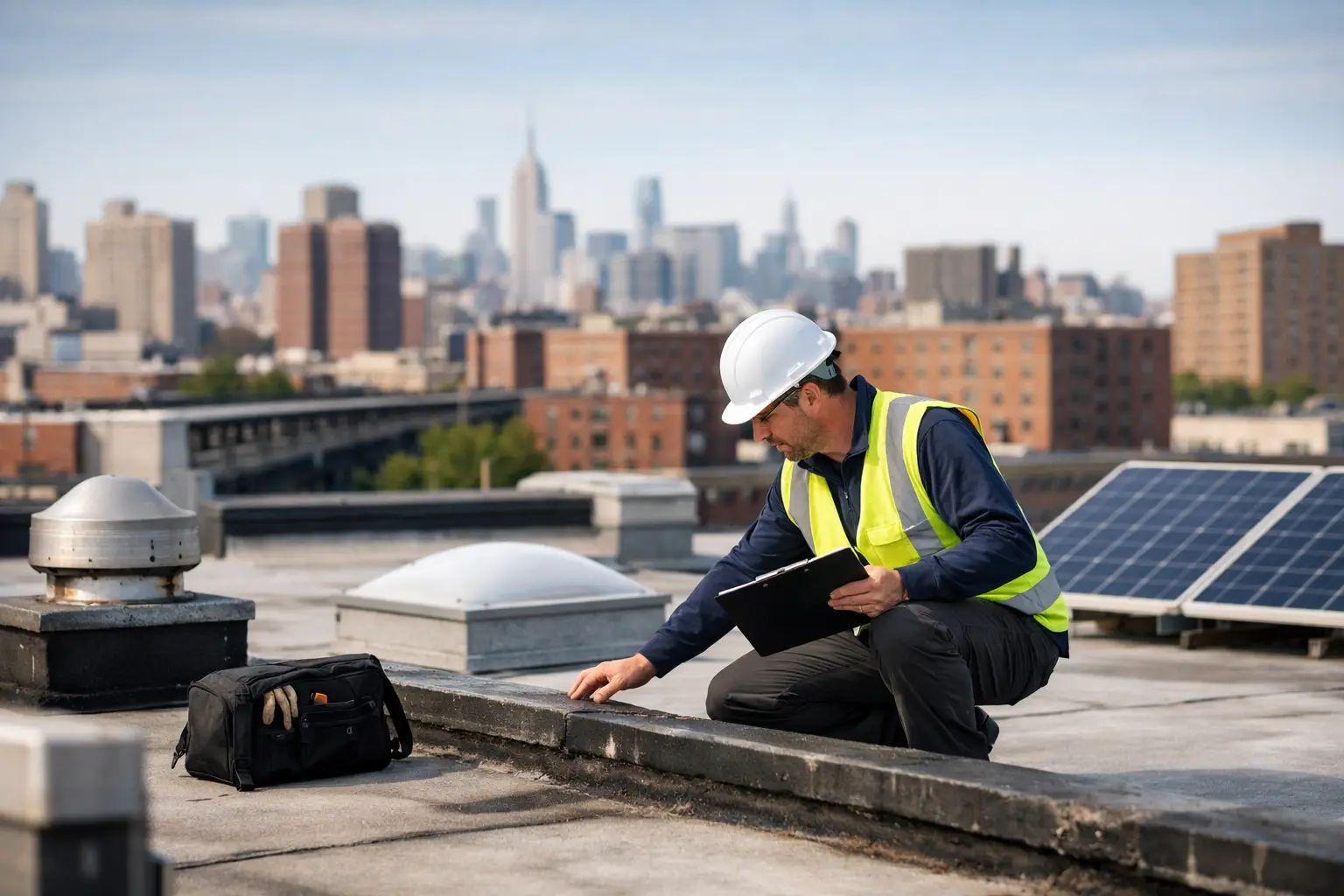
A proper inspection is not just someone looking for a hole. It should be a full condition check of the roofing system and the areas around it that affect performance. On many Bronx properties, especially row buildings, mixed-use properties, and multifamily structures, the roof is part of a bigger envelope. Water does not always enter where it shows up.
The inspector should check the roofing surface for punctures, blisters, cracks, open seams, shrinkage, exposed fasteners, and soft spots. On flat and low-slope roofs, drainage needs close attention. Ponding water after a storm is not just an annoyance. Over time, it stresses the system, accelerates deterioration, and raises the chance of leaks.
Flashing is another common failure point. That includes flashing at parapet walls, penetrations, skylights, vents, HVAC curbs, and roof edges. If these details are loose, deteriorated, or poorly sealed, the membrane itself can still be in decent shape while water gets in around the perimeter.
An inspection should also look at gutters, leaders, scuppers, and drains. In the Bronx, debris buildup is a frequent issue, especially after storms and during seasonal changes. A blocked drainage path can send water sideways into places it should never reach.
Why roofs in the South Bronx need closer attention
Not every neighborhood puts the same pressure on a roof. In the South Bronx, many buildings have aging roof systems, multiple past repairs, or long service histories under harsh conditions. That does not automatically mean the roof is failing. It does mean inspection work needs to be careful and honest.
Some roofs have been coated more than once. Some have patches from different contractors using different materials. Some have rooftop equipment, foot traffic paths, or parapet conditions that create weak spots. If you own an older building, the question is not just whether the roof leaks today. It is whether the current system is still performing the way it should under real weather conditions.
This is where experience matters. An inspector should understand the difference between normal aging and active failure. Not every crack means replacement. Not every stain means the roof is the only source. A useful inspection gives you a realistic picture, not a sales pitch.
Common problems found during a South Bronx roof inspection
On residential and commercial properties alike, certain issues come up again and again. Flat roof drainage problems are near the top of the list. Water that sits too long can weaken seams, wear coatings, and expose defects that were not obvious in dry weather.
Flashing breakdown is another big one. Parapet walls often expand and contract with temperature changes, and that movement can open gaps over time. Masonry cracks and failed coping details can also let water into the wall system and down into interior spaces.
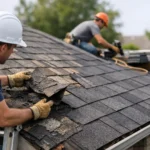
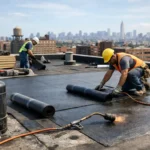
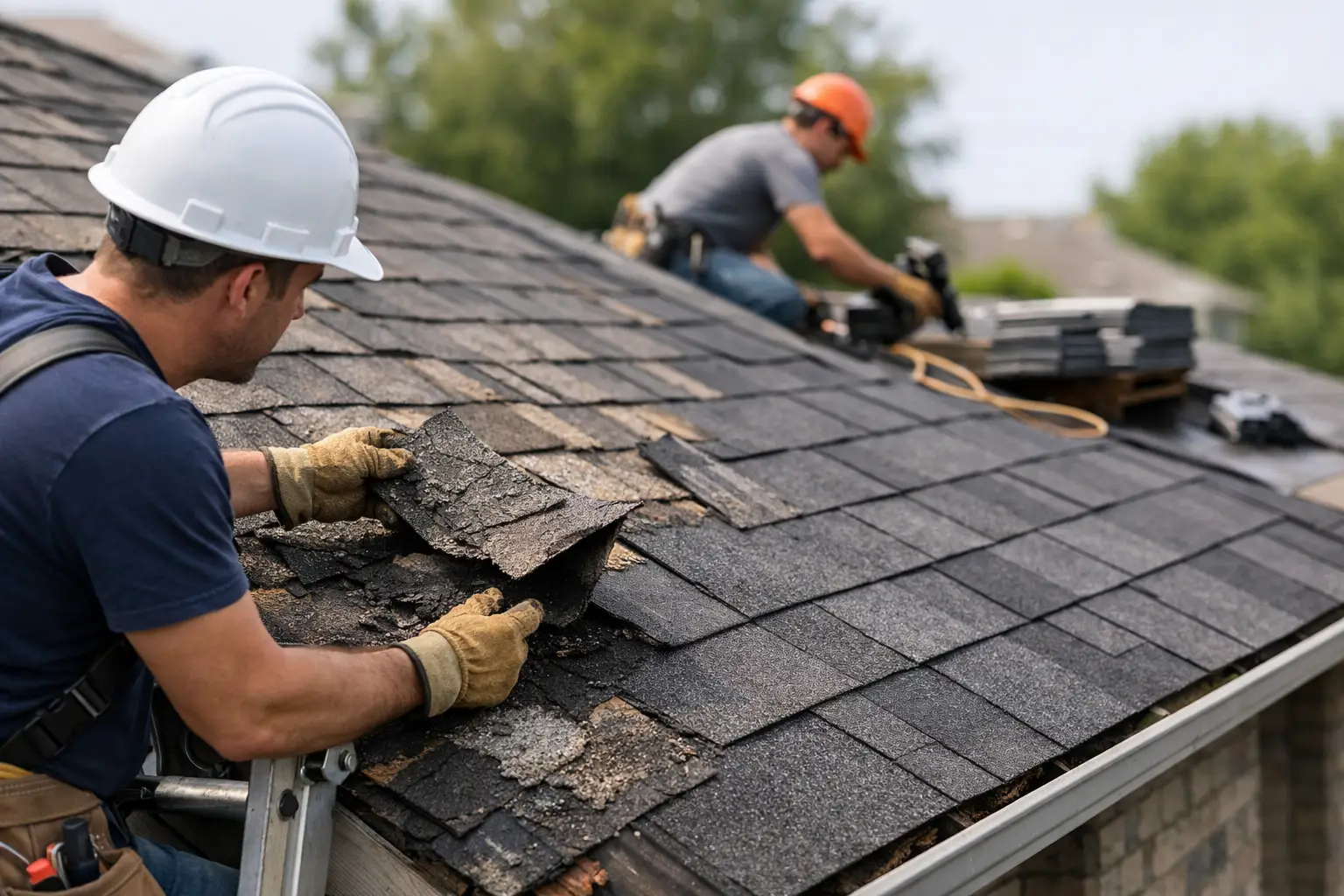
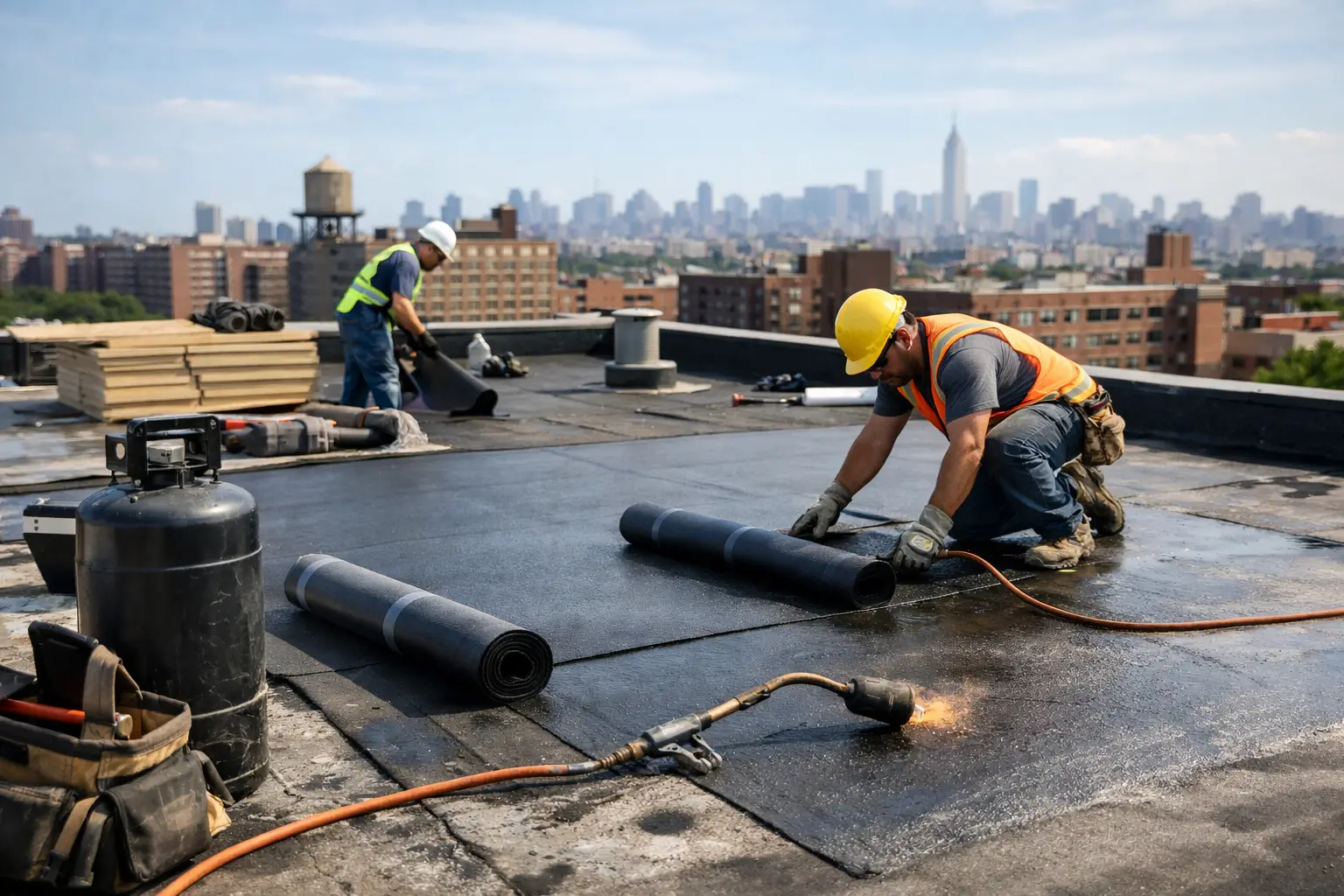
On shingle roofs, inspectors often find lifted tabs, missing shingles, granule loss, and flashing wear around chimneys and vents. On membrane systems like EPDM or TPO, the more common concerns are seam separation, punctures, shrinkage, and poor detail work around penetrations.
There is also the issue of deferred maintenance. A drain basket goes missing, debris collects, water ponds, and then one winter freeze-thaw cycle becomes a bigger problem. A roof does not have to be old to fail early. It just has to be neglected long enough.
When to schedule an inspection
If you see an active leak, the answer is now. But a roof inspection is not only for emergencies. It also makes sense after a major storm, before buying or selling a property, before a repair budget is set, or when a warranty issue may be developing.
Many owners wait until water is inside the building. By then, the roof problem may have already affected insulation, decking, walls, ceilings, or electrical components. A routine inspection can catch trouble before repairs spread into multiple trades.
For commercial buildings and multifamily properties, periodic inspections are especially useful because one roof issue can affect many units or tenants. Even if the roof appears fine from ground level, the actual wear pattern may tell a different story.
What you should expect from the contractor
A reliable contractor should explain findings in plain language. You should know where the problem is, how serious it is, what the repair options are, and whether the roof still has usable life left. Photos help. Clear recommendations help more.
This is also where trust gets built or lost. If every inspection ends with a push for full replacement, that is a problem. Sometimes replacement is the right move, especially when repairs are no longer cost-effective or code issues come into play. But often, targeted repairs and maintenance can buy meaningful time.
Licensed and insured work matters here because roof decisions affect more than surface materials. If flashing, drainage, or structural concerns are involved, the work has to be handled correctly and in line with local requirements. Cheap shortcuts on a New York City roof tend to become expensive fast.
Repair or replacement? It depends on what the inspection shows
Owners usually want a clear answer right away. Can this roof be repaired, or is it time to replace it? The honest answer is that it depends on the extent of damage, the age of the system, the type of material, and how widespread the failures are.
If the roof has isolated trouble spots and the main system is still sound, repairs may be the smart move. That is often true when seams have opened in limited areas, flashing has failed in a few locations, or drainage corrections can solve recurring moisture issues.
If the roof has repeated leaks, saturated insulation, widespread membrane failure, or major aging across the entire surface, replacement may be more practical. Spending money on patch after patch can look cheaper in the moment, but it adds up. A good inspection helps you compare short-term cost against long-term value.
Why documentation matters
For landlords, property managers, and commercial owners, documentation is not just a nice extra. It helps with maintenance planning, tenant communication, insurance questions, and future project decisions. Even for a homeowner, having a record of roof condition can be useful when budgeting or dealing with storm damage.
A contractor that documents conditions clearly is usually showing you how they work. Straight answers, visible proof, and a defined scope are signs that the job will be managed properly. At Global City Restoration, that practical approach matters because clients need to know what is happening on their building, not guess.
The cost of waiting too long
Roof problems rarely stay in one place. A small leak can affect insulation, interior finishes, framing, and air quality. On a commercial property, it can also affect operations. On a multifamily property, it can create complaints in more than one unit before the original entry point is found.
Waiting also limits your options. A small repair is often straightforward. A larger failure may require emergency work, interior restoration, and a much higher bill. That is the real purpose of a roof inspection – catching the issue while you still have choices.
If you own property in the South Bronx, treat your roof like the first line of defense it is. A careful inspection gives you facts, not guesswork, and that puts you in a better position to protect the building before weather and time make the decision for you.