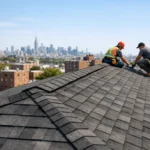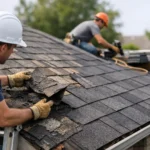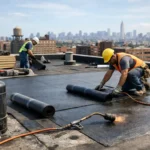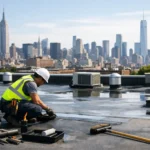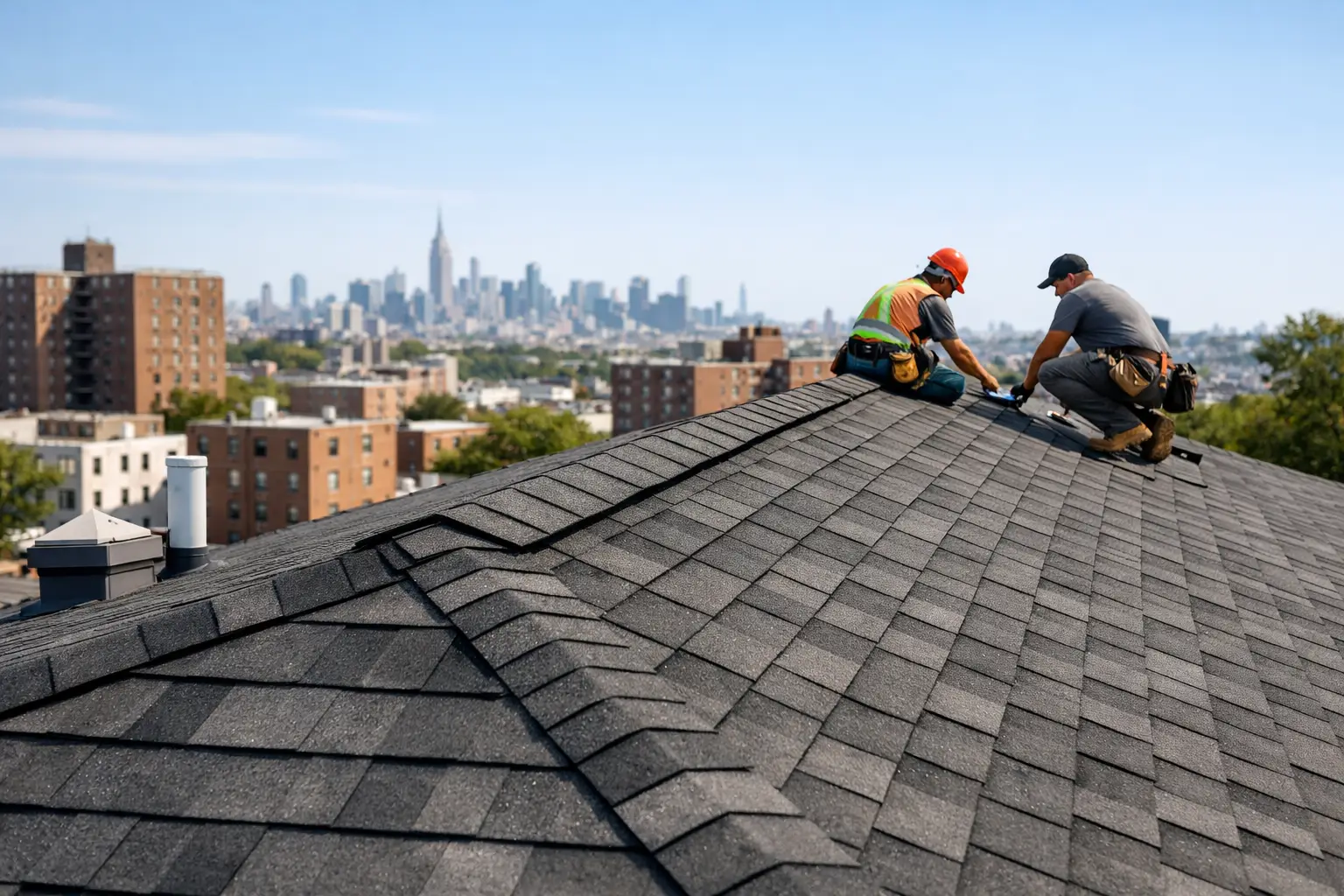
A low-slope roof in New York City takes a beating. Summer heat reflects off neighboring buildings, winter snow sits longer than it should, and heavy rain finds every weak seam, clogged drain, and low spot. That is why tpo roofing installation nyc is not just about putting down a white membrane. It is about building a roof system that can handle standing water, temperature swings, foot traffic, and city code requirements without turning into a leak problem six months later.
For many property owners, TPO makes sense because it is practical. It offers strong weather resistance, heat-reflective performance, and a clean look on flat or low-slope roofs. But the material itself is only part of the job. The real difference comes from how the roof is designed, installed, flashed, and tied into the rest of the building envelope.
Why TPO works well on NYC low-slope roofs
TPO, or thermoplastic polyolefin, is a single-ply roofing membrane commonly used on commercial buildings, mixed-use properties, and some residential flat roofs. In a city like New York, it is popular for one simple reason – it solves a lot of common flat-roof problems when installed correctly.
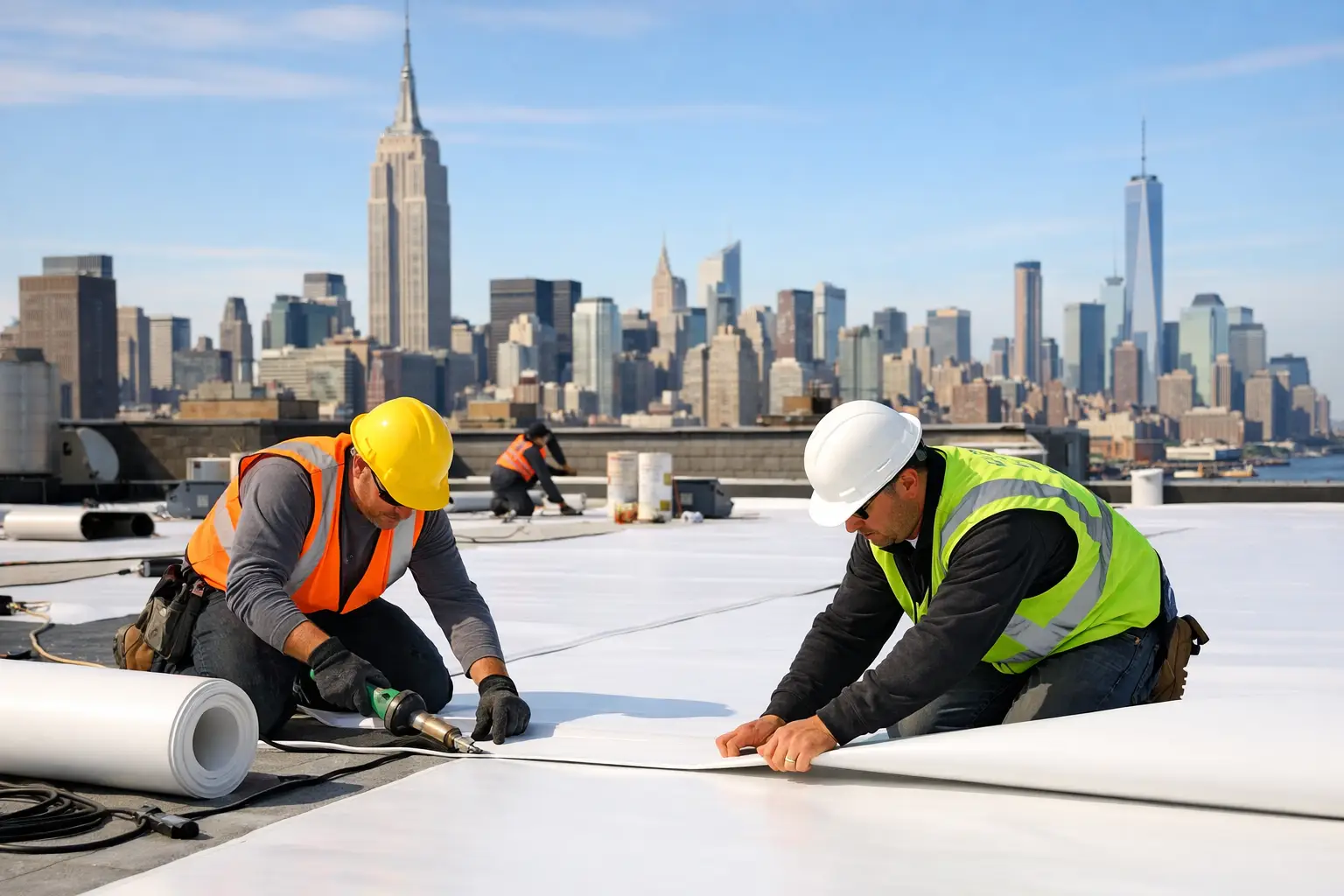
The membrane is heat-welded at the seams, which creates a bond stronger than what you get with many adhesive-based systems. That matters on roofs exposed to wind, ponding concerns, and repeated freeze-thaw cycles. TPO also reflects heat well, which can help reduce rooftop surface temperatures during hot weather. On buildings with top-floor comfort issues, that can be a real benefit.
Still, TPO is not the right choice just because it is popular. Every building has its own drainage pattern, deck condition, insulation needs, parapet details, and rooftop equipment. A good installation starts with those realities, not with a one-size-fits-all pitch.
What good TPO roofing installation in NYC actually includes
A proper TPO roof is a system, not just a membrane roll. If a contractor talks only about the top layer and skips the substrate, insulation, edge metal, penetrations, and drainage, that is a red flag.
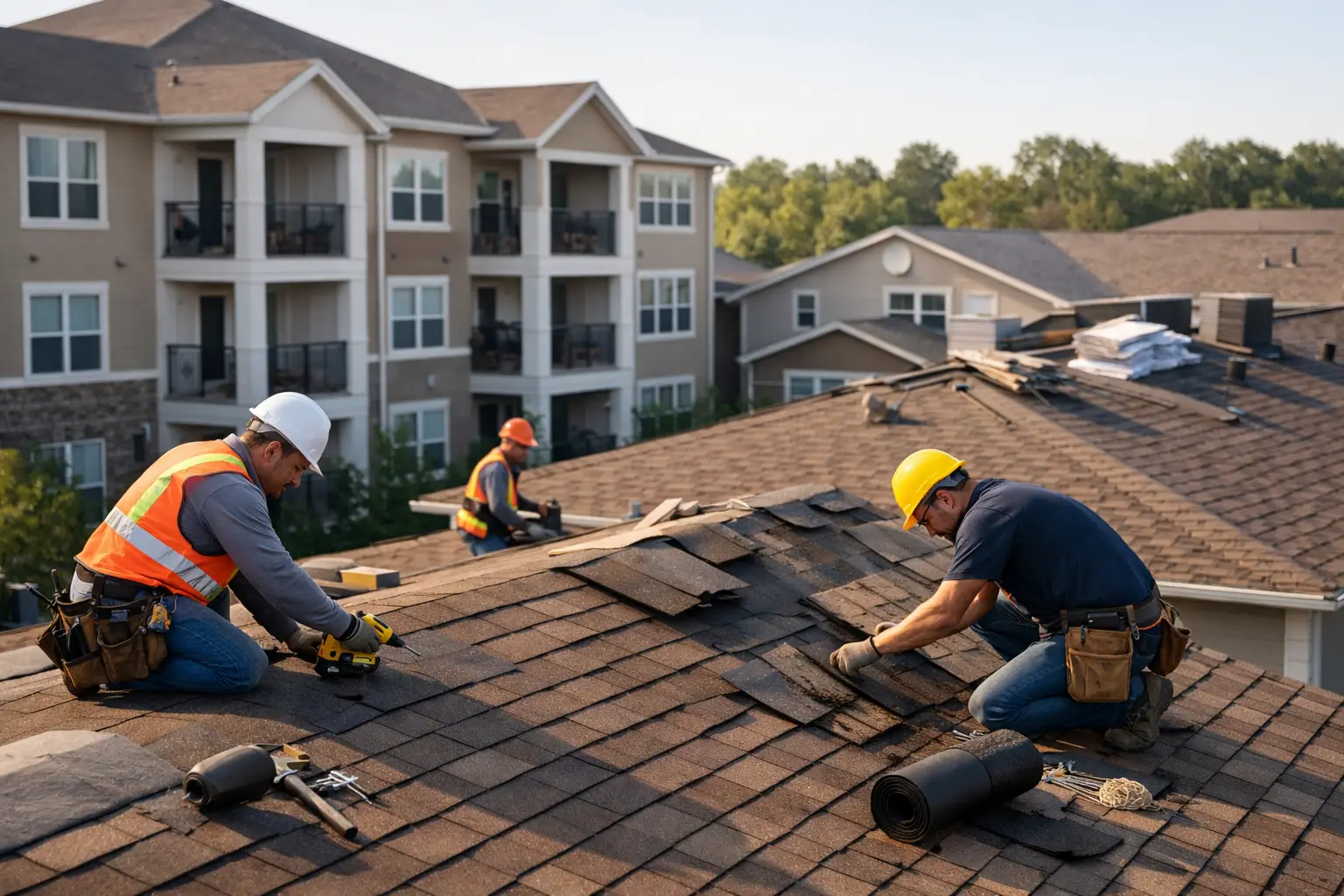
The first step is evaluating the existing roof. In some cases, a recover system may be possible over a sound substrate. In other cases, the roof needs a full tear-off because there is trapped moisture, deteriorated insulation, failing decking, or too many existing layers. On older NYC buildings, hidden damage is common, especially around drains, parapet walls, skylights, and mechanical curbs.
Once the roof structure is confirmed, the next piece is insulation and slope. This is where many long-term problems begin or get solved. A flat roof should not really be flat. It needs positive drainage, which may require tapered insulation to move water toward drains, scuppers, or gutters. If water sits in the same areas after every storm, the membrane may hold up for a while, but the roof system will age faster and become harder to maintain.
After that comes attachment method. TPO can be mechanically attached, fully adhered, or installed with induction-welded systems depending on the building, wind exposure, deck type, and budget. Mechanically attached systems are often cost-effective and common on larger commercial roofs. Fully adhered systems can offer a cleaner appearance and may perform better in certain configurations, but they usually cost more. The right choice depends on the building, not just the lowest price.
Then there are the details that make or break the job: flashing walls, curbs, penetrations, inside corners, outside corners, pitch pockets, drains, and termination points. These areas leak first when crews rush or cut corners. Good workmanship shows up where the membrane turns up walls, wraps around rooftop units, and seals transitions.
The biggest mistakes property owners should avoid
Price shopping on flat roofing is understandable, especially in NYC, where repair and replacement costs add up fast. But a low bid on TPO often means something is being skipped. Sometimes it is proper insulation thickness. Sometimes it is tear-off work. Sometimes it is edge metal, drain work, or labor quality.
Another common mistake is assuming all white membrane roofs are basically the same. They are not. Membrane thickness matters. Manufacturer specifications matter. The condition of the deck matters. A 45 mil system on a roof with drainage problems is not the same as a 60 mil or 80 mil system installed over properly sloped insulation with solid flashing details.
There is also the issue of patching a failing roof for too long. TPO repair can be a smart option when damage is localized and the system is still in serviceable shape. But if seams are failing in multiple areas, insulation is saturated, and leaks keep returning, repeated patchwork usually costs more over time. At that point, replacement is often the safer financial decision.
How NYC weather and code affect the installation
New York City roofing work is not just about weather exposure. It is also about code compliance, building access, occupied spaces, and jobsite logistics. Material staging, noise limits, protection of adjoining areas, and coordination with tenants or businesses all affect how the job gets done.
Weather exposure matters because low-slope roofs in the city deal with more than rain. Snow load, ice, high winds, summer UV, and wide temperature swings all put stress on the roof assembly. That is why attachment methods, seam welding, insulation layout, and flashing work need to be handled with care.
Code requirements also affect insulation values, fire ratings, and approved assemblies. On many buildings, you cannot just swap one roof for another without considering the full assembly and whether it meets current requirements. A contractor who knows NYC roofing should be able to explain what the building needs, what options make sense, and where costs are coming from.
Is TPO right for every building?
Not always. TPO is a strong option for many flat and low-slope roofs, but there are cases where another system may fit better. If the roof sees heavy traffic, has unusual chemical exposure, or has specific structural or usage demands, another membrane or roofing assembly may be worth discussing.
That said, TPO is often a very smart fit for apartment buildings, mixed-use properties, retail spaces, warehouses, and residential extensions with low-slope roof areas. It gives property owners a balance of performance, cost control, and energy efficiency. For many NYC buildings, that balance is exactly what they need.
What the installation process usually looks like
Most TPO projects begin with an inspection and measurement, followed by a written scope of work. That scope should explain whether the roof is being torn off or recovered, what insulation is being installed, what membrane thickness is being used, and how flashing and drainage details will be handled.
During installation, the roof is prepared section by section. Damaged materials are removed if needed, the deck is checked, insulation is installed, and the membrane is laid out and secured. Seams are heat-welded, detail work is completed, and the roof is inspected as the project moves along. On occupied buildings, keeping the work organized matters just as much as getting it done fast.
The final stage should include a clean jobsite, documented completion, and warranty information. Property owners should know what was installed, where problem areas were corrected, and what to watch going forward. Clear communication matters here. You should not be left guessing what changed on your own building.
Choosing a contractor for TPO roofing installation NYC
The right contractor should be able to explain the roof in plain language. If your drains are part of the problem, they should say so. If your parapet walls are letting water in, that should be part of the conversation. If the roof can be repaired instead of replaced, that should be on the table too.
Look for a licensed and insured contractor with real low-slope roofing experience, not just general exterior work. Ask how they handle drainage correction, flashing details, insulation upgrades, and warranty coverage. Ask who is managing the project and how updates will be communicated. A dedicated project manager and photo documentation can save a lot of confusion, especially on multi-family or commercial properties.
At Global City Restoration, that practical approach matters because roof work in NYC is rarely simple. Buildings age differently, leak paths are not always obvious, and the right solution has to match the structure, the budget, and the way the property is used.
TPO can be a very good roofing system in New York City, but only when the installation is built around the building instead of around a sales pitch. If your roof is showing signs of age, holding water, or leaking after storms, the best next step is not guessing. It is getting a clear assessment and fixing the problem before the next season makes it more expensive.