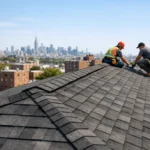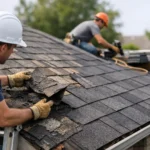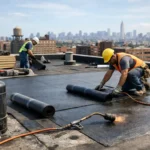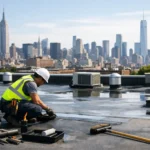
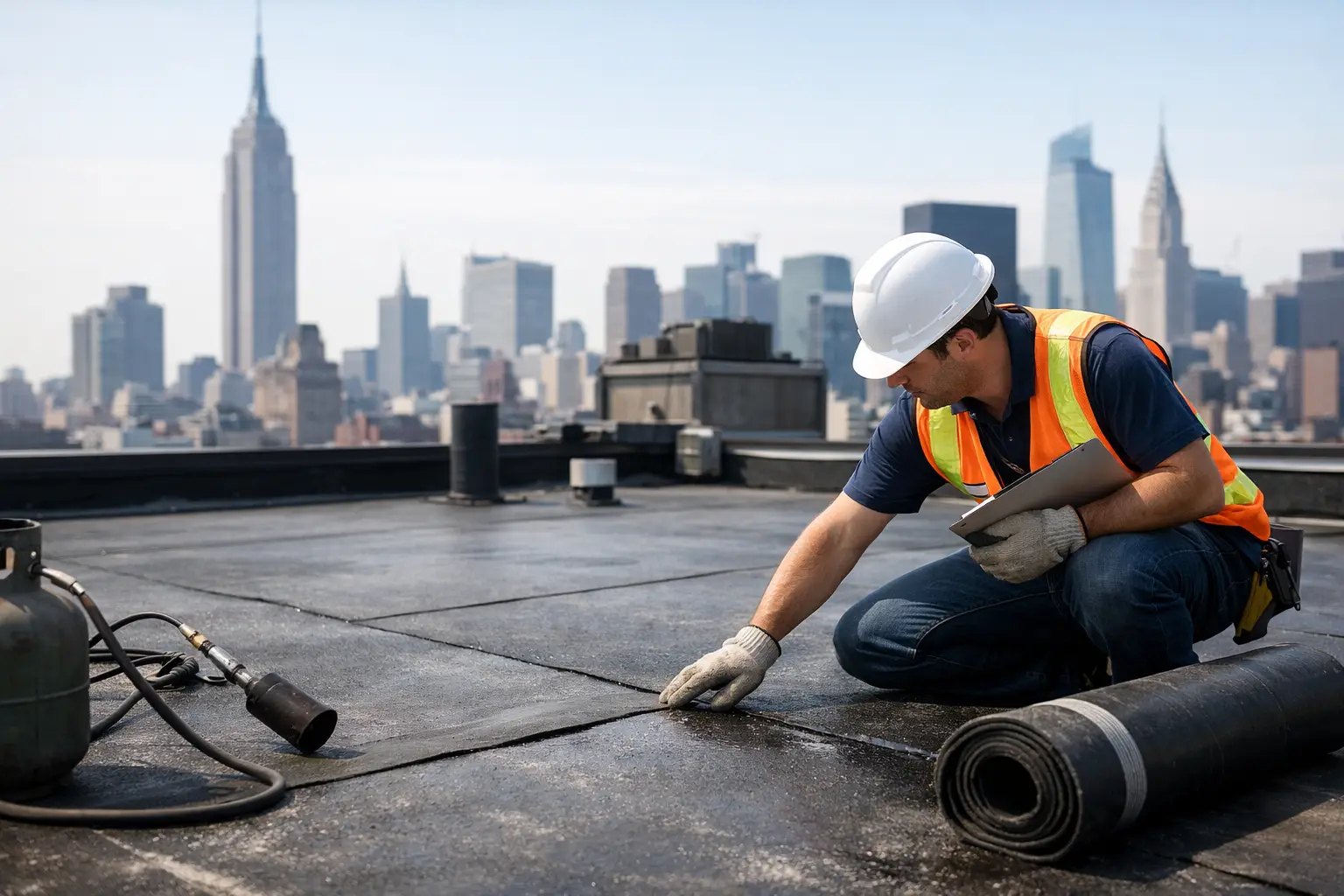
A low-slope roof in New York does not get many easy seasons. It takes summer heat, winter freeze-thaw cycles, wind-driven rain, and the kind of ponding water that turns a small weakness into a real leak. If you are looking for a 4 ply roofing contractor NYC property owners can rely on, you are not just buying material. You are hiring someone to protect the building below it.
That matters even more with 4-ply roofing. This system has a strong reputation for durability, but only when the roof is installed correctly, flashed properly, and maintained with the building’s drainage and exposure in mind. On paper, one contractor may look a lot like the next. On the roof, the difference shows up fast.
What a 4-ply roof is really doing
A 4-ply roof is a built-up roofing system made with multiple reinforcing layers and asphalt or bitumen, topped with a protective surface. The point is not just thickness. The point is redundancy. If one layer takes stress, the full system still has backup.
That is one reason many owners of multifamily, mixed-use, and commercial buildings still choose it for low-slope applications. A properly installed 4-ply system can handle tough city conditions well, especially on buildings where long-term performance matters more than chasing the lowest upfront price.
Still, there is no one-size-fits-all answer. A 4-ply roof can be a smart choice for one property and the wrong fit for another. Roof height, deck condition, drainage layout, access, occupancy, and budget all matter. A good contractor will say that clearly instead of forcing every building into the same recommendation.
Why hiring a true 4 ply roofing contractor NYC matters
Not every roofer who works on flat roofs is experienced with 4-ply systems. That is where owners get into trouble. A contractor may know basic patching or general replacement work but still miss the details that make or break a built-up roof.
With 4-ply roofing, the sequencing matters. The adhesion matters. The flashing details at penetrations, parapet walls, drains, and edges matter. If those details are rushed, the roof may look finished while already carrying hidden risk.
In NYC, those mistakes get expensive. Water does not stay where it lands. It moves through insulation, wall assemblies, ceilings, electrical paths, and tenant spaces. By the time you see the interior stain, the exterior problem has usually been there for a while.
An experienced contractor should be able to inspect the whole roof system, not just the visible leak area. They should explain whether the issue is isolated failure, widespread aging, trapped moisture, poor drainage, bad prior repairs, or some combination of the above. Straight answers save owners money because they lead to the right scope.
Signs your 4-ply roof needs attention
Some roofs fail loudly. Others give you warning first. If you manage a building or own property in the Bronx, Manhattan, Queens, Brooklyn, or nearby neighborhoods, it pays to catch the signs early.
Interior water stains are the obvious one, but they are not the only one. Blistering, cracking, exposed felts, loose flashing, open seams around penetrations, soft spots underfoot, and recurring ponding water all deserve a closer look. If repairs keep happening in different places every season, that usually means the problem is no longer just local.
Age also matters, but age alone does not decide the outcome. Some older roofs can be repaired and stabilized if the underlying system is still sound. Others need replacement because the damage is too spread out to keep chasing. A dependable contractor will not guess from the ground. They will inspect, document the conditions, and tell you what is actually there.
What to look for in a 4 ply roofing contractor NYC property owners can trust
Start with the basics. The contractor should be licensed, insured, and experienced with low-slope roofing in New York City conditions. That sounds simple, but it is not enough by itself.
You also want a company that communicates clearly. If they cannot explain what they found, what they recommend, and why, that is a problem. Good roofing work starts before installation. It starts with a proper evaluation and a scope that matches the roof.
Look for a contractor who gives you jobsite photos, explains drainage concerns, and points out flashing and edge conditions. Ask whether there is wet insulation, whether the deck appears sound, and whether the current system allows for repair or has reached the point where replacement is more cost-effective.
Project management matters too. On occupied buildings, delays and confusion create their own set of costs. A dedicated point of contact helps keep scheduling, access, material staging, and progress updates under control. That is especially important when weather windows are tight or tenants and businesses are affected.
Warranty coverage should be discussed in plain language. Owners should know what is covered, for how long, and what maintenance expectations come with it. A warranty is useful, but only if the installation is done right in the first place.
Repair or replacement depends on the roof, not the sales pitch
A lot of owners ask the same question: can this be repaired, or do I need a full replacement? The honest answer is that it depends.
If the roof has limited damage in one section, the membrane layers are still performing, and the insulation below is dry, repair may be the right move. That can buy more service life and control costs without overbuilding the scope.
If there are repeated leaks, widespread surface failure, chronic ponding, deteriorated flashing, and moisture trapped in multiple areas, repair may only delay a larger expense. In that case, replacement often makes more financial sense because it addresses the whole system instead of patching around it.
This is where experience matters. A weak contractor may push replacement on a repairable roof because it is a bigger job. Another may keep patching a failing roof because the owner is worried about cost. Neither approach protects the property. The right recommendation is the one that fits the roof’s actual condition and the owner’s timeline.
How NYC conditions change the job
Roofing in New York is not the same as roofing in a less dense market. Access is harder. Material handling is harder. Adjacent buildings, rooftop equipment, parapets, drainage restrictions, and code requirements all affect the work.
That is why local experience matters. A contractor needs to understand how standing water behaves on older city buildings, how freeze-thaw cycles stress vulnerable areas, and how neglected drainage can shorten the life of a roof that should have lasted longer.
They also need to understand that many owners cannot afford disruption. For a landlord, a leak means tenant complaints and potential interior damage. For a business owner, it can interrupt operations. For a property manager, it becomes an emergency that needs a clear plan fast. The contractor you hire should work with that urgency, not against it.
Why cheap bids usually cost more later
With 4-ply roofing, price matters, but so does scope. A low bid may leave out tear-off work, insulation replacement, drain corrections, flashing upgrades, or edge details that the roof actually needs. It may also reflect shortcuts in labor that are hard to see until the first bad weather cycle hits.
That does not mean the highest price is automatically best. It means owners should compare what is included, how the contractor evaluated the roof, and whether the proposal solves the real problem. If one estimate is much lower than the rest, ask why. Sometimes the cheapest number is only cheap because the job is undersized.
A good contractor respects the budget, but they also tell you where cutting corners will backfire. That kind of honesty is worth more than a fast sales pitch.
Choosing a contractor with the right mindset
The best roofing contractor for this kind of work is not the one with the slickest promise. It is the one who treats your roof like the building’s first line of defense. That means careful inspection, code-compliant work, clear communication, and recommendations based on conditions instead of assumptions.
For owners who want practical answers, that is what counts. If a contractor can show you what is happening on the roof, explain the trade-offs, and deliver work that holds up through New York weather, you are dealing with the right kind of company. That is the standard Global City Restoration believes in because roofs do not need hype. They need to work.
If your 4-ply roof is showing signs of age or leaking after every heavy storm, do not wait for a bigger interior problem to force the decision. The smartest move is getting a clear assessment now, while you still have options.