A roof leak in January usually does not start with a hole you can see from the street. It often starts with heat escaping through the roof, snow melting in the wrong spot, and water backing up under shingles or flashing. If you are searching for how to prevent ice dams, the goal is not just stopping a ridge of ice. It is protecting the roof system, the attic, the ceilings, and the walls before winter damage spreads.
In New York City, that matters even more. Older housing stock, mixed roof designs, patched sections, and clogged gutters can all make ice dams worse. On brownstones, row houses, small commercial buildings, and multifamily properties, one weak area can turn into interior water damage fast.
What causes ice dams in the first place
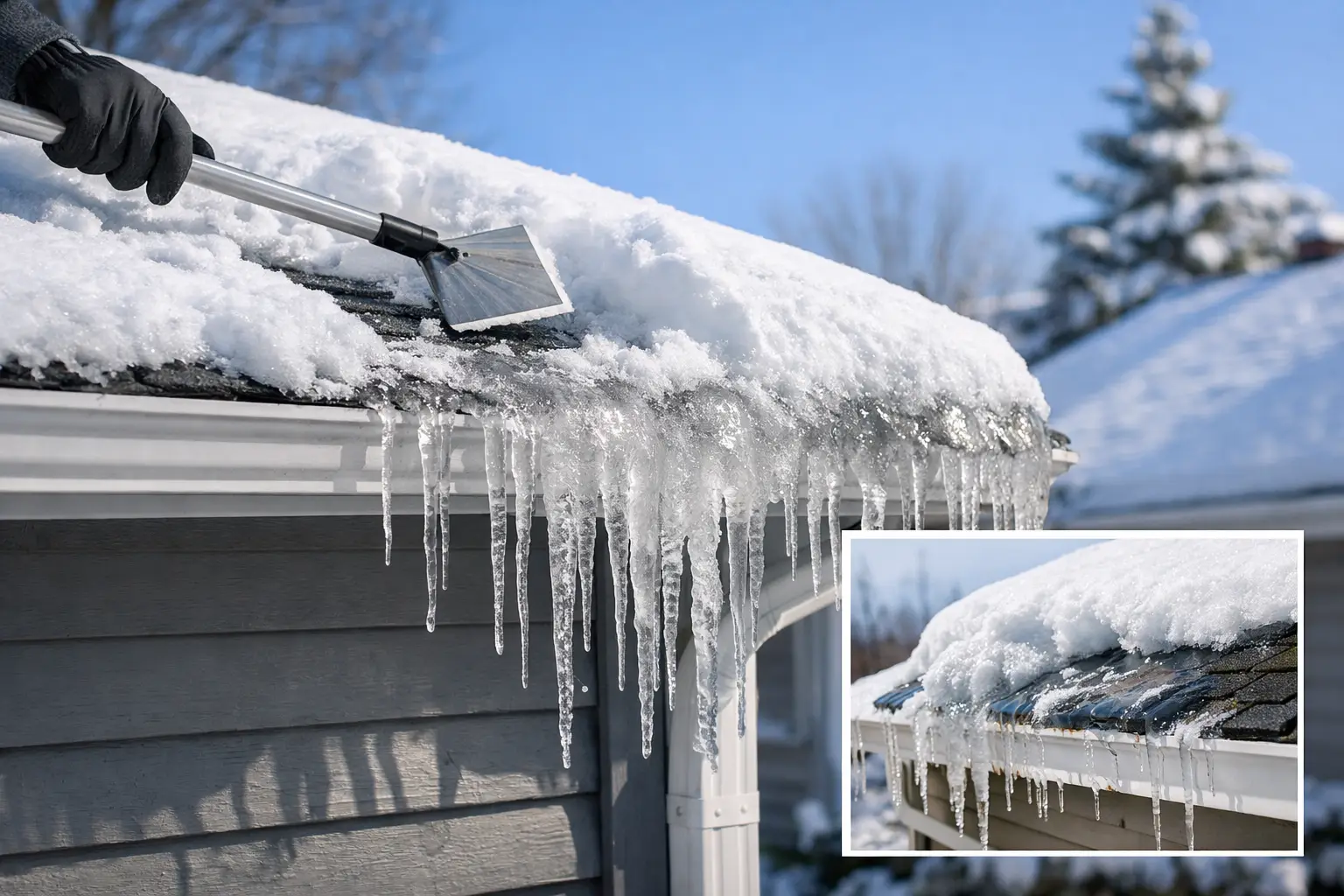
Ice dams form when the upper section of a roof gets warm enough to melt snow, but the colder roof edge stays below freezing. That melted water runs downward, refreezes near the eaves, and starts building a barrier. Once that barrier gets high enough, more meltwater has nowhere to go. It can back up under roofing materials and enter the building.
That is why the real fix is not simply removing snow after every storm. Snow removal can help in some situations, but prevention starts with temperature control and drainage. If the roof surface stays consistently cold, snow is less likely to melt unevenly and refreeze at the edge.
How to prevent ice dams the right way
The most effective approach is to treat the house or building as a full system. Roof problems in winter are often tied to attic insulation, airflow, air leaks, and gutter performance. If one part is off, the roof pays for it.
Start with attic insulation
Poor attic insulation is one of the biggest contributors to ice dams. When warm interior air rises and the attic floor is under-insulated, that heat transfers to the roof deck. Snow melts above the heated area, then refreezes at the colder overhangs.
Adding or upgrading insulation helps keep indoor heat where it belongs. In a single-family home, that may mean improving insulation across the attic floor. In multifamily or mixed-use buildings, the configuration may be more complicated, especially if the top floor ceiling assembly has already been altered during prior renovations. The point is the same – reduce heat loss into the roof structure.
More insulation is not always the whole answer, though. If air is leaking around light fixtures, plumbing penetrations, attic hatches, duct chases, or wall tops, warm air will still find its way upward.
Seal air leaks before winter
If you want to know how to prevent ice dams without wasting money on half-measures, pay attention to air sealing. Heated air escaping into the attic can create warm spots on the roof even when insulation looks decent on paper.
Common trouble areas include recessed lights, exhaust fan housings, pipe penetrations, wiring openings, and gaps around chimneys or framing transitions. In older NYC buildings, these hidden bypasses are common. A roof can look fine from the outside while the attic is overheating from inside air leaks.
Sealing these openings helps stabilize roof temperature, improves energy efficiency, and reduces the chance of moisture problems in the attic. It is one of those repairs that is not flashy, but it prevents expensive damage.
Make sure attic ventilation is balanced
Ventilation matters because it helps remove excess heat and moisture from the attic. Good airflow keeps the roof deck colder and more consistent from ridge to eave. That reduces uneven snowmelt.
But ventilation only works properly when it is balanced and not blocked. Soffit vents packed with insulation, blocked intake paths, or poorly planned exhaust can limit the benefit. On some homes, adding exhaust without enough intake can actually create other issues. On flat or low-slope roof buildings, the design approach may be different depending on the assembly.
This is where roof type matters. A steep shingle roof and a low-slope membrane roof do not handle winter conditions the same way. The right solution depends on the structure, not a one-size-fits-all rule.
Keep gutters and drainage paths clear
Even though attic heat is the main driver, drainage still plays a major role. If gutters are full of leaves, debris, or old granules, meltwater slows down and freezes more easily at the edge. That gives ice dams a head start.
Clean gutters and downspouts before winter. Make sure leaders discharge properly and are not holding standing water. Check that sagging gutter sections are corrected so water can move instead of pooling.
In the Bronx and other dense city neighborhoods, debris buildup can happen quickly, especially on buildings near trees or under neighboring rooflines that shed leaves and dirt. A clogged gutter in December can become a leak call in January.
Pay attention to roof edge details
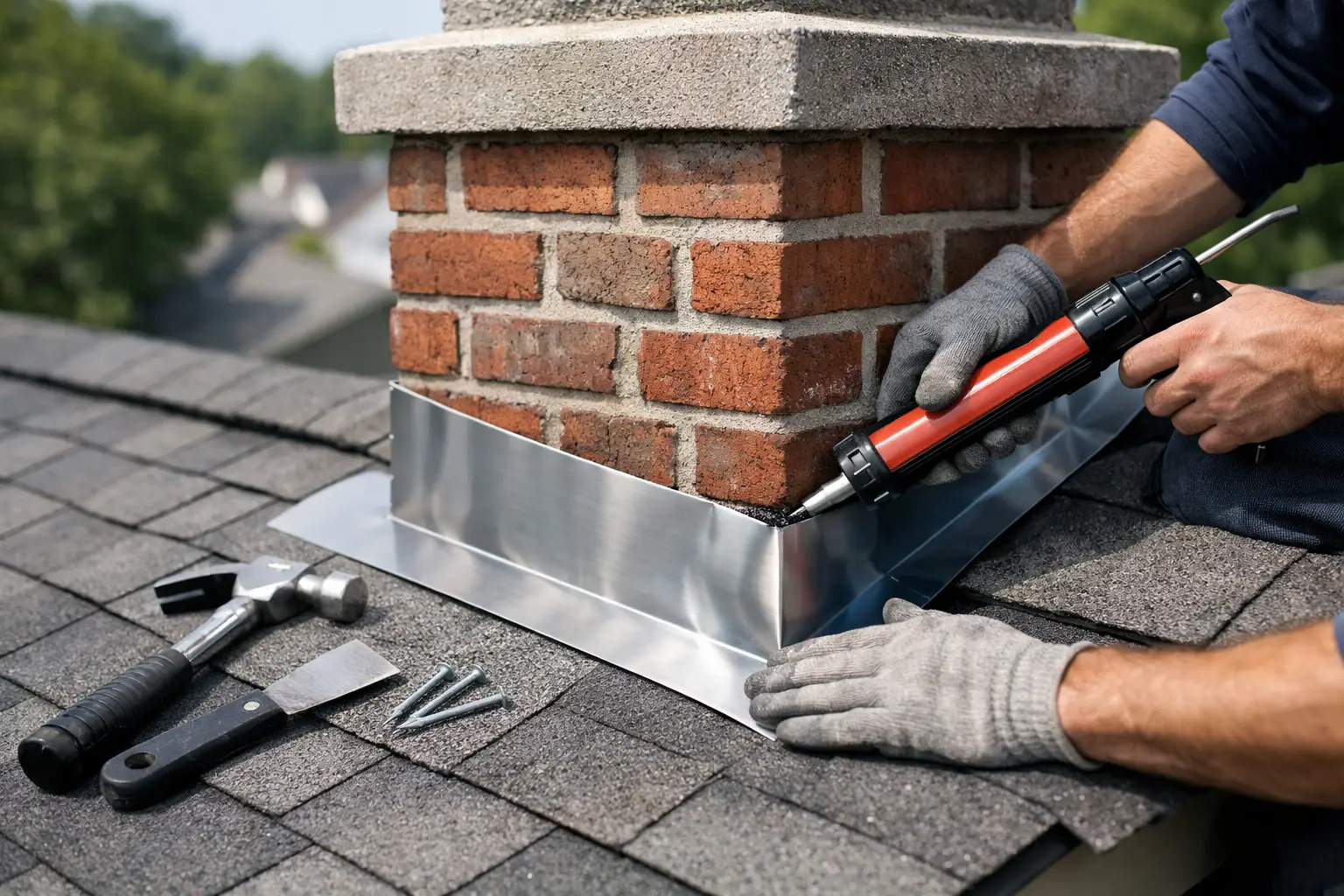
The roof edge is where many winter failures show up first. Damaged drip edge, loose shingles, worn underlayment, and failed flashing all make it easier for backed-up water to get inside.
If your roof is older or has had patchwork repairs over the years, do not assume the edge details are still doing their job. Water from an ice dam exploits weak points. It does not need a major opening.
On sloped roofs, an ice and water shield beneath the finished roofing material is one of the best protections at vulnerable edges and valleys. On replacement projects, this is a basic part of building the roof for winter performance. On existing roofs, you may not know whether that protection is there unless the assembly has been documented.
When snow removal helps and when it does not
Snow removal can reduce the load at the roof edge, but it needs to be done carefully. Pulling snow off with the wrong tools can damage shingles, gutters, flashing, or roof membranes. On icy roofs, it also creates a safety risk.
For small residential situations, a roof rake from the ground may help remove the first few feet of snow along the eaves after a heavy storm. That can reduce refreezing at the edge. But it is not a substitute for fixing insulation, ventilation, or drainage.
For multifamily or commercial properties, especially those with flat or low-slope roofs, snow and ice management should be handled with a clear understanding of the roofing system. Aggressive shoveling can do more harm than good.
Signs your property is at risk
Some buildings are more likely to develop ice dams than others. Warning signs include large icicles along the eaves, uneven snow melting patterns, recurring winter leaks, stained ceilings near exterior walls, and visible frost in the attic.
High heating bills can also be a clue. If too much conditioned air is escaping through the top of the building, you are paying for heat twice – once on the utility bill and again in roof wear.
If the same area leaks every winter, that is not bad luck. It usually means the source condition was never corrected. Temporary patching may stop water for a while, but the next freeze-thaw cycle brings the problem back.
A few prevention steps matter more than gadgets
Heated cables are often marketed as an easy fix. In some cases, they can help create drainage channels through ice at problem edges. But they should not be treated as the main answer. If the building is losing heat badly or the roof edge is poorly detailed, cables are just managing symptoms.
The better investment is usually in correcting the cause. Improve insulation. Seal air leaks. Verify ventilation. Clean the gutters. Repair weak edge details. If the roof is near the end of its service life, replacement with proper underlayment and cold-weather detailing may be the most cost-effective path.
That is especially true for property owners trying to avoid repeat interior damage. One winter leak can mean ceiling repairs, insulation replacement, mold concerns, tenant complaints, and disrupted operations. Prevention is cheaper than cleanup.
When to bring in a roofing professional
If you already have recurring icicles, winter leaks, or signs of roof edge damage, it is time for a professional inspection before the next major storm. A qualified contractor should be looking at more than the surface. They should check the roof condition, the drainage setup, the ventilation approach, and any signs that interior heat is driving the problem.
For NYC properties, that practical field judgment matters. Roof geometry, parapets, additions, and past repairs all affect how snow and water behave. A contractor that understands the local building stock can usually spot patterns that a quick visual check will miss.
At Global City Restoration, this is the kind of issue we look at as a system, not just a winter nuisance. The right fix protects the roof, the structure under it, and the money you would rather not spend on emergency repairs.
If you want the short version of how to prevent ice dams, it comes down to this: keep heat out of the roof, keep water moving, and do not ignore early warning signs. Winter always finds the weak spot, so the best time to fix it is before the next freeze does it for you.