A roof can look acceptable from the street and still be near the end of its service life. In New York City, roof systems take a beating from snow, wind, summer heat, heavy rain, and standing water. This NYC roof replacement guide helps property owners make a clear decision before a small leak turns into damaged ceilings, mold, structural repairs, or tenant complaints.
Roof replacement is not just a matter of removing old materials and installing new ones. The right project starts with understanding the roof’s condition, choosing a system that fits the building, correcting drainage issues, and making sure the work meets applicable NYC requirements.
Know When Repair Is No Longer Enough
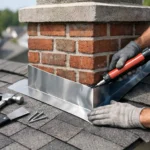
A repair makes sense when damage is isolated and the surrounding roof system is still sound. For example, a single failed flashing detail, a small puncture in a membrane, or a few missing shingles may be repaired without replacing the entire roof.
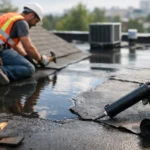
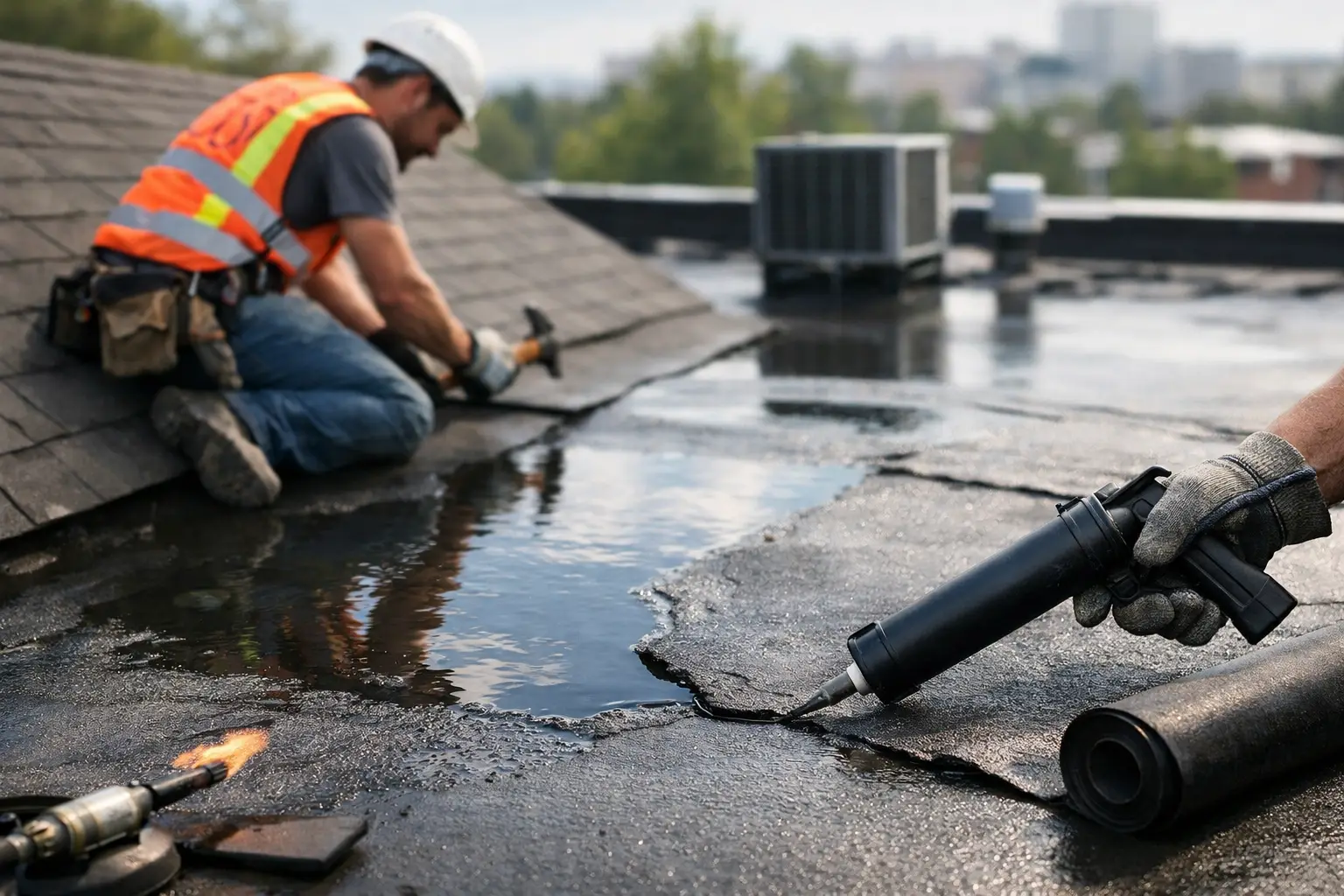
Replacement becomes the better investment when leaks keep returning, the roof has widespread blistering or cracking, seams are failing in several places, or the existing system is at the end of its expected life. On flat and low-slope NYC roofs, persistent ponding water is a major warning sign. Water that remains after rain can speed up material deterioration and expose weak spots that were not visible during dry weather.
Property owners should also pay attention to what is happening inside the building. Stains on upper-floor ceilings, peeling paint, damp insulation, musty odors, and unexplained mold can all point to roof or flashing failures. Do not assume the visible stain is directly below the leak. Water can travel along framing, decking, pipes, and walls before it shows up indoors.
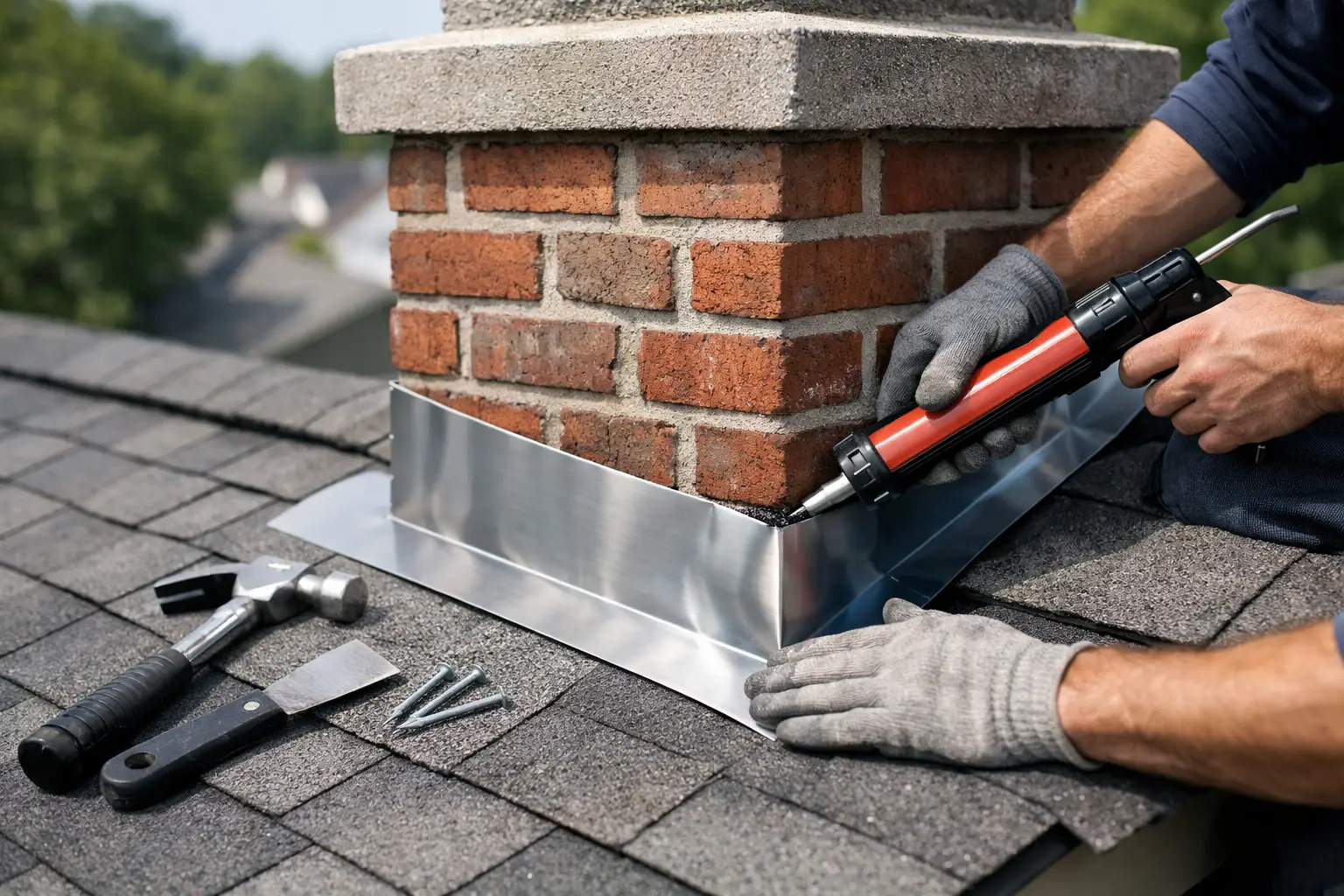
A thorough inspection should identify whether the issue is limited to the surface or has reached the insulation, roof deck, parapet walls, coping, gutters, leaders, or waterproofing around penetrations. Replacing a roof without addressing these connected details can leave the building vulnerable.
NYC Roof Replacement Guide: Start With the Right Scope
The best replacement plan is based on the building, not a one-size-fits-all package. A Bronx single-family home with a steep asphalt shingle roof has different needs than a commercial building with a large low-slope roof in Manhattan or Queens.
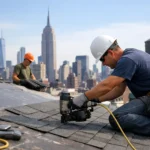
For every project, the contractor should inspect the existing roofing layers, deck condition, drainage paths, flashing, vents, skylights, chimneys, parapet walls, and edge details. This determines whether the old roof can be removed cleanly, whether wet insulation must be replaced, and whether deck repairs are needed before the new system goes down.
Ask for a scope that explains what is included. It should clearly address tear-off or overlay work, replacement of damaged decking when necessary, insulation, membrane or shingle material, flashing, drainage components, cleanup, and warranty coverage. If the quote is vague, it is difficult to compare contractors or know what you are paying for.
An overlay can sometimes reduce upfront cost, but it is not always the right choice. Installing a new roof over an old system may hide trapped moisture, leave damaged materials in place, add weight, and make future repairs harder to diagnose. A full tear-off costs more at the start, but it gives the contractor a chance to inspect the deck and build a sound system from the bottom up.
Choose a Roofing System That Fits Your Building
Material selection should come after an inspection, not before it. Price matters, but so do roof slope, exposure, drainage, maintenance expectations, building use, and the condition of the existing structure.
Flat and Low-Slope Roofs
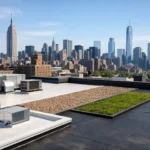
Many NYC residential and commercial properties have flat or low-slope roofs. These systems need dependable waterproofing and proper drainage because water moves slowly across the surface. TPO and EPDM membranes are common options. TPO can provide strong heat reflectivity and welded seams, while EPDM is a durable rubber membrane with a long history on low-slope roofs.
Modified bitumen, hot roofing, and 4-ply roofing systems may also be appropriate depending on the building and the owner’s goals. Multi-layer systems can offer substantial protection, but they require skilled installation and careful detailing at seams, drains, edges, and penetrations.
No membrane performs well if water has nowhere to go. Drains, scuppers, gutters, leaders, tapered insulation, and roof slope all play a role. If a roof ponds after every storm, replacing the membrane alone may not solve the real problem.
Steep-Slope Roofs
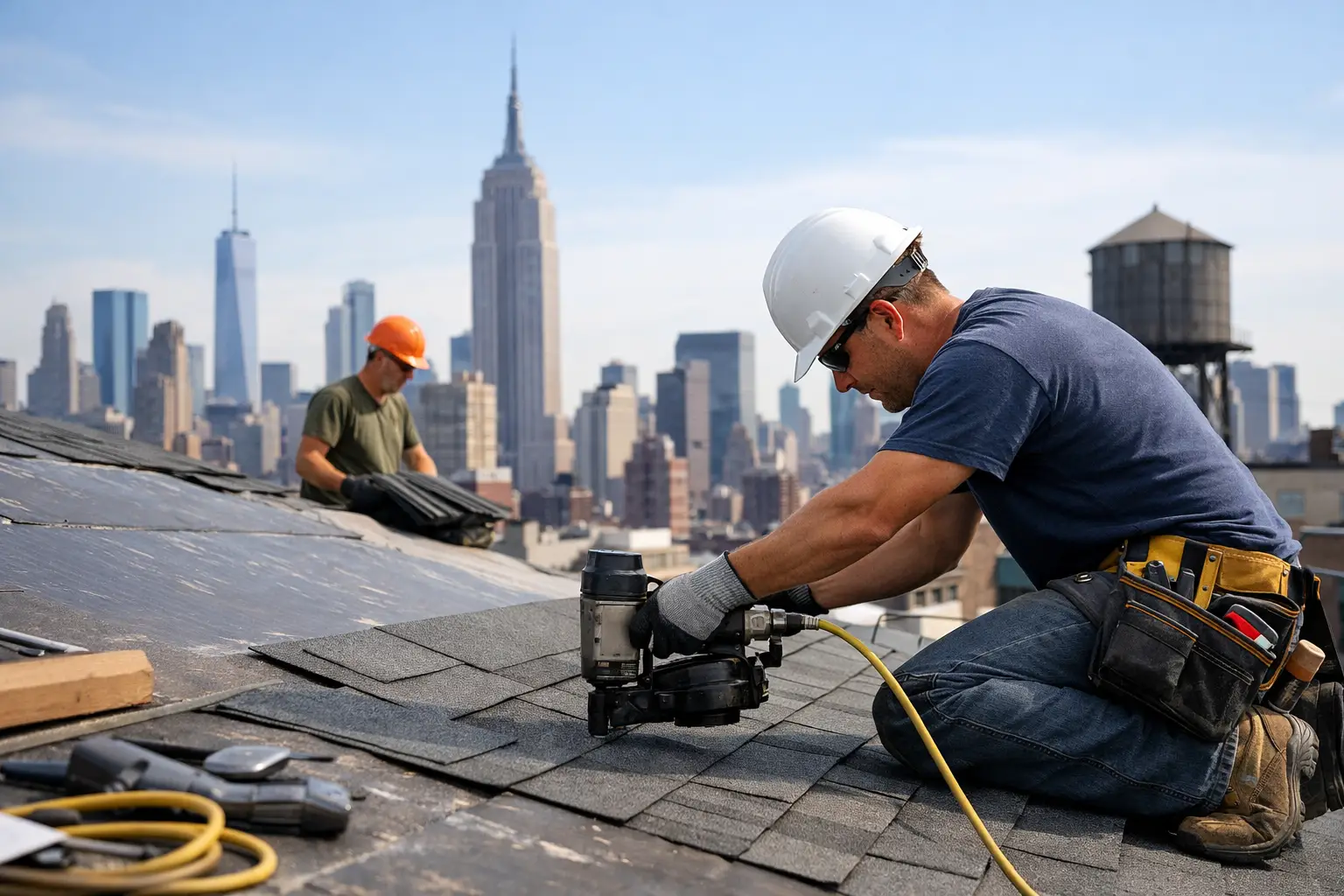
Asphalt shingles remain a practical choice for many homes because they are cost-effective, widely available, and available in styles that fit different properties. A quality shingle installation depends on more than the shingles themselves. Underlayment, ice and water protection where needed, ventilation, flashing, ridge details, and gutter performance all affect how long the roof lasts.
Steel roofing and tile may be suitable for certain properties, but each comes with trade-offs. Steel can be durable and long-lasting, yet it requires correct detailing and may cost more upfront. Tile offers a distinct appearance and strong durability, but its weight and the structure’s capacity must be considered before installation.
Plan for Permits, Codes, and Building Access
NYC roof replacement work may require permits, filings, inspections, or specific code compliance measures depending on the project scope and building type. A qualified contractor should explain the process before work starts, not after materials arrive.
Code-compliant work helps protect the building, but it also protects the owner. Incorrect roof assemblies, poor edge flashing, improper drainage, or unapproved work can create problems during inspections, property sales, insurance claims, or future renovations.
Access is another practical issue in the city. Roofing crews may need to coordinate material delivery, sidewalk protection, parking, roof access, dumpster placement, tenant notices, and work hours. On multi-family and commercial buildings, a clear plan reduces disruption and helps prevent delays.
If your building has rooftop equipment, solar components, satellite equipment, HVAC units, or a roof deck, these items must be accounted for in the scope. Waterproofing around equipment curbs and penetrations is often where leaks begin when details are rushed.
Understand Cost Without Chasing the Lowest Bid
The cost of a roof replacement depends on the roof size, slope, chosen material, number of existing layers, deck repairs, insulation needs, drainage upgrades, access, and permit requirements. A small residential shingle project and a multi-layer commercial flat roof are not comparable jobs.
The lowest estimate may leave out important work. It may exclude disposal, flashing replacement, deck repairs, drain work, insulation, permit handling, or warranty protection. That can turn a seemingly low price into a costly change order once the project is underway.
A fair proposal should show the materials being used and explain what happens if hidden damage is found after tear-off. Some deck repairs cannot be confirmed until old roofing is removed, but the contractor should explain how those conditions will be documented and priced. Photos and direct communication matter. You should be able to see the condition, understand the recommendation, and approve major changes before work proceeds.
Protect the New Roof After Installation
A new roof is a major property investment, and simple maintenance helps preserve it. Keep drains, scuppers, gutters, and leaders clear. Remove loose debris that can trap moisture. After major storms, check for branches, displaced materials, damaged flashing, or water that remains on the roof longer than expected.
For commercial and multi-family properties, scheduled inspections are especially useful. Foot traffic from maintenance crews, HVAC work, and other rooftop activity can damage membranes or seals over time. Catching a small puncture or loose flashing early is far less expensive than replacing wet insulation and repairing interior damage.
Keep your warranty documents, final photos, permit records, and repair history in one place. This information is valuable when planning maintenance, filing an insurance claim, or selling the property.
A roof replacement should leave you with more than new material overhead. It should give you clear drainage, secure flashing, code-compliant installation, and confidence that your property is ready for the next hard NYC storm.