
A flat roof can look fine from the street while water is slowly working its way into insulation, decking, walls, or ceilings. For New York City property owners, learning how to maintain flat roofs is not about making the roof look clean. It is about catching drainage problems, membrane damage, and weak flashing before a small issue turns into an expensive interior repair.
Flat roofs are common across the Bronx and the rest of NYC because they make practical use of building space. They also take a beating. Heavy rain, snow loads, freeze-thaw cycles, summer heat, foot traffic, and wind-driven debris all put pressure on a low-slope roofing system. A consistent maintenance plan helps protect the roof, the building beneath it, and the value of the property.
Start With a Regular Flat Roof Inspection Schedule
A roof should be checked at least twice a year, usually in spring and fall, plus after major storms, prolonged rain, high winds, or heavy snowfall. Commercial and multi-family properties may need more frequent inspections, especially when rooftop equipment, frequent service traffic, or nearby trees create additional wear.
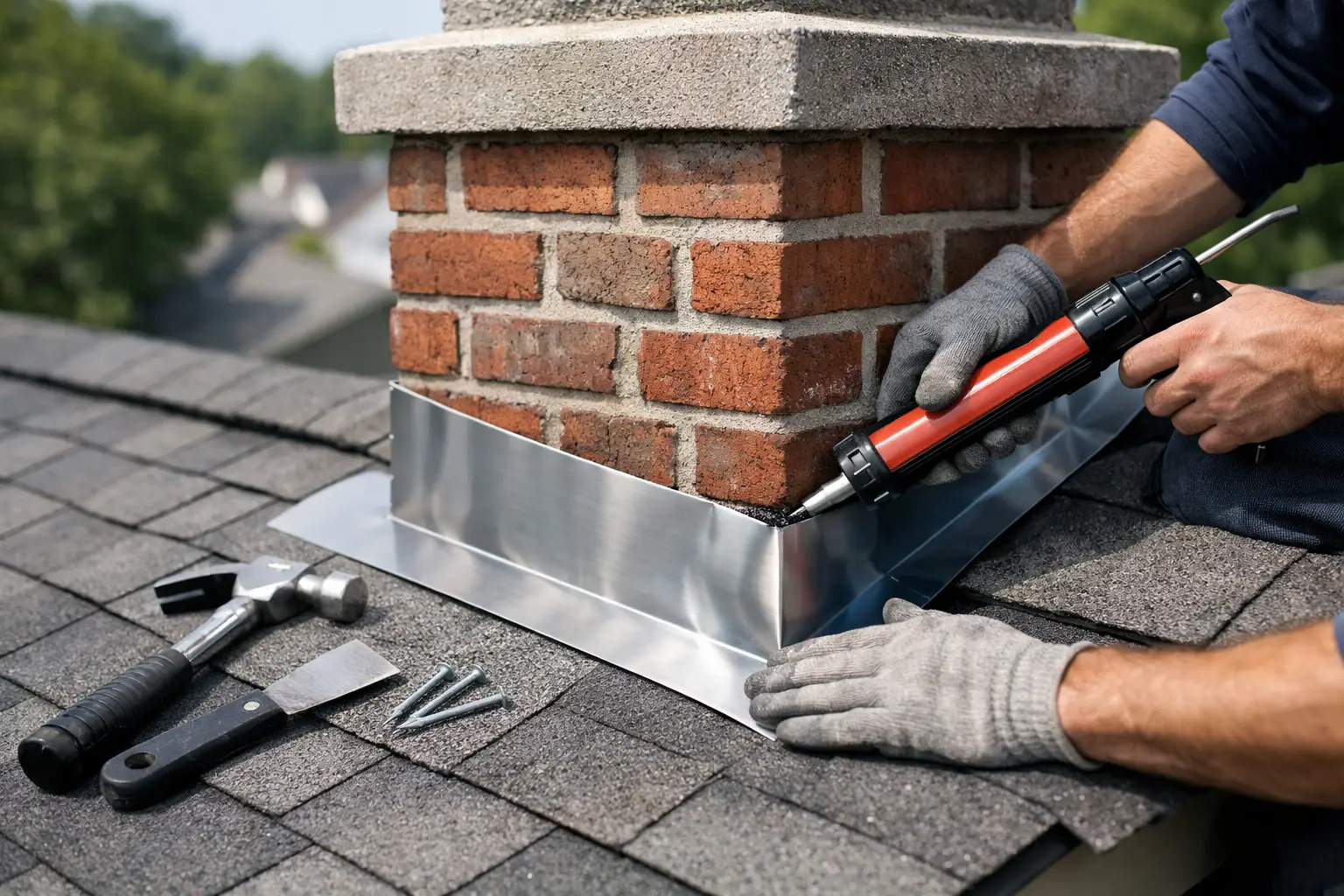
The goal is to identify changes, not just obvious holes. On each visit, look for standing water, clogged drains, loose flashing, open seams, cracked sealant, and damage around penetrations such as vents, pipes, skylights, HVAC curbs, and exhaust equipment. These transition points are where many flat-roof leaks begin.
Do not rely on an indoor ceiling stain as your first warning sign. By the time water appears inside, it may have traveled several feet from the actual roof opening. Taking dated photos during inspections gives property owners and managers a clear record of developing conditions and helps a roofing contractor compare changes over time.
Keep Drains, Scuppers, and Leaders Clear
Drainage is one of the biggest factors in flat roof performance. A flat roof is not truly flat. It has a slight slope designed to direct water toward roof drains, scuppers, gutters, or leaders. When those outlets become blocked by leaves, trash, gravel, tennis balls, or construction debris, water has nowhere to go.
Remove loose debris from the roof surface and clear drain strainers carefully. Check that downspouts and leaders are carrying water away without backing up. If water pools around a drain after a normal rain, the issue may be more than a clog. The roof may have a low spot, a blocked drain line, damaged insulation beneath the membrane, or insufficient slope.
Ponding water should never be ignored simply because it eventually disappears. Water that remains on the roof for more than 48 hours can speed up membrane deterioration, place extra weight on the structure, and expose weak seams. In winter, pooled water can freeze, expand, and make existing defects worse.
Know What to Look for on Your Roofing Material
Maintenance details depend on the roof system. EPDM, TPO, modified bitumen, built-up roofing, hot roofing, and 4-ply systems each age differently. The basic principle stays the same: protect the waterproof surface and address damage while it is limited.
EPDM and TPO Roofs
Single-ply systems are common on low-slope roofs. On EPDM, watch for punctures, loose seams, lifting edges, and deteriorated flashing at walls or penetrations. TPO roofs should be checked for seam separation, surface cracks, punctures, and areas where the membrane has pulled away from a termination bar or edge detail.
Avoid dragging furniture, tools, or sharp materials across either system. A small puncture can allow water below the membrane, where it may go unnoticed until insulation becomes saturated.
Modified Bitumen and Built-Up Roofs
Asphalt-based systems can develop blistering, cracking, splitting, exposed reinforcement, or loose granules as they age. Pay close attention to flashing and the edges of patch repairs. A patch may stop a leak temporarily, but if the surrounding material is brittle or failing, it may be time to plan broader restoration or replacement.
Roof coatings can extend the life of some systems, but they are not a cure for trapped moisture, failed seams, poor drainage, or damaged substrate. The roof needs to be dry, sound, and properly prepared before a coating is applied.
Limit Foot Traffic and Protect High-Use Areas
Flat roofs often attract foot traffic because they provide access to mechanical units, antennas, vents, or building equipment. Every service visit creates a risk of punctures, displaced flashing, and damage to seams. Contractors should use designated walk pads or protection paths where repeated access is necessary.
Property owners should also avoid using the roof as general storage. Loose materials can block drains, scrape the membrane in high winds, and create hidden areas where water collects. If the roof is used as a terrace or for equipment, it needs a maintenance plan designed around that use rather than a standard inspection schedule.
Address Small Repairs Before They Spread
A loose seam, failed pipe boot, cracked flashing detail, or small membrane puncture may be repairable without major work. Waiting changes the equation. Water can saturate insulation, damage roof decking, rot wood components, corrode metal, and create mold conditions inside the building.
Do not cover a leak with roofing cement, caulk, or a store-bought patch and assume the problem is solved. Those materials may not be compatible with the existing roof system, and they can make a professional repair more difficult later. A proper repair starts with locating the source of the water, checking the surrounding membrane, and using materials approved for that roofing type.
For occupied buildings, quick response matters. A leak above apartments, offices, retail space, or storage areas can disrupt tenants and damage finishes, inventory, and electrical systems. Document the condition, protect the interior if needed, and arrange for an experienced roofing professional to inspect the roof promptly.
Prepare a Flat Roof for NYC Weather
New York weather creates different maintenance priorities throughout the year. Before winter, clear drainage paths, remove debris, and repair loose flashing so melting snow can leave the roof. After freeze-thaw periods, inspect seams and penetrations for cracks or separation. Never chip ice aggressively from a membrane, as sharp tools can puncture the roof.
In spring, check for ponding water and winter damage after heavy rain. Summer heat can cause roofing materials to expand and contract, making weak details more visible. After high-wind events, inspect edges, coping, parapet flashing, and any rooftop equipment supports.
Snow removal is a case-by-case decision. Excessive snow load may require professional removal, particularly on older structures or roofs with drainage concerns. However, improper shoveling can cut the membrane or damage flashing. A qualified team knows how to remove snow while leaving a protective layer above the roofing surface.
Keep Records and Plan for the Roof’s Age
Good maintenance includes paperwork. Keep inspection reports, repair invoices, photos, warranty documents, and records of the roofing material and installation date. This information makes it easier to diagnose recurring issues, budget for future work, and support warranty claims when applicable.
A roof nearing the end of its service life may need more than repeated spot repairs. If leaks are recurring across multiple areas, insulation is wet, seams are failing throughout the roof, or drainage problems cannot be corrected with simple repairs, replacement or restoration may be the more cost-effective choice. A professional assessment should explain the condition clearly, show you the problem areas, and separate urgent repairs from work that can be planned.
When to Call a Professional Roofer
Call for a professional inspection when water remains on the roof after two days, you see active leaks or interior stains, seams are lifting, flashing is loose, or roof material has cracked, blistered, or punctured. It is also wise to schedule an inspection before buying a property, renewing a major lease, installing rooftop equipment, or starting exterior work that could affect drainage.
For homeowners, landlords, and building managers, the best flat-roof maintenance is steady and practical: keep water moving, protect the membrane, document what you see, and repair defects before they reach the interior. A roof does not need constant disruption to stay in good shape, but it does need attention before the next storm makes a manageable issue much larger.