The morning after a hard storm is when small roof problems turn into expensive ones. A few lifted shingles, a puncture in a flat roof, or backed-up drainage may not look serious from the ground, but in New York City they can quickly lead to interior leaks, mold, damaged insulation, and structural repairs. If you are wondering how to spot roof storm damage, the goal is not to play roofer yourself. It is to catch the warning signs early and know when a professional inspection makes sense.
Storm damage is not always dramatic. Sometimes there is no tree through the roof and no water pouring from the ceiling. What you see instead are subtle changes – granules in gutters, flashing pulled loose by wind, ponding water that stays too long on a low-slope roof, or damp ceiling spots that appear a day or two later. Those are the issues that property owners often miss.
How to spot roof storm damage from the ground
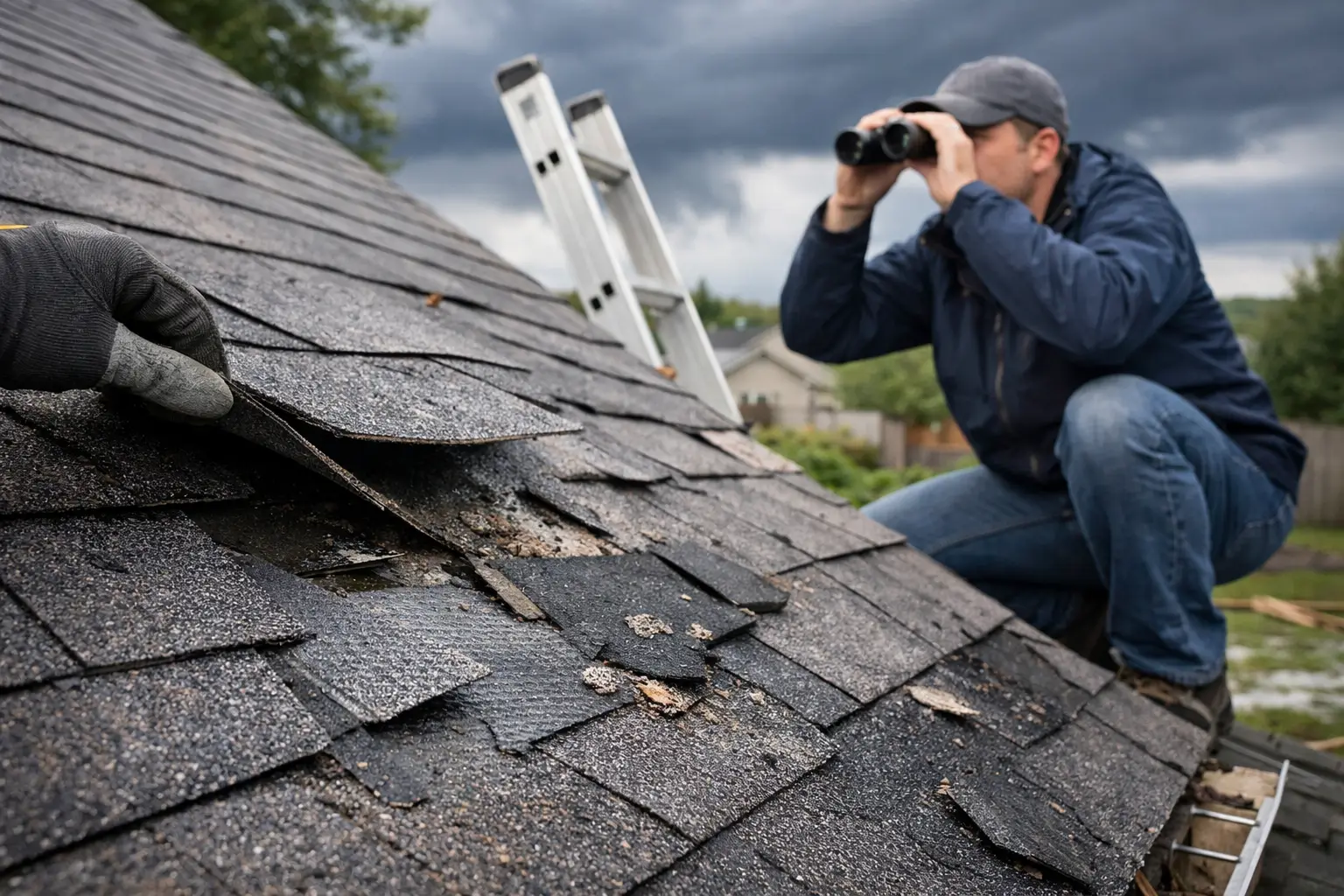
Start outside, and stay outside. A visual check from the yard, sidewalk, driveway, or neighboring angle is the safest first step. Binoculars can help, and your phone camera can be useful for zooming in and documenting what you see.
On shingle roofs, look for missing, cracked, or curled shingles. After strong wind, some shingles may be fully torn off while others lift at the edges and never reseal properly. That second type of damage is easy to miss, but it still creates a path for water. Dark patches can also tell you that asphalt granules have been knocked loose. If you see granules collecting near downspouts or in gutters, the roof surface may have taken a hit.
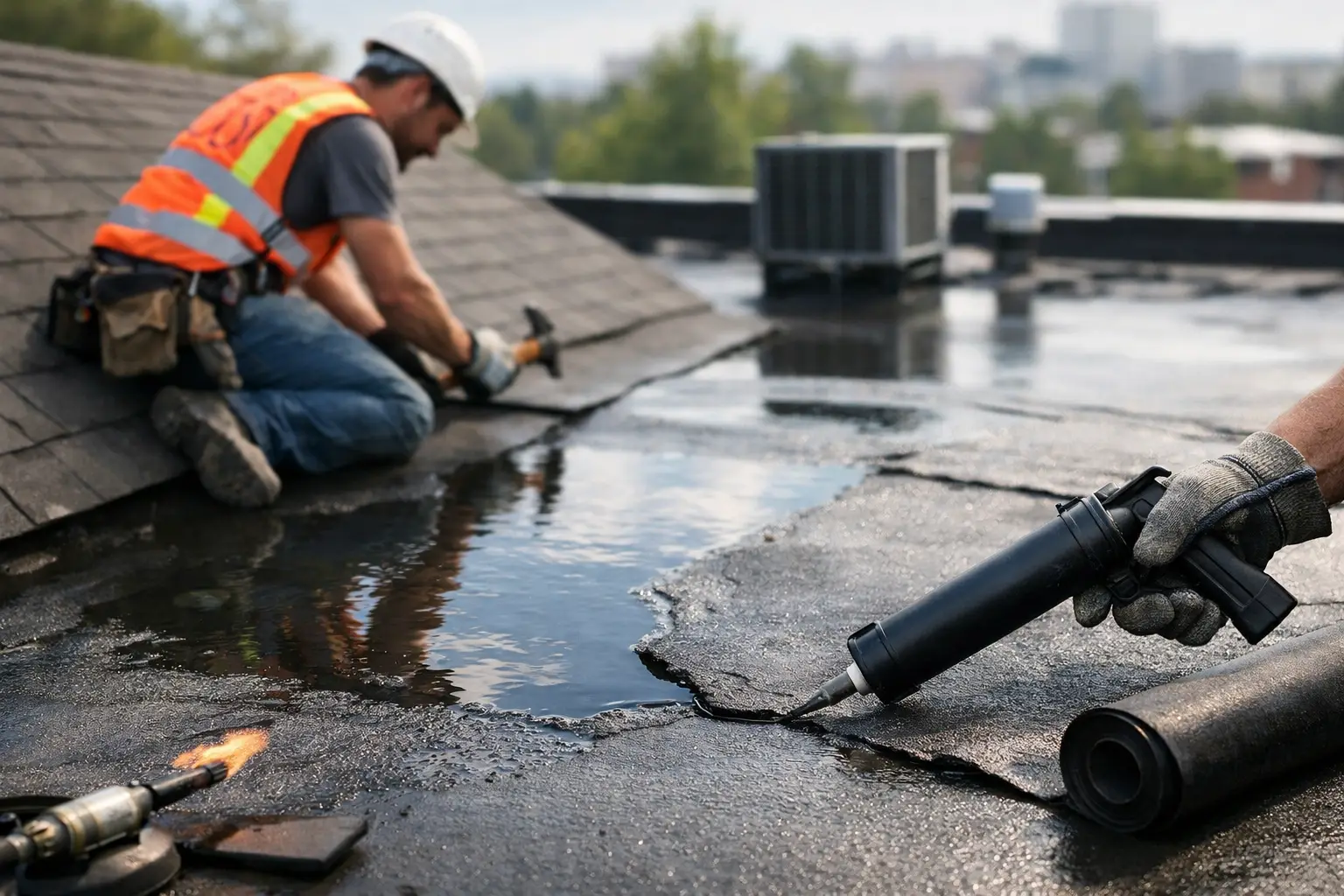
On flat or low-slope roofing, storm damage often shows up differently. You may notice bubbling, punctures from debris, loose seams, shifted membrane sections, or areas where water sits for too long after rain stops. In the Bronx and across the city, many residential and commercial buildings have low-slope roofs, so drainage problems are a big part of the inspection. If water is ponding for more than 48 hours, that is not something to ignore.
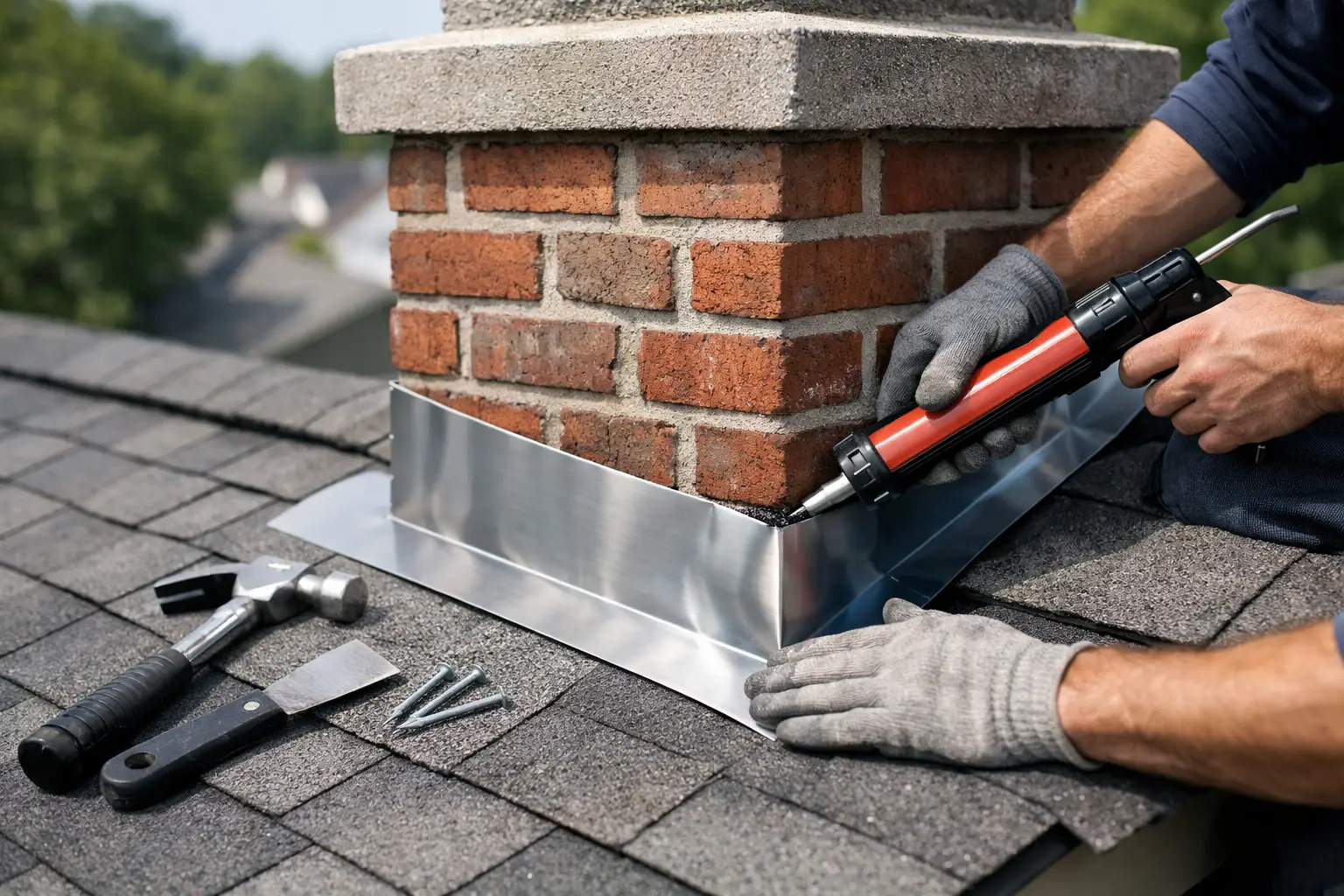
Flashing deserves close attention too. Check the metal around chimneys, parapet walls, roof edges, skylights, and vents. If it looks bent, separated, or lifted, water can get in even when the roof field itself appears fine. The same goes for gutters and leaders. If they are detached, crushed, or clogged with storm debris, runoff may back up onto the roof and into the building envelope.
Interior signs that point to roof storm damage
Some of the best clues are inside the building, especially if the roof damage is not visible from below. Walk the top floor, attic, stairwell bulkhead area, and any room beneath the roof. Look for fresh water stains, peeling paint, bubbling drywall, damp insulation, or musty odors.
Ceiling stains are a common red flag, but timing matters. A leak may not show up during the storm itself. Water can travel along decking, rafters, insulation, or masonry before it finally appears indoors. If a stain shows up a day later, it still may be storm-related.
For commercial properties and multi-family buildings, pay attention to tenants’ complaints after severe weather. Reports of drips near exterior walls, top-floor window lines, or around roof penetrations can help narrow down where damage occurred. Not every leak starts in the exact spot where you see water indoors, so pattern recognition matters.
The storm type changes what damage you should expect
Not every storm damages a roof the same way. Wind, hail, heavy rain, and snow each leave different clues.
High winds often break shingle seals, pull edge materials loose, and tear flashing away from vulnerable points. They can also blow branches and debris onto the roof, creating punctures or abrasion. On older roofs, wind damage is usually worse because the materials are already brittle.
Hail is less common than heavy rain in NYC, but when it happens, it can bruise shingles, crack tiles, dent metal, and damage rooftop equipment. On asphalt shingles, hail impact may leave soft spots, circular marks, or random granule loss. On metal components, you may see clear denting.
Heavy rain exposes weakness fast. If the roof already had worn seams, failing flashing, or poor drainage, a hard downpour will find it. That is why many leaks after a storm are not caused by a brand-new problem alone. The storm may be the event that pushes an existing weak point into failure.
Snow and ice are their own category. Ice dams, freeze-thaw cycles, and standing meltwater can open seams and force water under roofing materials. Flat roofs are especially vulnerable when drainage slows down and snowmelt has nowhere to go.
How to spot roof storm damage on flat roofs
Flat and low-slope systems need a slightly different checklist because the damage tends to be less obvious from the street. If you can safely view the roof from a higher window or adjacent building area, look for sections where water collects, membrane wrinkles, edge separation, open seams, or visible punctures.
Storm debris is another clue. Branches, loose masonry, and wind-blown trash can scrape or pierce EPDM, TPO, modified bitumen, and built-up roofing. Around drains and scuppers, check for blockages. A drain that clogs during a storm can create ponding that stresses the roof surface and increases the chance of leaks.
On older city buildings, parapet walls also matter. If coping stones, cap flashing, or masonry joints are compromised, water intrusion may be blamed on the roof when the problem is partly at the wall line. This is where experience matters, because the right repair depends on where the water is truly getting in.
What not to do after a storm
Do not climb onto the roof unless you are trained and equipped to do it safely. Wet surfaces, loose materials, and hidden soft spots make post-storm roofs dangerous. This is even more true on steep residential roofs and aging low-slope systems.
Do not assume the roof is fine just because there is no active leak inside. Some storm damage stays hidden until the next rainfall. And do not wait too long to document what happened. Take date-stamped photos from the ground, photograph ceiling stains or exterior debris, and make note of when the storm hit and when you noticed changes.
Temporary action can help in some cases. If a branch is hanging over the roof, if gutters are visibly packed with debris at reachable ground-level extensions, or if interior water needs to be contained with buckets and tarps, take practical steps to limit further damage. But the actual roof condition should still be evaluated properly.
When to call for a professional inspection
If you see missing materials, interior stains, sagging sections, ponding water, damaged flashing, or impact from falling debris, it is time to have the roof inspected. The same applies if your building has an older roof and just went through a major weather event. Storm damage is often part visible and part hidden.
A professional inspection should go beyond a quick glance. You want clear photos, a plain-language explanation of what is damaged, and an honest distinction between what needs immediate repair and what should be monitored. That kind of documentation is useful whether you are planning maintenance, budgeting for repairs, or dealing with an insurance claim.
For NYC property owners, code compliance also matters. Roof repairs are not just about patching what leaked today. They need to hold up against the next storm, drain properly, and fit the existing roof system. A rushed repair can cost less upfront and more later if it traps water or fails at the seams.
Global City Restoration works with property owners who need that straight answer after severe weather – what happened, how serious it is, and what it takes to protect the building before the next storm rolls through.
The best time to catch roof damage is before the stain spreads across your ceiling or tenants start calling. If something looks off after a storm, trust that instinct and get it checked while the problem is still manageable.