
A commercial roof inspection guide matters most when the problem is still small enough to fix without tearing into ceilings, disrupting tenants, or shutting down part of your building. On commercial properties, leaks rarely stay simple. Water travels, drains clog, flashing opens up, and what looked like a minor stain can turn into insulation damage, mold, interior repairs, and code issues fast.
If you own or manage property in New York City, inspections are not just a maintenance box to check. They are part of protecting the building envelope in a climate that throws heat, snow, wind-driven rain, and ponding water at low-slope roofs. The right inspection helps you plan repairs on your schedule instead of reacting during the next storm.
What a commercial roof inspection should actually cover
A proper inspection is more than someone walking the roof for ten minutes and saying it looks fine. Commercial roofing systems fail at details first. Seams open. Flashing pulls away. Drainage slows down. Surface damage shows up long before the leak reaches the occupied space below.
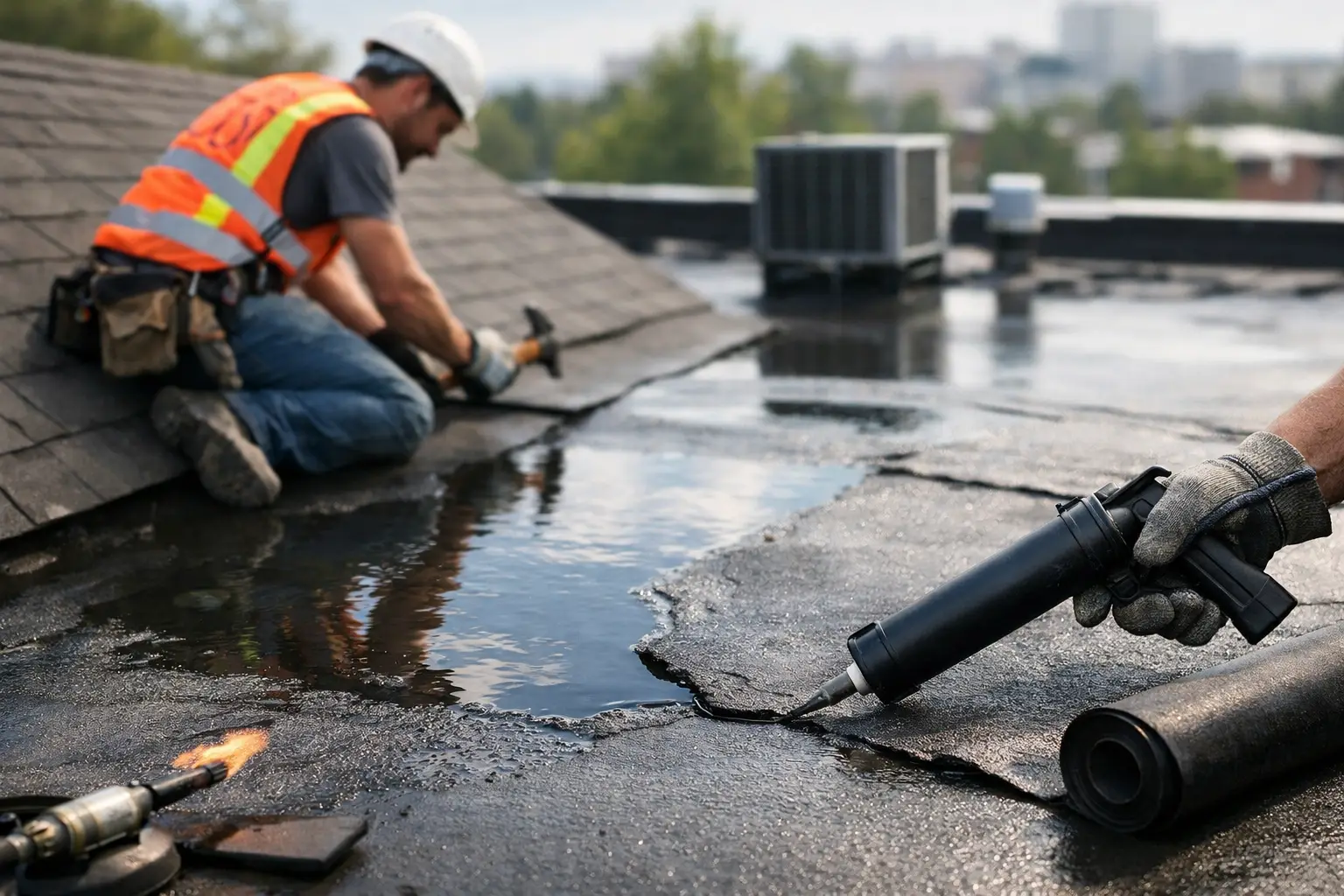
A thorough inspection starts with the roof system itself. That includes the membrane or surface material, visible punctures, open seams, blisters, cracks, loose edges, and signs of UV wear. On flat and low-slope roofs, the inspector should pay close attention to ponding areas because standing water puts extra stress on seams, coatings, and underlying materials.
Drainage is another major part of the job. Roof drains, scuppers, gutters, and leaders need to move water off the building quickly. If they are blocked or undersized for current conditions, the roof can hold water longer than it was designed to. In a city building, that often leads to recurring leaks around penetrations and perimeter edges.
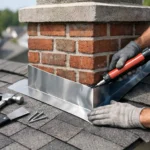
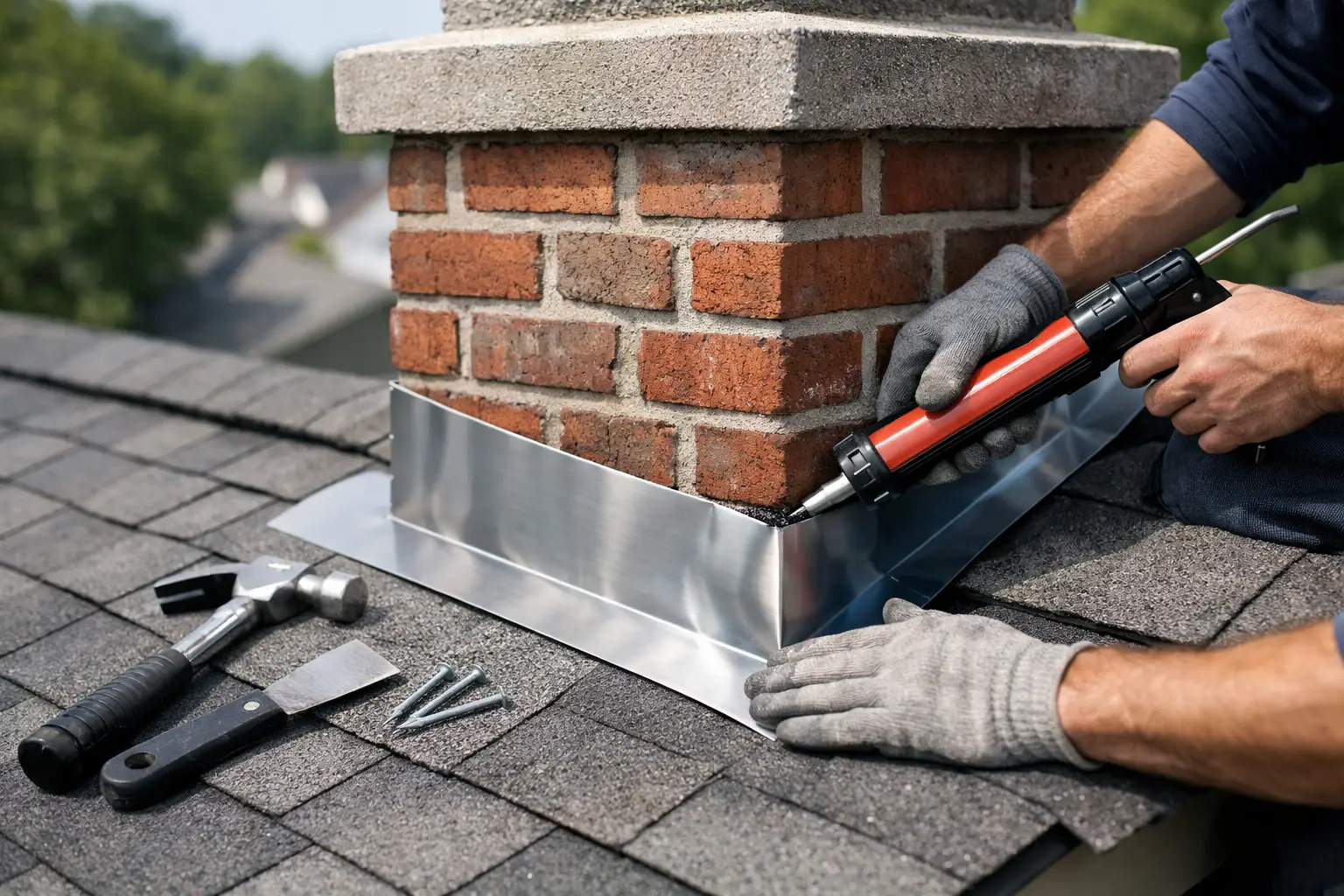
Flashing and penetrations deserve their own attention. HVAC curbs, vents, skylights, pipes, parapet walls, and rooftop equipment create vulnerable points. This is where a lot of commercial roof leaks begin. If the flashing is aging, split, loose, or patched repeatedly, it may still hold for now, but it should not be ignored.
The inspection should also include signs of structural concern or moisture intrusion below the surface. Interior stains, wet insulation, soft spots underfoot, and repeated leak locations can point to hidden damage. Sometimes the membrane still looks decent, but the system under it is already compromised.
When to schedule a commercial roof inspection
Most commercial buildings should have a roof inspection at least twice a year, usually in spring and fall. That timing makes sense because winter can expose drainage and freeze-thaw issues, while summer heat can accelerate membrane wear and seam movement.
You should also schedule an inspection after major storms, especially if your area had high winds, heavy rain, or snow accumulation. Even if there is no active leak inside, wind can lift edges, shift flashing, and loosen rooftop components in ways that are not obvious from ground level.
Older roofs need closer attention. If your commercial roof is approaching the later years of its expected service life, annual checks may not be enough. At that stage, small defects are more likely to become expensive failures. The same applies to buildings with a history of ponding water, prior coating work, or repeated repairs in the same area.
For landlords and property managers, inspections also make budgeting easier. It is easier to plan for repairs or phased replacement when you know the current condition of the roof instead of waiting for an emergency call during a tenant complaint.
A commercial roof inspection guide to common problem areas
Commercial roofs do not usually fail all at once. They weaken in predictable places. The surface field of the roof matters, but the edges and details often tell the real story.
Perimeter flashing is one of the first places to watch. Wind pressure, temperature swings, and age can loosen attachment points. If water gets behind edge metal or wall flashing, damage can spread beyond the roof assembly.
Seams are another weak point on EPDM, TPO, and other membrane systems. As materials age, adhesive bonds and welded seams can separate. A seam problem may start small and still allow water to enter during heavy rain.
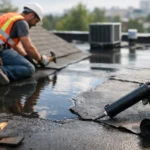
Drains and low spots often reveal maintenance problems. A roof that holds water for days after a storm is telling you something. In New York City, that could mean blocked drains, poor slope, settlement, or a combination of issues. Ponding does not always mean immediate failure, but it shortens the margin for error.
Penetrations around HVAC units are a frequent source of trouble on commercial buildings. Service crews access equipment, tools get dragged across the roof, and foot traffic wears down protective surfaces. If rooftop equipment is active year-round, those areas should be checked carefully every time.
Masonry and parapet conditions matter too. Cracked coping, open joints, and deteriorated wall materials can let water into the system from the side or above. Not every leak blamed on the roof starts in the roof membrane.
What property owners should expect after the inspection
A useful inspection ends with clear findings, not vague language. You should know what was found, where it was found, how serious it is, and what action makes sense now. Photos help. Marked problem areas help more. If the recommendation is repair, you should understand whether it is routine maintenance, a short-term fix, or part of a larger issue.
This is where honesty matters. Not every aging roof needs full replacement, and not every leak can be solved with a simple patch. The right recommendation depends on roof age, material condition, moisture intrusion, recurring failures, and whether repair costs are starting to pile up without solving the underlying problem.
For example, a relatively new TPO roof with isolated flashing issues may be a strong repair candidate. A much older flat roof with saturated insulation, repeated leaks, and broad surface wear may be better suited for replacement or restoration, depending on what the inspection shows.
Repair, restore, or replace – how the inspection guides the decision
This is where a lot of commercial owners lose money. They keep paying for emergency patches because replacement feels too expensive, but the total repair cost over time starts chasing the price of a proper project.
An inspection helps draw the line. If the roof is structurally sound, the substrate is dry, and the defects are limited, repairs can buy meaningful time. If the roof has widespread wear but the base system is still viable, restoration or coating may make sense. If moisture is trapped throughout the assembly or major details are failing across the roof, replacement may be the safer long-term decision.
There is no one-size-fits-all answer. A warehouse roof, mixed-use building, and small commercial storefront can all have very different needs, even if they leak in the same week. Budget matters, but so do tenant impact, building use, warranty options, and how long you plan to hold the property.
Why local conditions change the inspection process
Commercial roofs in dense city environments deal with more than weather. They deal with debris, foot traffic, neighboring structures, drainage limitations, and equipment loads. In places like the Bronx and across NYC, many buildings also have aging roof assemblies layered with previous repairs, coatings, and modifications. That history matters during an inspection.
A roof may have one visible issue and three hidden ones tied to old work. That is why experience with flat roofs, hot roofing, 4-ply systems, EPDM, and TPO makes a difference. The material matters, but the building context matters too.
At Global City Restoration, that practical approach is simple: inspect what is there, document what is failing, and explain what will actually protect the building. No guessing, no inflated language, and no pushing a bigger project when a targeted repair will do the job.
How to get more value from every inspection
Property owners get the best results when inspections are part of a roof maintenance plan instead of a reaction to leaks. Keep records. Save photos. Track where repairs were made and whether the same spots keep coming back. If a contractor points out drainage issues, do not treat that as cosmetic. Water management is roof protection.
It also helps to address small exterior issues before they grow. A clogged leader, loose coping, or cracked seal around a penetration may not seem urgent on a clear day. During the next storm, that same defect can send water into insulation, wall assemblies, and occupied units.
A commercial roof does not need attention because it is fragile. It needs attention because it protects everything underneath it. The buildings that hold up best are usually the ones where owners catch problems early, fix them clearly, and stop asking a tired roof to do more than it can.