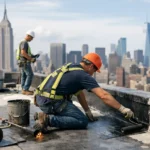
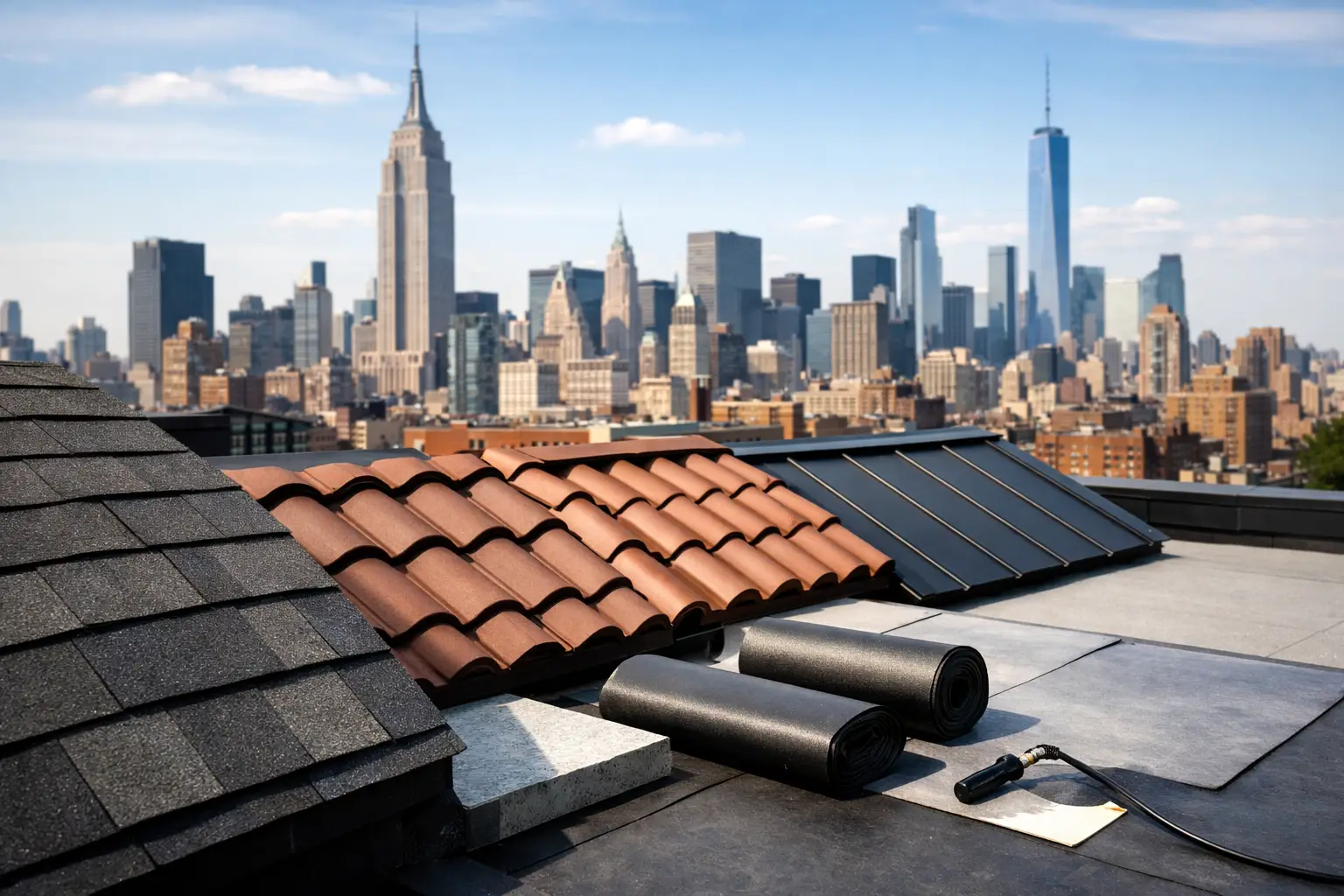
A roof in New York City does not get an easy job. It deals with summer heat, winter snow, wind tunnels between buildings, heavy rain, and the kind of ponding water that can turn a small issue into a leak across multiple units. That is why choosing the best roofing materials for NYC is not about looks alone. It is about how the system performs on your specific building, how long it lasts, and how well it handles city conditions.
For homeowners, landlords, and commercial property owners, the wrong choice usually shows up later as repairs, interior damage, mold, insulation problems, and tenant complaints. The right choice gives you a roof that drains properly, meets code, holds up to the weather, and protects the building without constant callbacks.
What makes roofing in NYC different
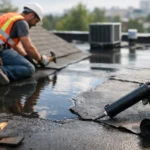
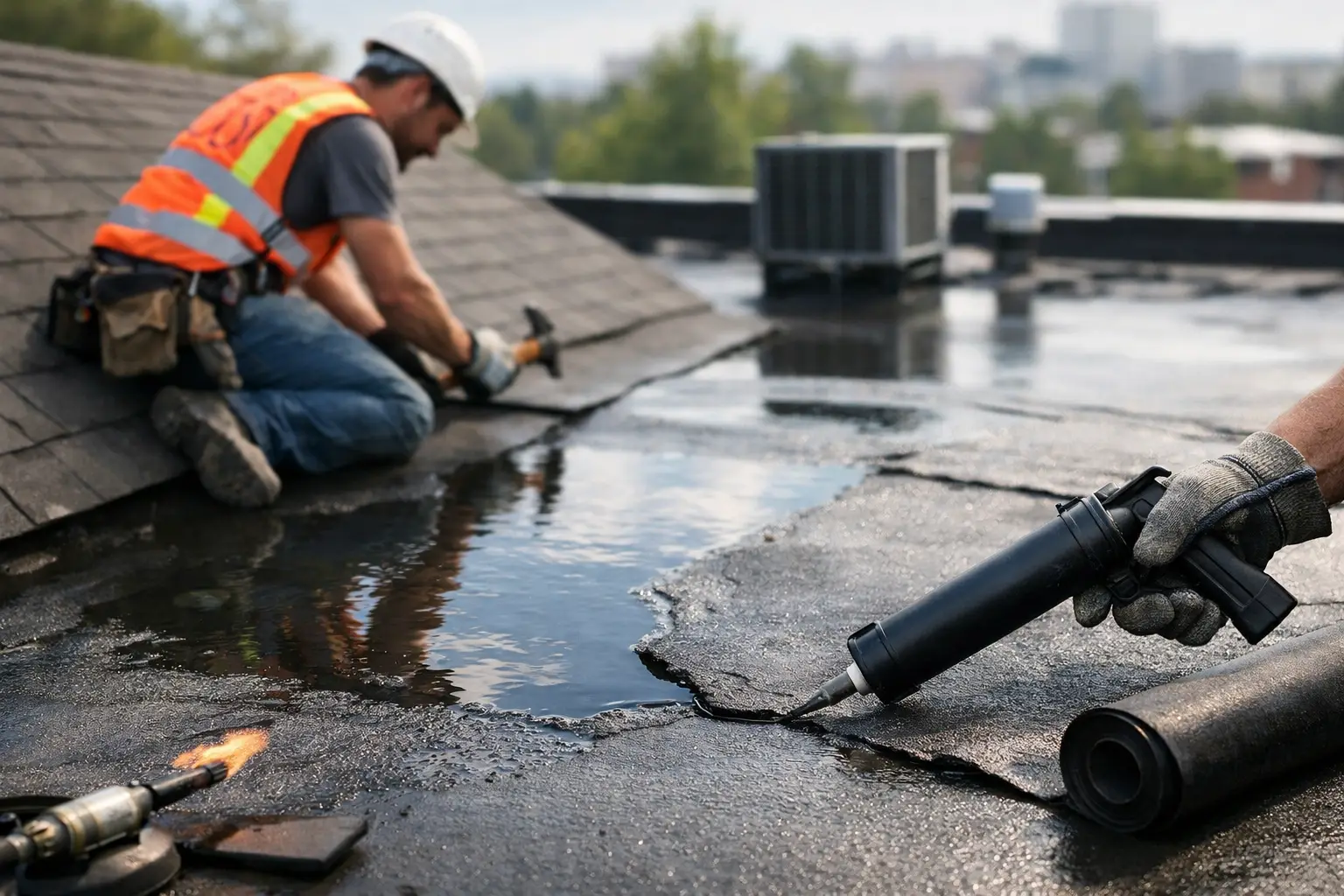
NYC roofs take more punishment than many roofs in suburban areas. A lot of buildings have low-slope or flat roof sections, which means drainage matters just as much as the material itself. Add rooftop equipment, foot traffic, older masonry, neighboring structures, and freeze-thaw cycles, and the roof has to do more than just cover the top of the building.
That is why there is no single best answer for every property. A brownstone in the Bronx, a mixed-use building in Queens, and a detached home with a pitched roof in Brooklyn may all need different roofing systems. The best material depends on slope, structure, budget, maintenance goals, and whether you are repairing an older system or replacing the roof completely.
Best roofing materials for NYC properties
TPO roofing for flat and low-slope roofs
TPO is one of the most practical choices for many NYC flat roofs. It is a single-ply membrane known for heat-reflective performance, strong seams when installed correctly, and relatively cost-effective replacement pricing compared to some premium systems.
For commercial buildings and multifamily properties, TPO often makes sense because it handles UV exposure well and helps reduce heat gain. On a city building with a lot of direct sun on the roof surface, that matters. It is also lighter than some older roofing assemblies, which can be useful depending on the structure.
The trade-off is that installation quality matters a lot. Bad seam work, poor flashing details, or weak drainage design can shorten the life of the system fast. TPO is a strong option, but only when the roof deck, insulation, and drainage are addressed properly.
EPDM roofing for dependable waterproofing
EPDM has been a reliable choice on flat and low-slope roofs for years. It is a rubber roofing membrane that performs well in a wide range of temperatures, which is a real advantage in NYC where roofs go from freezing winters to hot summer surfaces.
One reason property owners choose EPDM is its track record. It is known for durability and solid waterproofing performance when installed and maintained correctly. It can be a good fit for residential buildings, apartment houses, and certain commercial properties where long-term function matters more than a bright white reflective surface.
The main downside is that EPDM can absorb more heat than reflective systems unless a specific coating or assembly is used. It may also be more vulnerable to punctures in areas with heavy foot traffic if the roof is not designed for that use.
Modified bitumen and multi-ply systems for heavy-duty performance
For many older NYC buildings, modified bitumen or multi-ply roofing systems still make a lot of sense. These systems are built for durability and can hold up well on low-slope roofs that need a tougher assembly.
This category is often a smart fit when a property owner wants a roof with strong waterproofing layers and a proven performance history in urban conditions. On buildings where roof traffic, maintenance access, or exposure is part of normal use, a thicker system can offer peace of mind.
The trade-off is weight, labor, and cost. These systems can be more intensive to install, and not every building needs that level of assembly. But on the right property, especially one with a history of wear or ponding concerns, they can be one of the better long-term investments.
Asphalt shingles for pitched residential roofs
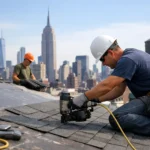
If your building has a steep-slope roof, asphalt shingles are often the most practical option. For many NYC homeowners, they offer a solid balance of price, appearance, and performance. Repairs are usually straightforward, and there are many product grades available.
Architectural shingles are usually the better choice over basic 3-tab products because they tend to hold up better in wind and weather. They also give a more substantial appearance, which matters if curb appeal is part of the decision.
That said, shingles are not the answer for every city roof. They are best on properly pitched residential sections, not flat roofs. If ventilation, flashing, or underlayment is handled poorly, shingle performance drops quickly.
Metal roofing for long-term value
Metal roofing can be an excellent option for certain NYC properties, especially on sloped roof areas where long life and low maintenance are priorities. Steel and other metal systems can handle harsh weather well and typically outlast many traditional materials.
For owners thinking long term, metal can be attractive because it resists fire, sheds snow efficiently on the right slope, and performs well against wind when installed correctly. It can also work well as part of a full exterior protection plan on homes or smaller commercial buildings.
The main issue is cost. Metal roofing usually requires a higher upfront investment, and detailing around penetrations and transitions needs real experience. It is not a budget-first option, but it can be a value option over time.
Tile and specialty roofing materials
Tile roofing is less common in NYC than in some other regions, but it does appear on certain properties and can offer a distinctive look with strong longevity. Still, it is usually a specialty choice rather than a go-to recommendation.
Tile is heavy, more expensive, and not right for every structure. In a city environment where many roofs have practical access concerns, drainage challenges, or older framing, a lighter and more adaptable material is often the better move.
How to choose the best roofing materials for NYC
The biggest mistake property owners make is choosing based on material alone. The roof system matters more than the product name. A good roofing decision starts with the building.
If you own a flat-roofed multifamily building, membrane systems like TPO or EPDM are often strong candidates. If your property has a pitched roof, asphalt shingles or metal may make more sense. If you have recurring ponding water or a history of leaks, drainage corrections and insulation design may be just as important as the surface material.
Budget matters too, but it should be looked at over the life of the roof. The cheapest installation is not usually the cheapest roof if it leads to frequent repairs. Property owners in the Bronx and across NYC often do better when they choose the material that fits the building and the exposure conditions, then make sure the installation is code-compliant and supervised closely.
Installation quality changes everything
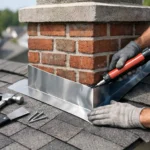
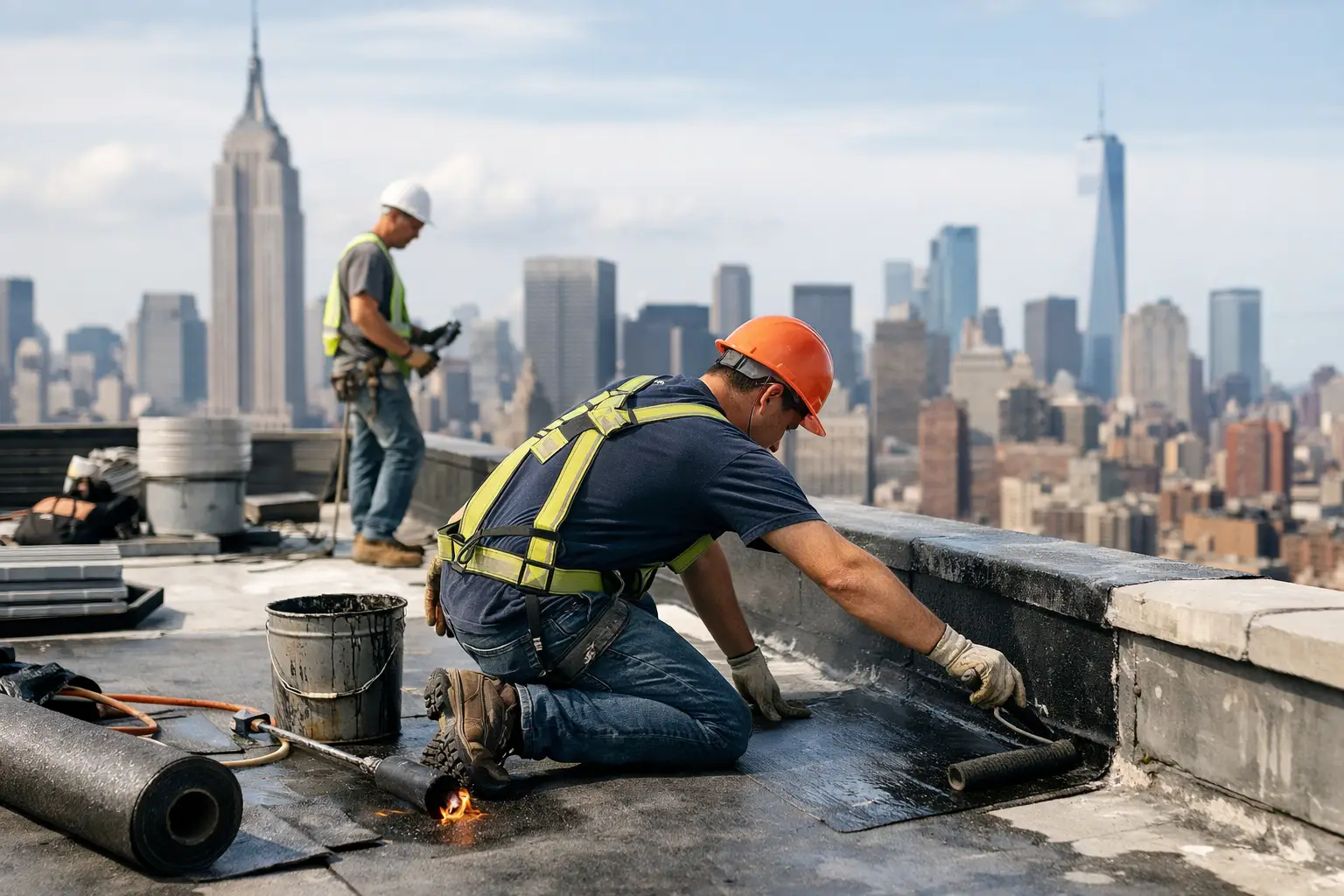
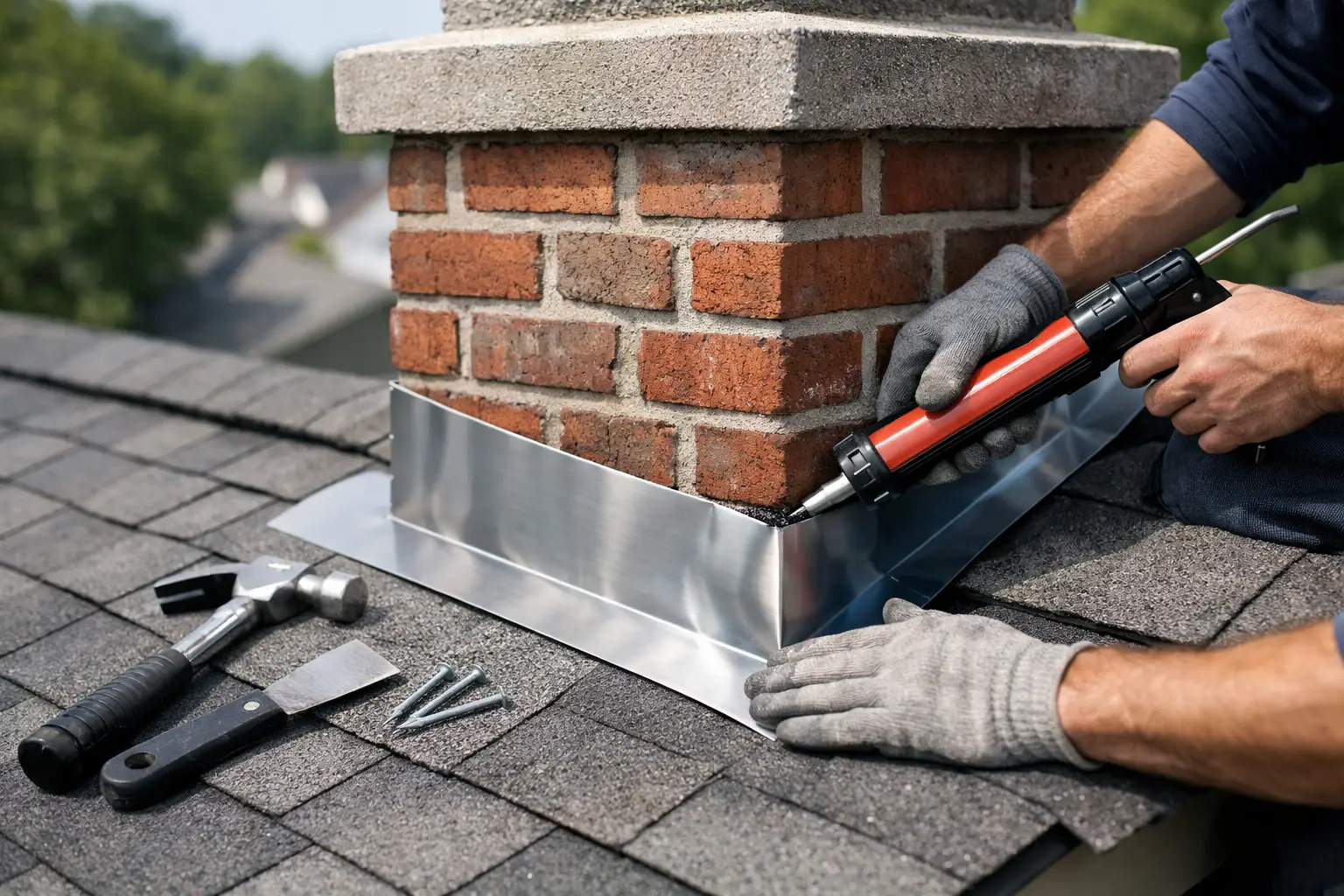
Even the best roofing materials for NYC will fail early if the workmanship is poor. Flashings, seams, drains, edges, penetrations, and tie-ins are where many roof problems start. On city buildings, there is very little room for sloppy work.
That is why experienced project management matters. A dependable contractor should explain the roof condition clearly, show problem areas, and recommend a system that matches the structure instead of forcing a one-size-fits-all answer. If someone is only talking about material and not discussing drainage, deck condition, insulation, and warranty coverage, that is a warning sign.
Which roofing material is best for your property?
For many flat and low-slope NYC buildings, TPO and EPDM are among the strongest choices because they are practical, proven, and well suited to city weather when installed correctly. For heavier-duty needs, modified bitumen and multi-ply systems still have a strong place. For pitched residential roofs, architectural asphalt shingles remain a dependable option, while metal roofing is worth considering for owners focused on longevity.
The best answer depends on how your building is built, how the roof is used, and what problems you are trying to prevent over the next 10 to 30 years. At Global City Restoration, that is how we approach roofing recommendations – not by pushing one material, but by protecting the property in front of us with the right system for the job.
A roof should not leave you guessing every time it rains. The right material, installed the right way, gives you fewer surprises and a building that stays protected when New York weather does what it always does.