A low-slope roof in New York City usually starts looking fine right up until it doesn’t. One clogged drain, one stretch of freeze-thaw weather, or one ignored seam can turn a manageable issue into interior damage, mold, and expensive emergency work. That is why this NYC low slope roofing guide focuses on what property owners actually need to know: how these roofs fail, what systems make sense here, and when repair is still worth it.
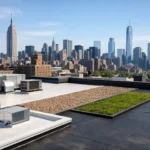
Low-slope roofing is common across the city on row houses, multifamily buildings, mixed-use properties, and commercial structures. It works well in an urban environment, but it has very little margin for drainage mistakes. Unlike steep roofs that shed water fast, low-slope roofs deal with slower runoff, ponding risk, foot traffic, rooftop equipment, and constant exposure to heat, rain, and snow.
What makes low-slope roofing different in NYC
In New York, a low-slope roof does more than keep out rain. It has to deal with standing water, temperature swings, wind uplift, and the wear that comes from service crews walking around HVAC units, vents, and bulkheads. On many buildings, the roof also ties directly into parapet walls, coping, flashing details, leaders, and waterproofing at transitions. If one part fails, the damage rarely stays in one spot.
That is why low-slope roofing should never be treated like a basic patch-and-go job. A leak showing up on a top-floor ceiling may come from a seam ten feet away, a crack at a wall transition, or a drainage problem that has been building for months. The visible symptom is often not the real source.
NYC low slope roofing guide to the most common systems
Not every low-slope roof should be replaced with the same material. The right choice depends on the building, the existing roof condition, usage, drainage layout, and budget.
EPDM
EPDM is a rubber roofing membrane known for flexibility and solid weather resistance. It can perform well on many residential and commercial buildings, especially where a simple, durable membrane is the goal. It handles temperature movement better than some rigid systems, which matters in a city with cold winters and hot summers.
The trade-off is that seams and flashing details need to be done right. On older EPDM roofs, seam failure and shrinkage can become issues over time. Repairs are often possible, but only if the membrane still has enough life left.
TPO
TPO is popular because it offers a clean membrane surface, heat-welded seams, and good energy performance. For many owners, it is a practical replacement option when an aging roof has reached the point where repeated repairs no longer make financial sense.
TPO can be a strong fit, but quality depends heavily on installation. Thickness, attachment method, insulation setup, and flashing work all matter. A cheap install usually shows up later in the form of open seams, weak corners, or drainage problems that were never corrected.
Modified bitumen and multi-ply systems
Multi-layer asphalt-based systems remain common on NYC buildings. They have a long track record and can offer excellent durability when installed properly. This type of roof may make sense for owners who want a tougher assembly with strong puncture resistance and a familiar performance history.
These systems are not always the lightest or cheapest option, and repair strategy depends on age and condition. Still, on the right building, they can be a very dependable choice.
Built-up and hot roofing
Some older city buildings still have built-up roofing or hot-applied systems. These roofs can last a long time, but once they begin to break down, problems may spread below the surface. Blisters, cracking, saturated insulation, and hidden moisture are common concerns.
Owners should be careful about assuming an old roof is sound just because it is not actively leaking today. With older assemblies, delayed failure is common.
The drainage issue owners underestimate
If there is one theme in any honest NYC low slope roofing guide, it is this: drainage controls roof life. A good membrane on a bad drainage layout will still give you trouble.
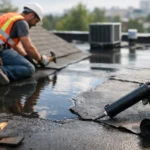
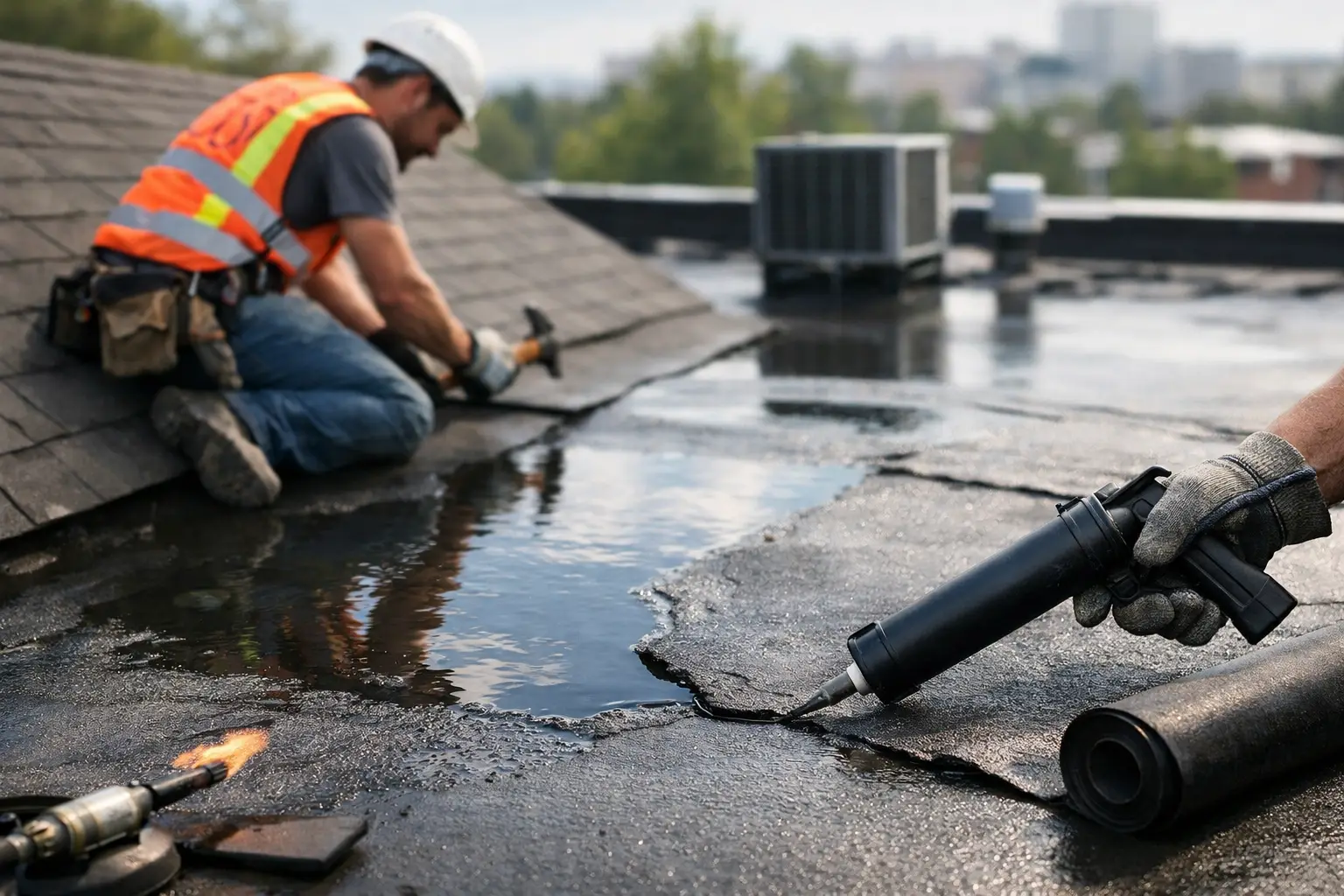
Ponding water puts extra stress on seams, flashing, and structural areas. In winter, freeze-thaw cycles can widen minor defects. In warmer months, standing water speeds up wear and exposes weak points. If drains, scuppers, leaders, or interior drain systems are blocked or undersized, the roof never really gets a chance to perform as intended.
Sometimes the fix is maintenance. Other times, the roof needs tapered insulation, re-pitching in problem areas, new drains, or better flashing transitions. This is where a real inspection matters. If a contractor talks only about the membrane and ignores drainage, that is a red flag.
When repair makes sense and when it does not
A lot of owners want a simple answer here, but it depends on the roof’s age, how widespread the damage is, and whether moisture has already reached insulation or deck areas.
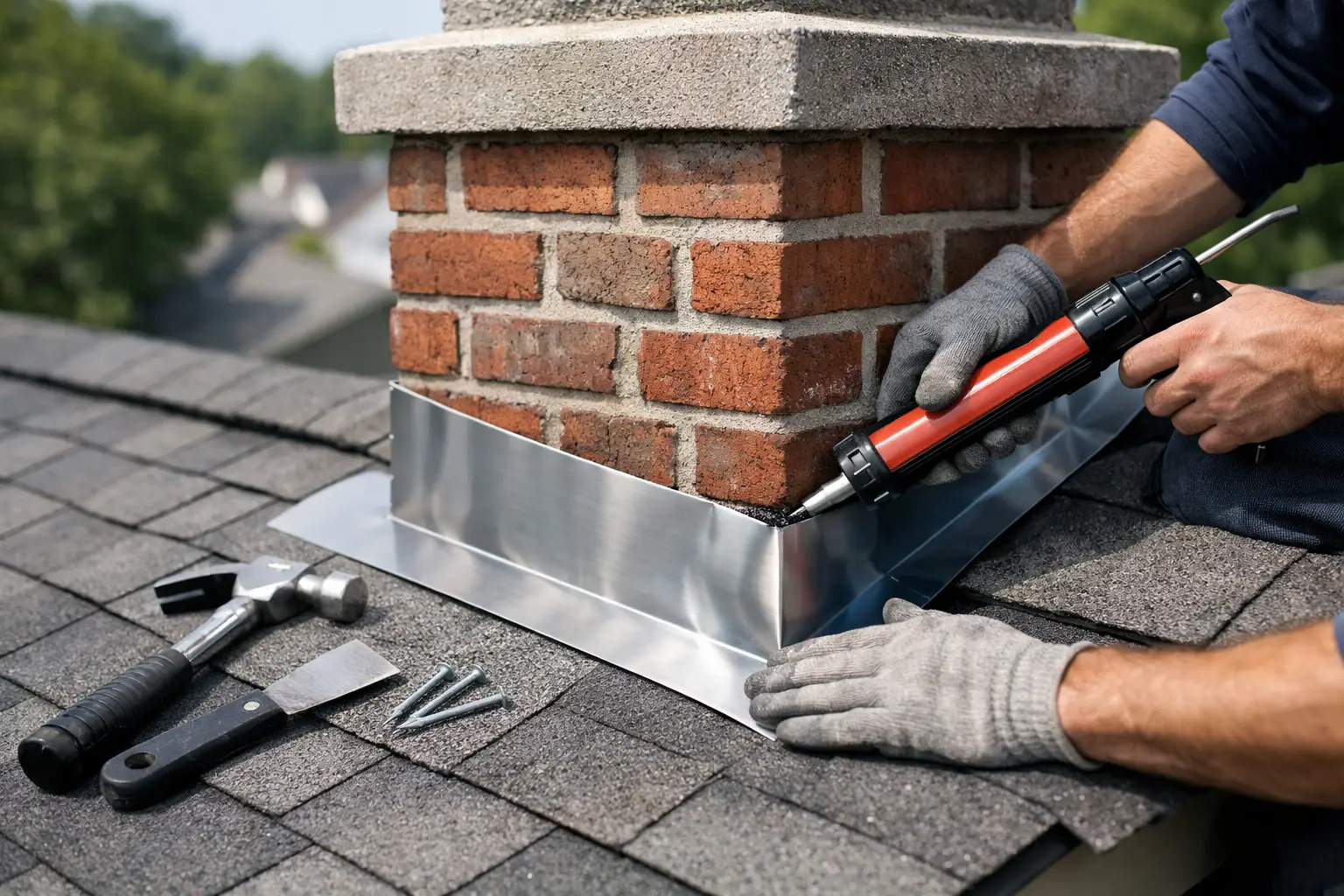
Repair makes sense when the issue is isolated, the membrane still has service life left, and the underlying structure is dry and sound. Typical examples include a limited flashing failure, a damaged seam, localized punctures, or one problem drain area.
Repair usually stops making sense when leaks keep returning in different places, ponding is widespread, seams are failing across the field, or moisture is trapped beneath the membrane. At that point, every patch becomes short-term spending. You are paying to delay replacement, not prevent it.
For landlords and property managers, deferred decisions usually cost more than planned work. A controlled replacement is disruptive enough. An emergency leak affecting tenants, ceilings, insulation, and electrical systems is much worse.
Signs your low-slope roof needs attention now
Not every warning sign is dramatic. Many roofs give clear signals before they fail badly.
Interior stains on upper floors, bubbling or lifting membrane, split flashing, loose coping, repeated drain backups, and visible ponding that lasts well after rainfall all deserve attention. Soft spots underfoot are more serious because they may point to trapped moisture or deteriorated substrate below the roof surface.
If the roof has had several repairs in the same season, it is time to step back and look at the whole system. Small recurring issues often mean the roof is aging out or the drainage design is not doing its job.
Code, workmanship, and why details matter
NYC roofing is not just about material selection. The installation has to match local conditions and code requirements. Flashing heights, edge securement, insulation setup, attachment method, and drainage details all affect long-term performance.
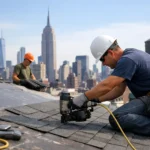
This matters even more on occupied buildings. A low-slope roof replacement may involve tear-off decisions, deck inspection, coordination around rooftop equipment, and protection for residents or business operations below. Good project management is not a bonus. It is part of the job.
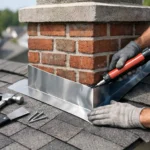
That is one reason owners often prefer a contractor who handles roofing and related exterior protection together. Roof leaks are not always just roof leaks. Sometimes the problem includes parapet masonry, coping failure, siding transitions, gutter and leader issues, or waterproofing defects at wall connections.
How to choose the right contractor for a low-slope roof
Start with basics that should never be optional: licensing, insurance, clear scope of work, and written warranty terms. Then look at how the contractor explains the condition of your roof. You want specifics, not vague sales language.
A dependable contractor should be able to show where the failure is, explain whether repair or replacement is the smarter investment, and talk honestly about trade-offs. If a lower-cost repair is only likely to buy limited time, you should hear that upfront.
Communication matters too. On a low-slope roofing project, owners need updates, photos, scheduling clarity, and one accountable point of contact. That is especially true on multifamily and commercial properties where delays affect tenants and operations. Companies like Global City Restoration build trust by keeping the process direct and visible instead of making owners chase answers.
What smart owners do before the next storm cycle
The best time to deal with a low-slope roof is before active leaks start spreading. A proper inspection, drain cleaning, targeted repairs, and a realistic plan for replacement if needed can save a lot of money compared with emergency response.
For buildings in the Bronx and across NYC, low-slope roofs take a steady beating from weather and daily use. The owners who stay ahead of problems are usually the ones who spend less over time, deal with fewer interior disruptions, and protect the value of the property better.
If your roof is holding water, showing repeat leak signs, or simply getting old, do not wait for the next hard rain to make the decision for you. A clear assessment now is usually the cheapest part of the whole problem.