A roof installation is not the time to choose based on the lowest number on a proposal. In the Bronx, a new roof has to handle heavy rain, snow loads, summer heat, wind, and the standing water that can collect on low-slope buildings. This Bronx roof installation guide explains what property owners should expect before work starts, how to choose a system that fits the building, and what separates a durable installation from an expensive repeat problem.
For homeowners, landlords, and commercial property managers, the goal is straightforward: install a roof that sheds water correctly, meets applicable code requirements, and protects the structure below it for the long term.
Start With the Building, Not the Roofing Material
Every good roof installation begins with an on-site evaluation. The visible roof surface matters, but the contractor also needs to inspect the deck, roof edges, penetrations, drainage paths, flashing, parapet walls, and the condition of gutters, leaders, or internal drains.
A small leak does not always mean a small repair. Water can travel under a membrane or through framing before it appears on an interior ceiling. On an older Bronx property, damaged plywood, deteriorated masonry at a parapet, rusted flashing, or poor drainage may need attention before the new roofing system goes down. Covering these conditions without correcting them can shorten the life of a new roof.
The building type also drives the right solution. A detached home with a steep roof faces different demands than a multi-family building with a flat or low-slope roof. A storefront roof with rooftop equipment has more penetrations to seal and maintain. There is no single material that is best for every property.
Choosing the Right Roofing System
The right roof balances budget, building design, expected maintenance, insulation needs, and how water moves off the property. A contractor should explain why a recommended system suits the structure instead of pushing one product for every job.
Asphalt shingles for sloped residential roofs
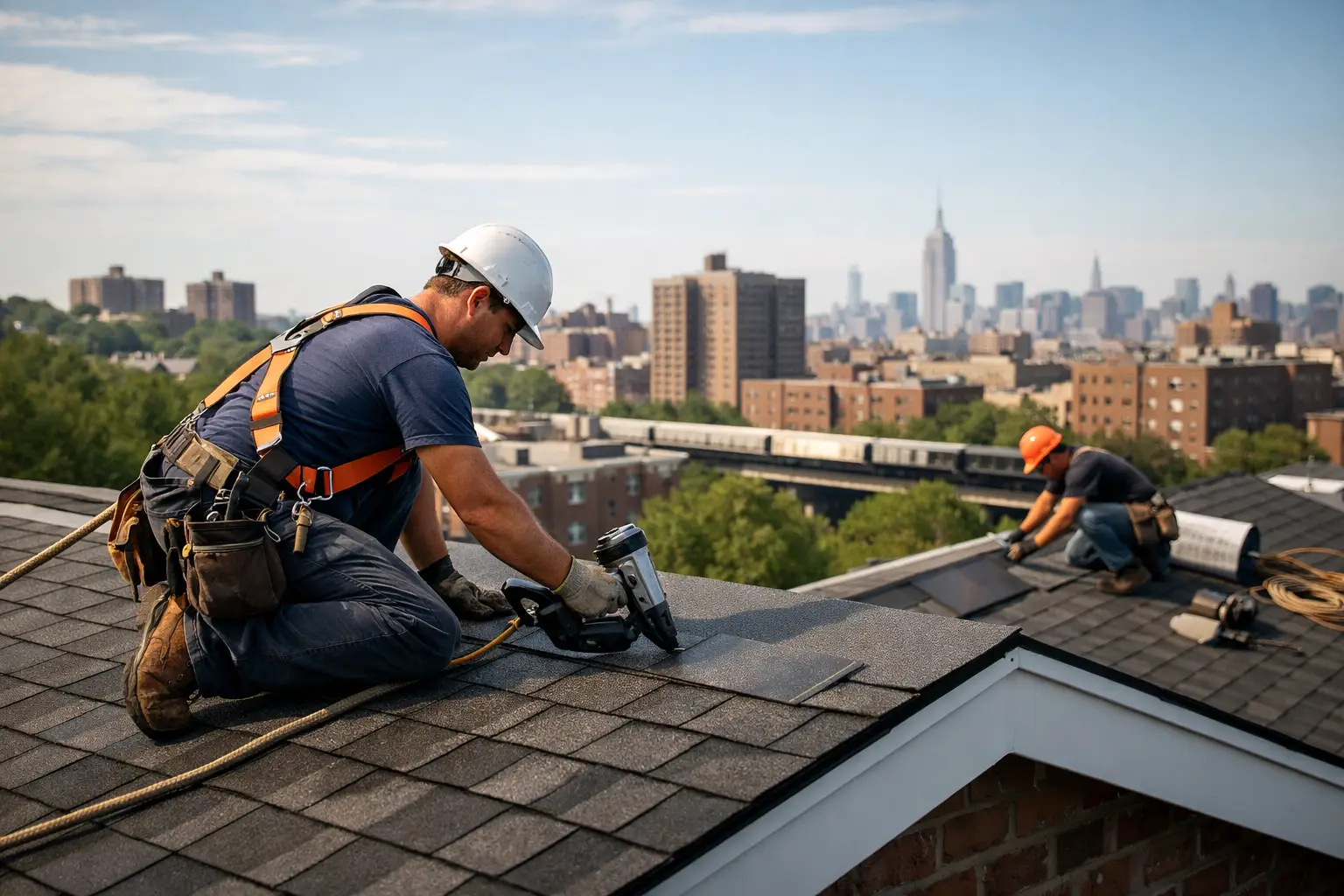
Asphalt shingles remain a practical choice for many pitched residential roofs. They offer a familiar appearance, reasonable installation cost, and dependable performance when the underlayment, flashing, ventilation, and edge details are done correctly. The shingles are only one part of the system. Ice and water protection, properly installed flashing around chimneys and walls, and adequate attic ventilation can make a major difference in performance.
TPO and EPDM for low-slope roofs
TPO and EPDM are common options for flat and low-slope roofs. TPO is a reflective single-ply membrane that can help reduce heat absorption. EPDM is a durable rubber membrane with a long history on commercial and residential low-slope applications. The better choice depends on the roof layout, seam details, existing conditions, insulation plan, and drainage.
On either system, careful work at seams, drains, scuppers, vents, curbs, and perimeter edges matters as much as the membrane itself. A good-looking field of roofing will not compensate for a weak detail around a drain or wall flashing.
Built-up and 4-ply roofing
Built-up roofing, including 4-ply systems, is often considered for buildings that need layered protection and proven durability. These systems can be a strong fit for certain low-slope applications, particularly where a more substantial roof assembly is appropriate. They also require experienced installation because heat application, layer adhesion, and flashing integration must be handled correctly.
Metal, tile, and specialty systems may make sense for specific architectural or performance needs, but they are not automatic upgrades. Their weight, installation requirements, cost, and compatibility with the existing structure should be reviewed first.
The Drainage Question That Cannot Be Skipped
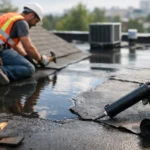
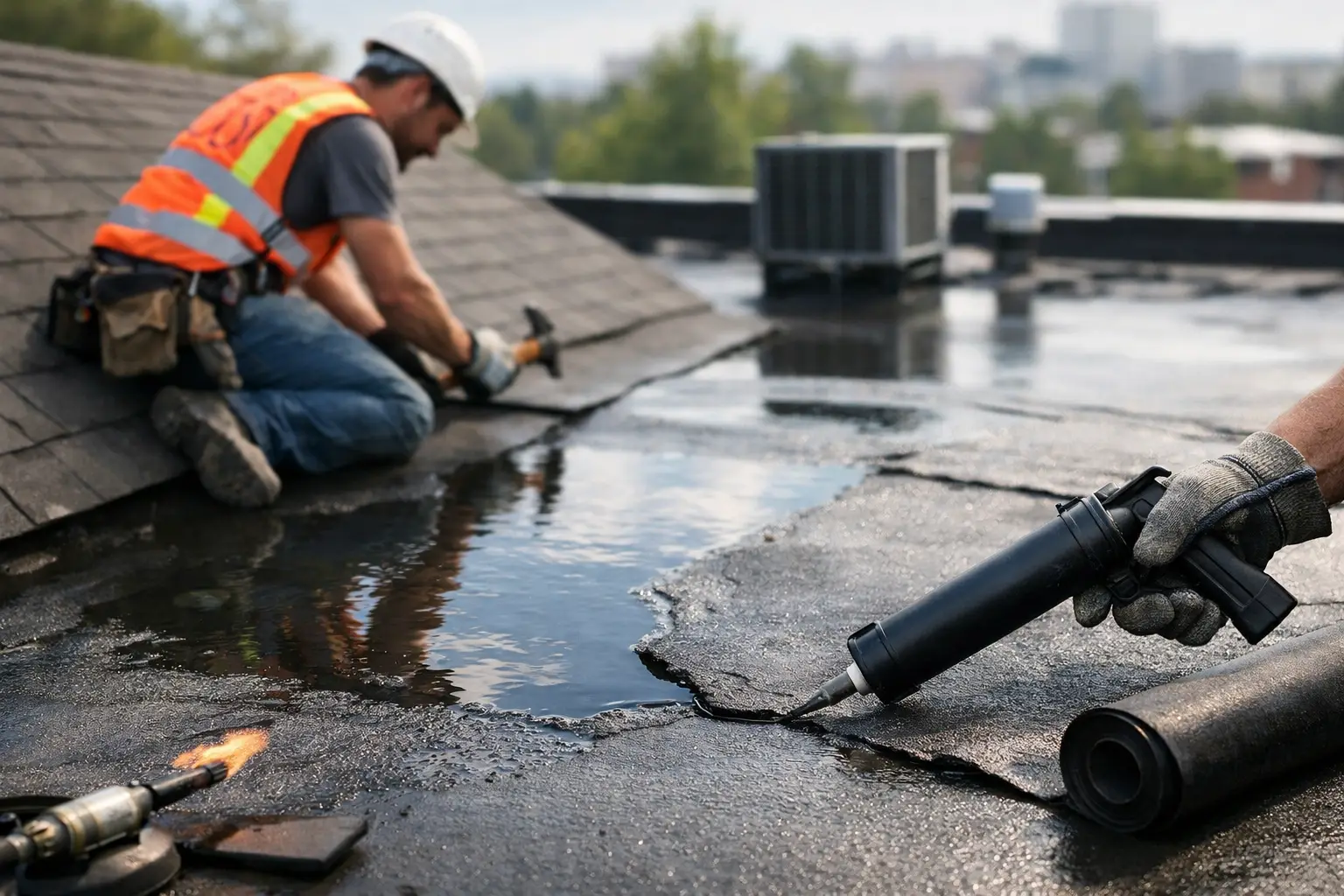
Standing water is one of the biggest threats to a low-slope roof. Water that remains after rain can stress seams, accelerate surface wear, and expose weaknesses in the roof assembly. It can also signal that the roof has inadequate slope, clogged drains, undersized leaders, or a drainage layout that was never corrected.
Before installation, the contractor should identify where water currently collects and how it will exit the roof after the work is complete. Sometimes the answer is cleaning or repairing drains and leaders. Other times, it involves tapered insulation, new scuppers, adjustments to roof pitch, or repairs to deteriorated areas around drainage points.
Do not treat drainage as a separate issue to solve later. If water has nowhere to go, even a quality roofing material will be working under unnecessary pressure.
Permits, Code Compliance, and Job Planning
Roof replacement and installation work in New York City may involve permits, inspections, and building code requirements depending on the scope and property type. A responsible contractor should evaluate the project, explain what is required, and manage the work in a way that does not leave the owner guessing.
Code-compliant work is not just paperwork. It affects fire ratings, roof assembly details, edge securement, insulation, drainage, and safe access. For multi-family and commercial properties, planning also needs to account for tenant access, rooftop equipment, neighboring buildings, material staging, and jobsite protection.
Before signing a proposal, ask how the contractor plans to handle these four areas:
- Permits and required inspections for the project scope
- Protection of landscaping, entryways, sidewalks, and adjacent property
- Daily cleanup, debris removal, and material staging
- Communication if concealed deck damage or other unexpected conditions are found
A clear answer early prevents delays and surprise costs later. If the deck is uncovered and damage is found, the contractor should show the condition with photos, explain the options, and get approval before moving ahead with additional work.
What a Proper Installation Looks Like
The work sequence changes by roofing system, but disciplined installation follows the same basic principle: create a continuous barrier against water from the deck up.
First, the crew removes old materials as needed and checks the roof deck. Soft, rotted, or unstable sections must be replaced so the new system has a solid base. Next comes the appropriate underlayment, insulation, vapor control layer, or base sheet, depending on the assembly.
The roofing material is then installed according to its system requirements. On a shingle roof, this includes correct starter courses, nailing, valleys, ridge work, and flashing. On a flat roof, it includes properly attached or adhered membrane, secure seams, reinforced penetrations, and properly integrated drains and edge metal.
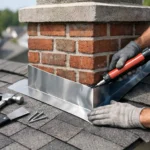
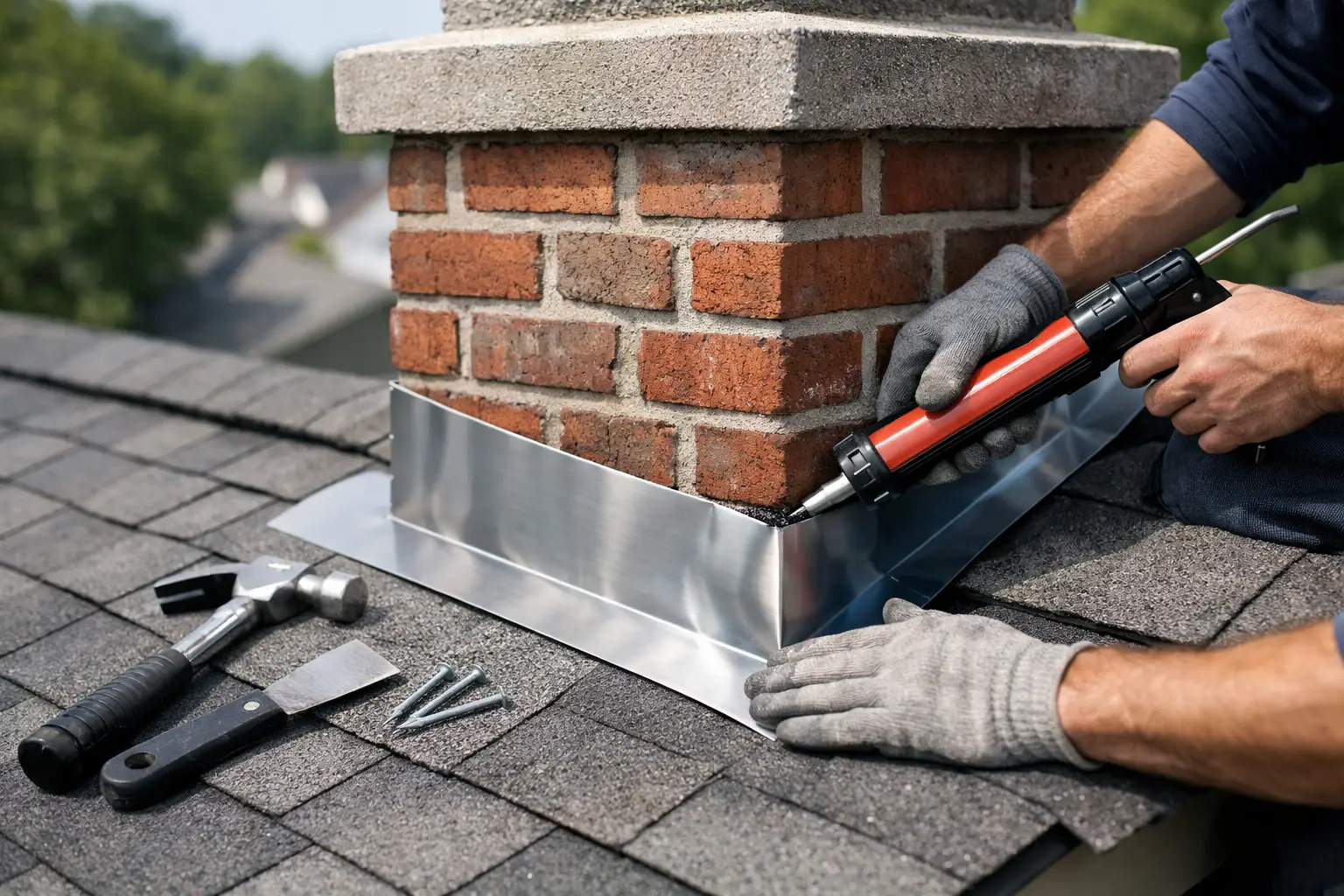
Flashing deserves close attention. Most roof leaks happen at transitions, not in the middle of an open roof field. Chimneys, skylights, vent stacks, walls, pipes, HVAC curbs, parapets, and roof edges all need detailed protection. Reusing deteriorated flashing to save a small amount upfront can create a large problem after the crew leaves.
Warranty Is More Than a Sales Line
A roof warranty should be understandable. Property owners should know what is covered, how long coverage lasts, whether there are maintenance obligations, and who handles service if an issue appears. Material warranties and workmanship warranties are not the same thing. The first generally relates to the product; the second addresses installation quality.
Keep copies of the proposal, scope of work, warranty documents, photos, and permit records where applicable. These records help with future maintenance, insurance questions, property sales, and planning for other exterior work.
Plan for Maintenance From Day One
A new roof reduces risk, but it is not a reason to ignore the roof for the next decade. Seasonal inspections help catch blocked drains, loose flashing, storm debris, and damage from service work before water gets inside. Commercial and multi-family properties especially benefit from a regular maintenance plan because foot traffic and rooftop equipment create additional wear points.
After major storms, look for obvious debris, displaced materials, interior staining, or water near drains and walls. Do not walk a roof if conditions are unsafe. Call a qualified roofing professional to inspect it instead.
Global City Restoration approaches roof installation as full exterior protection, not simply a new surface. That means looking at the roof, drainage, flashing, and surrounding conditions together so the work addresses the source of risk.
A properly installed roof should give you confidence when the forecast turns ugly. Choose a system that fits the building, insist on clear communication and documented work, and address drainage before the first heavy rain tests the investment.