A heavy snowfall does not have to cause a roof failure. The damage usually starts when melting snow has nowhere to go, water backs up under roofing materials, or an aging roof is already one storm away from leaking. Choosing the best roofing materials for snow means looking beyond the surface layer. Slope, drainage, insulation, flashing, roof age, and the building’s structure all matter.
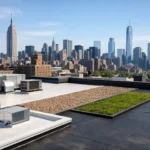
For New York City property owners, the right answer is rarely a one-size-fits-all product. A steep-slope Bronx home has different needs than a flat-roofed multi-family building in Manhattan or a storefront with a low-slope rear addition. The goal is the same: move water off the roof, keep it out of the building, and use a system built to handle freeze-thaw cycles.
What Snow Actually Does to a Roof
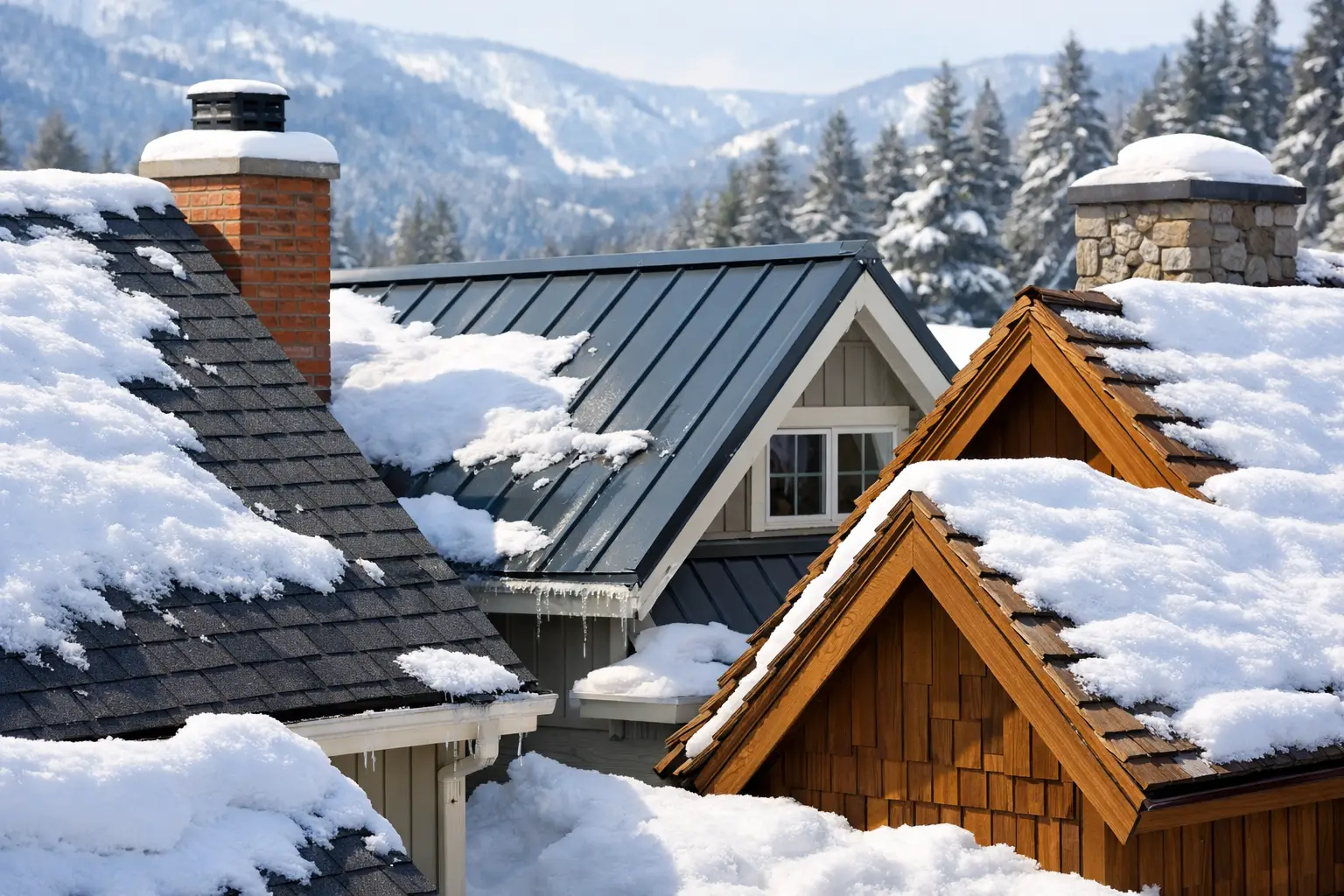
Snow is not automatically the problem. A sound roof can carry a normal seasonal snow load and shed melting water as designed. Trouble begins when wet, compacted snow stays in place, melts during the day, and refreezes at night. That cycle can open small gaps at seams, flashings, pipe penetrations, and roof edges.
On pitched roofs, melting snow can refreeze near the colder eaves and form an ice dam. Water then pools behind the ice and may work beneath shingles. On flat and low-slope roofs, the bigger concern is ponding water. Snow blocks drains or scuppers, meltwater collects, and every weak seam becomes a potential leak point.
A material can be high quality and still fail if it is installed over poor decking, paired with inadequate drainage, or detailed carelessly around penetrations. That is why a roof inspection before winter is often more valuable than simply choosing the most expensive material.
Best Roofing Materials for Snow: The Strong Options
Metal roofing for fast snow shedding
Standing-seam metal is one of the strongest choices for steep-slope roofs in snowy conditions. Its smooth surface encourages snow to slide off more readily than textured shingles or tile, reducing the time moisture sits on the roof. Properly installed metal panels also have fewer exposed fasteners, which helps limit leak paths.
There is an important trade-off. Snow can release from a metal roof quickly and in large sheets. Snow guards may be needed above entrances, sidewalks, driveways, mechanical equipment, or lower roof sections. In a dense NYC setting, controlling where snow lands is a safety issue, not an optional upgrade.
Metal roofing costs more upfront than standard asphalt shingles, but it can offer a long service life when the underlayment, flashings, and panel details are done correctly. It is particularly worth considering for homeowners planning to stay in the property or owners replacing a worn-out steep-slope roof.
Architectural asphalt shingles for practical value
Architectural asphalt shingles remain a practical choice for many residential roofs. They are more substantial than basic three-tab shingles and can perform well through snow and freezing rain when installed with a high-quality underlayment and ice-and-water protection at vulnerable edges and valleys.
Shingles do not shed snow as quickly as metal, but that is not always a disadvantage. Controlled melting is fine when the roof has proper attic insulation, ventilation, and drainage. The real concern is an ice dam caused by heat escaping from the living space and melting the snow unevenly.
For a typical pitched roof, architectural shingles often provide the best balance of cost, appearance, repairability, and winter performance. They are not the right choice for a low-slope roof where water drains slowly. Shingles need adequate pitch to work as intended.
TPO for flat and low-slope commercial roofs
For flat and low-slope roofs, TPO is a common and dependable membrane option. Its heat-welded seams create a continuous waterproof surface, which is a major advantage where snowmelt can sit on the roof longer than it would on a sloped system. TPO also reflects sunlight, helping reduce heat buildup during New York’s hot summers.
The material is only as reliable as the installation and drainage design. A low-slope roof should have correctly placed drains, scuppers, and tapered insulation where needed to direct water to the exits. If snow and ice repeatedly clog the drainage points, even a good TPO roof can end up holding standing water.
TPO makes sense for apartment buildings, commercial properties, rear additions, and other structures with broad, low-slope roof areas. It is not a substitute for correcting sagging deck areas or failed drainage components.
EPDM for durable low-slope protection
EPDM is a synthetic rubber membrane that has long been used on low-slope roofs. It handles temperature changes well and is known for flexibility, which matters during repeated freezing and thawing. For buildings where a dark membrane is acceptable and the roof design is straightforward, EPDM can be a durable option.
Seams, penetrations, perimeter edges, and drainage areas still need close attention. A roof may look fine from the ground while a loose flashing or failing seam is allowing water beneath the membrane. Regular inspections are especially important after severe winter weather.
EPDM and TPO are both sound choices, but they are not identical. The better system depends on roof layout, budget, exposure, existing insulation, drainage conditions, and the installer’s ability to detail the roof correctly.
Modified bitumen and multi-ply systems for demanding roofs
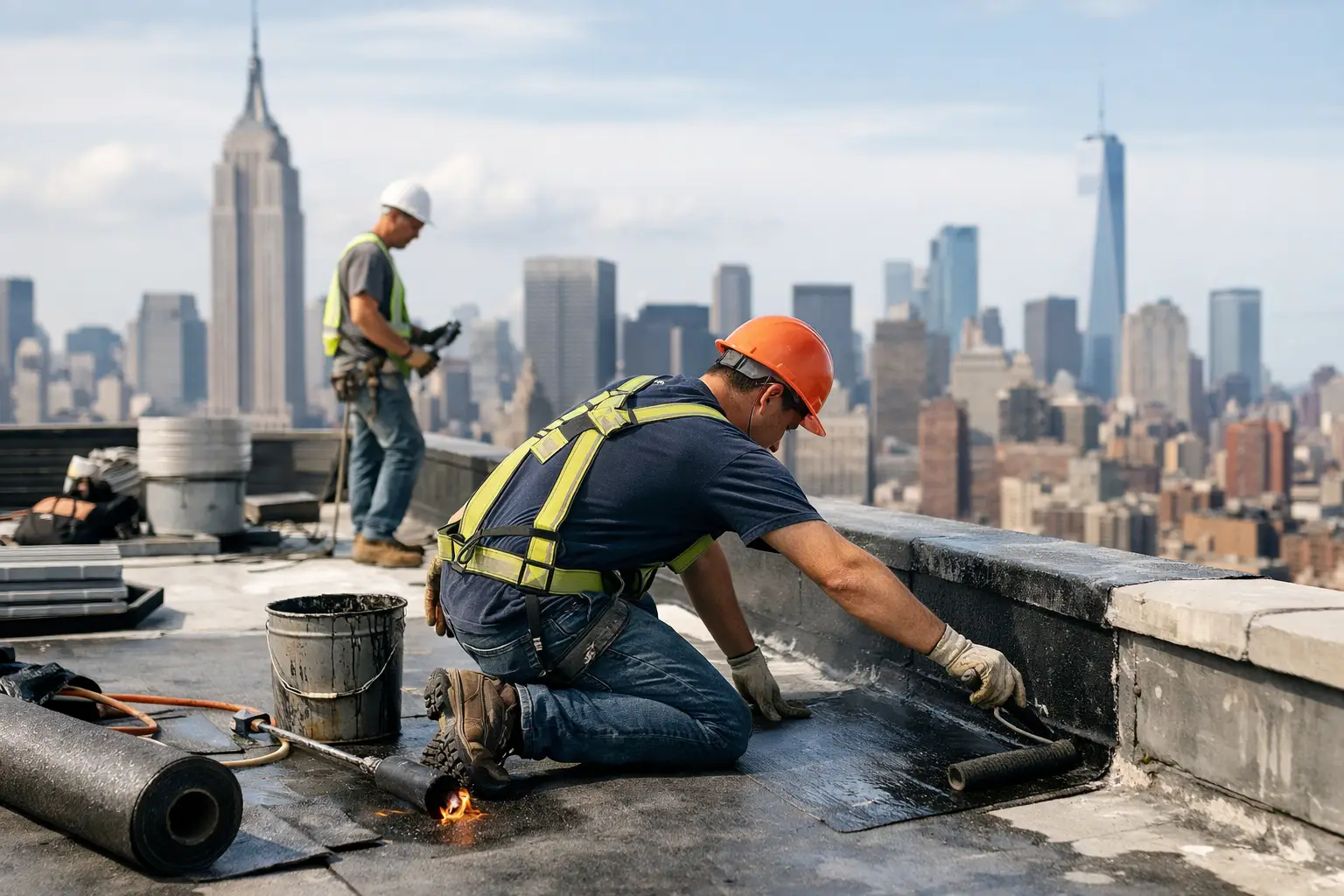
Modified bitumen and multi-ply roofing systems remain useful on many NYC flat roofs. These systems provide layered protection, which can be valuable on older buildings, roofs with frequent foot traffic, or properties with many vents, curbs, and penetrations. A properly built multi-ply roof offers redundancy that a single damaged surface layer may not.
The trade-off is weight, installation complexity, and cost. The existing structure must be evaluated before adding layers, especially where prior roofing materials are already in place. A licensed contractor should also confirm that the proposed assembly meets local code requirements and does not create drainage problems at roof edges or door thresholds.
Materials That Need Extra Caution in Snow
Tile, slate, and wood shakes can look excellent, but they are not automatic snow-roof solutions. Tile and slate are heavy, so the roof framing must be designed or verified to carry both the roofing material and expected snow load. Individual pieces can crack, shift, or become difficult to repair after a hard winter.
Wood shakes require consistent maintenance and careful moisture control. They are generally not the most practical choice for property owners who want a low-maintenance roof in an urban area with frequent freeze-thaw conditions.
A coating alone should also not be treated as a snow-proofing solution. Coatings can extend the service life of a suitable existing flat roof, but they cannot fix saturated insulation, failed seams, blocked drains, or structural ponding.
The Details That Matter More Than the Material
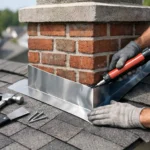
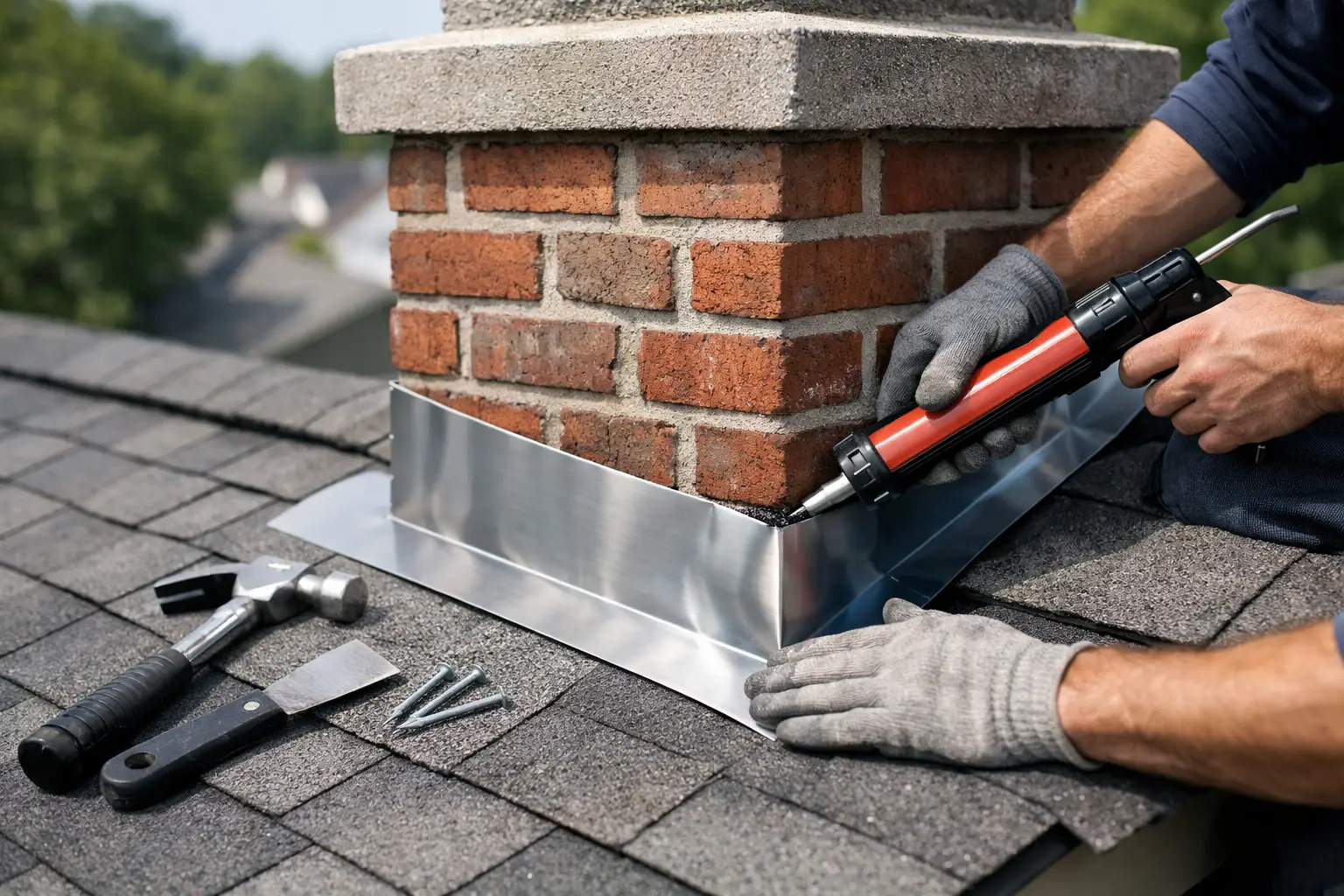
The best roofing material can still leak if the supporting details are wrong. On pitched roofs, the critical work includes ice-and-water protection, properly integrated flashing, sealed valleys, ridge ventilation, and gutters that can move meltwater away from the building. Gutters and leaders must be secured, clear, and correctly sized. Water that overflows near exterior walls can damage siding, masonry, foundations, and interior spaces.
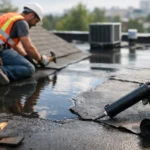
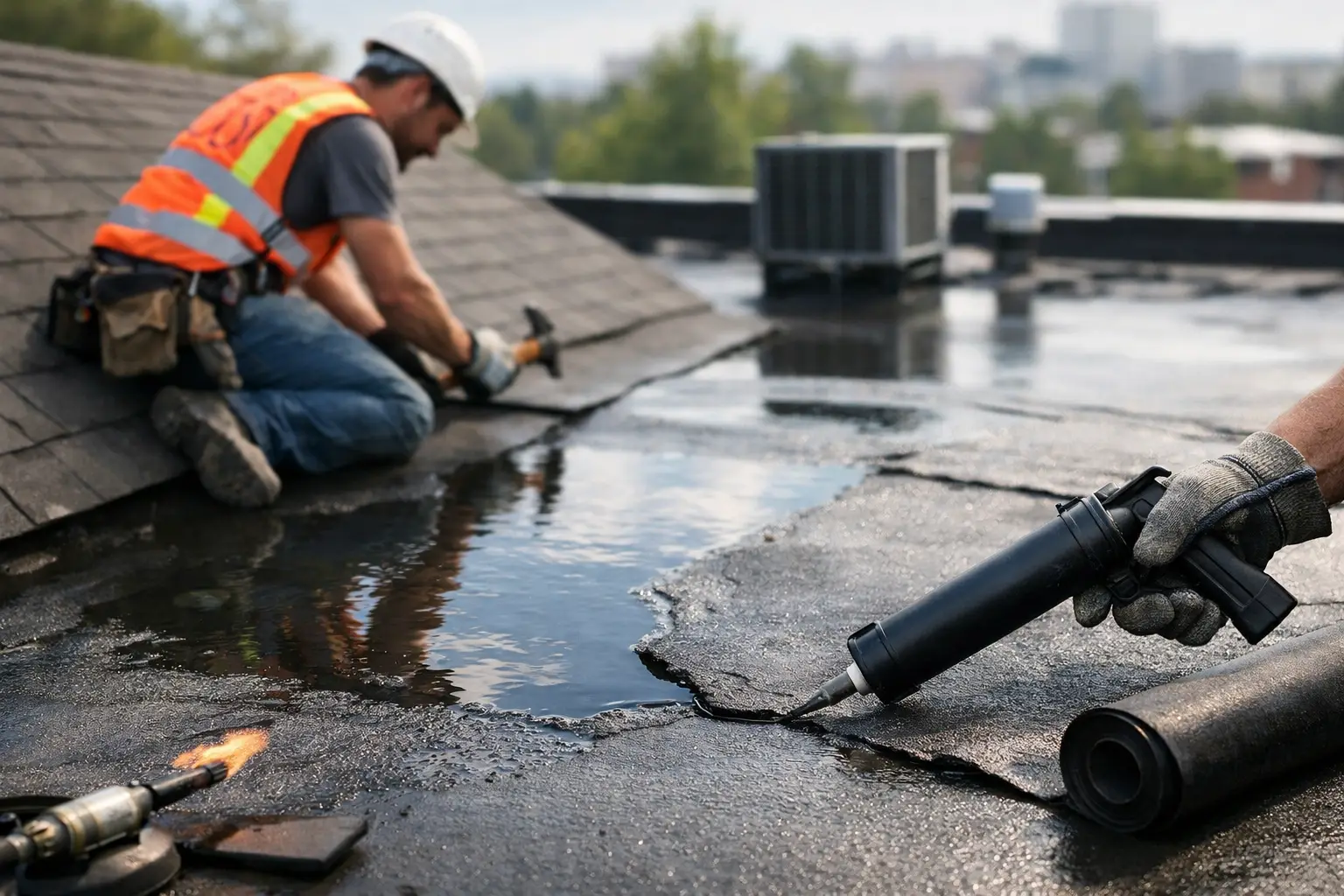
On low-slope roofs, focus on slope to drains, drain strainers, scuppers, parapet flashings, seams, and penetrations. Standing water after a storm is a warning sign. A little temporary water may occur during severe conditions, but persistent ponding should be investigated before it shortens the roof’s life.
Insulation is also part of snow performance. In heated homes, uneven attic temperatures can feed ice dams. Improving air sealing and insulation may be necessary alongside roof replacement. For commercial and multi-family properties, the insulation assembly should be reviewed as part of the full roofing system, not as an afterthought.
How to Choose the Right System for Your Property
Start with roof slope and drainage. A steep roof may be well served by architectural shingles or standing-seam metal. A low-slope roof typically needs a membrane system such as TPO, EPDM, or a properly designed modified bitumen assembly. Then consider the roof’s condition, the building’s structure, foot traffic, number of penetrations, and whether snow sliding could create a hazard below.
Do not choose based on material cost alone. A cheaper roof that requires repeated leak repairs, interior damage restoration, or premature replacement is not affordable. Ask for a clear explanation of the existing condition, photos of problem areas, the proposed drainage plan, warranty coverage, and how flashings and penetrations will be handled.
Global City Restoration approaches winter roof work as property protection, not just material replacement. A properly selected and code-compliant system should address the roof surface, water movement, vulnerable details, and the condition of the structure beneath it.
Before the next snowstorm, look for blocked drains, loose flashing, missing shingles, ponding water, stained ceilings, and ice buildup along roof edges. Addressing those signs early gives you more options and helps keep a manageable repair from becoming a costly interior emergency.