A small ceiling stain can be the first visible sign of a much larger roofing problem. By the time water reaches an apartment, office, or storefront ceiling, it may have already traveled across insulation, decking, framing, or masonry. Queens roof inspection services give property owners a clear look at what is happening above the ceiling line before a manageable repair becomes an emergency.
For homes, multi-family buildings, and commercial properties, a roof inspection is not just a quick walk across the surface. It is a practical assessment of the roof system, drainage, flashings, penetrations, and visible signs of moisture damage. The goal is straightforward: identify the condition, explain the risk clearly, and recommend the right next step without pushing work that is not needed.
Why Queens Roof Inspections Matter
Queens roofs take a beating throughout the year. Heavy rain can expose poor drainage and weak seams. Winter snow and freeze-thaw cycles can open cracks around flashings and parapet walls. Summer heat can dry out older roofing materials, while standing water on low-slope roofs can speed up deterioration.
Many local properties also have roof systems that have been repaired in stages over decades. A flat roof may have several layers, old patches, aging drains, and newer equipment supports all working against one another. An inspection helps separate a minor maintenance issue from a condition that calls for repair, restoration, or replacement.
For landlords and property managers, early detection also protects tenants and operations. A leak in a top-floor unit can lead to complaints, damaged finishes, mold concerns, and lost rental income. For a business, a roof failure can interrupt customers, inventory, equipment, and staff. Finding weak points before the next major storm is usually less disruptive and less expensive than reacting after water gets inside.
What a Professional Roof Inspection Should Cover
A useful inspection should result in more than a general statement that the roof is “good” or “bad.” Property owners need to know where the concerns are, how urgent they are, and what the repair options look like.
The roof surface and its weak points
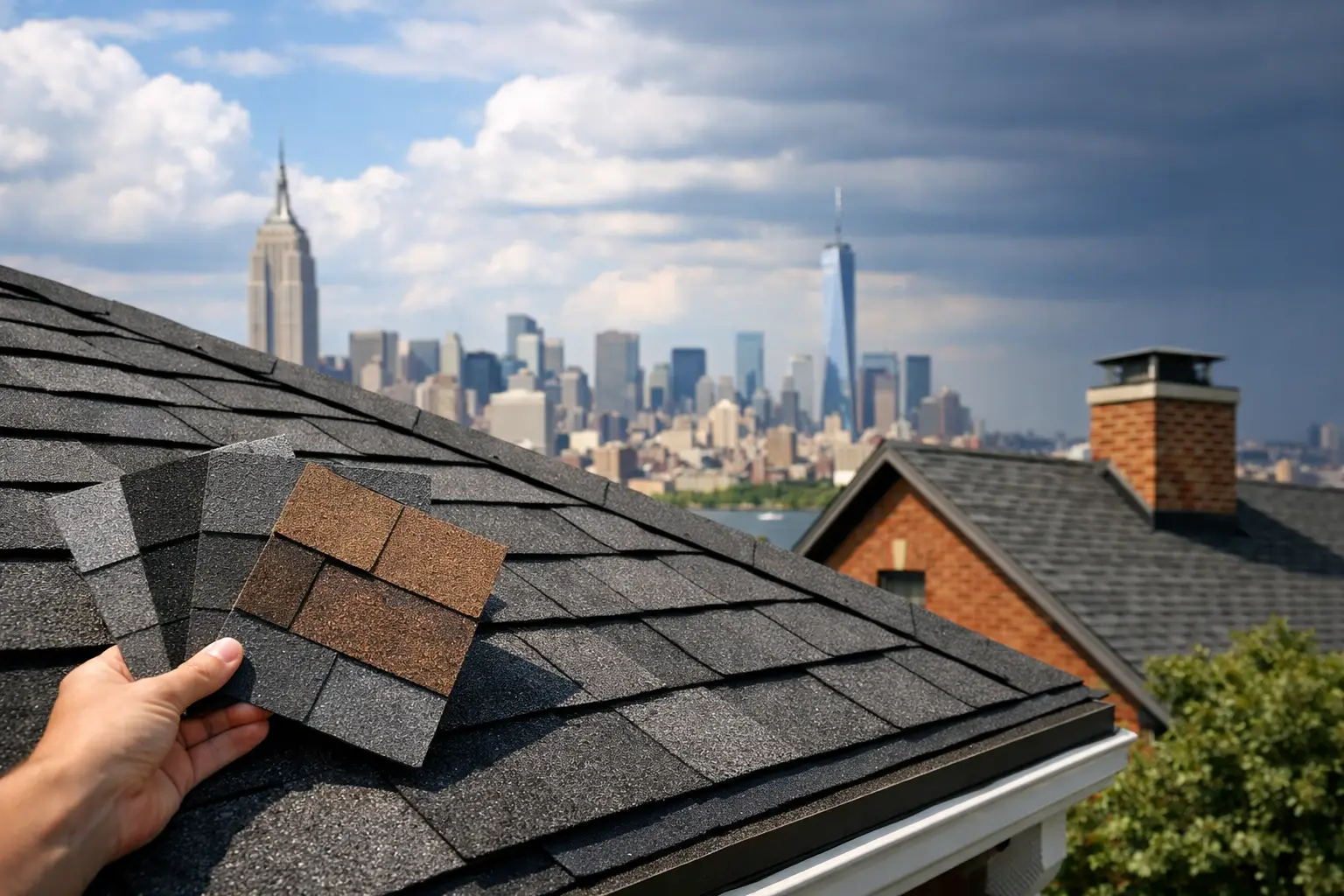
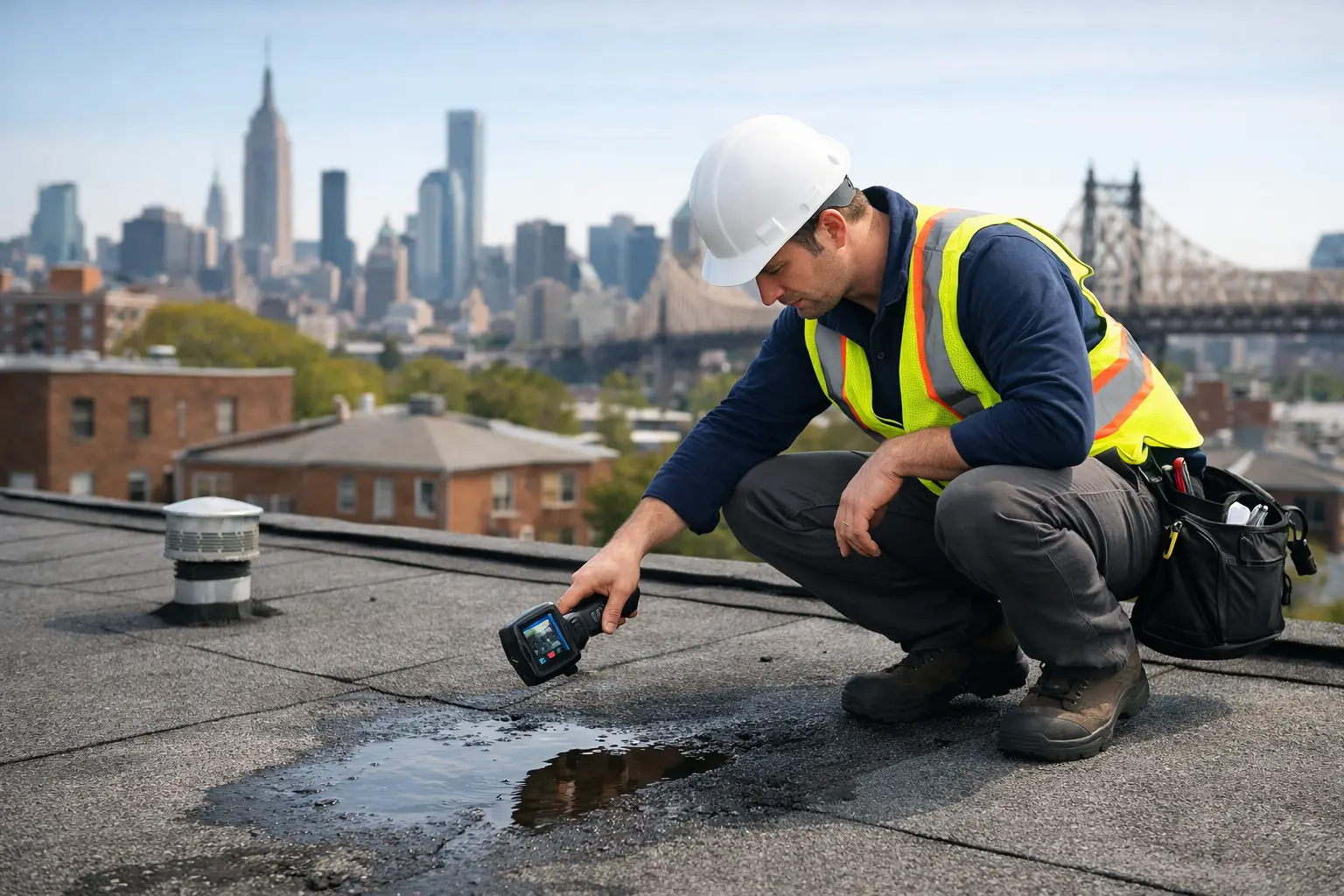
The inspection begins with the roofing material itself. On an asphalt shingle roof, that can mean checking for missing, curled, cracked, or loose shingles, along with exposed fasteners and worn ridge caps. On flat and low-slope roofs, the focus often includes open seams, splits, blisters, punctures, deteriorated coatings, and failed patches.
Different materials fail in different ways. EPDM may develop seam or flashing issues. TPO can show stress around penetrations or heat-welded seams. Built-up hot roofing and 4-ply systems can develop cracking, exposed aggregate, or weak areas at transitions. A proper inspection matches the assessment to the actual system instead of treating every roof like the same job.
Flashings, edges, and penetrations
Water often enters at the details, not the middle of the roof field. Flashing around chimneys, skylights, vent pipes, HVAC curbs, parapet walls, and roof edges deserves close attention. These areas move differently as temperatures change and are more likely to be disturbed by previous repairs or equipment work.
A roofer should also check coping, counterflashing, masonry joints near the roofline, and the condition of sealants. A loose piece of flashing may look minor from the ground, but it can create a direct route for rainwater behind the roofing system.
Drains, gutters, and standing water
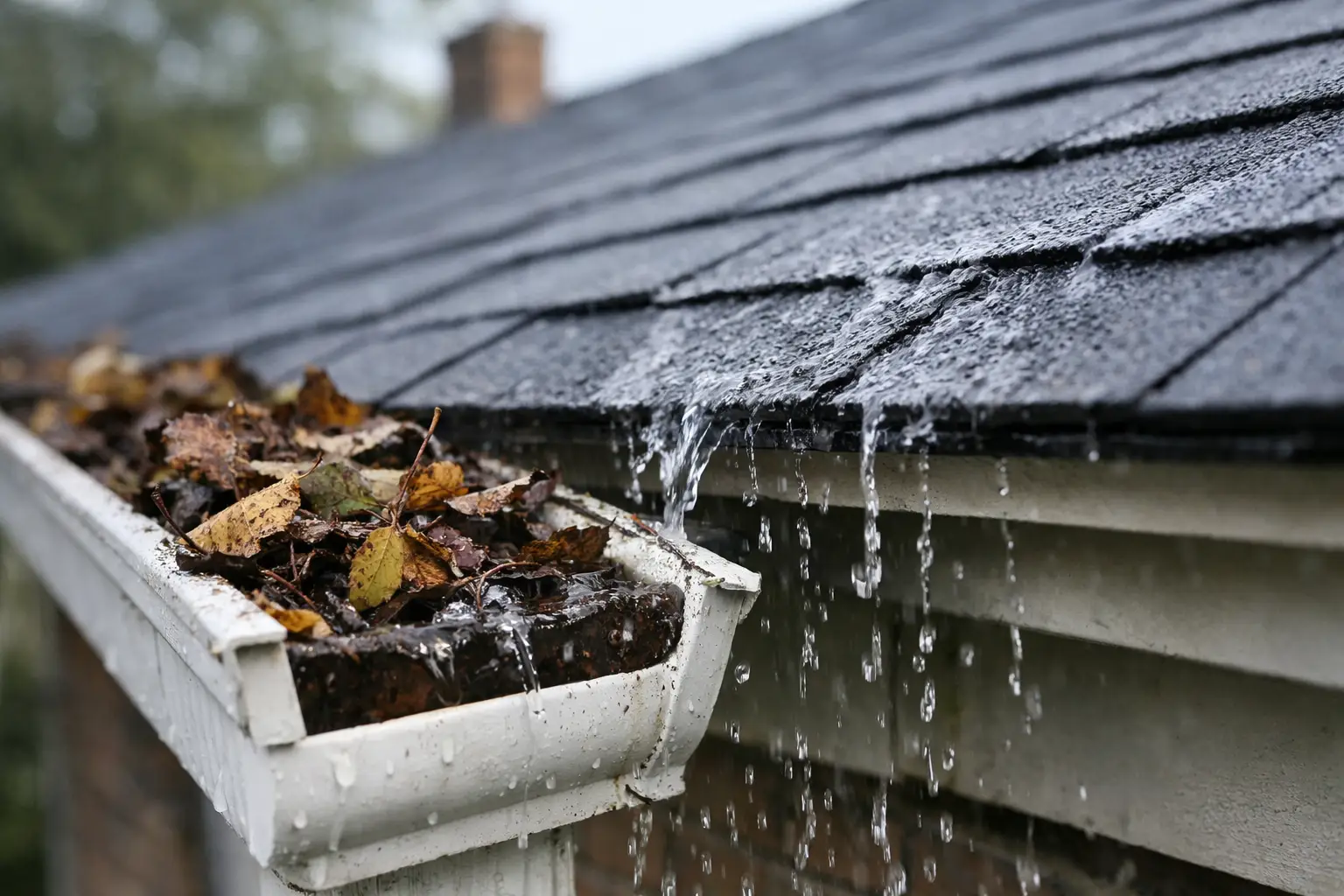
Drainage is one of the most common issues on NYC flat roofs. Leaves, debris, loose gravel, and neglected strainers can block drains and scuppers. When water sits after rainfall, it adds weight to the roof and keeps materials wet longer than they are designed to be.
The answer depends on the cause. In some cases, clearing and maintaining drains is enough. In others, the roof may have low areas, damaged insulation, poor slope, or undersized drainage that needs a more permanent correction. Gutters, leaders, and downspouts should be checked as part of the exterior water-management system, especially on sloped residential roofs.
Signs of moisture below the roof
An exterior inspection is important, but visible interior conditions can help trace a leak. Water stains, peeling paint, damp insulation, mildew odor, cracked plaster, and soft ceiling areas should be documented. Water does not always appear directly below the entry point, so identifying the leak may require following its path through the building.
This is where clear communication matters. Photos and straightforward explanations help owners understand whether they are dealing with a roof defect, a flashing issue, a wall-waterproofing concern, or a plumbing problem that only looks like a roof leak.
When to Schedule an Inspection
Waiting for a major leak is the most expensive approach. A roof should be inspected after severe wind, heavy rain, snow accumulation, or impact from fallen branches or debris. It is also smart to schedule an inspection when a property changes hands, before exterior renovations, or when rooftop equipment is installed or replaced.
For aging roofs, regular inspections are a practical form of maintenance. The right frequency depends on the roof type, age, building use, tree coverage, drainage history, and prior leak problems. A newer residential roof may need a routine check after major storms and as it ages. A commercial flat roof with drains, equipment, and frequent foot traffic typically benefits from more regular attention.
Do not ignore smaller warning signs. Bubbling paint near the top floor, overflowing gutters, water pooling near drains, loose shingles in the yard, or recurring patches in the same area are all reasons to have the roof checked. None automatically means the whole roof needs replacement, but each can point to a problem that will grow if left alone.
Repair, Restoration, or Replacement: How to Decide
A good inspection should lead to a recommendation based on the roof’s remaining service life, not a one-size-fits-all sales pitch. If damage is limited to a small area and the surrounding system remains sound, a targeted roof repair may be the sensible choice. Repairing a seam, replacing damaged shingles, resealing flashing, or correcting a drainage blockage can stop a leak and preserve the roof.
Roof restoration may make sense when the system is aging but still structurally serviceable. Depending on the roof type, restoration can address surface wear, seams, coatings, and waterproofing details while extending the roof’s usable life. This option is not appropriate for every roof, particularly one with widespread saturated materials or major structural concerns.
Replacement becomes more practical when repairs are becoming frequent, water damage is widespread, the roofing material has reached the end of its life, or the system cannot be brought back to a reliable condition. While replacement costs more upfront, repeated emergency repairs can cost more over time and leave the property exposed between visits.
The key is having the trade-offs explained clearly. Owners should know what a repair will solve, what it will not solve, how long the work is expected to last, and whether a more comprehensive project should be planned.
What to Expect From Queens Roof Inspection Services
The process should be organized and direct. A qualified, licensed, and insured roofing contractor evaluates accessible roof areas, visible details, drainage components, and relevant interior signs. The findings should be explained in plain language, ideally with photos showing the condition instead of vague descriptions.
From there, the owner should receive practical options. Urgent issues such as active leaks, loose materials, blocked drainage, or storm damage need prompt action. Conditions that are not urgent can be planned around budget, weather, tenant needs, and building operations. For larger projects, dedicated project oversight helps keep communication clear from inspection through completion.
Global City Restoration approaches inspections with the same priority every property owner has: protect the building, control costs, and avoid surprises. Whether the roof is shingle, EPDM, TPO, tile, steel, flat roofing, or a multi-layer system, the work should be based on the actual condition in front of you.
Protect the Roof Before the Next Storm
A roof rarely fails without leaving clues. The problem is that those clues are often out of sight until water reaches the interior. Scheduling an inspection while the roof is still accessible and the damage is limited gives you more choices, more control over cost, and a better chance of keeping a small issue from becoming a major disruption.