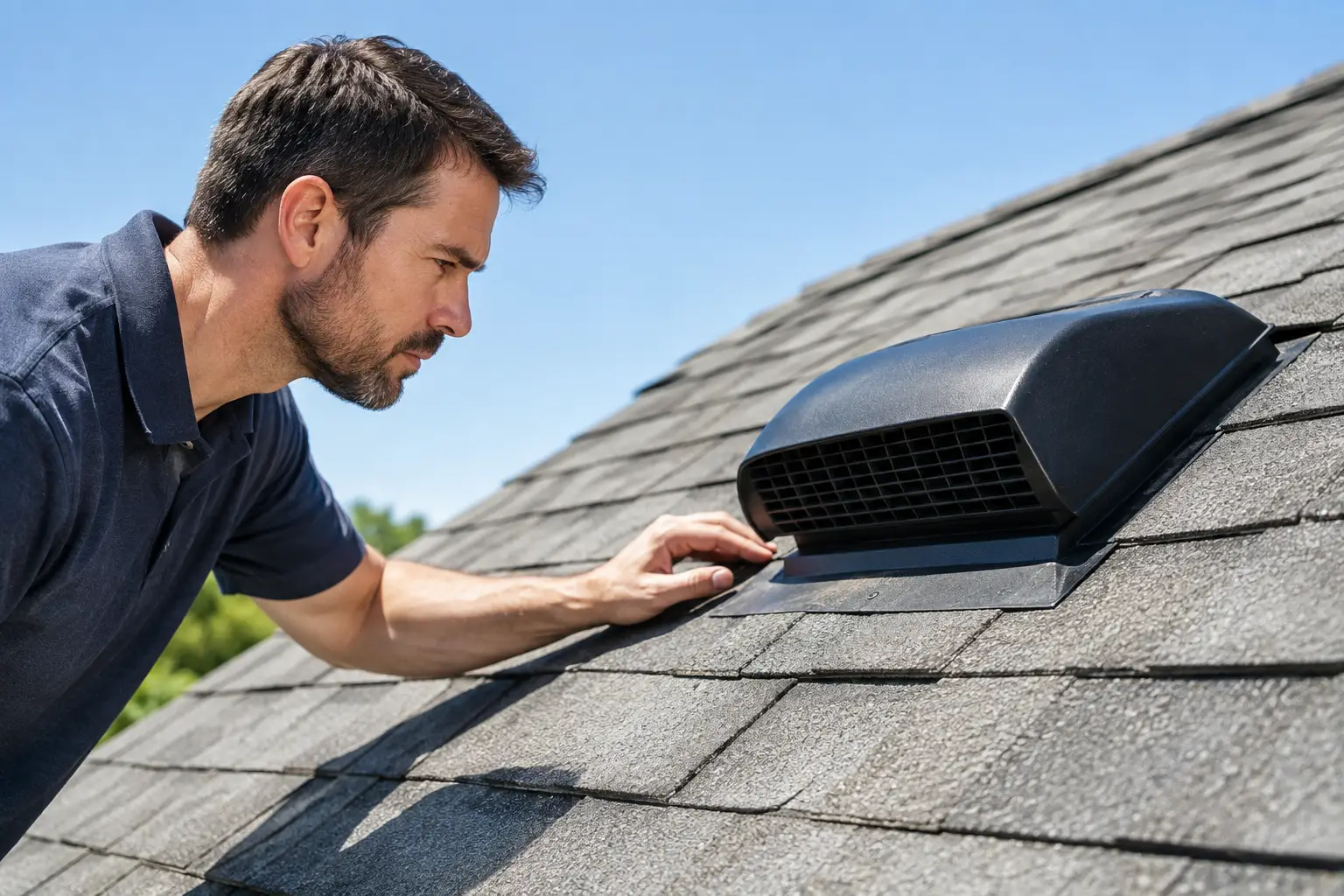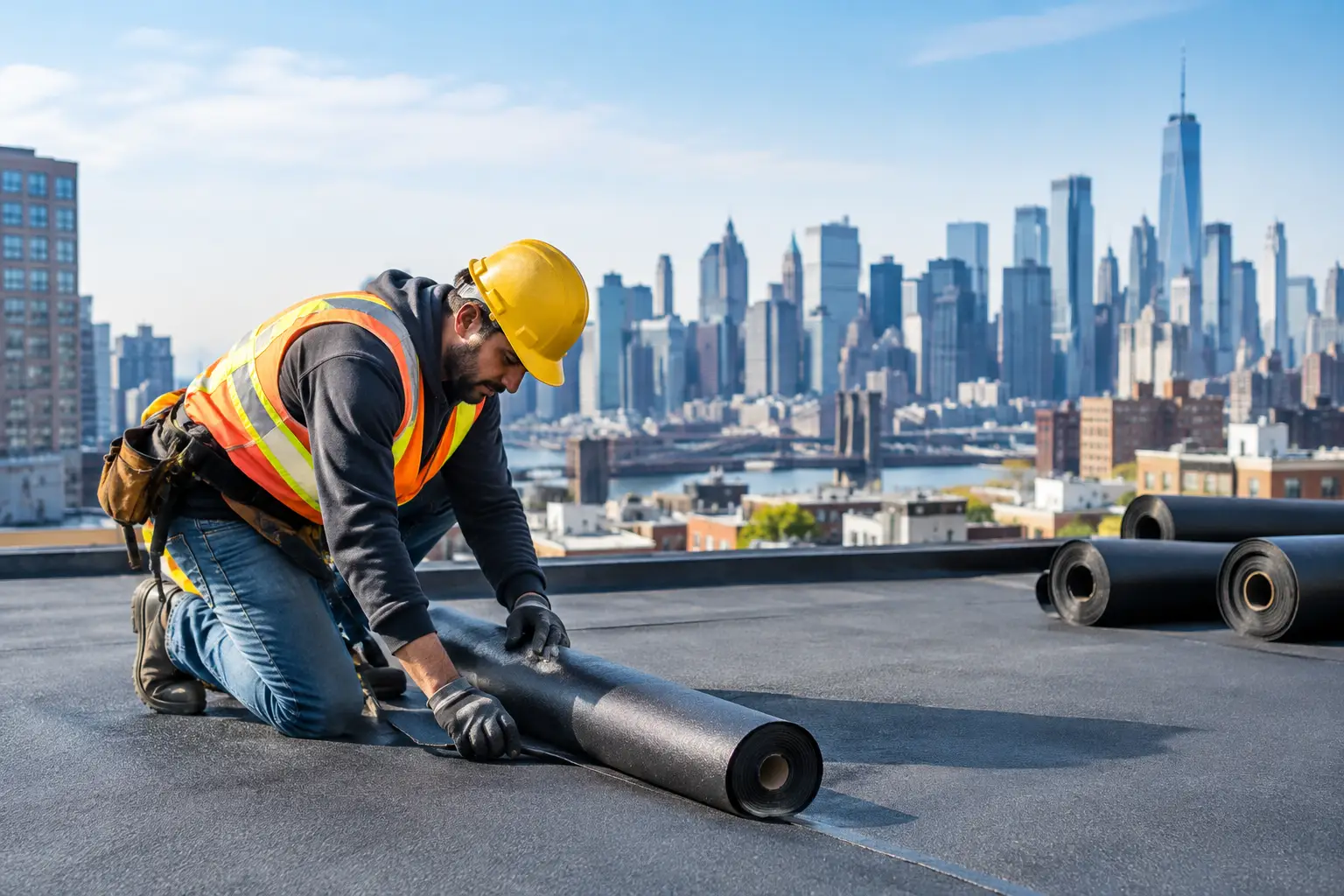
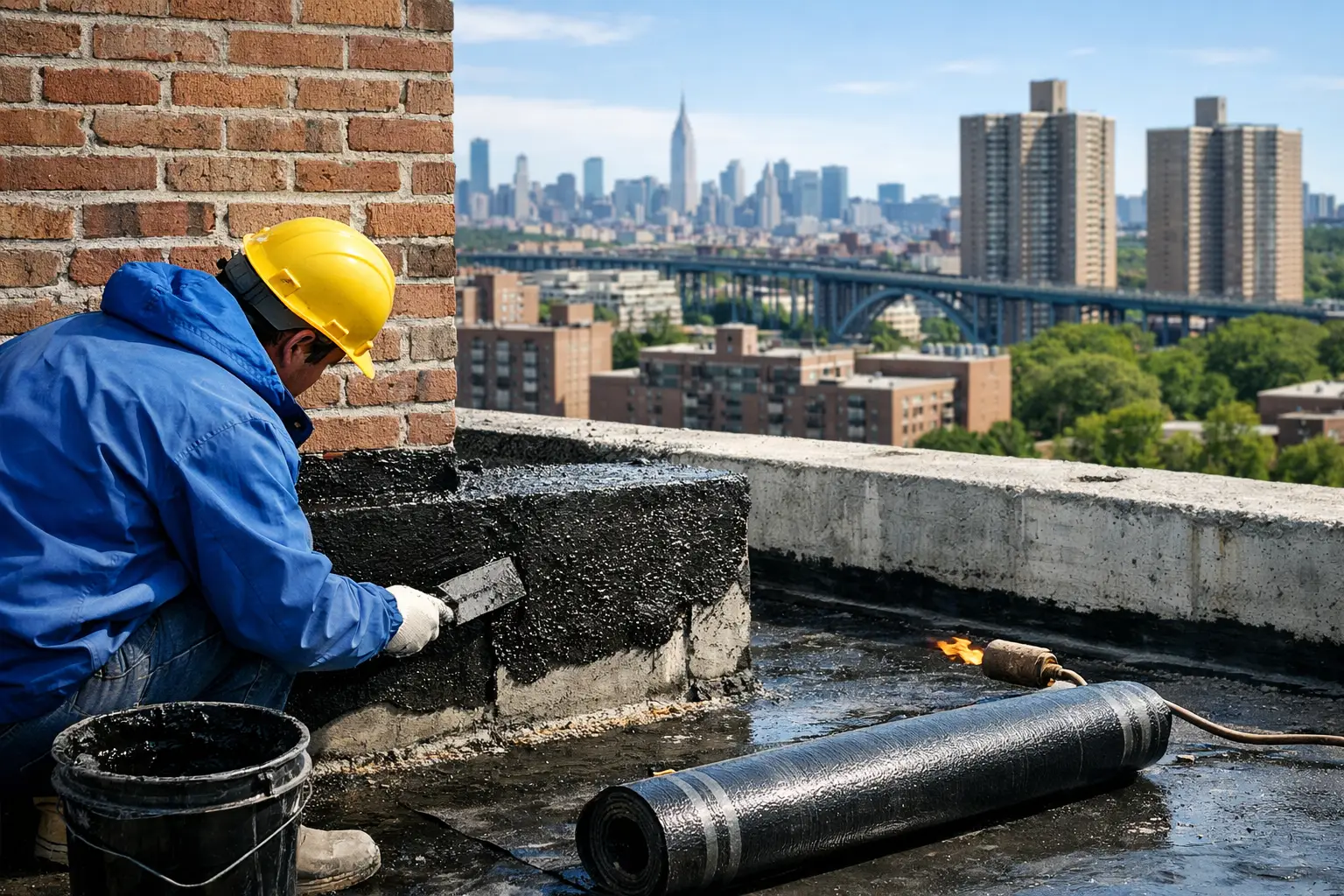
A stain spreading across a top-floor ceiling after a hard Bronx rain is not a cosmetic problem. It is a warning that water has already found a path through the roof, flashing, masonry, drainage system, or exterior wall. Property owners searching for waterproofing companiese in bronx are usually looking for one thing: a contractor who can find the real source of the water and stop it before the damage gets worse.
That requires more than applying a coating and hoping for the best. Effective waterproofing is a system of inspection, drainage, repair, compatible materials, and code-compliant installation. The right contractor should explain what failed, show you the affected conditions, and recommend work that fits the building instead of pushing a one-size-fits-all repair.
What Waterproofing Companies in the Bronx Should Address
Water does not always enter where it appears indoors. A ceiling leak may begin several feet away at an open seam, deteriorated coping, failed flashing around a penetration, clogged roof drain, cracked parapet wall, or worn membrane. On a low-slope roof, standing water can speed up material breakdown and expose weak points that were not visible during dry weather.
A thorough waterproofing contractor starts with the building envelope. That includes the roof surface, edges, drains, gutters and leaders, skylights, chimneys, vents, wall transitions, window openings, masonry joints, and foundation areas when applicable. The goal is not to treat a single wet spot. It is to keep water outside the property where it belongs.
For Bronx multi-family buildings and commercial properties, the inspection should also account for rooftop equipment, foot traffic, roof access paths, and areas where past repairs overlap. Older buildings often have several layers of repair work from different years. A patch may be sound on its own but fail where it meets an aging membrane or poorly sealed flashing.
The Difference Between a Patch and a Waterproofing Plan
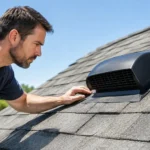
A small repair is often the right answer when damage is isolated and the existing roof or wall system is otherwise in good condition. For example, replacing damaged flashing around a vent or resealing a limited seam can stop a leak without requiring a larger project. A dependable contractor should be willing to recommend that practical option when it makes sense.
But repeated leaks in different areas are a different situation. If the roof has widespread blistering, open seams, ponding water, brittle sealant, deteriorated masonry, or several old patches, another spot repair may only delay a larger problem. In that case, a waterproofing plan may include targeted restoration, membrane repairs, drainage improvements, new flashing, masonry sealing, or roof replacement.
The trade-off comes down to current cost versus long-term exposure. The cheapest repair can be expensive if it fails during the next major storm and water damages insulation, framing, ceilings, tenant spaces, or electrical components. At the same time, a full replacement should not be the default answer for a condition that can be properly restored. The best recommendation is based on evidence from the property, not guesswork.
Common Areas Where Water Gets In
Roof edges and parapet walls deserve close attention because they handle constant exposure to wind-driven rain, temperature changes, and snow. Failed coping, cracked mortar joints, loose metal, and separated flashing can allow water behind exterior surfaces before it becomes visible inside.
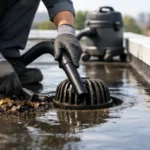
Drainage is another major factor. Clogged leaders, undersized drains, damaged scuppers, and poor roof slope can leave standing water on a flat or low-slope roof. Water that stays on the roof puts extra stress on seams and penetrations. Correcting drainage can be just as important as repairing the membrane itself.
Basement and ground-level leaks require a different approach. Water may enter through foundation cracks, wall penetrations, window wells, deteriorated mortar, or poor grading around the structure. The contractor should identify whether the issue is groundwater, surface runoff, plumbing, or an exterior wall failure before recommending a waterproofing method.
Questions to Ask Before Hiring a Waterproofing Contractor
The estimate should tell you more than a price. It should describe the affected area, the repair method, materials to be used, and what conditions are included. Vague proposals make it difficult to compare companies or hold anyone accountable once work begins.
Ask how the contractor will locate the leak source, not only how they plan to seal the visible damage. Ask whether photos will be provided before, during, and after the work. Photos are especially useful for owners and property managers who cannot safely inspect a roof or exterior wall themselves.
You should also confirm that the contractor is licensed and insured for the work being performed and understands New York City requirements. Roof and exterior work involves more than materials. Proper details at drains, edges, penetrations, and wall connections affect performance, safety, and compliance.
For larger projects, ask who will manage the work and how communication will be handled. A dedicated project manager gives owners one clear point of contact for scheduling, site conditions, change requests, and progress updates. This matters on occupied buildings, where access, noise, tenant concerns, and weather can all affect the work plan.
Finally, ask about the warranty and what it covers. A warranty has value when the scope of work is clear and the installation is performed correctly. It should not be used as a substitute for a detailed inspection or quality workmanship.
Match the Waterproofing Method to the Building
Different exterior systems need different repair methods. Asphalt shingle roofs, EPDM, TPO, modified bitumen, hot roofing, 4-ply systems, tile, steel roofing, and flat roofs each have their own weak points and compatible materials. Applying the wrong coating, sealant, or patching product can create a short-lived repair or interfere with later work.
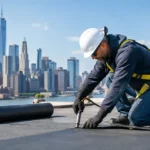
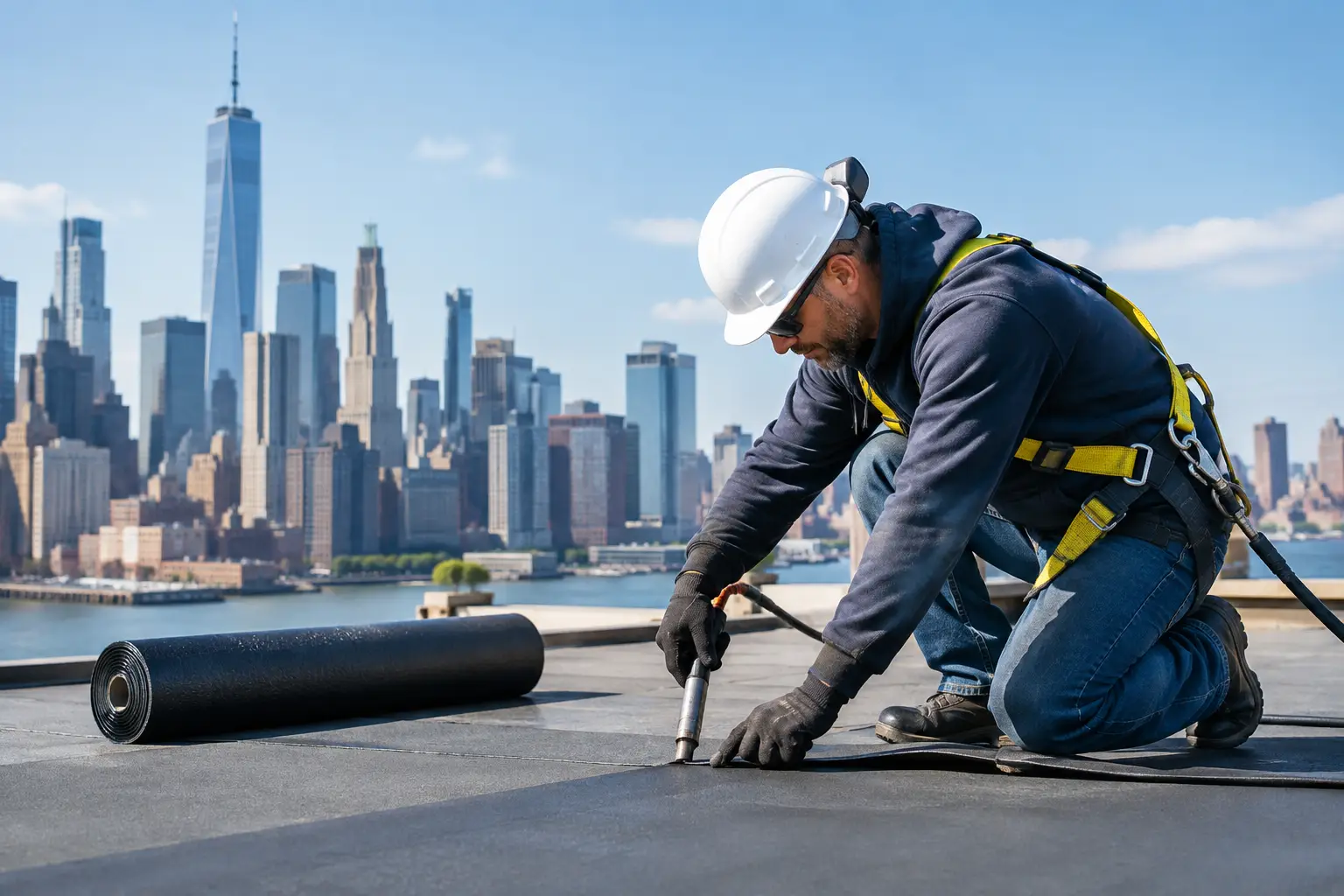
On flat roofs, membrane condition and drainage usually drive the decision. EPDM and TPO roofs can often be repaired at seams, penetrations, or edge details when the field membrane remains serviceable. Built-up and hot roofing systems may require attention to blisters, flashing, gravel coverage, and areas where the layers have deteriorated. A professional assessment should distinguish between surface wear and a system that has reached the end of its useful life.
Masonry waterproofing also requires care. Brick, stone, mortar, and concrete need to manage moisture differently than roofing membranes. Sealing a wall without addressing cracked joints, loose bricks, failed lintels, or defective flashing can trap moisture or simply redirect the leak. Proper masonry restoration often starts with repairing the substrate, then applying the appropriate protective treatment where needed.
Timing Matters More Than Most Owners Expect
Waterproofing work can be planned, but active leaks cannot always wait. Heavy rain can turn a small opening into interior damage quickly, particularly on low-slope roofs with drainage problems. If water is entering the building, document the affected areas, move vulnerable contents, and contact a qualified contractor promptly.
Dry weather is generally easier for inspections and exterior repairs, but it is not a reason to postpone a known problem until next season. Contractors can often make temporary emergency repairs to limit water intrusion, then schedule permanent work when conditions allow. The key is to separate a true temporary measure from a completed solution.
For landlords and commercial property owners, planned maintenance is usually less disruptive and less costly than emergency response. Regular roof inspections, drain cleaning, gutter and leader service, and timely flashing repairs help prevent a minor condition from becoming a major restoration project.
Choose Clear Answers Over Quick Promises
A contractor should be able to explain the condition of your roof, walls, or foundation in plain language. You should know where water is likely entering, why the proposed repair is appropriate, how long the work should take, and what may change if hidden damage is found after opening an area.
At Global City Restoration, that practical approach means looking at the complete exterior system, not just the stain on the ceiling. Whether a property needs a targeted repair, drainage correction, roof restoration, or a new waterproofing system, the work should protect the building through Bronx rain, snow, heat, and the wear that comes with New York City weather.
The right time to investigate a leak is when it is still a manageable repair. A clear inspection and a properly matched solution can protect your property long before the next storm tests it.