
A new roof should give you peace of mind, not a folder full of fine print you only read after a leak appears. These roof warranty questions answered can help NYC homeowners, landlords, and property managers understand what they are actually buying – and what they must do to keep coverage in place.
A warranty is valuable, but it is not a promise that every future roof problem will be repaired at no cost. Coverage depends on the roof system, the materials used, the installer, the cause of the damage, and whether the property owner followed the warranty requirements. Knowing the difference before work starts protects your building and prevents hard conversations later.
What Does a Roof Warranty Usually Cover?
Most roofing warranties fall into two categories: a manufacturer warranty and a contractor workmanship warranty. They may work together, but they cover different problems.
A manufacturer warranty generally covers defects in the roofing materials. For example, if shingles fail prematurely because of a manufacturing defect, or a membrane breaks down under normal conditions due to a product issue, the manufacturer may provide replacement materials or limited financial coverage. The exact terms vary widely by product and warranty level.
A workmanship warranty covers installation-related issues. If flashing was installed incorrectly, seams were not properly sealed, drainage details were missed, or a roofing system was applied outside the manufacturer’s specifications, that is usually a workmanship concern. This warranty comes from the contractor, not the material manufacturer.
For a Bronx flat roof, the distinction matters. Standing water, failed seams, clogged drains, and poorly tied-in penetrations can all lead to leaks. Some may be installation issues, while others may result from maintenance failures or conditions outside warranty coverage. A clear inspection and documentation are necessary before anyone can determine responsibility.
Are Roof Warranties Transferable When You Sell?
Sometimes, but never assume they transfer automatically. Many standard manufacturer warranties allow a one-time transfer to a new owner if the proper forms are submitted within a set period after the sale. Other warranties are non-transferable, or they transfer with reduced coverage.
Contractor workmanship warranties can be even more specific. Some apply only to the original customer and property owner, while others remain with the building for the stated term. If you own a rental property, co-op unit, commercial building, or multi-family home, ask this question before signing a contract. A transferable warranty can be useful when you sell, refinance, or need to show prospective buyers that recent roofing work was properly completed.
Get the transfer rules in writing. Verbal assurances do not replace the warranty document.
How Long Should a Roof Warranty Last?
The answer depends on the roofing system and the warranty type. Asphalt shingles may carry a manufacturer warranty measured in decades, while membrane systems such as TPO or EPDM may offer different coverage periods based on membrane thickness, installation method, insulation, accessories, and whether the system was installed by an approved contractor.
The length printed on a warranty is not the same as the roof’s guaranteed service life. A 30-year material warranty does not mean every repair, storm event, or maintenance issue is covered for 30 years. It also does not mean the roof will perform perfectly without inspections, cleaning, or repair work.
For commercial and low-slope roofs in New York City, warranty duration should be weighed against the actual roof design. A lower-priced installation with a limited warranty may make sense for a short-term hold. A building you plan to own for decades may benefit from a more complete system warranty and stronger installation details around drains, parapet walls, curbs, and rooftop equipment.
Roof Warranty Questions Answered: What Can Void Coverage?
This is where property owners need to read carefully. Warranties usually have exclusions, and some actions can void all or part of the coverage. The most common issue is allowing a small roof problem to sit too long. Water infiltration can spread beneath roofing materials, damage insulation or decking, and turn a repairable defect into a larger failure.
Other common reasons a claim may be denied include:
- Unapproved alterations, such as mounting equipment or installing satellite dishes without properly sealing penetrations
- Damage from another trade, including HVAC, solar, masonry, or electrical work performed after the roof installation
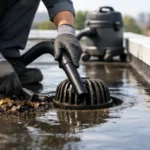
- Lack of reasonable maintenance, especially clogged drains, blocked scuppers, and neglected gutters and leaders
- Storm damage, falling debris, vandalism, fire, foot traffic, or structural movement that the warranty excludes
- Repairs performed by an unapproved contractor when the warranty requires authorized service
Not every situation is black and white. A manufacturer may cover defective material but not labor to remove and replace it. A workmanship warranty may cover a failed detail but not interior ceiling repairs, damaged inventory, mold remediation, or tenant disruption. Ask what is covered beyond the roof surface itself.
Does Storm Damage Fall Under a Roof Warranty?
Usually, no. Wind-driven rain, hail, falling tree limbs, ice damage, and severe storms are generally considered insurance matters rather than warranty matters. Warranties are designed to address defects in materials or installation, not unexpected external damage.
That said, a storm can expose a pre-existing installation issue. If high winds lift flashing that was not properly secured, the cause may need to be investigated. The same is true when heavy rain reveals a drainage problem on a low-slope roof. Do not assume the answer based on appearance alone.
After a storm, take clear photos from a safe location, note when the leak began, protect the interior if possible, and arrange a professional roof inspection promptly. Waiting allows water to travel and makes it harder to identify the original entry point. It can also create avoidable damage that neither a warranty nor an insurance carrier will fully cover.
Why Registration and Records Matter
Some enhanced manufacturer warranties must be registered after installation. Others require proof that approved products and system components were used. If the contractor does not provide copies of the warranty, paid invoice, scope of work, and final inspection information, request them before the project is considered complete.
Keep those records with photos of the finished roof and any maintenance reports. For commercial properties, save notes from roof inspections, drain cleanings, and repair visits. For residential properties, keep a simple record of when gutters were cleaned and when roof areas were inspected after major weather events.
This is not paperwork for paperwork’s sake. If a leak occurs years later, documentation helps establish the roof’s age, what system was installed, who worked on it, and whether maintenance was handled responsibly.
What Should You Ask Before Accepting a Roofing Proposal?
A good proposal should identify the roofing system, the material manufacturer, the scope of tear-off or restoration work, flashing details, drainage work, and the expected warranty coverage. If a contractor only says “new roof with warranty,” that is not enough information to compare bids fairly.
Ask whether the warranty is manufacturer-backed, contractor-backed, or both. Ask who performs service if there is a leak, whether labor is included, whether the warranty requires registration, and what maintenance is expected from you. For a flat roof, also ask how the contractor will address ponding water and drainage. A warranty cannot compensate for a roof design that leaves water sitting where it should be flowing away.
It is also reasonable to ask how warranty calls are handled. Property owners need a contractor who responds, explains the roof condition clearly, and provides photos when possible. Global City Restoration approaches roof work with that practical standard because a warranty is only as helpful as the people standing behind the installation.
What to Do If You Think You Have a Warranty Claim
Start by reporting the issue quickly. Avoid making major repairs yourself or allowing an unrelated contractor to alter the roof before the original installer or warranty provider has had a chance to inspect it, unless emergency action is needed to stop active damage.
Document the problem with photos and a written timeline. Include the date you first noticed the leak, recent weather conditions, any work done on the roof or nearby equipment, and areas affected inside the building. Then provide the warranty paperwork and installation records.
A professional inspection should identify whether the issue comes from the roofing material, installation, drainage, building movement, storm damage, or another source. Roof leaks can travel far from the point where water entered, especially on flat and low-slope systems. The visible stain is often not the actual failure point.
The best warranty decision happens before the roof is installed. Choose a system suited to the building, make sure the work is code-compliant, understand the written coverage, and maintain the roof after the crew leaves. That is how you protect the warranty – and more importantly, the property beneath it.