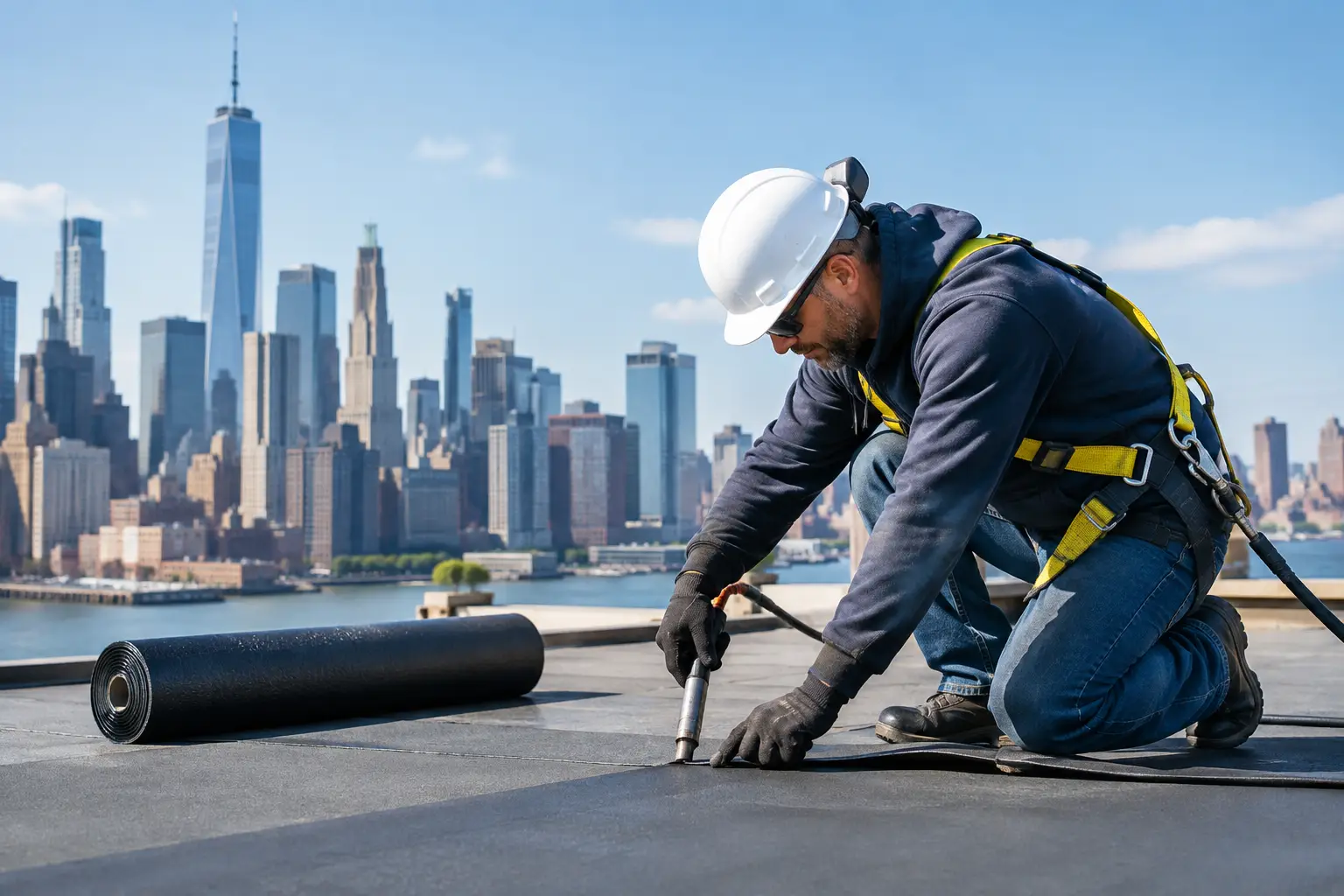
A small ceiling stain can become a major building problem faster than most owners expect. Water may travel along deck boards, insulation, pipes, and walls before it appears indoors. That is why experienced roofing contractors do more than patch the visible leak. They find where water is entering, assess what it has affected, and recommend work that protects the property for the long term.
For homeowners, landlords, and commercial property managers in New York City, roofing decisions are rarely simple. A low-slope roof with standing water has different needs than a shingle roof. A repair that makes sense on a newer roof may only delay a full replacement on a system near the end of its service life. The right decision starts with a clear inspection and an honest explanation of the roof’s condition.
What Good Roofing Contractors Actually Do
A dependable roofer should help you understand the condition of your roof before asking you to approve a scope of work. That means looking beyond the leak itself. Flashing around parapet walls, vents, chimneys, skylights, drains, seams, roof edges, and penetrations can all be weak points. On flat and low-slope roofs, drainage is often just as important as the membrane.
The best approach is practical: identify active failures, document damage with photos when possible, explain the repair options, and tell the owner when a repair is no longer the cost-effective answer. A contractor should also consider the exterior systems connected to the roof. Damaged gutters, leaders, siding, masonry joints, or waterproofing details can send water where it does not belong.
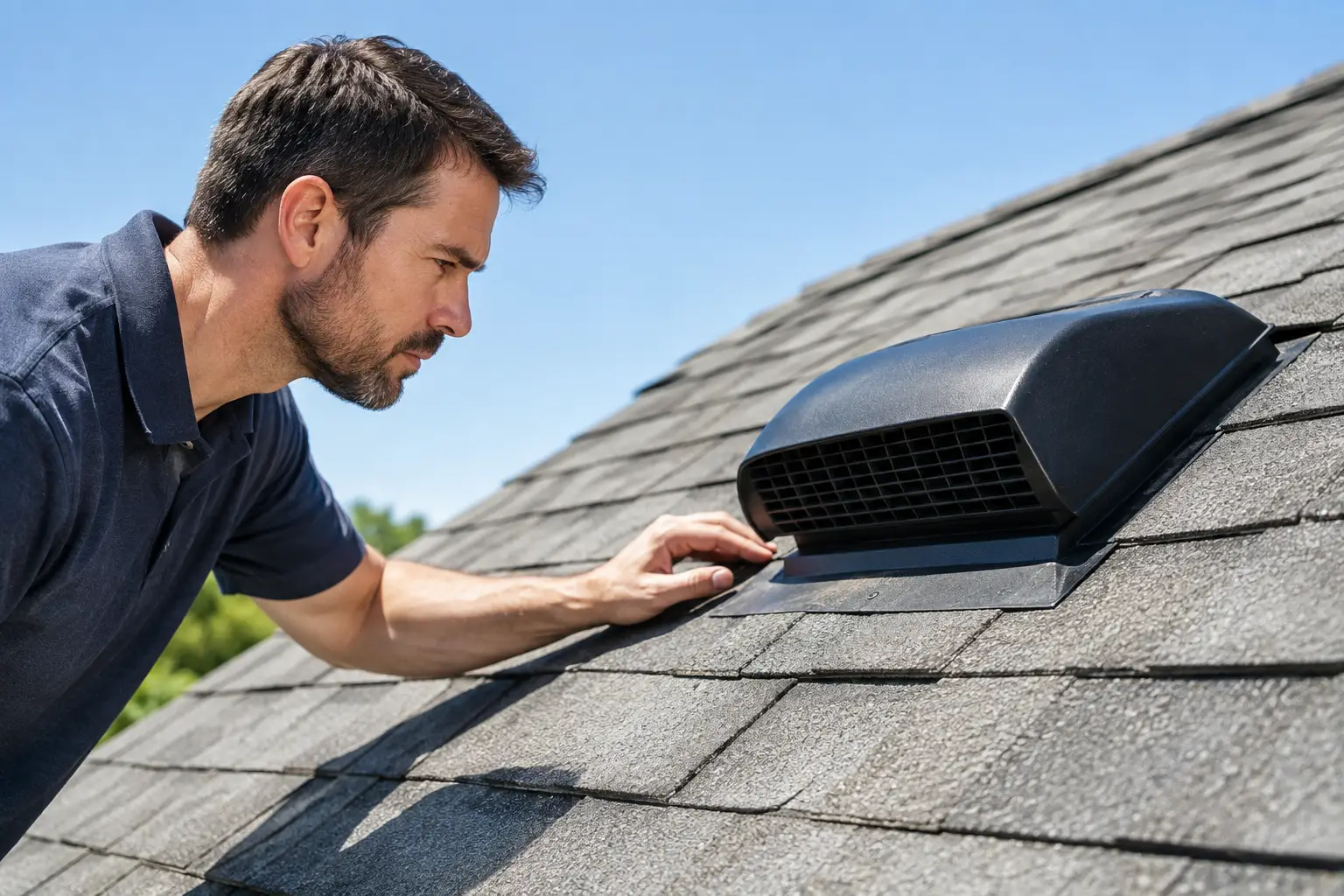
For commercial buildings, the inspection should account for rooftop equipment, foot traffic, drainage paths, and areas where multiple roof sections meet. For residential properties, it may include attic ventilation, damaged shingles, ice-related lifting, and flashing at dormers or chimneys. The details change, but the goal stays the same: keep water outside and prevent hidden deterioration.
Choosing Roofing Contractors for an NYC Building
Price matters, especially when an unexpected leak puts pressure on a property budget. But the lowest estimate is not always the least expensive outcome. An incomplete repair can fail during the next hard rain, damage interior finishes, disrupt tenants, and require the work to be done again.
Look for a contractor that is licensed and insured, explains its scope in plain language, and has experience with the roofing system on your building. Ask what materials will be used, how adjoining surfaces will be protected, how drainage concerns will be handled, and what warranty applies to the work. If permits or code requirements apply, make sure those responsibilities are clearly addressed before work begins.
Communication is not an extra service. It is part of protecting the job. Property owners should know who is managing the project, when work is scheduled, what conditions may affect the timeline, and what was found once the roof is opened. A dedicated project manager can prevent the confusion that often causes delays, missed details, and frustration.
Repair, Restoration, or Replacement?
There is no one answer for every roof. A localized puncture, failed seam, loose flashing, or damaged pipe boot may be repaired without replacing the entire system. Quick repair is often the right move when the rest of the roof is in solid condition and the damage is limited.
Restoration can be a strong option when a roof is weathered but still structurally sound. Depending on the system, restoration may address surface wear, seams, coatings, and waterproofing details to extend service life. It can reduce disruption and cost compared with replacement, but it is not a cure for saturated insulation, widespread membrane failure, or serious deck damage.
Replacement becomes the better investment when leaks are recurring, repairs are scattered across the roof, materials are failing at multiple points, or the system has reached the end of its expected life. A new roof also gives owners an opportunity to correct longstanding drainage problems, upgrade materials, and improve protection around edges and penetrations.
An honest contractor should explain these trade-offs. If a repair is only a short-term measure, you deserve to hear that before spending money on it.
Match the Roofing System to the Building
New York City roofs face heavy rain, snow, summer heat, freeze-thaw cycles, wind, and the pressure of standing water on low-slope surfaces. Material selection should reflect those conditions as well as the building’s structure, roof slope, budget, and expected use.
Asphalt shingles remain a familiar choice for many residential sloped roofs. They can provide reliable protection when installed correctly with proper underlayment, flashing, and ventilation. Their performance depends heavily on installation details, particularly around valleys, chimneys, and roof transitions.
Flat and low-slope roofs require systems designed to manage water exposure. EPDM is a durable rubber membrane used on many flat roofs. TPO is valued for its heat-reflective surface and welded seams. Modified bitumen, hot roofing, and 4-ply systems may also be appropriate depending on the building and the owner’s goals. Steel and tile roofing can offer long service life in the right application, though structural considerations, cost, and detailing need careful review.
The material name alone does not guarantee a good roof. Proper substrate preparation, insulation, seam work, flashing, edge metal, and drainage all affect whether the system performs as intended. A quality installation is a complete assembly, not just a surface layer.
Drainage and Waterproofing Are Part of the Roof Job
Standing water should never be treated as normal simply because a roof is flat. Minor ponding can sometimes occur after a storm, but water that remains for extended periods can speed up membrane wear, expose weak seams, and add unnecessary stress to the structure.
Roof drains, scuppers, gutters, and leaders need to be clear and properly sized. On many city properties, blocked leaders or poor drainage send water back toward the building envelope, contributing to leaks at walls, foundations, and lower-level spaces. Correcting the roof while ignoring the drainage path can leave the original problem only partly solved.
Waterproofing also matters where the roof connects to parapet walls, coping, masonry, and exterior transitions. These areas take constant weather exposure. When sealants crack, flashing pulls away, or masonry joints open up, water can enter behind finished surfaces and remain hidden until the damage is extensive.
A full-service exterior contractor can coordinate roofing, waterproofing, siding, and gutter work so those systems support each other. That is especially useful for buildings with multiple water-entry points rather than one obvious roof defect.
Do Not Wait for a Larger Leak
Owners often call after water reaches a ceiling, but a roof usually gives warnings first. Blistering or cracking on a membrane, missing shingles, loose flashing, clogged drains, granules in gutters, sagging areas, and recurring damp spots all deserve attention. After major rain, snow, or wind, a visual check can catch problems before they spread.
If water is actively entering the building, protect the interior, move valuables away from the affected area, and arrange for a professional assessment promptly. Do not rely on caulk or a temporary patch as a permanent solution unless a roofer confirms it is appropriate. Water damage is rarely limited to what you can see from inside.
Global City Restoration approaches roof work with the same standard property owners need from any contractor: clear findings, code-compliant workmanship, durable materials, and direct communication from inspection through completion.
Your roof does not need attention only when it fails. A timely inspection, a clean drainage system, and a repair made before the next storm can protect your tenants, your interior spaces, and the value you have worked hard to build.