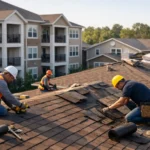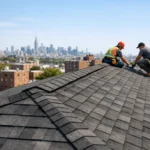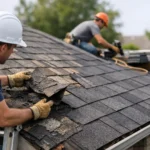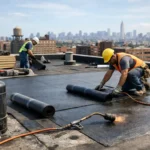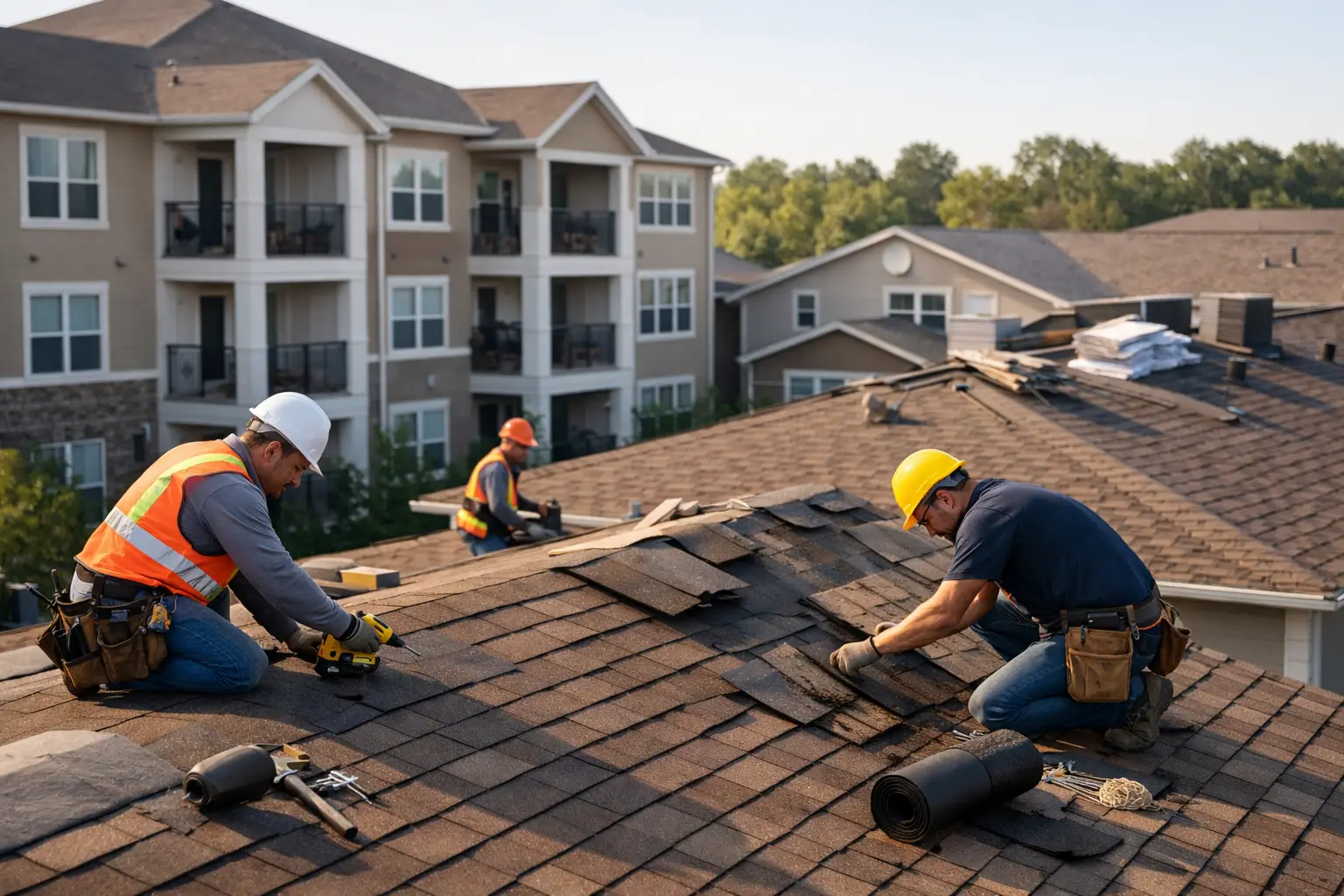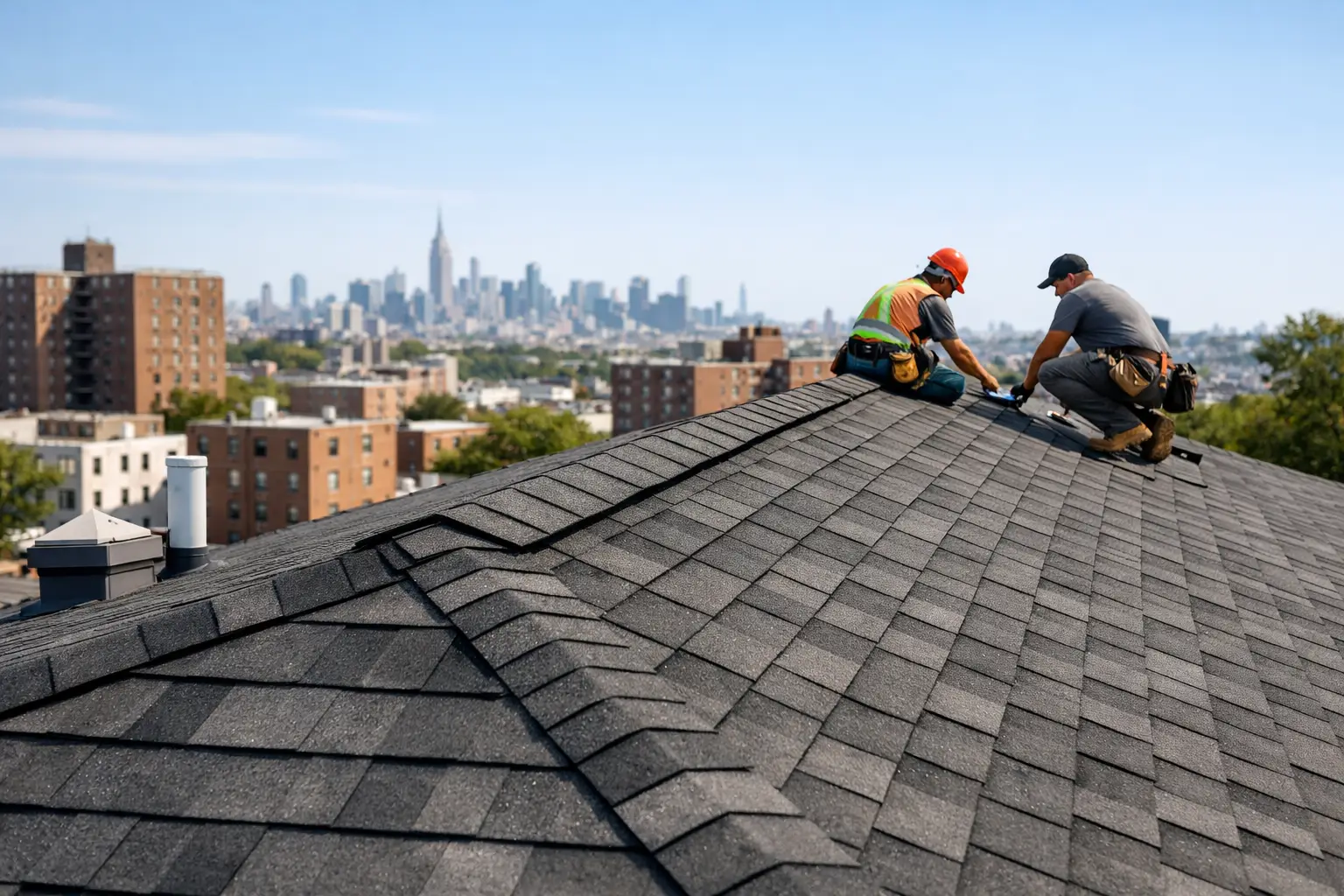
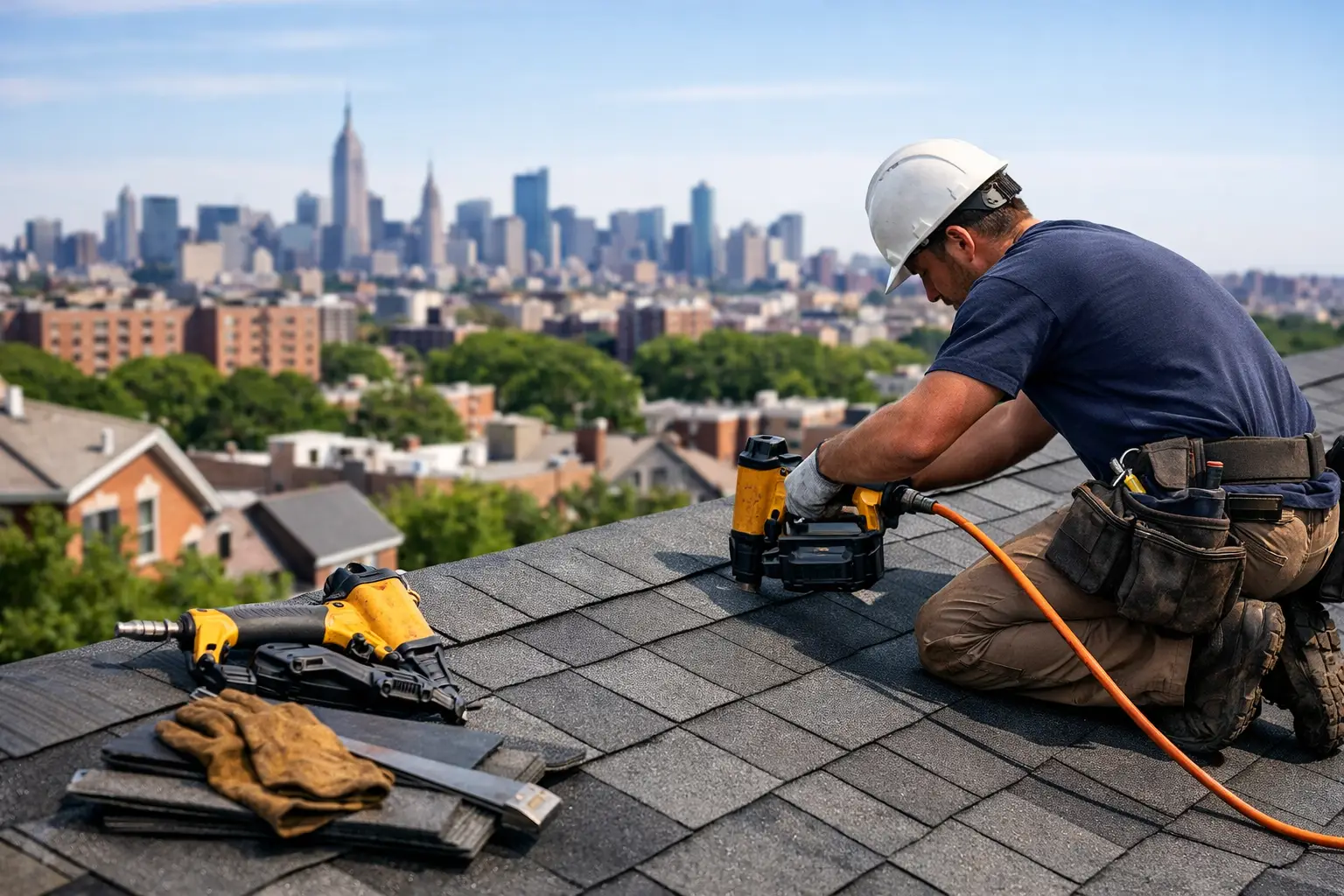
A roof problem in the Bronx usually does not stay small for long. One leak can turn into stained ceilings, damaged walls, mold, ruined insulation, and tenant complaints fast. That is why property owners looking for roofing services in Bronx are usually not browsing for ideas – they need answers, realistic pricing, and work that holds up through real New York weather.
The hard part is that not every roofing issue calls for the same fix. Some roofs need a targeted repair. Others are already past that point and need replacement. On many city buildings, the real problem is not just the membrane or shingles. It is drainage, flashing, ponding water, masonry transitions, parapet conditions, or neglected gutters pushing water back where it should not be.
Why roofing services in Bronx need a local approach
Bronx buildings deal with a specific mix of stress. Snow sits, ice forms, summer heat bakes roof surfaces, and hard rain exposes weak spots quickly. On low-slope and flat roofs, standing water is a major issue. On pitched roofs, missing shingles, flashing failure, and gutter overflow are common trouble points.
That local reality matters because roofing is not just about putting down material. It is about matching the right system to the building, the exposure, and the budget. A row house, a multifamily property, and a small commercial building can all need very different recommendations, even if they are on the same block.
A good contractor should explain what is happening in plain language. You should be able to see photos of the damage, understand whether the issue is isolated or widespread, and know what the repair is meant to solve. If someone jumps straight to a full replacement without explaining the roof condition, that is a problem. If they promise a cheap patch for a roof that is already failing across multiple areas, that is also a problem.
Repair or replacement depends on roof condition
This is where honest roofing advice matters most. A lot of owners want to know the same thing first – can this be repaired, or am I wasting money by trying?
If the damage is limited to a smaller area, the insulation below is still dry, and the rest of the system has useful life left, a repair may be the right move. That is often true for isolated flashing failures, punctures, small membrane splits, or a section damaged by wind or foot traffic.
If the roof has recurring leaks, widespread blistering or cracking, saturated insulation, chronic ponding water, or multiple old repair areas failing at once, replacement starts making more sense. The upfront cost is higher, but repeated emergency patches add up quickly. They also leave you with uncertainty every time it rains.
For many Bronx property owners, the smart decision comes down to risk. A less expensive repair today is not always the cheaper option over the next two winters. On the other hand, replacing a roof too early can waste years of remaining service life. The right call comes from inspection, not guesswork.
Flat roofing is where experience shows
A large share of Bronx buildings rely on flat or low-slope roofing systems, and these roofs need a contractor who understands more than surface material. Flat roofing failures often start at seams, penetrations, drains, parapet walls, or transitions between roofing and masonry.
Systems such as EPDM, TPO, hot roofing, and 4-ply roofing each have strengths. TPO can be a strong option for energy efficiency and heat reflectivity. EPDM is known for durability and flexibility. Built-up and hot roofing systems can still make sense on certain buildings where a heavier, layered assembly is preferred. The best choice depends on traffic, exposure, drainage, budget, and how long the owner plans to hold the property.
This is also where workmanship matters as much as the material itself. A high-quality roofing membrane will not perform well if the substrate is not prepared correctly, the seams are poor, or the drains are ignored. Good roofing services look at the entire water-shedding system, not just the top layer.
Drainage and waterproofing are part of the roof job
Many leaks that look like roof failure are really drainage failures. If water cannot move off the roof properly, it finds weak points. Overflowing gutters, clogged leaders, poorly sloped sections, and blocked drains all increase the chance of interior damage.
Waterproofing also matters around walls, foundations, and exterior transitions. In city properties, moisture problems rarely stay neatly in one category. Roof edges, flashing details, coping, siding transitions, and masonry joints all work together. When one part is weak, the surrounding areas often start to fail too.
That is why full-service exterior protection makes sense for many owners. If one contractor can handle the roof, waterproofing, siding, and gutter-related issues together, the diagnosis is usually clearer and the repairs are more coordinated.
What good roofing services should include
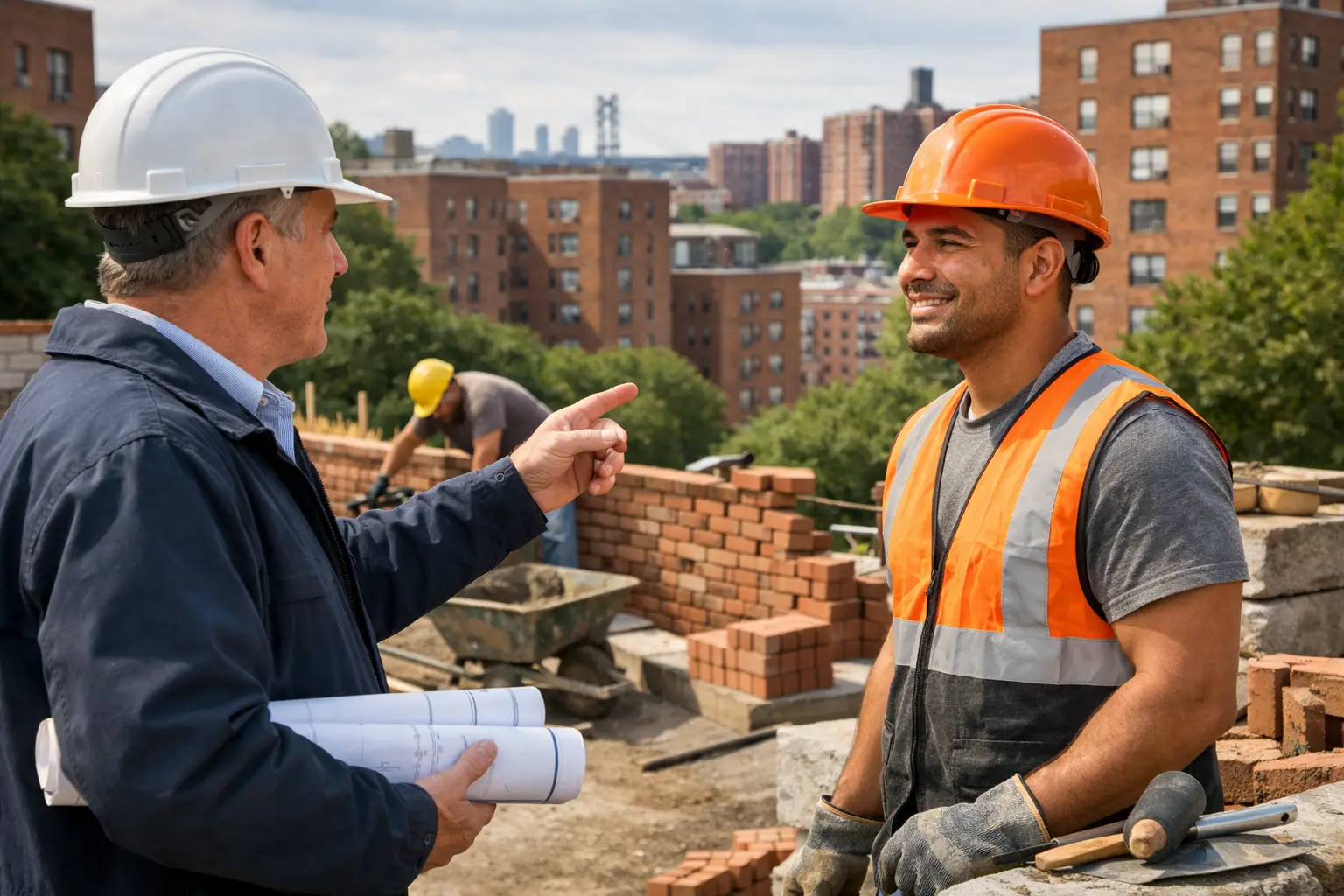
A dependable roofing contractor should not make you chase information. Communication should be clear from the start. You should know who is managing the job, what the scope includes, how long it should take, and what happens if hidden damage is found after tear-off.
For both residential and commercial work, look for licensed and insured crews, code-compliant installation, and warranty coverage that is explained in writing. Ask whether the contractor has experience with your roof type, not just roofing in general. A shingle specialist is not automatically the right fit for a flat multifamily roof, and a commercial membrane installer may not be your best choice for a detailed residential tile or steel roofing project.
You should also expect a practical inspection process. That means identifying active leaks, documenting roof condition, checking flashing and drainage, and being honest about remaining roof life. Good contractors do not hide behind vague language. They tell you what they found, what needs immediate attention, and what can be planned later.
Roofing material choice is not one-size-fits-all
Homeowners often ask which roofing material is best, but the real answer is that it depends on the structure and the goal. Asphalt shingles remain a strong option for many homes because they are cost-effective and widely understood. Steel roofing can offer durability and a longer service life in the right setting. Tile has a distinct look and strong longevity, but the building has to be able to support it and the installation needs precision.
On commercial and multifamily properties, membrane systems usually lead the conversation because they fit the roof design. The decision often comes down to lifecycle cost, maintenance needs, exposure conditions, and disruption during installation.
A trustworthy contractor explains the trade-offs. Lower upfront cost can mean shorter lifespan or more maintenance. A premium system may be worth it on a building you plan to hold for years, but less necessary on a property nearing a broader redevelopment plan.
Signs you should not wait
Some roofing issues can be scheduled. Others need attention right away. Active leaks, bubbling paint near ceiling lines, repeated top-floor water intrusion, visible membrane separation, sagging areas, and standing water that stays long after rain are all signs to move quickly.
For landlords and property managers, delay creates more than repair costs. It can affect tenants, trigger interior restoration work, and turn a roof problem into a bigger liability issue. For business owners, even a smaller leak can interrupt operations, damage inventory, or create unsafe conditions.
That urgency does not mean panic-buying the first estimate. It means getting the roof inspected before the damage spreads. A good contractor will tell you whether the situation needs immediate stabilization, a near-term repair, or full replacement planning.
Choosing a contractor without getting burned
The safest choice is usually the contractor who is specific, not the one who is flashy. Look for detailed scope, realistic timelines, photo documentation, and direct answers. If pricing is dramatically lower than everyone else, ask what is missing. Sometimes the missing piece is proper insulation replacement, drainage correction, permit handling, or warranty-backed installation.
Global City Restoration approaches roofing the way many property owners prefer – straightforward inspection, dedicated project oversight, and solutions built for city weather instead of generic sales talk. That matters when your roof has to stand up to heat, snow, heavy rain, and the wear that comes with dense urban buildings.
The roof over your property does not need a sales pitch. It needs the right fix, done correctly, before a manageable issue turns into structural damage, interior repairs, or lost property value. If you are weighing roofing services, the smartest next step is simple: get clear eyes on the condition, ask direct questions, and choose the team that treats protection like the whole job, not just the top layer.