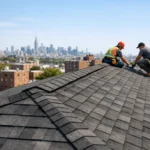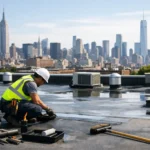
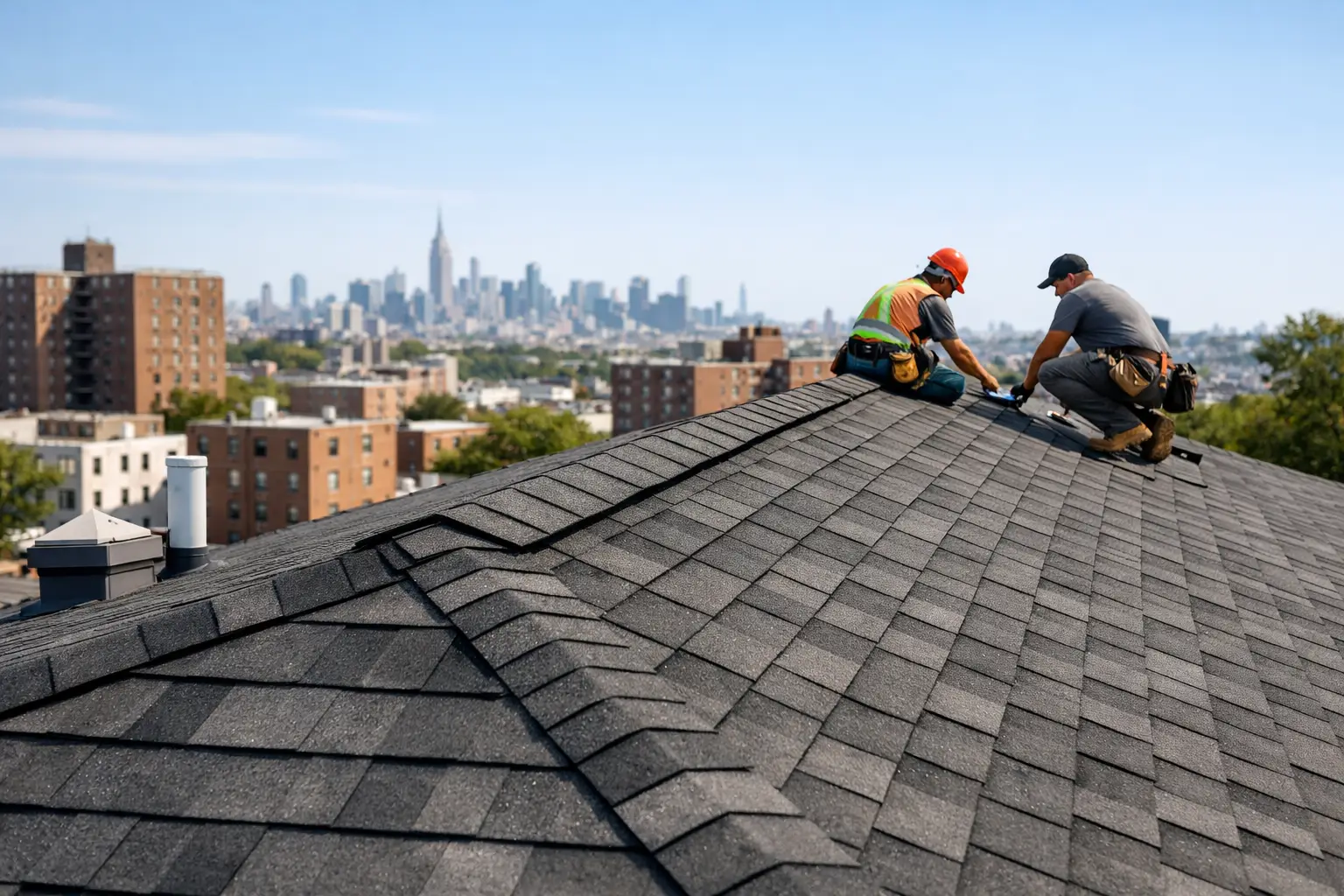
A roof replacement usually starts long before the first tear-off. It starts with stains on a top-floor ceiling, bubbling on a parapet wall, or a tenant saying the leak only shows up after heavy rain. This bronx roof replacement example shows what a real replacement decision often looks like for a New York City property owner, and why waiting too long usually costs more.
In the Bronx, roofs do not fail in a neat, predictable way. A low-slope roof can hold water for days after a storm. Flashing can separate around drains, bulkheads, and edges. Older systems may look serviceable from the street while trapping moisture underneath. For a homeowner, landlord, or building manager, the question is rarely just whether the roof leaks. The real question is whether repair still makes financial sense.
A realistic Bronx roof replacement example
Picture a three-story mixed-use building with a low-slope roof that is about 22 years old. The owner has already paid for patching more than once. There are recurring leaks near the rear of the building, soft areas in parts of the field membrane, and visible deterioration around penetrations. Inside, water has started affecting the top-floor ceiling and one section of wall near the stairwell.
At that point, a serious inspection usually tells the story fast. The membrane may be brittle, seams may be weakening, and insulation below the surface may already be compromised. When moisture gets trapped in the system, another patch can stop one leak while a new one appears ten feet away. That is common on aging flat roofs in the city.
In this bronx roof replacement example, replacement becomes the practical option because the roof is beyond isolated repair. The owner is not paying for a cosmetic upgrade. They are paying to stop ongoing interior damage, restore drainage performance, and avoid emergency calls every time the weather turns.
Why replacement can be the better financial move
Property owners often hesitate because replacement is a larger upfront cost. That part is fair. But repeated leak repairs, damaged ceilings, mold risk, insulation failure, and tenant complaints add up fast. If the roof system has reached the point where water is moving below the membrane, patching becomes a holding action, not a solution.
A full replacement also gives the contractor a chance to correct issues that repairs cannot fix well. That can include poor slope, damaged substrate, failing flashing details, clogged or undersized drains, and weak edge protection. In many city buildings, the real problem is not just old roofing material. It is an old roofing assembly that has been patched so many times that it no longer works as one system.
That is where a disciplined contractor matters. You want clear photos, a defined scope, and straight answers about what is salvageable and what is not. A dependable roofing company should explain whether they expect a simple overlay, a full tear-off, deck repairs, upgraded insulation, or drainage adjustments before the job starts.
What the scope of work often includes
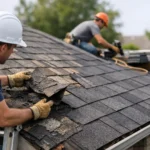
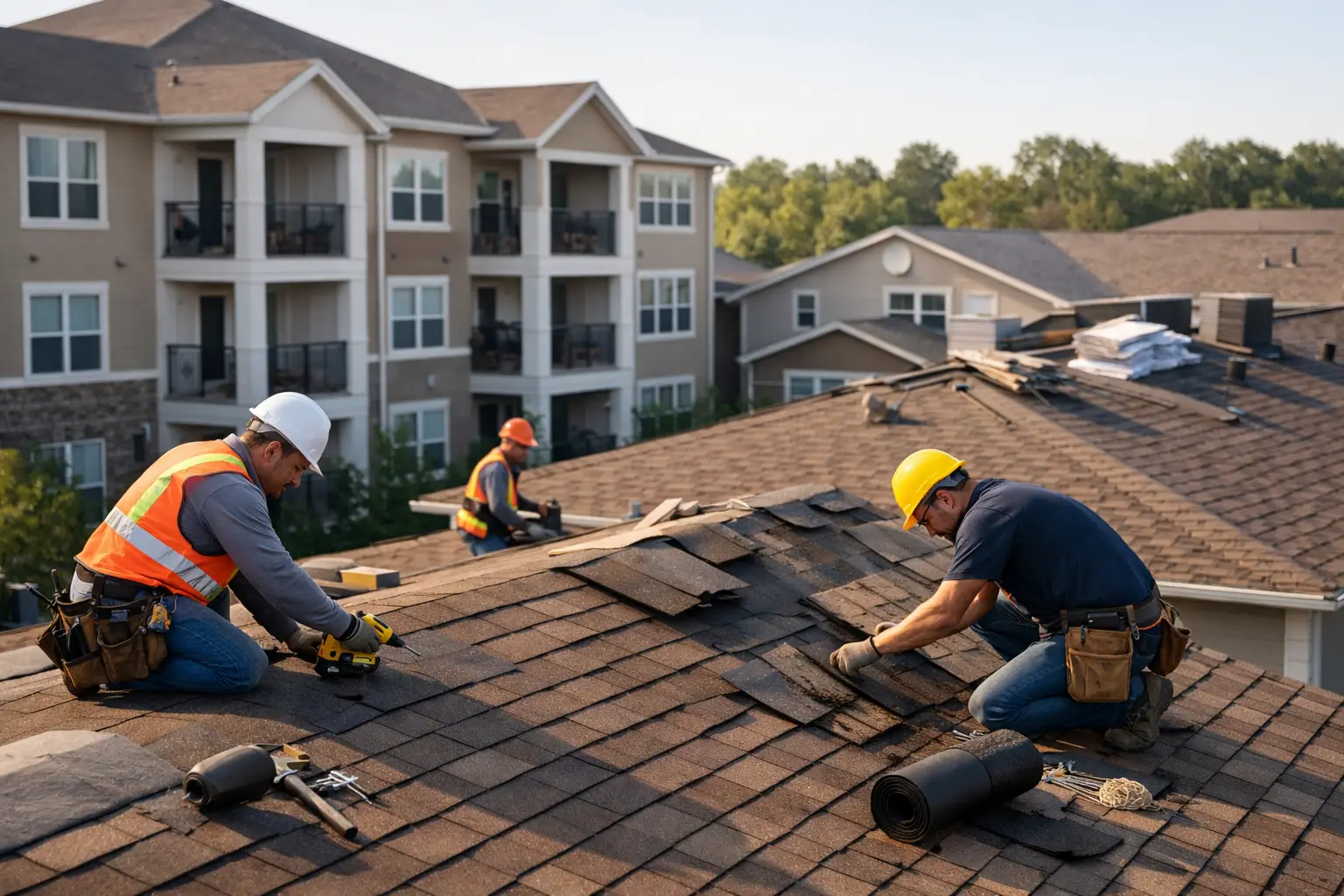
For a low-slope replacement in the Bronx, the scope usually begins with tearing off the existing roofing down to the substrate where necessary. Once exposed, the deck is checked for rot, rust, or other structural damage. If the substrate is compromised, repairs have to happen before new roofing goes on. Skipping that step is how short roof lives happen.
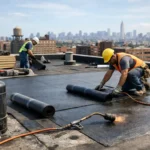
Next comes insulation and the roofing system itself. Depending on the building and budget, the replacement may use TPO, EPDM, or another flat-roof system suited to the structure. The right material depends on exposure, foot traffic, drainage conditions, maintenance expectations, and how the building is used. There is no one-size-fits-all answer.
Flashing work is just as important as the main field membrane. Roof edges, parapet walls, penetrations, vents, skylights, and drain areas need careful detailing. If those transitions are weak, the roof will leak no matter how good the main membrane is. On many NYC buildings, the failure points are around details, not in the middle of the roof.
Finally, the project should address drainage. Standing water is a serious issue on low-slope roofs. Sometimes the fix is as simple as improving drain strainers and clearing blockages. Other times it requires tapered insulation or adjustments to get water moving off the roof properly.
Materials and trade-offs property owners should understand
If you are comparing systems, start with performance, not sales language. TPO is popular because it is durable, reflective, and often a strong fit for flat and low-slope buildings. EPDM has a long track record and can perform very well when installed correctly. Modified systems and multi-ply assemblies may also make sense on certain buildings, especially where the roof sees heavy wear or complex conditions.
The best choice depends on your building. A small residential property may have different needs than a commercial space with rooftop equipment and regular service traffic. Budget matters too, but the cheapest option is not always the most affordable over time. Material quality, installation quality, and how well the system matches the building all affect long-term value.
A good contractor should be honest about trade-offs. Some systems offer better reflectivity. Some handle specific site conditions better. Some may have different maintenance demands. What matters is not picking the trendiest material. It is choosing a roof that fits the structure, local weather, and expected use.
Signs your building may be at the replacement stage
A roof does not need to be collapsing to justify replacement. In practice, replacement often becomes the smart choice when leaks keep returning, the roof is nearing the end of its service life, or large areas show wear that repairs cannot realistically control. Water stains, blistering, open seams, chronic ponding, deteriorated flashing, and soft spots underfoot all point to a roof that needs a serious evaluation.
For landlords and property managers, recurring complaints from top-floor tenants are another sign not to ignore. Interior damage is expensive, and it spreads beyond the roof itself. Paint, plaster, insulation, flooring, wiring, and interior finishes can all be affected when water keeps getting in.
If the roof has already been patched multiple times, ask a simple question: are you fixing the same problem, or just chasing where it appears next? That answer often decides whether replacement is the right move.
What a well-run project should feel like
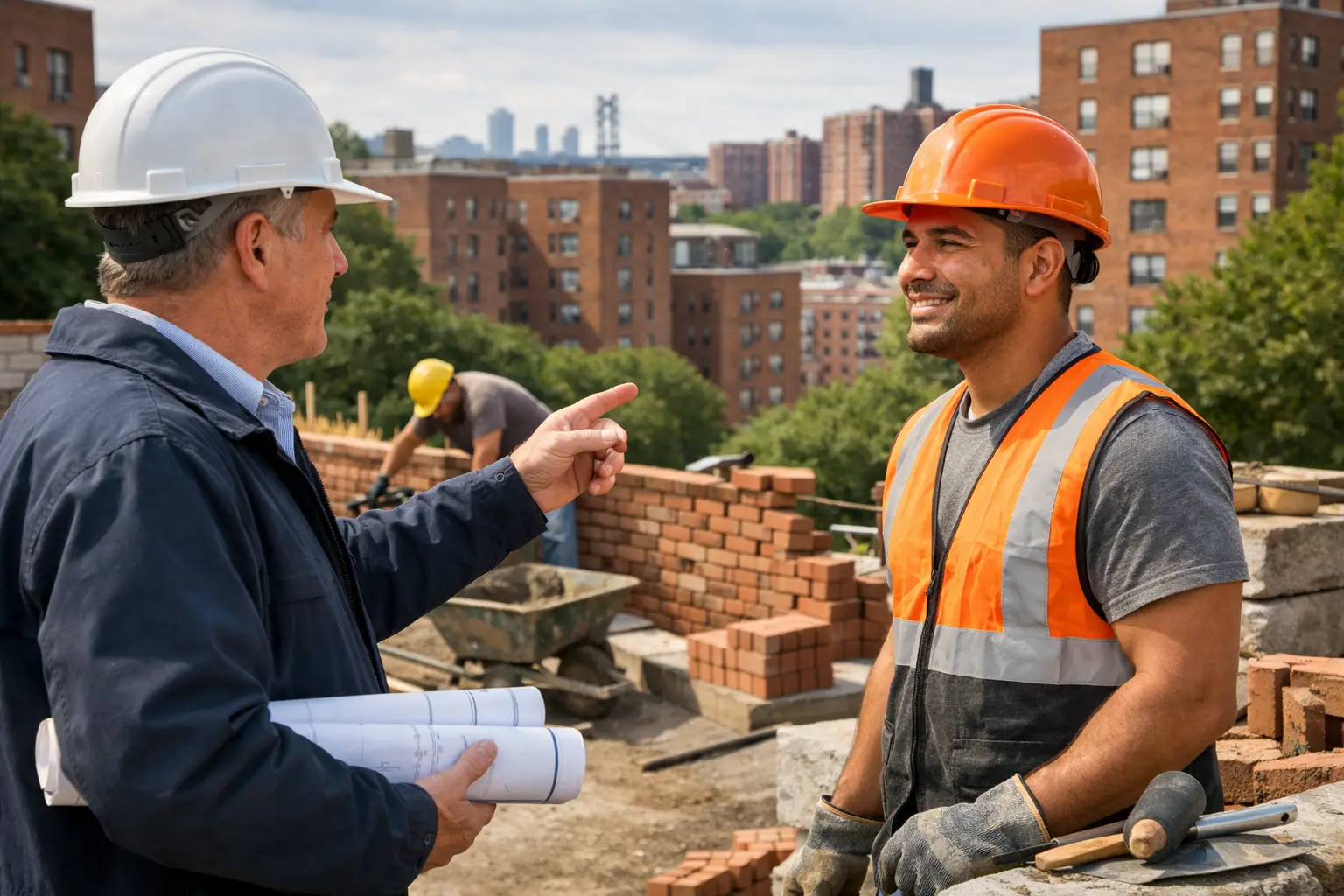
Roof replacement is disruptive, but it should not feel chaotic. You should know the schedule, the scope, who is managing the job, and what happens if hidden damage is found after tear-off. That is especially important on occupied properties where noise, debris control, and access need to be managed carefully.
This is where experienced local oversight matters. A project manager should keep the work moving, document conditions, and explain changes if the existing deck or drainage setup is worse than expected. On city buildings, surprises do happen. The difference is whether your contractor deals with them clearly and professionally.
Code compliance matters too. Roofing in New York is not just about putting material on a building. The work has to meet applicable code requirements, handle weather exposure, and protect the property for the long haul. Licensed and insured contractors who understand city conditions help reduce risk on both the construction side and the ownership side.
The cost question everyone asks
There is no honest flat number that fits every building. Size, access, tear-off requirements, deck condition, material choice, insulation needs, flashing complexity, and drainage corrections all affect price. A small home and a mixed-use building will not land in the same range, even if both are in the same neighborhood.
What owners should focus on is scope clarity. A lower estimate can look attractive until you realize it excludes deck repairs, upgraded insulation, drain work, or warranty coverage. A detailed proposal is usually worth more than a vague cheap one because it shows what you are actually buying.
For many owners, the right move is to compare the cost of replacement against another two or three years of emergency patching, interior repairs, and lost time. When you frame it that way, the numbers often become easier to understand.
Global City Restoration approaches this kind of work the way it should be handled – direct communication, documented conditions, and a roof system built for the building instead of a generic fix.
If your roof is giving you repeat problems, the smartest next step is not guessing. It is getting a clear assessment before a manageable project turns into widespread damage. A good roof replacement should do more than stop a leak. It should give you back control over the property.