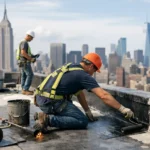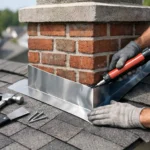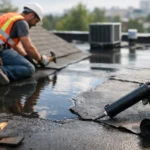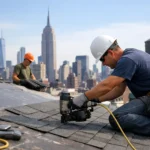
A roof starts telling on itself before it fails. You see recurring leaks after heavy rain. The top floor gets hotter in summer and colder in winter. Flashing pulls away, seams open up, and ponding water sits too long on a flat section. That is usually when property owners start asking the real question: roof restoration vs replacement – which one actually makes sense for this building, this budget, and this stage of wear?
The honest answer is that it depends on the roof’s condition, not just its age. Some roofs in New York City still have solid structure and can be restored for years of added service life. Others are past that point, and putting money into restoration only delays a full replacement that is already necessary.
Roof restoration vs replacement: what is the difference?
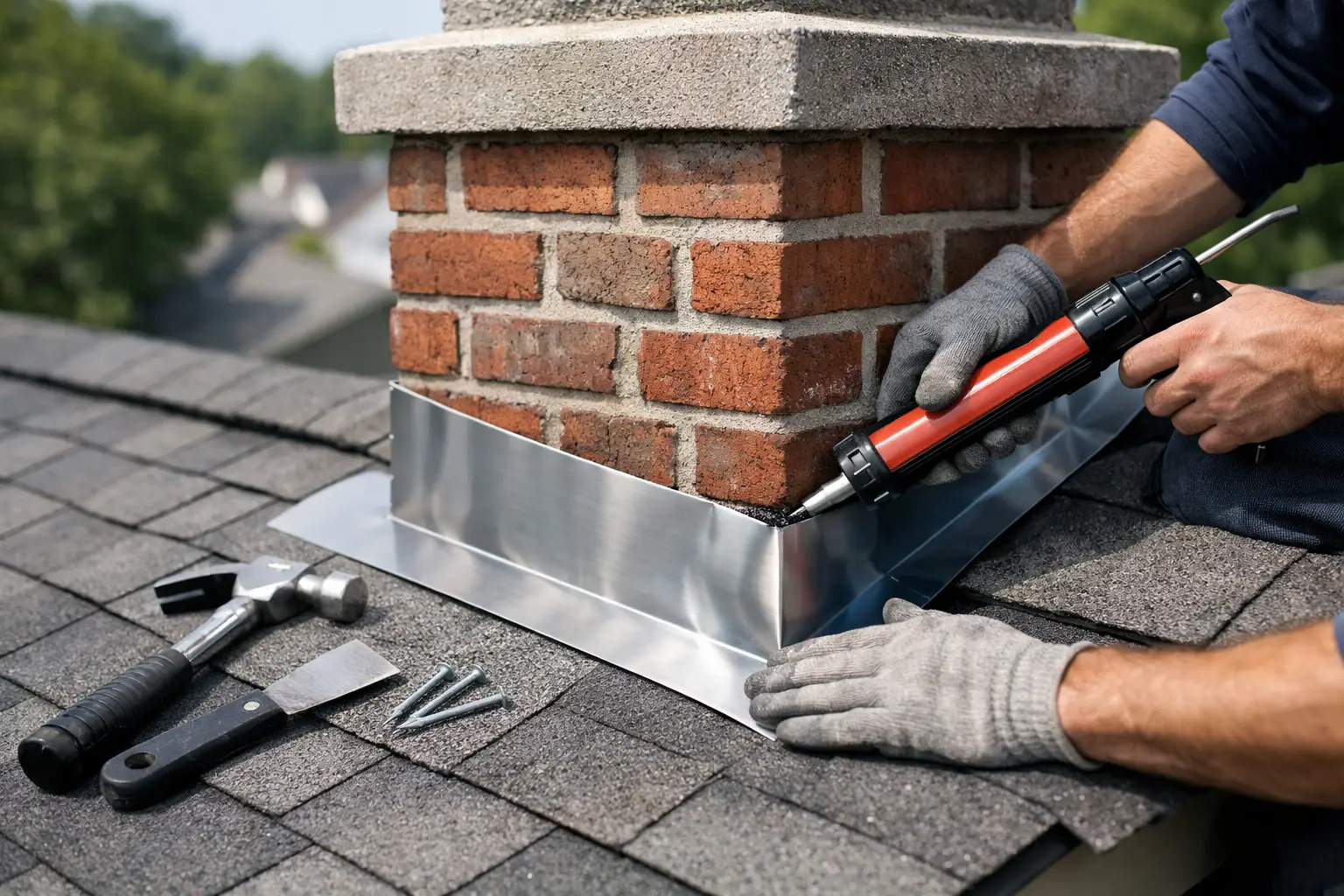
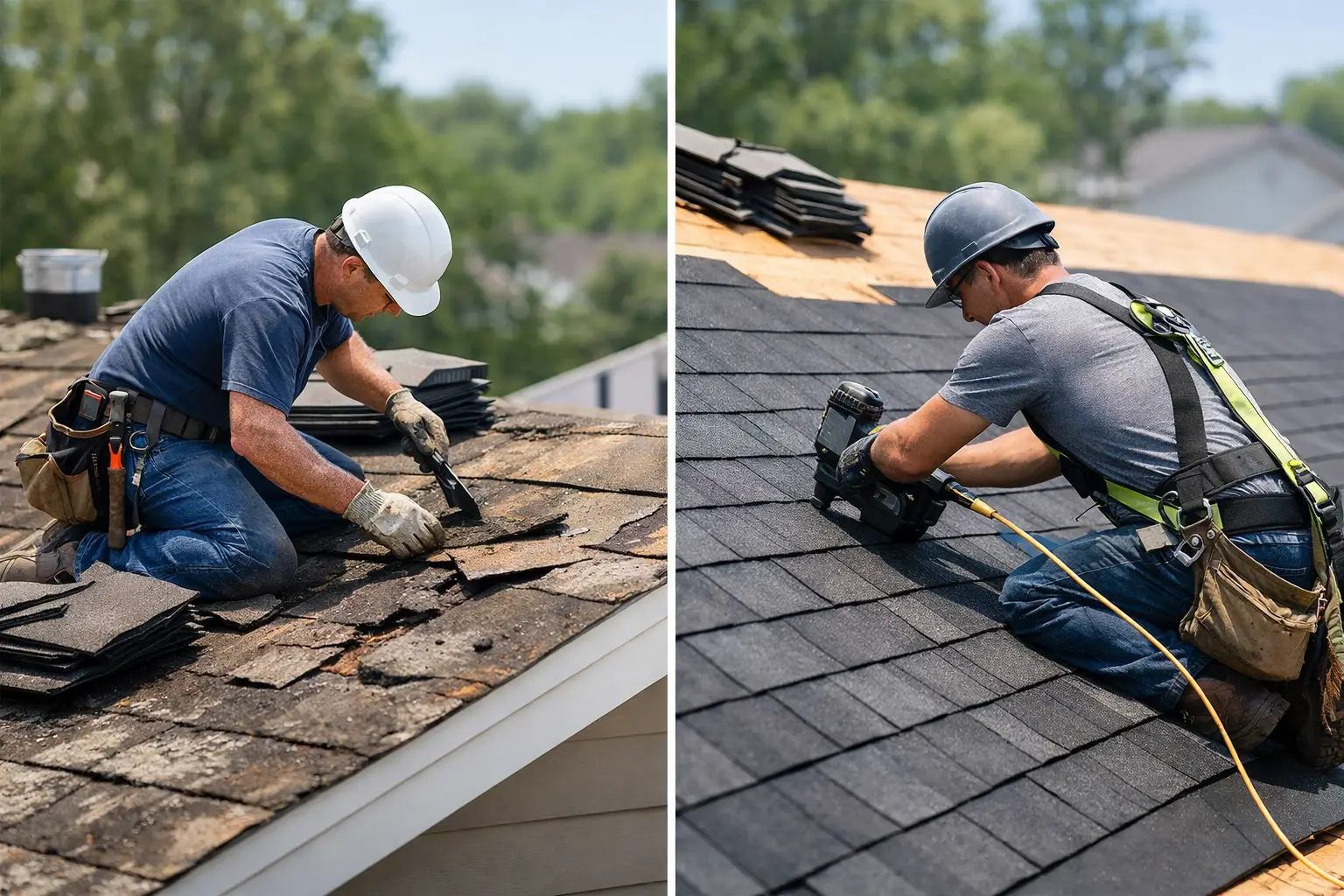
Roof restoration means bringing an existing roof back into reliable working condition without tearing off and rebuilding the entire system. That can include repairing damaged sections, resealing penetrations, reinforcing seams, improving drainage, replacing flashing, and applying a protective coating where the roof type allows it. The goal is to extend the roof’s life and stop active problems before they spread.
Roof replacement is a full or near-full removal of the old roofing system and installation of a new one. Depending on the building and roof type, that may include replacing insulation, decking sections, underlayment, membrane layers, edge metal, and flashing components. It is a bigger job, a bigger investment, and often the right one when the roof system has widespread failure.
For many owners, the decision comes down to cost. That matters, but it should not be the only factor. A cheaper restoration is not a good deal if the roof is saturated underneath, structurally compromised, or failing in multiple areas at once.
When restoration makes sense
Restoration makes the most sense when the roof still has a sound foundation. If the membrane or surface has aging, minor cracking, seam issues, localized leaks, or weather-related wear, but the insulation and deck are still in good shape, restoration can be a smart move.
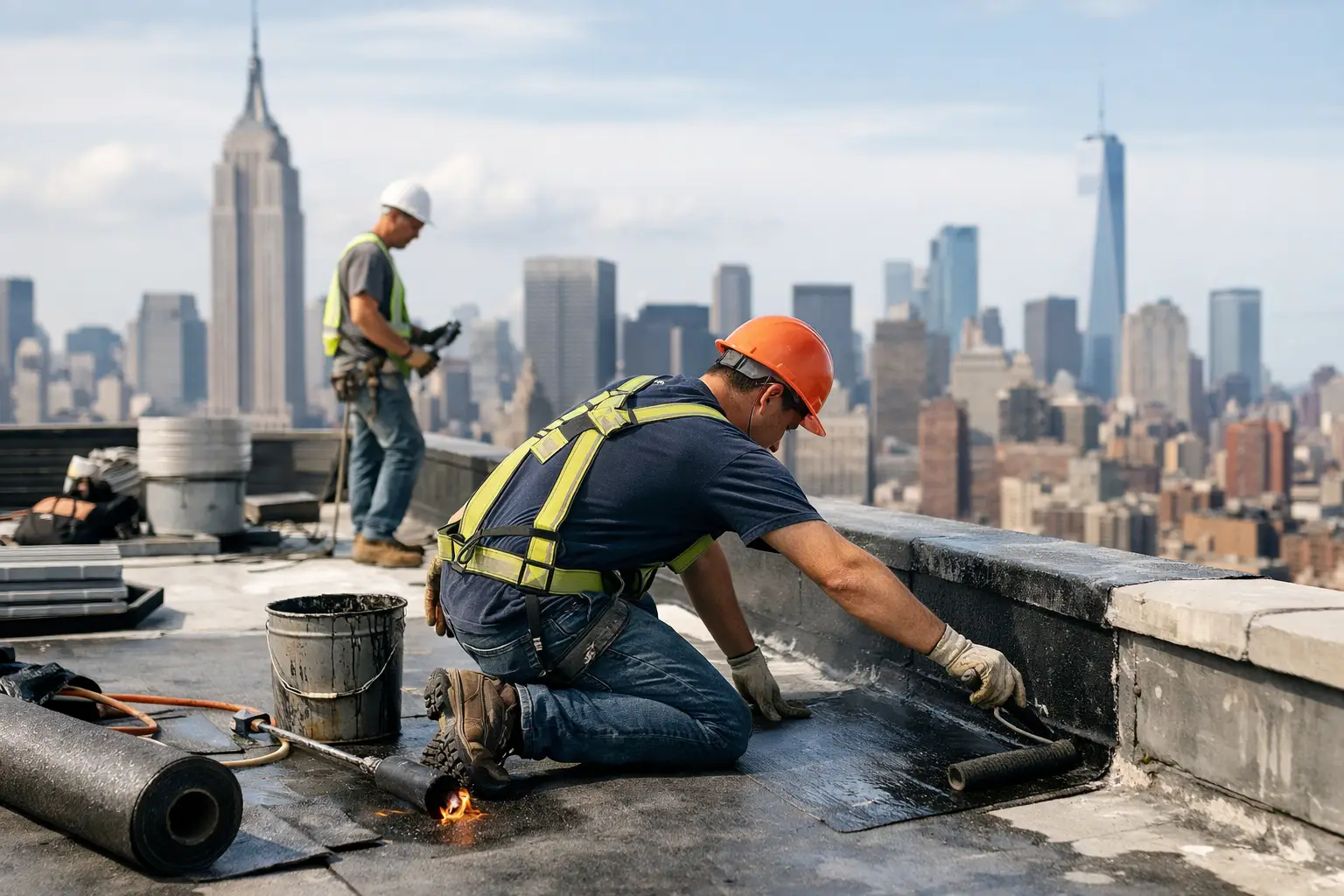
This is common on low-slope and flat roofing systems in the Bronx and across NYC, where standing water, temperature swings, and repeated patch jobs wear a roof down gradually. In those cases, restoration can stop the cycle of emergency repairs and buy meaningful time.
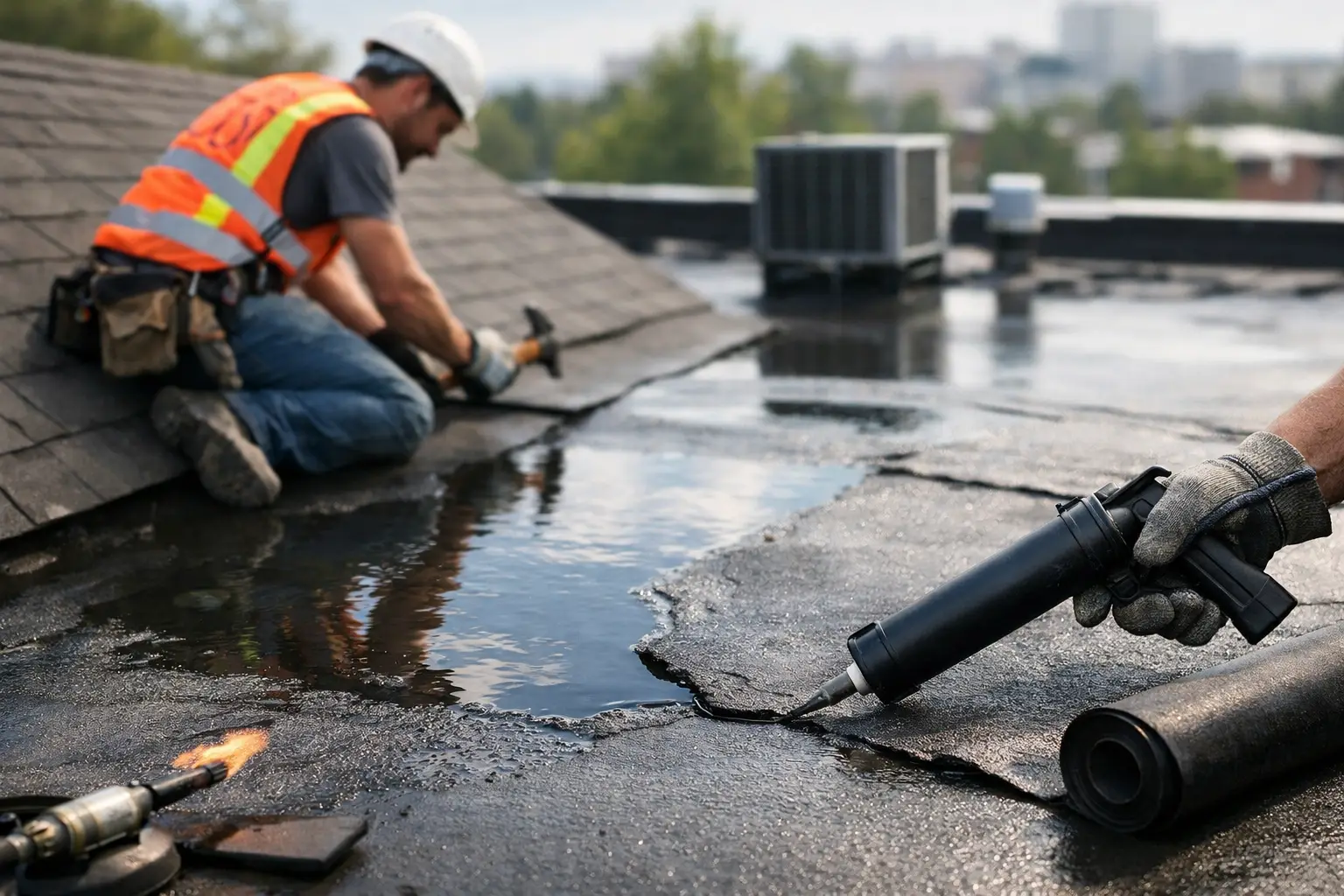
A good candidate for restoration usually has damage that is visible but not widespread beneath the surface. The roof may look tired, but it has not completely broken down. If leaks are limited, drainage issues can be corrected, and moisture has not spread through large areas of the system, restoration can be practical and cost-effective.
It can also be the right call for owners who need to manage cash flow carefully. A landlord trying to stabilize a multi-family building, or a commercial owner trying to avoid major disruption during business operations, may benefit from restoring a serviceable roof instead of replacing it too early.
That said, restoration only works when the scope is honest. Coating over trapped moisture, soft decking, or long-term deterioration is not restoration. It is covering up failure.
Signs your roof may be restorable
A roof may be a restoration candidate if leaks are isolated, surface wear is moderate, flashing issues are repairable, and the substrate remains solid. Another good sign is when previous repairs have held reasonably well and the roof has not developed large soft spots, extensive blistering, or major interior water damage.
If an inspection shows the roof is aging but still structurally stable, restoration can extend performance without forcing a full capital project right away.
When replacement is the better investment
Some roofs are simply done. If there is widespread water intrusion, saturated insulation, repeated leaks in different sections, major membrane failure, rotted deck areas, or extensive storm damage, replacement is usually the safer and more economical path.
This is especially true when a roof has been patched over and over. At a certain point, every new repair starts depending on old repairs underneath it. That creates a system with too many weak points. You may stop one leak and have another show up twenty feet away the next storm.
Replacement also becomes more likely when the roof no longer meets the demands of the building. A roof that cannot handle drainage properly, has failing edges and penetrations, or has reached the end of its expected service life may not be worth preserving. In NYC weather, a roof does not get much room for error. Snow, heat, wind, and heavy rain expose weak roofing fast.
For commercial properties, replacement can also make sense if the current system is inefficient or difficult to maintain. Installing a new membrane or updated roofing assembly may improve performance, reduce recurring repair costs, and simplify long-term maintenance planning.
Signs replacement should not wait
If you are seeing frequent leaks after every major storm, interior staining in multiple areas, bubbling or separation across large sections, chronic ponding water, or visible sagging, it is time to take replacement seriously. The same goes for roofs with hidden moisture damage discovered during inspection. Once water gets deep into the system, the problem is no longer just on the surface.
Cost matters, but timing matters more
Most owners compare restoration and replacement by asking which one costs less today. The better question is which option costs less over the useful life of the roof.
Restoration usually has a lower upfront cost. It avoids a complete tear-off, uses more of the existing system, and can often be completed faster. That can make it attractive for budget-conscious owners or buildings that need a shorter project timeline.
Replacement costs more because it involves more labor, more materials, and more disposal. But if the roof is already failing across the board, replacement can save money by ending repeated repair calls, interior damage, mold concerns, tenant complaints, and emergency leak response.
There is also the issue of timing. If restoration gives you another eight to ten years on a roof that is otherwise in decent shape, that can be a strong return. If it only gives you a year or two before major failure, that money may have been better put toward replacement from the start.
The inspection is where the real answer comes from
No responsible contractor should recommend restoration or replacement based on a few photos or a rough guess from the ground. The right answer comes from inspection, testing, and a clear look at the roof system as a whole.
That means checking the membrane or surface condition, flashing, seams, penetrations, drainage, deck stability, and signs of trapped moisture. On some roofs, moisture scans or core cuts may be needed to understand what is happening below the top layer. This is where many property owners get misled. A roof can look manageable from above while holding serious moisture damage underneath.
A proper inspection should also factor in the building’s use. A single-family home, a mixed-use building, and a commercial property all carry different risks when a roof fails. The right recommendation should match the building, not just the roof material.
Roof type changes the decision
Not every roofing system ages the same way. Flat roofs, EPDM, TPO, asphalt shingles, tile, steel, and multi-ply systems all have different repair patterns and replacement triggers.
On flat and low-slope roofs, ponding water, seam separation, and flashing failure often drive the decision. On shingle roofs, widespread granule loss, curling, underlayment failure, and storm damage may push a roof past restoration. Metal and tile roofs may be restorable longer if the underlying structure is still solid, but once attachment points, underlayment, or decking fail, replacement becomes more likely.
This is why one-size-fits-all advice does not work. The right call has to be based on the actual roofing system and how it has performed under local conditions.
What NYC property owners should keep in mind
In New York City, roofs take a beating. Freeze-thaw cycles, summer heat, wind-driven rain, and standing water on low-slope roofs can accelerate wear faster than owners expect. Add in older buildings, multiple rooftop penetrations, and deferred maintenance, and small issues can turn into expensive ones quickly.
That is why the best decision is usually the one that protects the building before damage spreads inside. Whether that means restoration or replacement, the work should be code-compliant, properly scoped, and built to handle the weather this city throws at it.
At Global City Restoration, we see this often: owners spend too long hoping a failing roof can be patched one more time. Sometimes restoration is absolutely the right answer. But when replacement is needed, calling it early usually protects the property, the budget, and everyone inside the building.
If you are weighing roof restoration vs replacement, do not start with the cheapest option. Start with the actual condition of the roof. A clear inspection, honest explanation, and realistic plan will save you more trouble than any quick fix ever will.