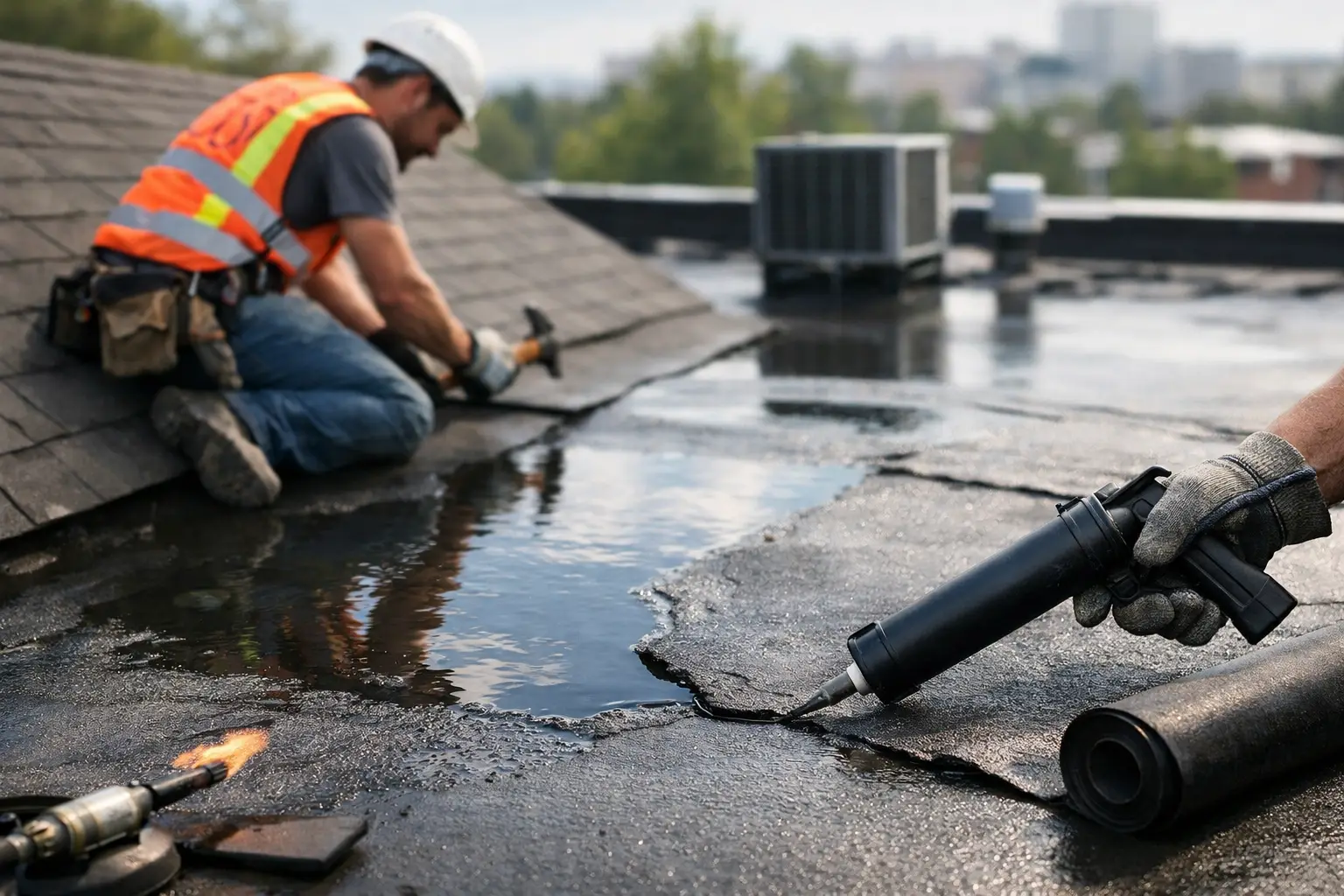
A brown ceiling stain after a hard rain is not a cosmetic problem. It is often the first visible sign that water has already moved through the roof system, insulation, or framing. Timely roof repair Queens property owners can rely on is about finding the source, correcting it properly, and stopping a manageable repair from turning into interior damage, mold concerns, or a larger replacement project.
Queens buildings deal with a demanding mix of weather conditions. Summer heat can stress roof membranes and flashings. Heavy rain exposes weak seams and clogged drains. Snow and freeze-thaw cycles can open small gaps around roof penetrations. On flat and low-slope roofs, standing water adds another layer of risk. The right repair depends on the roof material, the building layout, and the actual cause of the leak – not just the spot where water shows up indoors.
When Roof Repair in Queens Should Not Wait
A roof rarely fails without warning, but the warning signs are easy to overlook when there is no active drip. Water can travel along decking, pipes, or framing before it appears on a ceiling several feet away from the original problem. That is why a visual inspection from the ground is not enough to diagnose many leaks.
Call for a professional assessment when you notice recurring ceiling stains, peeling paint near the top of a wall, damp insulation, musty odors in an attic or top-floor space, loose shingles, cracked flashing, or water pooling on a flat roof long after rainfall. For commercial and multifamily buildings, check top-floor units, stairwells, parapet walls, roof drains, and mechanical equipment areas. These locations often reveal drainage or flashing failures early.
An active leak during a storm deserves urgent attention, but a repair should still be planned correctly. A temporary protective measure may be needed to limit interior damage. Once conditions allow, the roof should be inspected for the failed detail that caused the leak. Simply sealing a wet surface or adding roof cement over an unknown problem can trap moisture and delay the real repair.
The Cause Matters More Than the Stain
Roof repairs are not one-size-fits-all. The same ceiling stain could come from a damaged membrane seam, deteriorated pipe flashing, missing shingles, an overflowing gutter, cracked masonry at a parapet, or water entering around a skylight. On attached NYC properties, water can also move between walls and roof edges in ways that make the source difficult to identify without experience.
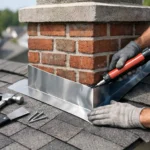
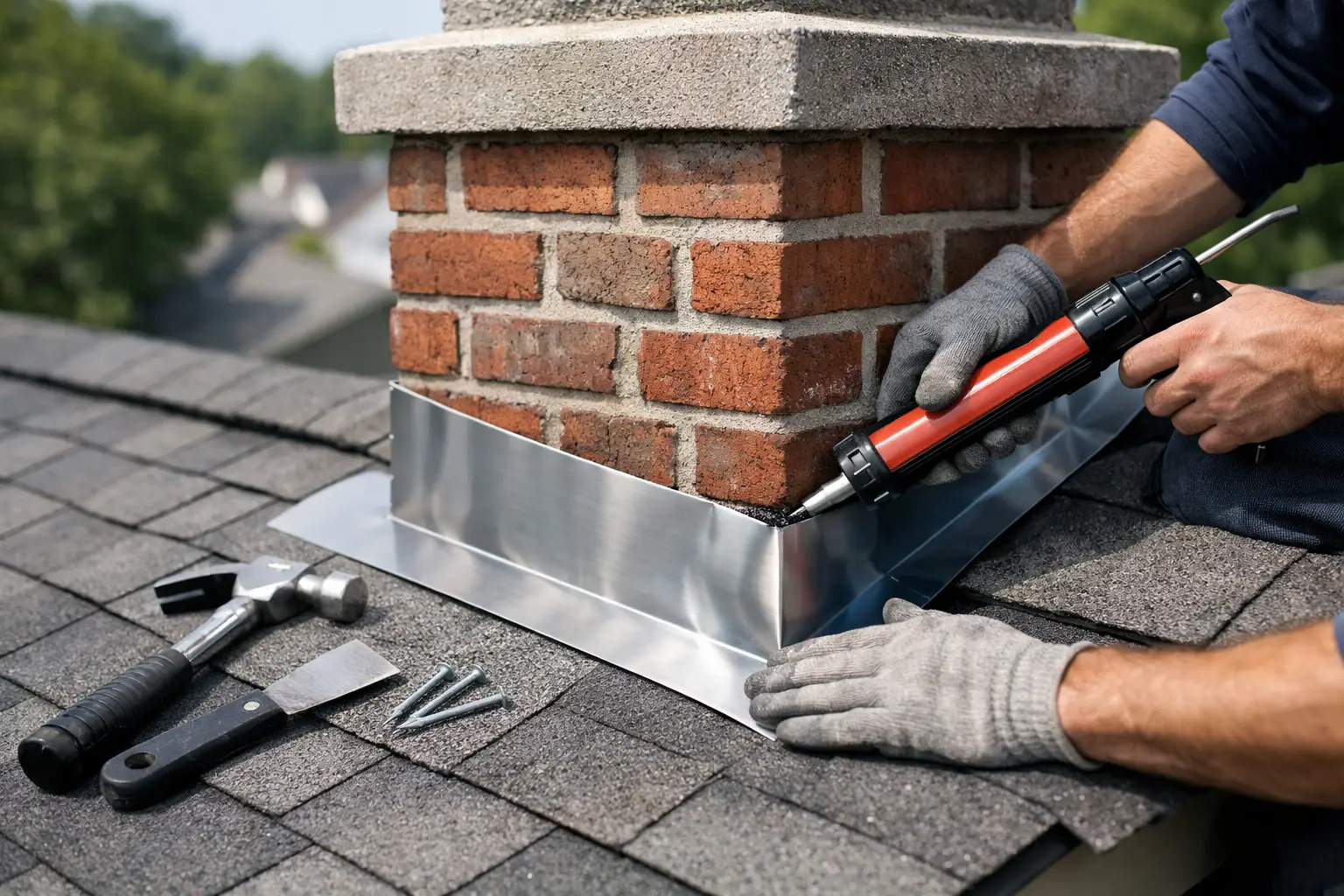
For asphalt shingle roofs, repairs often involve replacing damaged or blown-off shingles, correcting flashing at chimneys and sidewalls, and checking underlayment at vulnerable transitions. A few missing shingles may be a focused repair if the surrounding roof remains sound. If shingles are brittle across large sections, granules are washing into gutters, or multiple leaks are developing, replacement may be the more cost-effective decision.
Flat roofs need a different approach. EPDM, TPO, modified bitumen, hot roofing, and 4-ply systems can fail at seams, penetrations, drains, scuppers, perimeter edges, and areas affected by ponding water. A puncture may be visible, but not always. Moisture can travel below the membrane, so a professional inspection should determine whether the issue is isolated or whether wet insulation and a larger section of roofing need to be addressed.
Metal, tile, and specialty roofs also require material-specific repair methods. Fasteners, underlayment, valleys, flashing, and expansion points all matter. Using the wrong patch material or fastening method can create a new leak or shorten the roof’s useful life.
Flat Roof Drainage Is Part of the Repair
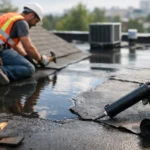
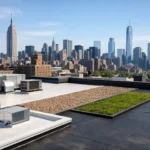
On many Queens homes, mixed-use buildings, and commercial properties, the roof is low-slope or flat. These roofs are designed to move water toward drains, scuppers, or gutters. When that drainage path is blocked or poorly maintained, water can remain on the roof and place extra stress on the membrane and seams.
Standing water after a storm does not automatically mean the entire roof has failed. Some low areas may dry slowly depending on temperature, shade, and roof design. But water that remains for days, collects in the same location, or appears near seams and roof drains should be checked. It may point to clogged drainage, inadequate slope, a depressed section of insulation, or deterioration around a drain assembly.
A durable repair may include clearing and repairing drainage components, rebuilding a low area where appropriate, sealing membrane details, or correcting flashing at parapet walls. Gutters and leaders also deserve attention. If water is overflowing at the roof edge, backing up near exterior walls, or spilling onto walkways, the problem can affect more than the roof. It can contribute to siding damage, foundation moisture, and unsafe conditions around the property.
What a Proper Roof Repair Visit Should Include
Property owners should expect more than a quick patch and a vague explanation. A dependable contractor examines the roof surface, transitions, drainage points, flashings, and visible signs of moisture damage. For a leak investigation, the goal is to connect interior symptoms with exterior conditions rather than guessing.
A clear repair process should include photos or a direct explanation of what was found, what repair is recommended, and whether there are related conditions that could cause another leak later. This helps homeowners, landlords, and property managers make informed decisions, especially when managing a building with tenants or coordinating work around business operations.
Ask whether the proposed repair is compatible with the existing roof system and whether the work will address water entry at the source. Also ask about licensing, insurance, warranty coverage, cleanup, and project oversight. For larger repairs, a dedicated project manager can keep communication organized and make sure the work follows the agreed scope.
Repair or Replacement? Make the Decision on Condition
A repair is usually the sensible choice when the roof is generally in good condition and the damage is limited to a defined area. Examples include a failed flashing detail, a small membrane puncture, a loose seam, or storm damage affecting a small portion of shingles. Prompt repair can extend roof life and protect the structure below.
Replacement should be considered when repairs are becoming frequent, leaks are occurring in multiple areas, the roof is near the end of its expected service life, or underlying materials have widespread moisture damage. A roof that has been repeatedly patched may cost more over time than a planned replacement with proper drainage and updated flashing details.
The decision also depends on the building’s use. A small leak above a rarely used storage area may allow time for a scheduled repair, while water entering a top-floor apartment, restaurant, office, or electrical area needs faster action. The best recommendation is based on condition, risk, and long-term cost, not pressure to sell more work than the roof needs.
Protect the Roof Between Professional Visits
Property owners cannot safely inspect every roof detail themselves, especially on multi-story or commercial buildings. Still, routine observation helps catch problems early. After major storms, look for interior water marks, check that downspouts are directing water away from the building, and report loose materials or overflowing gutters promptly. Never walk on a wet, icy, or unstable roof to investigate a leak.
For flat roofs, arrange regular maintenance to keep drains, scuppers, and leaders clear of leaves, debris, and construction material. For shingle roofs, keep tree branches from scraping the surface and watch for signs of wind damage after severe weather. Small maintenance steps do not replace professional roofing work, but they reduce the chance that blocked drainage or a minor defect becomes a costly emergency.
Global City Restoration approaches roof repairs with the practical goal every property owner wants: stop the water, explain the condition clearly, and complete work that stands up to New York weather. If a stain, drip, or drainage problem has appeared, addressing it before the next storm is one of the simplest ways to protect the building and the people inside it.