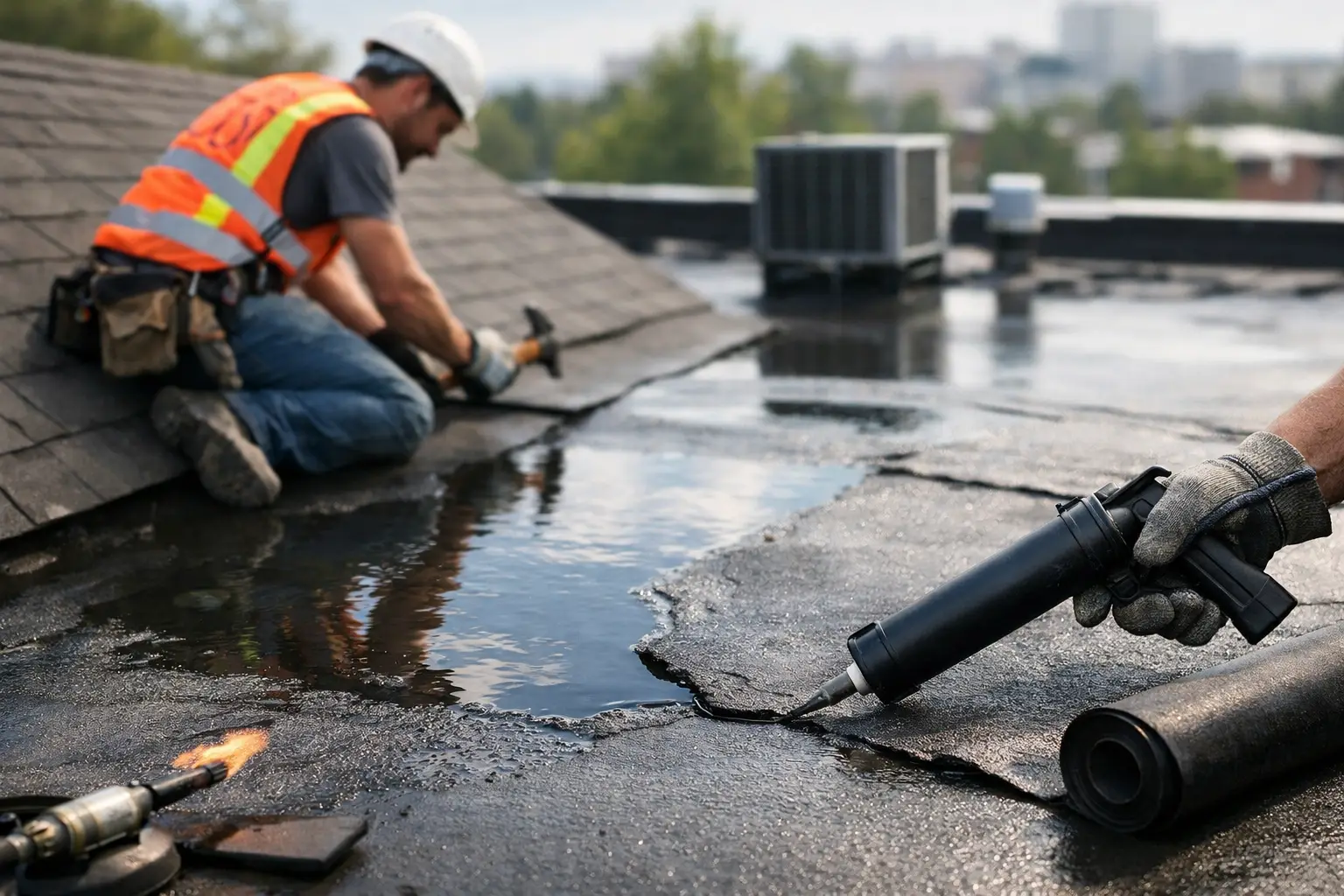

A roof does not always need to be torn off and replaced when it starts showing its age. For many New York City properties, the better first question is: what does roof restoration include, and can it correct the conditions causing leaks before they turn into major interior damage? A proper restoration addresses the roof as a complete water-management system, not just the visible surface.
For a Bronx townhouse, a multi-family building, or a low-slope commercial roof, the work may involve targeted repairs, cleaning, drainage corrections, flashing work, and a protective coating system. The exact scope depends on the roofing material, the age of the system, the extent of moisture damage, and whether the roof structure is still sound.
What Does Roof Restoration Include?
Roof restoration is a planned process that renews a roof that still has usable life. It is more extensive than a simple patch, but it is not automatically a full roof replacement. The goal is to stop active water entry, repair weakened areas, protect vulnerable details, and create a durable surface that can handle sun, rain, snow, and standing water.
A reliable contractor starts by inspecting the complete roof area. That includes the field of the roof, seams, penetrations, perimeter edges, parapet walls, flashing, drains, scuppers, gutters, and leaders. Water often enters at transitions and details rather than through the middle of the roof. A stain on a ceiling may appear far from the actual source of the leak.
For property owners, clear documentation matters. Photos and straightforward explanations make it easier to understand whether the roof needs restoration, isolated repair, or replacement. This prevents spending money on a coating or patch when underlying damage has not been addressed.
Inspection and condition assessment
The first part of restoration is determining what can be saved. A contractor looks for cracks, open seams, blistering, loose membrane, worn granules, ponding water, deteriorated flashing, rusted metal, damaged shingles, and signs that insulation or decking may be wet.
On flat and low-slope roofs, standing water deserves special attention. Some temporary ponding may occur after a storm, but water that remains for long periods can speed up membrane failure and expose weak seams. On shingle roofs, missing tabs, lifted edges, nail pops, and worn pipe boots can create direct paths for water.
An inspection should also consider the roof from the inside when access is available. Ceiling stains, mold-like odors, peeling paint, and wet insulation can point to moisture movement that is not obvious on the roof surface. If the deck is soft or significantly deteriorated, restoration may not be the right solution. Replacement of damaged sections, or a full replacement, may be necessary first.
Repairs to the existing roof system
Restoration does not mean coating over problems. The roof must be repaired and stabilized before protective materials are applied. Depending on the system, this can include sealing or reinforcing seams, replacing damaged membrane sections, repairing cracks, resetting loose materials, replacing missing shingles, and correcting worn or failed fasteners.
For EPDM, TPO, modified bitumen, and other flat-roof systems, seam integrity is often a priority. For asphalt shingle roofs, restoration work may focus more on replacing damaged shingles, securing flashing, and addressing penetrations. Metal roofs may need rust treatment, fastener replacement, and sealing at laps and screw locations.
The scope should match the roof type. A one-size-fits-all repair approach can create short-term results and long-term frustration. Materials must be compatible with the existing roof system, especially where coatings, primers, and sealants are involved.
Cleaning and surface preparation
A restoration coating is only as dependable as the surface beneath it. Dirt, loose debris, algae, old failed coating, grease near mechanical equipment, and moisture can prevent proper adhesion. The roof is cleaned and prepared so repairs and protective products can bond as intended.
Preparation may include removing loose material, washing the roof, treating surface growth, drying the area, and priming certain substrates. The contractor must protect drains during cleaning and make sure debris does not get pushed into the drainage system. A clogged drain can turn a manageable roof problem into a ponding-water problem after the next heavy rain.
Surface preparation can take time, but it is not a step to skip. Applying new material to a dirty, wet, or unstable surface can lead to peeling, trapped moisture, and early failure.
Flashing, penetrations, and edge protection
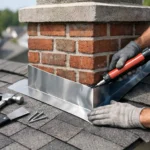
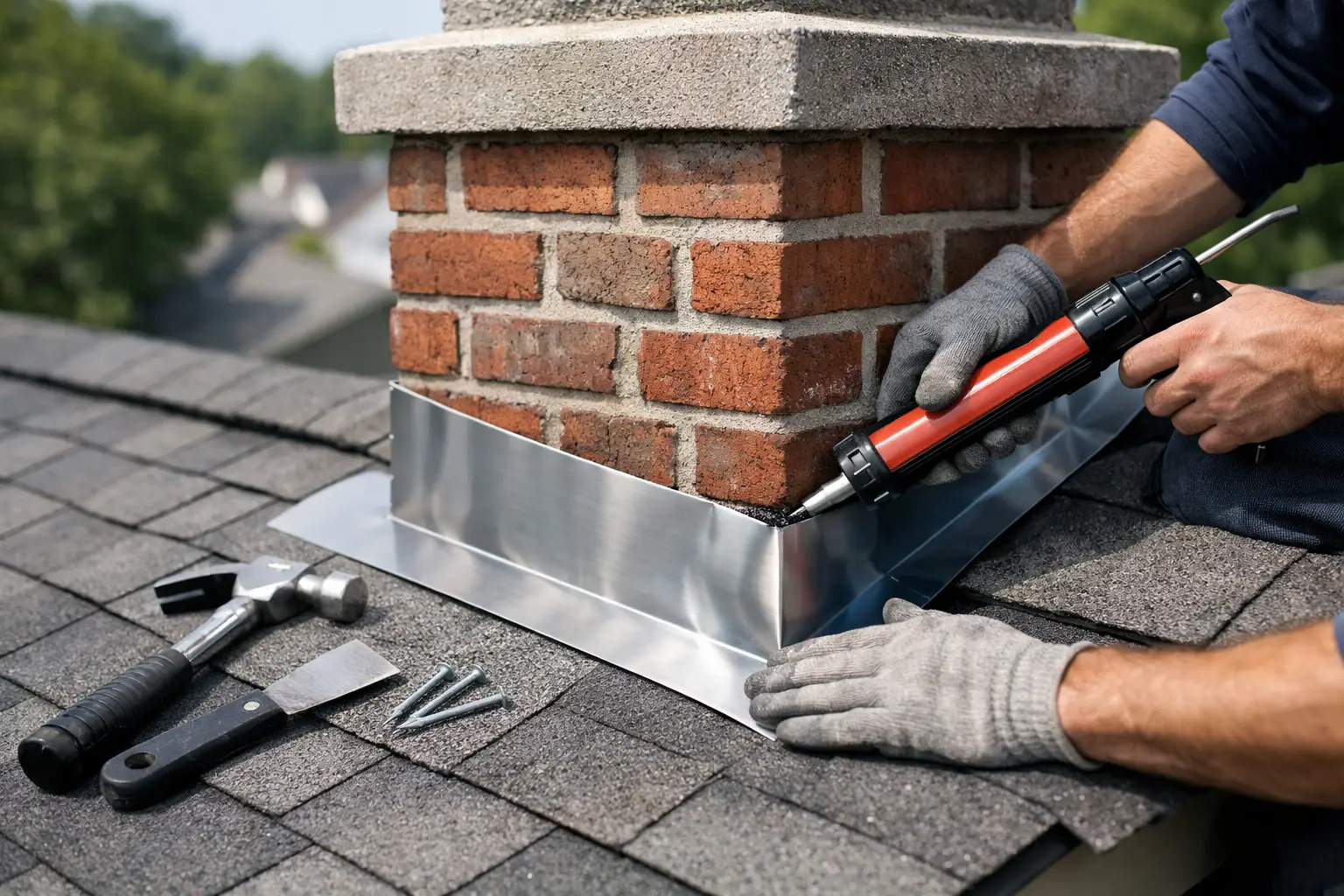
Most roofs have weak points where the roofing material meets something else. Chimneys, skylights, vent pipes, HVAC curbs, parapet walls, roof hatches, and perimeter edges all require careful flashing and sealing. These areas expand and contract, receive heavy water flow, and often fail before the main roof field.
A restoration plan commonly includes repairing or replacing damaged flashing, sealing penetrations, reinforcing corners, and securing loose coping or edge metal. On urban buildings, wind exposure at roof edges can be significant, particularly on taller structures and open rooflines. Loose metal and failed edge details should be corrected before they allow water beneath the roof system.
This is also the time to inspect wall-to-roof transitions. Waterproofing failures at a parapet, masonry joint, or roof termination can look like a roof leak even when the problem begins on the exterior wall.
Drainage repairs and water control
Water needs a clear route off the roof. In New York City, heavy rain can expose drainage problems quickly, while winter snow and freeze-thaw cycles can worsen them. Restoration may include clearing drains, repairing scuppers, resealing drain connections, adjusting damaged leader components, or addressing areas where water consistently collects.
Not every low spot can be eliminated without more extensive roof work. Still, a good restoration plan identifies whether ponding is minor and manageable or whether it is severe enough to require slope correction, tapered insulation, or replacement of a larger roof section. An honest recommendation should explain that trade-off instead of promising that a coating alone will fix a drainage design issue.
Protective coatings when appropriate
Many restoration projects include a roof coating, but coatings are not right for every roof. When the existing system is dry, stable, properly repaired, and compatible with the selected product, a coating can add a renewed protective layer and help extend service life.
Coating systems may be used on certain flat, metal, and low-slope roofing assemblies. They are applied only after preparation and repairs are complete, with attention to coverage rates, detail reinforcement, and weather conditions during installation. The product selected should fit the substrate and the roof’s drainage conditions.
A coating is not a cure for saturated insulation, rotted decking, widespread membrane failure, or a roof that has reached the end of its useful life. In those cases, putting a new surface over a failing system may delay the necessary work while allowing hidden damage to continue.
When Restoration Makes Sense – and When It Does Not
Roof restoration is usually worth considering when leaks are limited, the roof deck is sound, the membrane or covering is still largely intact, and the problems are concentrated at seams, flashing, drains, or weathered surface areas. It can be a practical way to protect a property without taking on the cost and disruption of a full tear-off.
Replacement is often the better choice when there are repeated leaks across the building, widespread trapped moisture, failing insulation, extensive structural deterioration, or a roofing system with little remaining service life. A contractor should not recommend restoration simply because it is the lower initial price. The right decision is the one that reduces risk and provides a realistic service life for the investment.
For commercial owners and landlords, timing also matters. Restoring a roof before small defects become widespread can help avoid emergency calls, tenant complaints, damaged ceilings, and business interruptions. For homeowners, it can protect insulation, framing, finishes, and personal belongings from a leak that starts small and spreads quietly.
What to Expect From a Professional Restoration Project
A professional project should begin with a clear scope of work and a plain-language explanation of the existing conditions. You should know what is being repaired, what materials will be used, how drainage and flashing issues will be handled, and whether permits or code requirements apply to the work.
Licensed and insured execution is especially valuable in NYC, where roofs often sit above occupied apartments, retail spaces, offices, and neighboring properties. Good oversight, clean work areas, and dependable communication help keep the project moving without confusion. At Global City Restoration, dedicated project management and photo-based updates help property owners see the work being done and understand the condition of their roof.
Do not wait for a small stain to become a ceiling collapse or a major mold and waterproofing issue. A careful roof assessment can show whether restoration is a smart next step and give you a practical plan to defend your property before the next hard rain arrives.