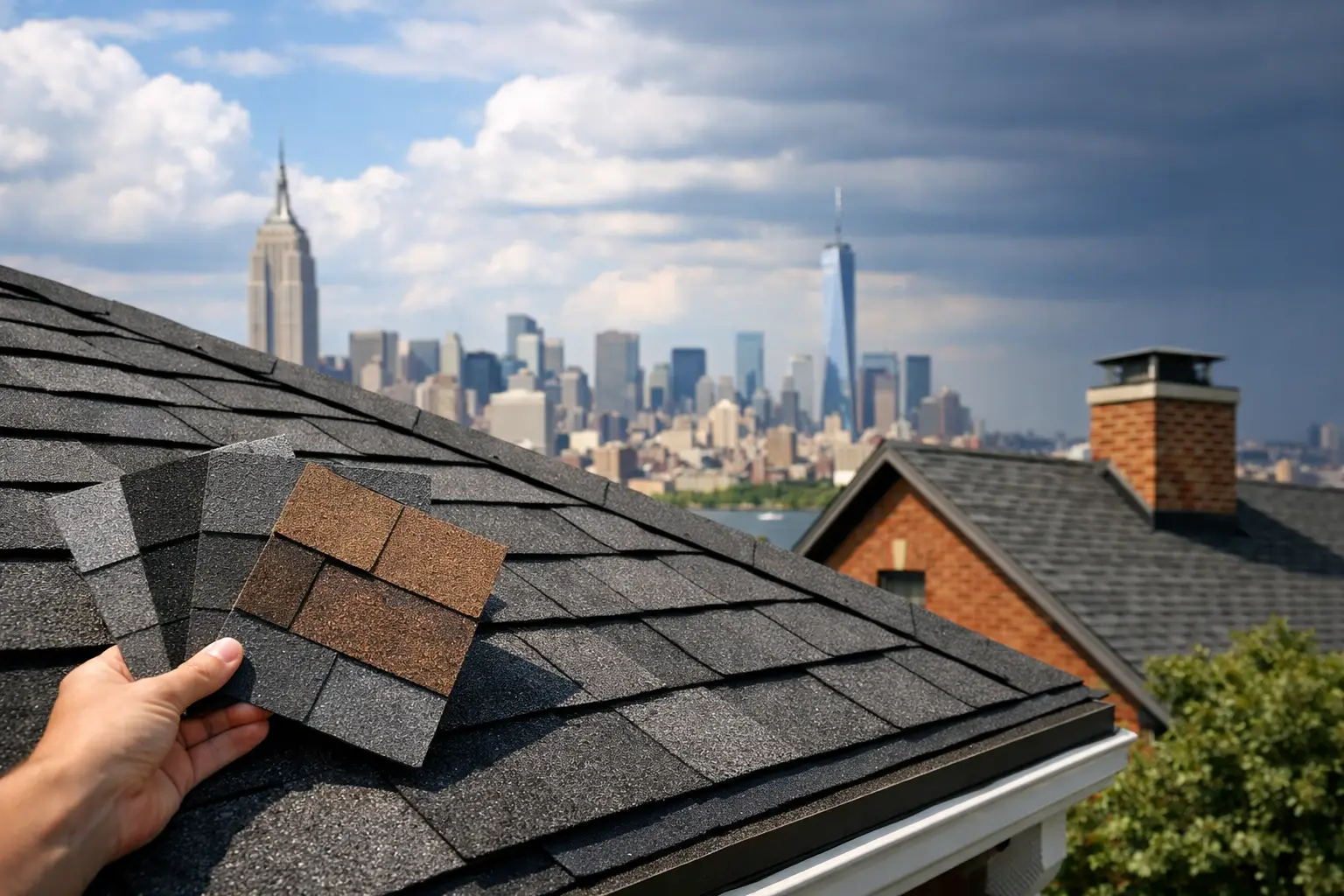
A stain on a top-floor ceiling, a puddle near a basement wall, or blistering paint around a window can look like a small maintenance issue. In a commercial property, it can be the first visible sign that water has already moved through several building layers. This commercial waterproofing guide for buildings explains where failures start, what to inspect, and how property owners can make sound repair decisions before damage spreads.
For New York City buildings, waterproofing is not one product or one repair. It is a coordinated system of roofs, drains, masonry, flashing, sealants, windows, foundations, and exterior joints. A weak point in any one area can direct water into occupied spaces, wall cavities, electrical components, or structural materials.
Start With the Water Path, Not the Stain
The location of a leak is not always the location of the failure. Water can enter at a roof seam, travel along a deck or wall assembly, and show up twenty feet away at a ceiling fixture. It can also enter through cracked masonry above a window and appear as peeling paint at the interior sill.
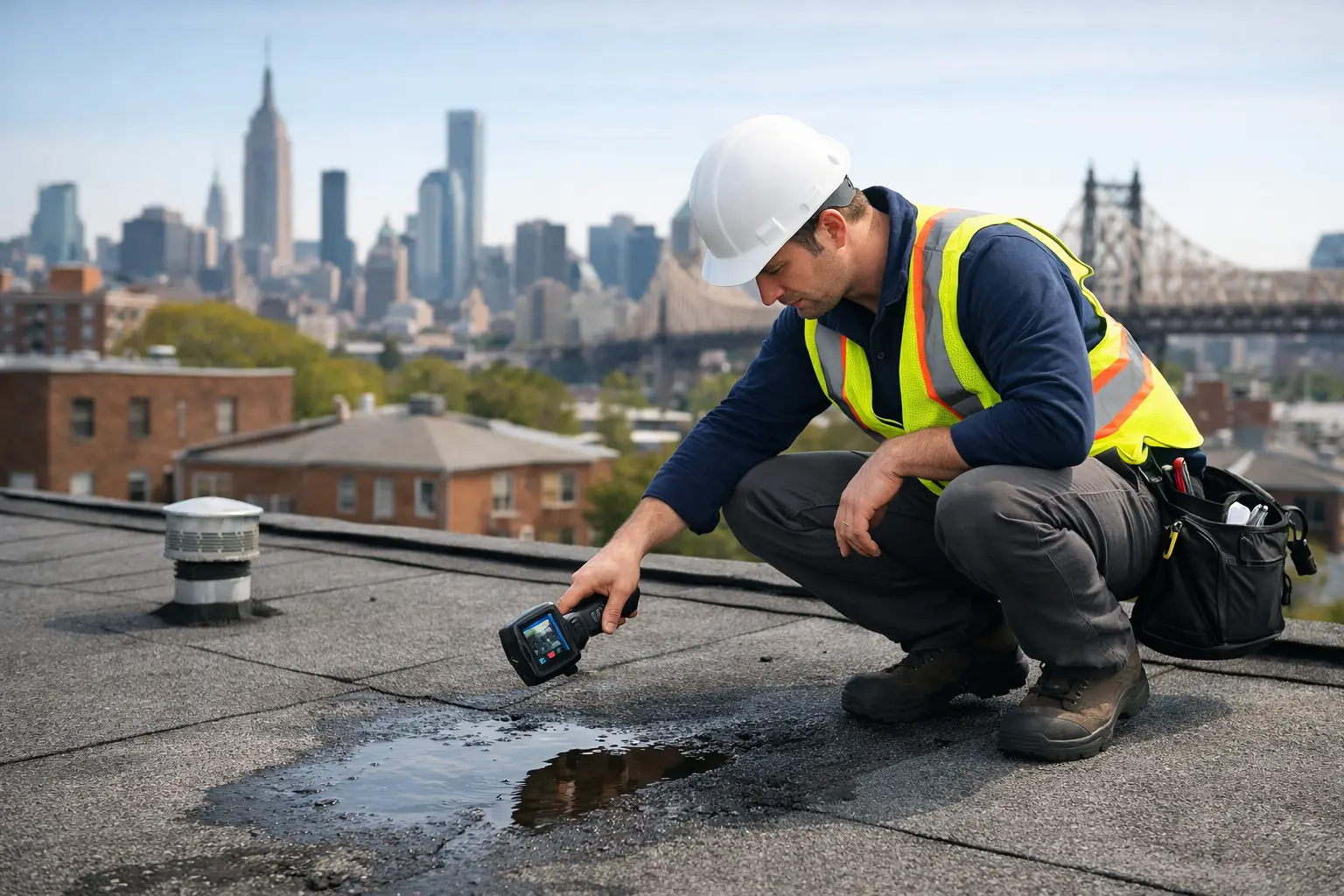
That is why a proper assessment starts outside. Inspect the roof surface, parapet walls, coping stones, drains, scuppers, flashing, pipe penetrations, expansion joints, façade cracks, window perimeters, and foundation conditions. Inside, look for staining, mold odor, soft drywall, bubbling finishes, rust, and recurring dampness.
Photos and clear documentation matter. A contractor should be able to explain what is failing, why it is failing, and whether the repair addresses the source of the water. Simply coating a stained interior surface may improve appearance, but it does not stop the intrusion.
The Building Areas That Need Waterproofing
Commercial buildings rarely fail in only one predictable place. The most exposed areas depend on roof design, construction age, drainage layout, façade materials, and how the building has been repaired over time.
Low-Slope Roofs and Drainage
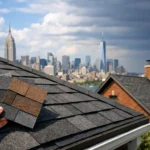
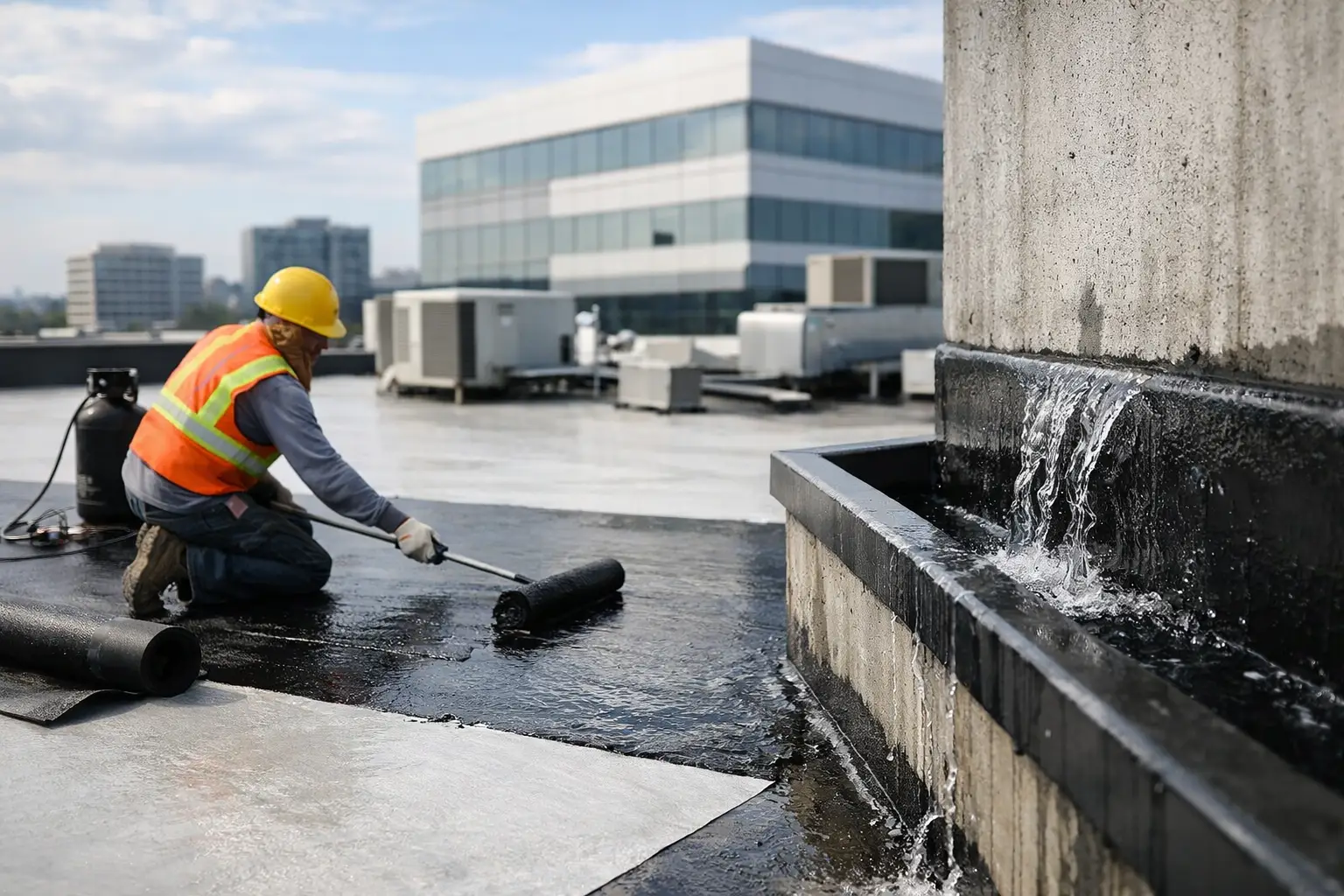
Flat and low-slope roofs carry standing water longer than steep roofs, especially after heavy rain or snowmelt. TPO, EPDM, modified bitumen, hot roofing, and 4-ply systems can all perform well when they are properly installed and maintained. The problem is usually not the material name alone. It is an open seam, deteriorated flashing, puncture, failed drain detail, or aging field membrane.
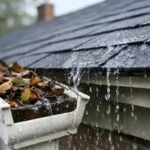
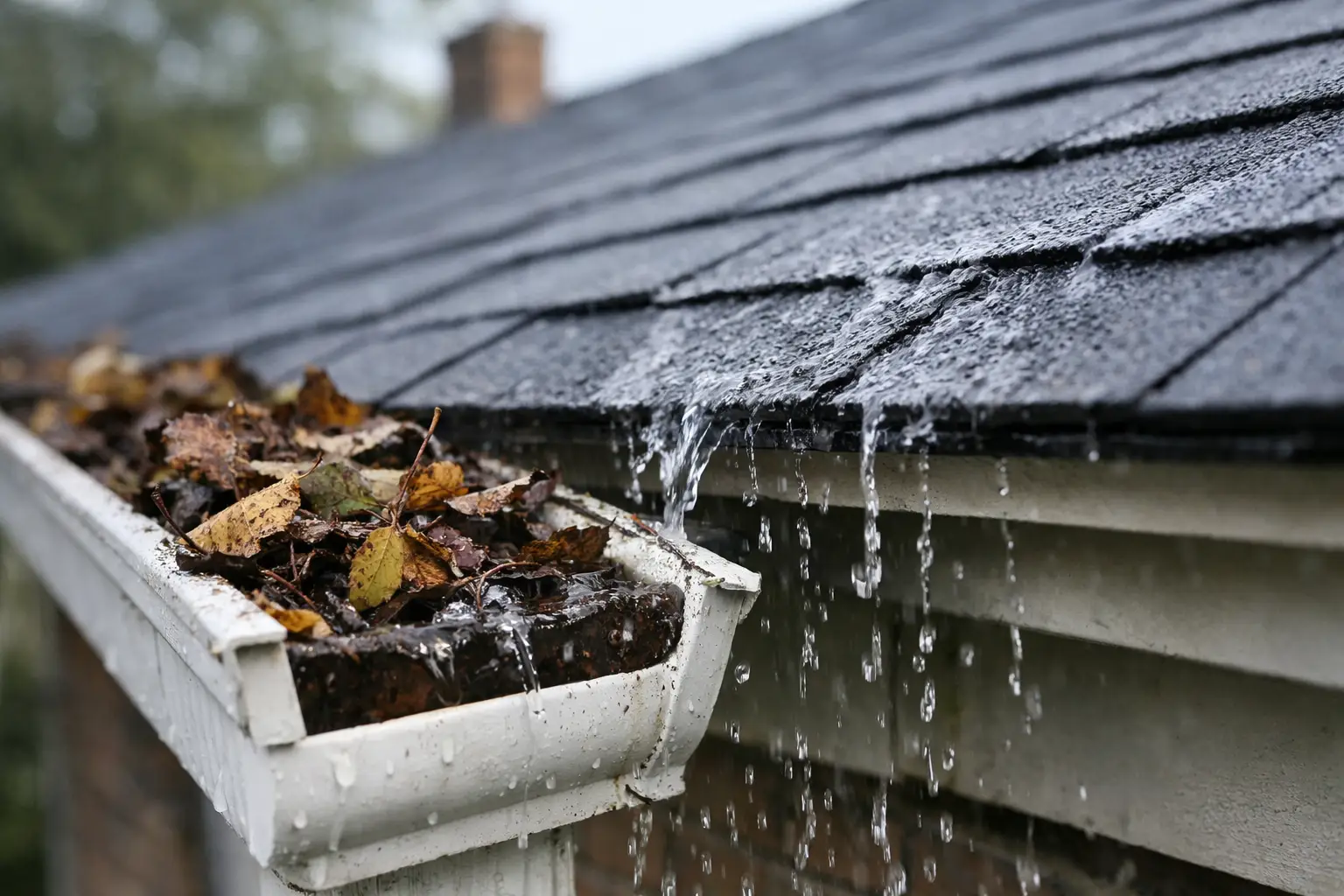
Drainage deserves close attention. Clogged roof drains, undersized leaders, blocked scuppers, and poor roof slope allow water to remain on the surface. Ponding water adds weight, accelerates wear, and exposes minor weaknesses. On a commercial roof, clearing drains is basic maintenance, not a complete waterproofing plan. The drain bowl, clamping ring, membrane tie-in, and surrounding roof surface also need inspection.
Parapets, Coping, and Roof Edges
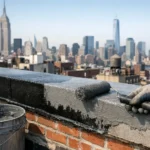
Many NYC commercial roofs leak at the perimeter. Parapet walls take direct weather exposure, while coping stones and metal caps are expected to shed water away from the wall. Cracked mortar joints, loose coping, missing sealant, and failed flashing can send water behind the roofing system.
These conditions are often missed because the roof field may still look acceptable. A repair should connect the roof membrane, wall flashing, coping, and masonry protection into one continuous water-shedding detail. Patching only the visible crack may not be enough if the cap or flashing below it has already failed.
Masonry Walls and Exterior Joints
Brick, stone, stucco, and concrete buildings are durable, but they are not automatically waterproof. Masonry can absorb water through cracks, open mortar joints, failed sealant, and poorly maintained transitions around windows, doors, vents, and mechanical penetrations.
Repointing may be the right answer when mortar has deteriorated. Crack repair, sealant replacement, or a breathable water-repellent treatment may be appropriate in other cases. The trade-off is important: a coating that traps moisture inside a masonry wall can create another problem. The selected material must match the wall assembly and allow it to manage moisture as intended.
Windows, Doors, and Penetrations
A window leak is often blamed on the window itself, but the cause may be the sealant joint, flashing, sill pan, adjacent masonry, or a failed connection between materials. Commercial storefronts, rooftop access doors, louvers, vents, and conduit penetrations need the same attention.
Sealant is not permanent. It expands and contracts with temperature changes, then becomes brittle or separates from the substrate. In a city where summer heat, winter freeze-thaw cycles, wind-driven rain, and snow all hit the exterior, joint maintenance is a practical way to prevent expensive interior damage.
Foundations and Below-Grade Areas
Basement leaks call for a different approach than roof leaks. Water may enter through foundation cracks, deteriorated exterior waterproofing, failed drainage, window wells, or hydrostatic pressure pushing moisture through the structure. Interior coatings can sometimes help manage minor dampness, but they do not relieve outside water pressure.
When feasible, exterior foundation waterproofing and drainage correction provide the more durable solution because they stop water before it reaches the wall. Access, neighboring structures, sidewalks, utilities, and site conditions can affect cost and scope. This is one area where the least expensive repair is not always the best long-term value.
Choosing the Right Commercial Waterproofing Repair
The right repair depends on the source of the intrusion and the condition of surrounding materials. A localized roof seam failure may need a targeted repair. A roof with widespread membrane wear, saturated insulation, repeated leaks, and poor drainage may be a replacement or restoration candidate instead.
The same principle applies to walls. One open joint may call for sealant replacement, while widespread mortar loss and cracking may require more extensive masonry restoration. Applying a surface coating over deteriorated materials can delay the decision, but it can also hide conditions that continue to worsen behind the coating.
Before authorizing work, ask for the proposed scope in plain language. It should identify the affected areas, materials to be used, preparation required, drainage work if needed, and how the repaired area will connect to existing roofing or wall systems. Confirm that the work is code-compliant, performed by licensed and insured professionals, and supported by a clear warranty.
A Practical Inspection Schedule
Waterproofing failures become expensive when they are discovered only after a tenant reports a leak. Commercial owners and property managers should inspect exterior conditions at least twice each year and after major storms. Spring inspections catch winter-related damage. Fall inspections help prepare roofs, drains, and exterior joints for snow and heavy rain.
Pay particular attention after wind events, freeze-thaw periods, prolonged rain, or rooftop work by other trades. HVAC service, antenna work, and equipment installations can damage a membrane or leave penetrations improperly sealed.
During routine walkthroughs, watch for these recurring warning signs:
- Water stains, peeling paint, musty odors, or mold growth indoors.
- Blisters, cracks, open seams, loose flashing, or ponding water on the roof.
- Missing mortar, cracked brick, failed sealant, or loose coping on exterior walls.
- Overflowing gutters, slow drains, blocked scuppers, or disconnected leaders.
- Rusting metal, deteriorated wood, or soft materials near windows and doors.
Documenting small issues creates a maintenance record and helps distinguish a one-time event from an active pattern. It also makes budgeting easier. A planned repair during favorable weather is usually less disruptive than emergency work after water reaches tenant spaces.
Why Cheap Patches Often Cost More
A quick patch has a place when water is actively entering the building and immediate protection is needed. The mistake is treating that emergency measure as the final repair. If the underlying condition is a failing roof edge, blocked drainage system, saturated insulation, or open wall joint, the leak can return at the next storm.
The lowest bid can also leave out critical details such as substrate preparation, flashing tie-ins, primer requirements, drainage corrections, or proper sealant selection. Those details are where waterproofing systems succeed or fail. A dependable contractor should explain the limits of a temporary repair and provide an honest recommendation when larger work is warranted.
Global City Restoration approaches commercial waterproofing as property protection, not just leak repair. That means evaluating the exterior as a connected system, showing owners what is found, and building a scope around durable results for NYC conditions.
A dry building protects more than ceilings and paint. It protects tenant comfort, operations, equipment, structural materials, and the value of the property itself. When a warning sign appears, address it while the repair is still manageable and before water gets the chance to choose the scope for you.