A roof leak does not always begin in the roof field. On many New York City buildings, water gets behind a cracked parapet cap, worn flashing, or failed masonry joint and travels downward before it appears inside. Proper parapet wall waterproofing closes off those entry points before rain, snow, wind, and freeze-thaw cycles turn a small exterior defect into a major repair.
For homeowners, landlords, and property managers, the key is to treat the parapet and roof edge as one connected system. A wall can look solid from the sidewalk while water is entering behind the coping, separating the membrane at the base, or soaking into open mortar joints. The visible stain on a top-floor ceiling may be the last sign of a problem that started several feet away.
Why Parapet Walls Leak in NYC
A parapet is the portion of an exterior wall that extends above the roofline. It protects the roof perimeter, helps contain low-slope roof systems, and is a common feature on attached homes, apartment buildings, and commercial properties throughout the Bronx and the rest of NYC. Because it is exposed on both sides, it takes a beating from weather.
Heavy rain drives water into cracks. Winter moisture freezes inside masonry joints and expands. Summer heat causes roofing materials, metal flashing, and coping components to move at different rates. Over time, those movements open pathways where water can enter.
The most common failure points are usually at the top and bottom of the wall. At the top, loose or cracked coping stones, metal caps, missing sealant, and open cap joints let water into the parapet. At the bottom, deteriorated base flashing or a loose roof membrane lets water get behind the roofing system. The wall face itself can also absorb water when brick is spalled, mortar joints have eroded, or previous coating work has failed.
Wind makes the situation worse. Rain does not simply fall straight down in New York storms. It can be pushed sideways under coping edges and into small cracks that would otherwise seem harmless.
Warning Signs That Call for Parapet Wall Waterproofing
Do not wait for a steady interior leak to investigate. Early signs are often visible from the roof or exterior long before water reaches finished rooms.
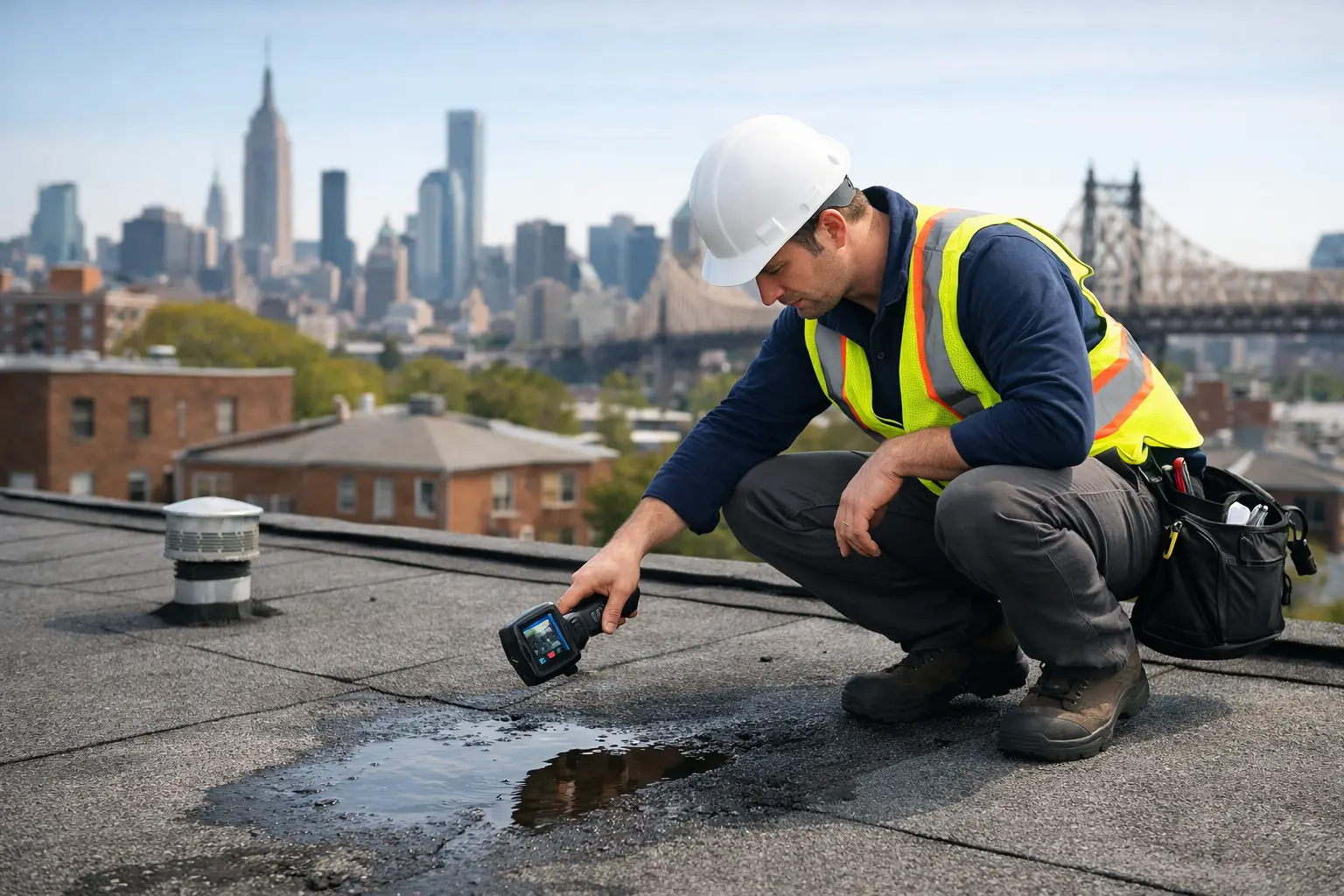
Look for cracked, missing, or loose coping; open joints between coping sections; crumbling mortar; damaged brick faces; rusted metal flashing; bubbling paint; white mineral staining on masonry; and dark streaks below the roofline. On the roof, check for membrane splits, lifted flashing, open seams, and soft or wet areas near the perimeter.
Inside the building, top-floor ceiling stains, peeling paint, damp odors, and moisture around exterior walls deserve attention, especially after storms. These symptoms do not automatically prove that the parapet is the source. Water can travel along deck surfaces, framing, or masonry and show up far from the actual opening. That is why a proper inspection matters.
A dependable contractor should inspect the roof membrane, flashing terminations, coping, masonry, drainage, and wall conditions together. Taking photos and explaining where the water is likely entering helps an owner make the right repair instead of paying for a surface patch that does not address the cause.
What a Complete Parapet Waterproofing Repair Includes
There is no single coating or caulk that solves every parapet issue. The correct repair depends on the wall material, roof system, height, existing damage, and whether water has already reached the underlying structure.
Repairing Masonry Before Applying Protection
Waterproofing should not be used to hide failing brickwork. Loose brick, open mortar joints, and damaged coping need repair first. This can include repointing deteriorated joints, replacing badly damaged brick, resetting coping, and rebuilding unstable sections where necessary.
If masonry remains saturated or structurally compromised, coating over it can trap moisture and accelerate damage. A contractor should allow for proper preparation and use materials suited to the wall’s condition. Breathable masonry water repellents may be appropriate in some cases, while elastomeric coatings can work for certain prepared surfaces. The choice depends on whether the wall needs vapor permeability, crack-bridging ability, or both.
Securing the Coping and Cap Joints
The coping is the parapet’s first line of defense. Whether the cap is stone, precast concrete, metal, or another material, it needs positive drainage and secure joints. Cracks or missing sealant at coping joints are frequent leak sources because water can run directly into the wall cavity.
A lasting repair addresses failed joints, loose sections, and the condition of the cap itself. If the coping has little overhang or has deteriorated beyond repair, replacement may be more cost-effective than repeated sealing. This is especially true on older buildings where the parapet has been repaired in pieces over many years.
Integrating Flashing With the Roof System
The roof membrane must turn up the parapet wall and terminate correctly beneath or against a secure flashing detail. This transition is where flat and low-slope roofs often fail. A patched membrane may hold temporarily, but if the flashing is not bonded, terminated, and protected correctly, water can get behind it.
The repair method varies by roof type. EPDM, TPO, modified bitumen, hot roofing, and 4-ply systems all require compatible materials and installation methods. Metal counterflashing may also be needed to protect the top edge of the roof flashing from weather exposure. A good repair joins the wall waterproofing work with the roofing work instead of treating them as separate jobs.
Managing Water at the Roof Edge
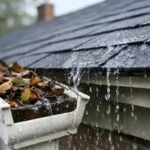
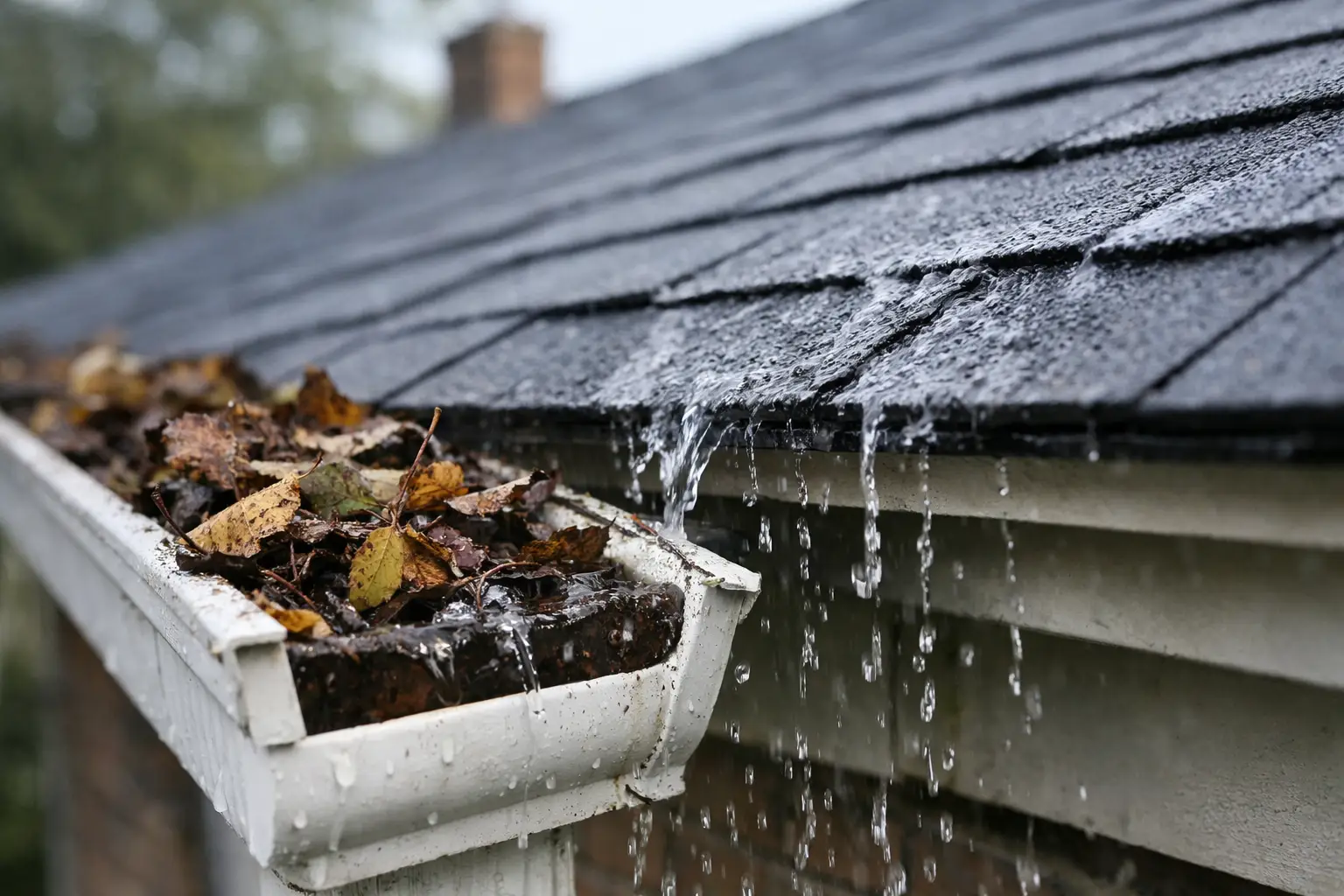
Standing water adds pressure to every seam and flashing detail. Clogged drains, damaged scuppers, blocked leader connections, and poor roof slope can keep water against the parapet base long after a storm ends.
Waterproofing repairs should include a drainage review. If water is ponding near the wall, replacing sealant alone will not solve the underlying issue. Clearing drainage paths, correcting localized low spots, or repairing scuppers may be necessary to keep the new waterproofing from failing early.
Coating, Sealant, or Rebuild: Which Is the Right Choice?
A clear masonry water repellent can help reduce absorption on sound brick and mortar, but it will not seal active cracks, repair failed coping, or stop water entering behind roof flashing. Sealant is useful at properly prepared joints, but it is not a substitute for repointing or membrane repair.
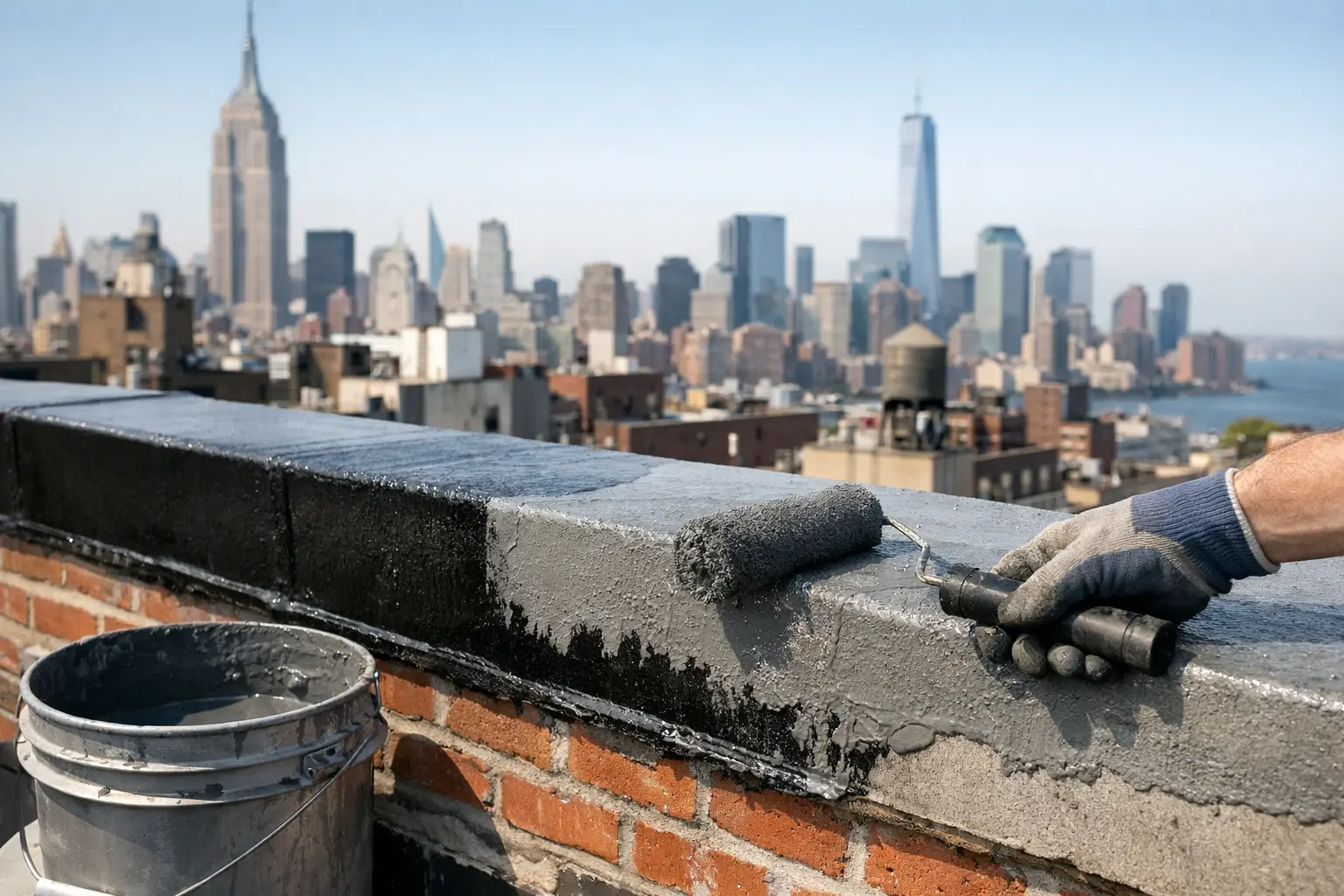
Elastomeric coatings can provide a continuous protective layer on suitable parapet surfaces. They are often helpful where hairline cracking and weather exposure are concerns. However, coatings require careful surface preparation and should only be applied after repairs are complete. Applying a coating over wet, dirty, or unstable masonry can cause peeling and trapped moisture.
A partial rebuild may be the better investment when the parapet is leaning, heavily cracked, missing substantial mortar, or showing widespread brick deterioration. This costs more upfront, but repeatedly patching a failing wall often costs more over time and leaves the building exposed between repairs.
Why Quick Patches Often Fail
Roof cement, spray-on sealers, and caulk from a hardware store can make a small area look sealed for a short time. They rarely account for movement between the roof membrane, metal flashing, coping, and masonry. In NYC weather, those materials can crack, shrink, or separate quickly.
The other problem is diagnosis. If water is entering through a failed coping joint but the visible leak is patched at the roof edge, the water can continue moving behind the wall. The owner may think the repair worked until the next hard rain.
Emergency patches still have a place when active water is entering a building. They can limit immediate damage while a permanent repair is scheduled. But they should be treated as temporary protection, not the final answer.
Maintenance That Protects the Repair
Parapet walls should be checked at least twice a year and after major storms. Roof-edge inspections are especially valuable before winter, when small cracks can worsen through repeated freezing and thawing.
Keep roof drains and scuppers clear. Watch for loose coping, open joints, and membrane separation at the base of the parapet. Address small masonry repairs early, before water reaches the wall interior or roof deck. For commercial and multifamily properties, documenting inspections with photos also helps plan repairs before they become urgent capital projects.
Global City Restoration approaches parapet repairs as part of the full exterior protection system – roofing, flashing, drainage, masonry, and waterproofing working together. The goal is not to sell a coating for every wall. It is to identify the failure point and complete the work needed to keep water outside.
If a parapet is showing cracks, staining, loose coping, or roof-edge leaks, schedule an inspection before the next long stretch of rain. A clear assessment now can protect ceilings, walls, insulation, and the structure behind them later.