A shingle roof can look fine from the sidewalk while water is already working its way beneath the surface. In New York City, choosing the cheapest color or copying a neighbor’s roof is not enough. Knowing how to choose roof shingles means looking at the roof’s slope, drainage, exposure to wind, building requirements, and the condition of the structure underneath.
The right shingles should do more than improve curb appeal. They should help protect the building from wind-driven rain, summer heat, snow buildup, ice, and the costly interior damage that follows a roof leak. For homeowners, landlords, and property managers, this is a practical investment decision, not just a design choice.
Start With the Roof Type, Not the Shingle Color
Asphalt shingles are designed for sloped roofs. They shed water by gravity, which is why roof pitch matters before material selection. A properly sloped roof can be a good candidate for shingles, while a low-slope or nearly flat roof often needs a membrane system such as EPDM, TPO, modified bitumen, or another flat-roof assembly.
Installing standard shingles on a roof with inadequate slope is a mistake that can lead to standing water, leaks, and shortened service life. This is especially relevant on attached homes, additions, porches, and older NYC properties where the roofline may include several different pitches.
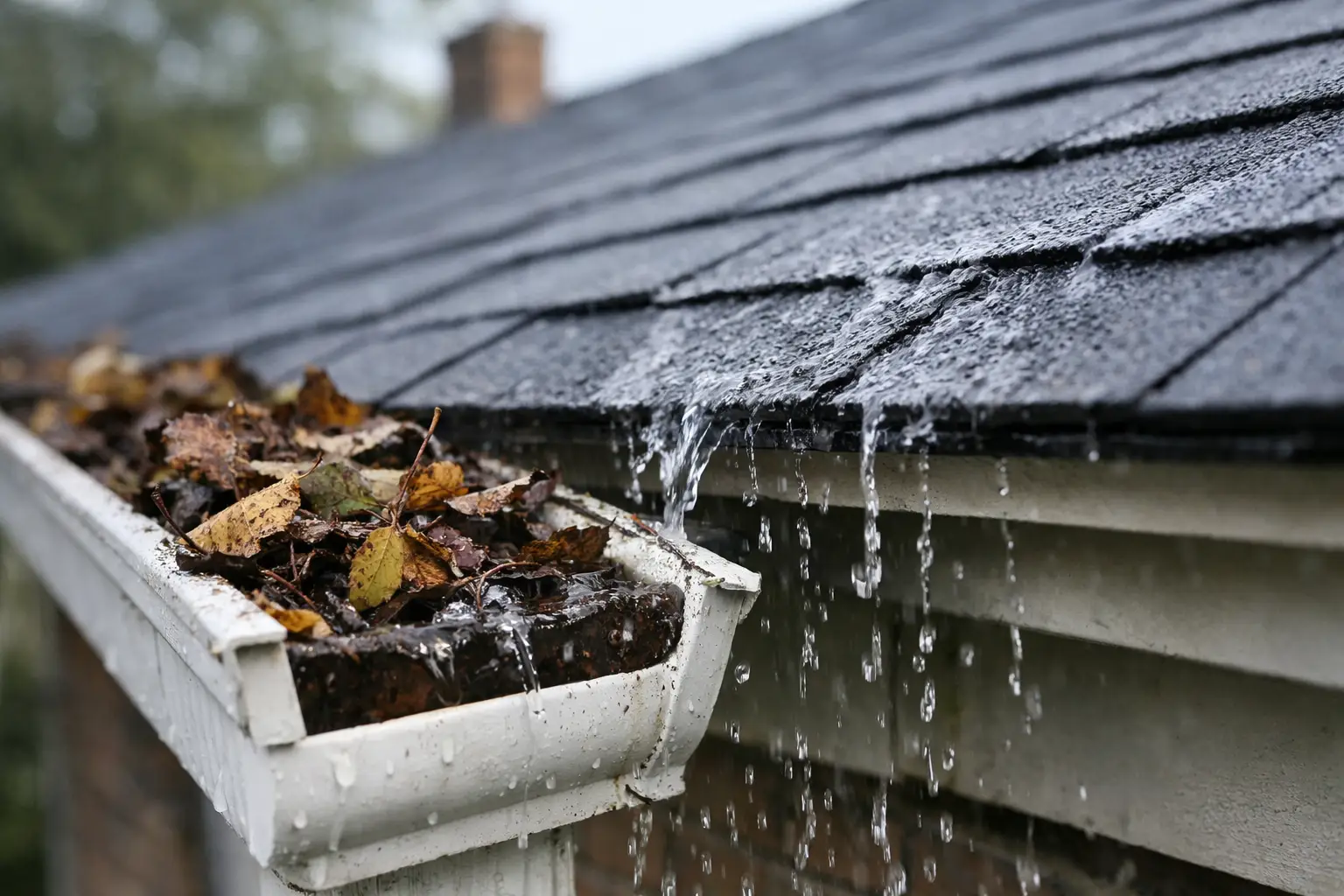
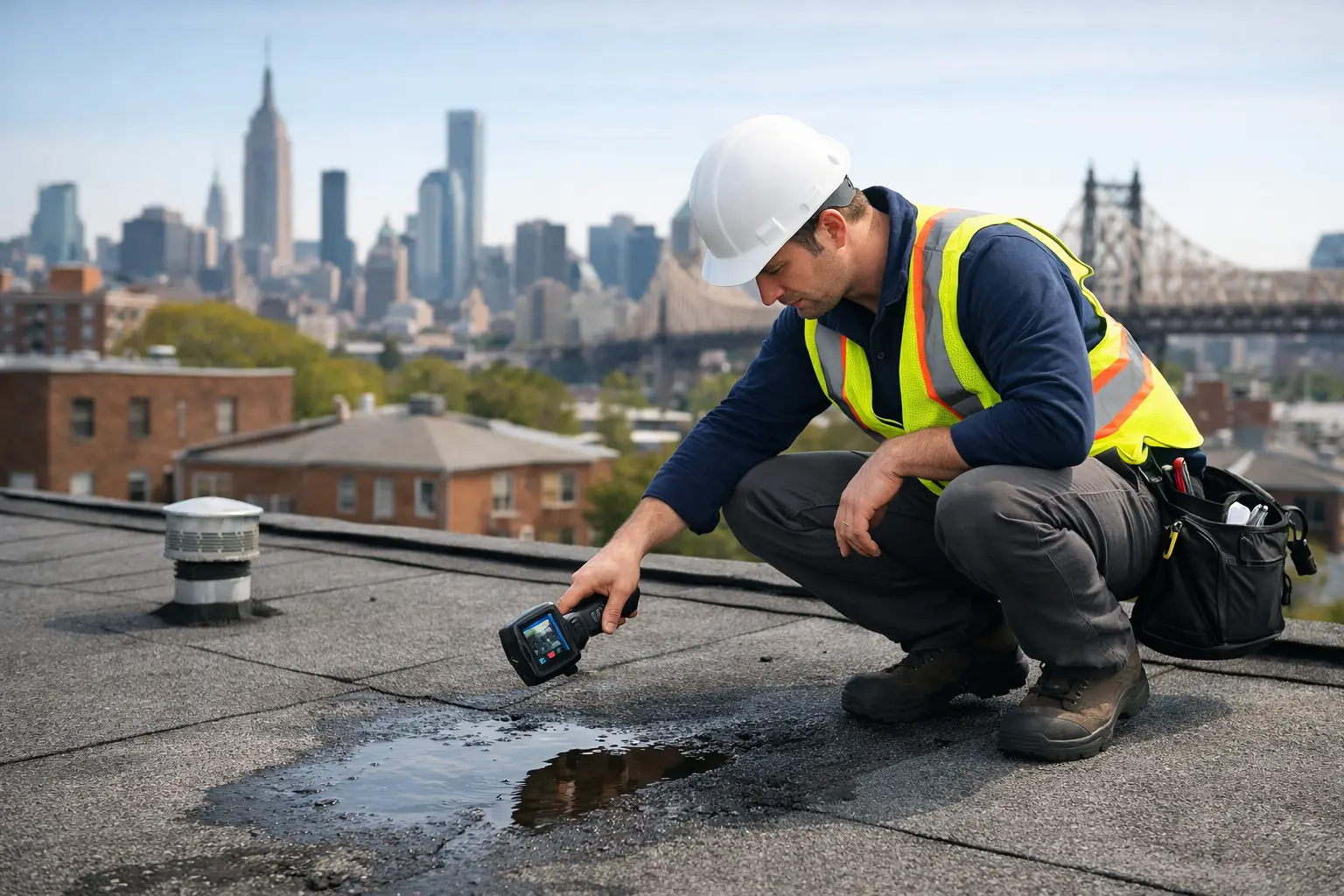
A professional inspection should confirm the roof slope, identify drainage paths, and determine whether water is collecting near valleys, chimneys, skylights, or roof edges. If the roof has more than one section, it may need more than one roofing system. That is not overbuilding – it is using the right material where it belongs.
How to Choose Roof Shingles by Material Grade
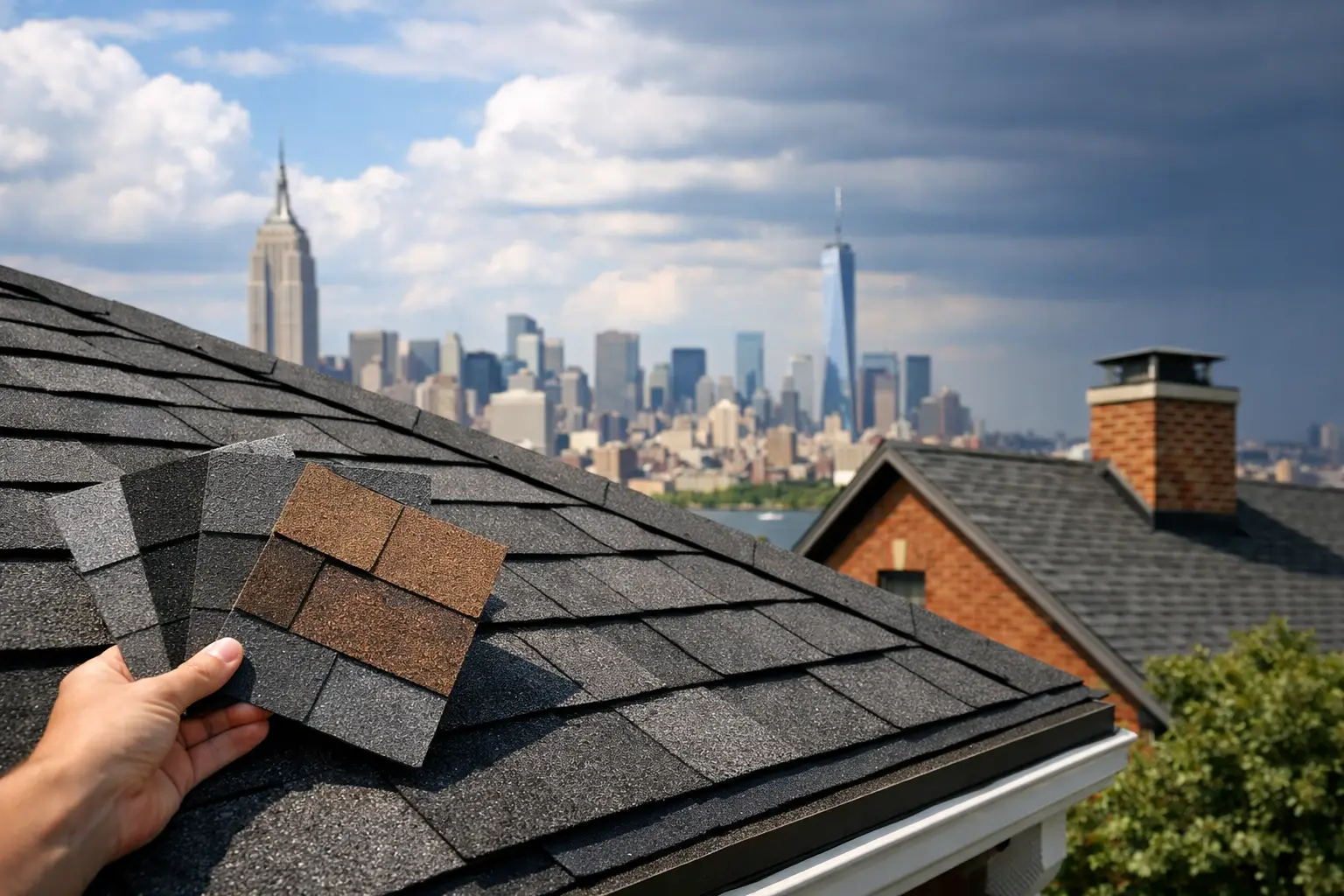
Most residential shingle roofs use asphalt shingles, but not all asphalt shingles perform the same way. The main options are three-tab shingles and architectural shingles, also called dimensional or laminated shingles.
Three-tab shingles are thinner, lighter, and generally less expensive upfront. They create a flat, uniform appearance and can work for a budget-conscious replacement when the roof structure and local wind conditions allow it. Their trade-off is a shorter expected lifespan and less resistance to wind and impact than heavier options.
Architectural shingles use multiple layers of asphalt and fiberglass matting. They have more depth, a more substantial appearance, and usually better wind performance. For many NYC homeowners, architectural shingles are the more practical choice because they offer a stronger balance of price, durability, and appearance.
Premium designer shingles may imitate slate or wood shake and can offer added thickness and visual impact. They can be worth considering on a prominent single-family home or historic-style property, but they also increase material and installation costs. The roof framing must be evaluated before selecting a heavier product.
The lowest bid is not always the lowest cost. A shingle that saves money on installation but needs replacement much sooner can become the more expensive option over time.
Choose Shingles That Can Handle NYC Weather
New York roofs face rapid temperature swings, driving rain, high winds, snow, and intense summer sun. A roof in the Bronx, Queens, Brooklyn, or Manhattan may also have limited exposure around neighboring buildings, which can slow drying after rain. Those conditions should influence the shingle specification.
Look closely at wind ratings. Higher-rated architectural shingles are often a sound choice for exposed rooflines and buildings that receive strong wind across open streets or near taller structures. Wind resistance depends on more than the shingle itself. Proper nailing, correct nail placement, starter strips, underlayment, and sealed edges all affect whether the roof stays intact during a storm.
Algae-resistant shingles can also make sense in shaded areas where moisture lingers. Dark streaking does not always mean a roof is failing, but algae-resistant granules can help preserve the roof’s appearance over time.
Color matters in a practical way as well. Darker shingles absorb more heat, which may be noticeable on upper floors and attic spaces. Lighter colors can reduce heat absorption, though the full impact depends on attic ventilation, insulation, and the roof assembly. Select a color that works with the building exterior, but do not expect color alone to solve an overheating issue.
Do Not Ignore the Roofing System Beneath the Shingles
Shingles are the visible layer. The protection comes from the entire system underneath them.
A dependable installation should account for roof decking, underlayment, flashing, ventilation, drip edge, starter materials, ridge caps, and penetrations around pipes or vents. If the decking is soft, rotten, or warped, new shingles will not correct the problem. The damaged wood should be repaired before the new roof is installed.
Flashing deserves special attention. Leaks often start where the roof meets a chimney, wall, dormer, skylight, or vent pipe. Reusing old or poorly installed flashing to reduce the estimate may create an expensive problem shortly after a roof replacement.
In cold-weather areas, ice and water protection is another key consideration. When snow melts and refreezes near the eaves, water can back up under shingles. Proper protective membrane placement at vulnerable areas helps reduce that risk. The exact application should match the roof design and applicable code requirements.
Ventilation also affects shingle life. Excess heat and trapped moisture in an attic can age shingles faster and contribute to wood deterioration. A contractor should evaluate intake and exhaust ventilation as part of the roof plan, not treat it as an afterthought.
Match the Shingle Budget to the Building’s Long-Term Needs
A roof replacement should be priced around the whole job, not just the cost per bundle of shingles. A clear estimate should explain the selected shingle type, removal of old materials, decking repairs if needed, underlayment, flashing work, ventilation, cleanup, permits where required, and warranty coverage.
For a rental property or multi-family building, the best choice may be a durable architectural shingle with reliable warranty coverage and a straightforward maintenance plan. For an owner-occupied home, appearance may carry more weight. For a property expected to be sold soon, it can be tempting to choose the least expensive option, but visible shortcuts can raise questions during inspections and negotiations.
Ask how the contractor handles unforeseen deck damage. Roof problems are sometimes hidden until old materials come off. A responsible contractor will document the condition with photos, explain the repair needed, and get approval before proceeding with added work.
Check Local Code, Permits, and Weight Limits
NYC roofing work must be code-compliant, and roofing requirements can vary based on the building type, roof design, and scope of work. A contractor should understand when permits, inspections, and specific materials or installation details are required.
Weight is also a real consideration. Adding a second layer of shingles over an existing roof may appear cheaper, but it can conceal damaged decking, old leaks, and flashing failures. It also adds weight to the structure. A full tear-off is often the better long-term decision when the existing roof is worn, uneven, or already layered.
If the home is in a historic district or subject to association rules, appearance requirements may limit color or material choices. Address those issues before ordering materials, not after a crew arrives.
Compare Contractors Along With Shingle Brands
The best shingle product can still fail if installation is rushed. When comparing contractors, ask who will manage the project, whether the company is licensed and insured, how the property will be protected during removal, and what workmanship warranty is included.
You should also ask whether the estimate includes replacing flashing, installing proper underlayment, and addressing ventilation. Vague proposals make it difficult to compare bids fairly. A detailed scope of work protects you from assumptions and surprise charges.
Global City Restoration approaches roof replacements as exterior protection projects, not simply shingle installation. That means evaluating the roof’s drainage, vulnerable details, and related components such as gutters and leaders when they affect how water moves away from the property.
Before you choose a color or sign a proposal, have the roof measured and inspected from the surface whenever it is safe to do so. Clear photos, a written scope, and an honest explanation of the roof’s condition will give you a far better basis for choosing shingles that protect your property when the next hard rain arrives.