A low bid can look attractive until the first hard rain finds the shortcuts. In New York City, roof installation cost is not just about buying material and covering square footage. The real price reflects how well the roof will handle ponding water, snow, summer heat, wind, drainage, building access, and the existing conditions underneath.
For a homeowner, landlord, or commercial property manager, the goal is not simply to find the cheapest roof. It is to pay for a roof system that protects the structure, meets code requirements, and does not create another expensive problem a year or two later.
What Does Roof Installation Cost in NYC?
A new roof installation in NYC can range widely because residential pitched roofs, rowhouse roofs, apartment buildings, and commercial flat roofs are fundamentally different projects. As a broad starting point, many roofing installations fall between roughly $8 and $25 or more per square foot installed. Complex properties, premium materials, major deck repairs, difficult access, and detailed waterproofing can push the cost higher.
That range is useful for initial planning, but it is not a quote. A 1,500-square-foot roof does not always mean 1,500 square feet of billable roofing. A pitched roof has slope and waste factors. A flat roof may have parapet walls, drains, skylights, HVAC equipment, pipe penetrations, and multiple layers of old roofing that affect labor and material needs.
In the Bronx, Manhattan, Queens, Brooklyn, Astoria, and the South Bronx, access often changes the price as much as the roof itself. Moving materials through a narrow side yard, across a rear building, or up several stories requires more labor and planning than working on an open suburban property.
The Main Factors Behind the Price
Roof size, shape, and access
Square footage is the starting point, not the final number. Larger roofs need more material and labor, but small roofs can have a higher cost per square foot because setup, safety equipment, deliveries, permits, and cleanup still have to be covered.
Complex shapes also add time. Valleys, dormers, chimneys, skylights, multiple roof levels, and parapet walls create more seams. Every seam needs proper flashing and detail work. On a flat roof, drains, scuppers, curbs, and edge metal require the same attention because these are common places for future leaks to begin.
NYC access is another practical cost factor. A contractor may need to protect sidewalks, coordinate deliveries, use hoisting equipment, or arrange debris removal around limited parking and active tenants. Those details should be discussed before work begins, not added as a surprise after the crew arrives.
The roofing system you choose
Material selection has a direct effect on roof installation cost, but the lowest material price is not always the best value. The right system depends on the roof design, drainage conditions, expected foot traffic, building use, and long-term maintenance plan.
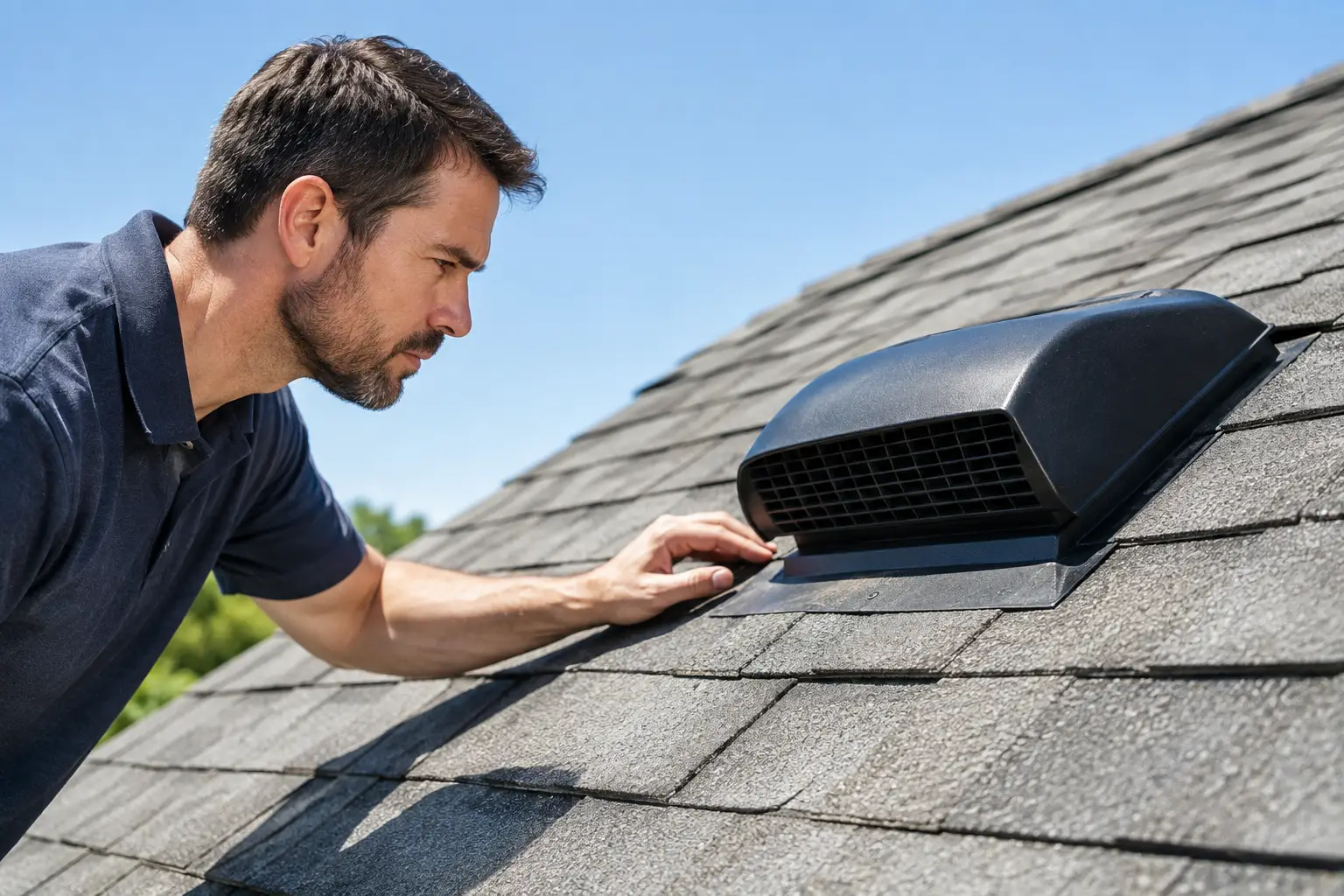
Asphalt shingles are often a practical choice for sloped residential roofs. They can offer a strong balance of appearance, performance, and budget when installed with correct underlayment, flashing, ventilation, and ice-and-water protection where needed.
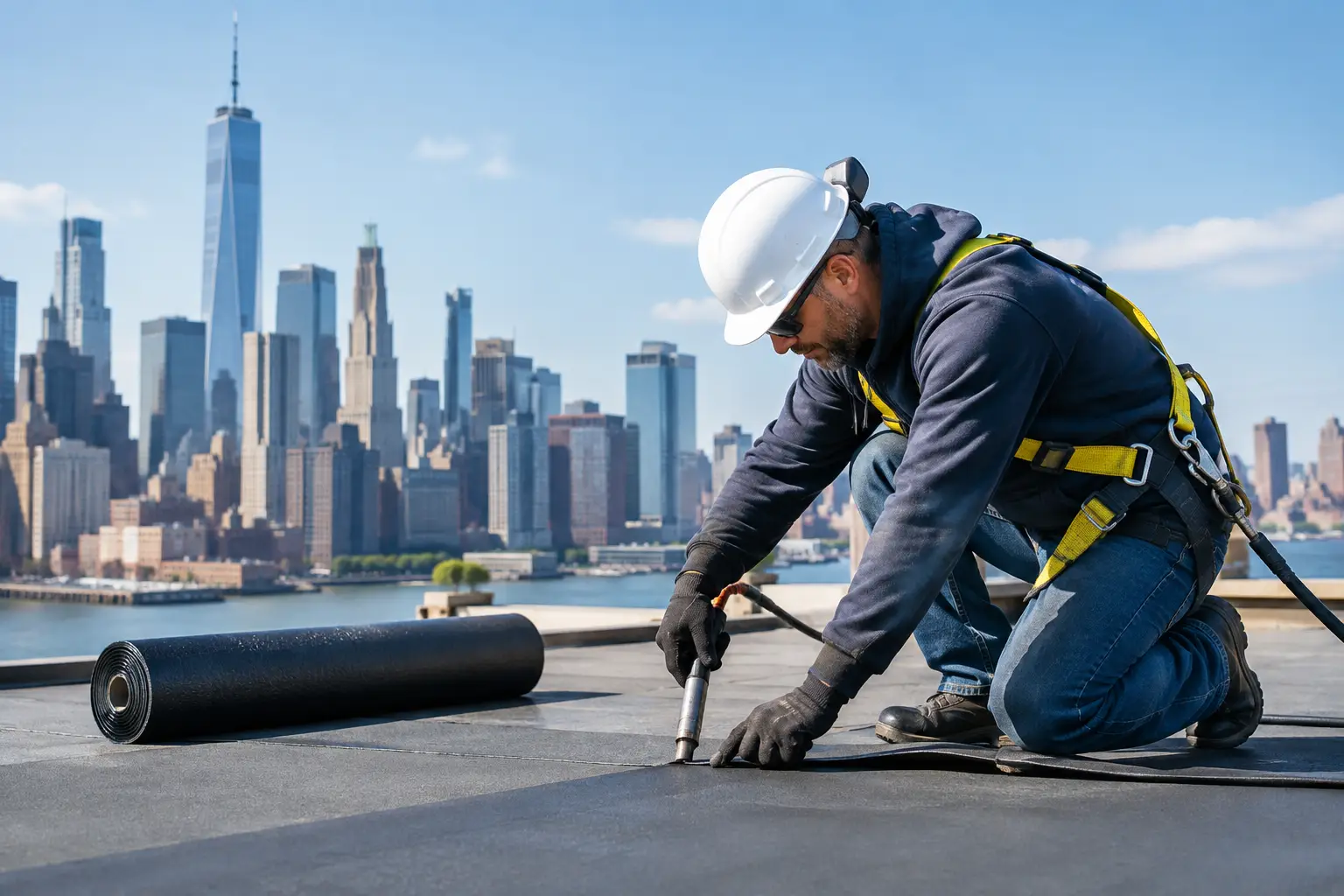
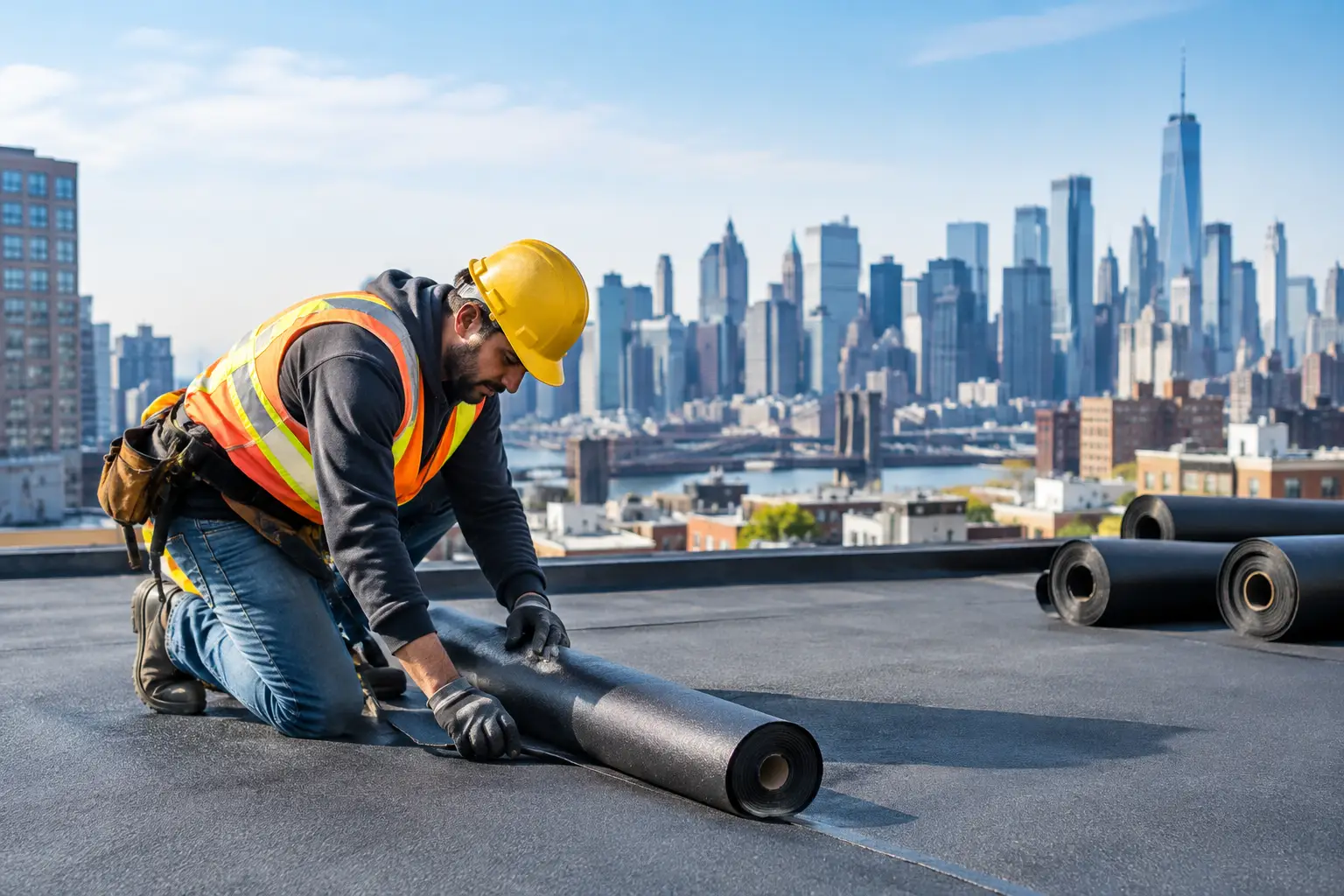
For low-slope and flat roofs, TPO and EPDM are common single-ply options. TPO can be a good fit where reflective performance and heat-welded seams are priorities. EPDM is known for flexibility and can perform well in changing temperatures. Modified bitumen, hot roofing, and 4-ply systems may also be appropriate depending on the building and the required level of redundancy.
Metal, tile, and specialty systems generally cost more upfront. They may make sense for certain properties, but they also require the right structural support, detailing, and experienced installation. A good contractor explains why a system fits your roof rather than pushing one product on every building.
Tear-off, hidden damage, and deck repairs
The existing roof condition is one of the biggest variables in a realistic estimate. If old roofing must be removed, disposal, labor, and potential substrate repairs need to be included. Some buildings have several layers of aging material, which can add weight and make a full tear-off the safer choice.
Once the old roof comes off, damaged plywood, rotted wood, weakened decking, cracked masonry, wet insulation, or deteriorated flashing may be exposed. No responsible contractor should pretend these conditions never happen. The better approach is to identify visible concerns before the job, explain how concealed damage will be documented, and provide a clear unit price or approval process for repairs.
Photos matter here. Property owners should be shown what was found and why a repair is necessary. This is especially important for landlords and managers who need clear records for budgets, tenants, partners, or building files.
Drainage and waterproofing details
Standing water is not just an appearance issue on a flat or low-slope roof. It can speed up wear, place stress on seams, and expose weak points in the membrane. If water repeatedly ponds after rainfall, installing new membrane without correcting the drainage issue can be money wasted.
A complete scope may include drain repairs, new scuppers, tapered insulation to improve slope, leader connections, gutter work, or waterproofing at parapet walls and transitions. These items increase the initial project cost, but they can prevent recurring leak calls and interior damage.
The same principle applies to flashing. Chimney flashing, wall flashing, pipe boots, coping, edge metal, and skylight details are not extras to overlook. Roofing materials perform as a system. If one detail fails, the entire roof can leak.
Permits, code compliance, and safety
Depending on the project scope and property type, permits, inspections, and NYC code requirements may affect the price and schedule. Commercial buildings and multifamily properties often involve additional coordination. Historic district requirements, rooftop equipment, fire-rated assemblies, and building-specific conditions can also matter.
A licensed and insured roofing contractor should be direct about what is included, what approvals may be needed, and who is responsible for each part of the process. Code-compliant work is not a luxury. It protects the property owner from avoidable corrections, delays, and liability.
Safety also has a cost, and it should. Fall protection, staging, controlled debris removal, site protection, and trained labor are part of a professional installation. A bid that ignores these realities may be low because essential work has been left out.
How to Compare Roofing Estimates Without Guessing
Do not compare proposals by the bottom-line number alone. Two estimates can be thousands of dollars apart because one covers a complete roof system and the other covers only a layer of material.
Ask whether the proposal states the roofing material and manufacturer, membrane or shingle thickness, insulation type, tear-off scope, flashing work, drainage corrections, deck repair allowances, debris removal, and warranty coverage. It should also spell out exclusions. Clear paperwork protects both sides of the job.
Pay close attention to vague phrases such as “as needed” when there is no pricing method attached. Some unforeseen work is normal, particularly with old roofs. What matters is whether the contractor has a transparent process for documenting the issue and getting approval before additional work proceeds.
A dedicated project manager can make a major difference on occupied properties. Tenants, residents, customers, and employees still need to move through the building while work is underway. One point of contact helps keep the schedule, access, material deliveries, and questions organized.
When Repair Is Smarter Than Replacement
Not every leak means you need a new roof. If the roofing system is relatively young and the problem is limited to a damaged seam, flashing detail, drain, or isolated puncture, repair may be the more responsible investment.
Replacement becomes more likely when leaks keep returning in different areas, the roof has widespread blistering or cracking, insulation is saturated, drainage is poor across the surface, or the existing system is near the end of its service life. Patching a failing roof repeatedly can cost more over time than installing a properly designed replacement.
An honest inspection should distinguish between a repairable condition and a roof that is no longer dependable. The right recommendation is based on the roof’s condition, not on selling the largest project.
Plan for Value, Not Just the Initial Number
The best roofing investment is one that fits the building. A single-family home with a steep shingle roof has different needs than a mixed-use building with a flat roof, foot traffic, and multiple mechanical penetrations. Material, drainage, insulation, and maintenance should work together.
Before approving work, ask for a written scope, a realistic schedule, warranty details, and a clear explanation of how the roof will be protected at its most vulnerable points. Global City Restoration approaches roof work with that practical focus: identify the condition, explain the options plainly, and build protection that holds up to New York weather.
A roof is easy to forget when it is doing its job. Paying for sound installation now gives your property a better chance of staying dry, safe, and protected when the next heavy storm arrives.