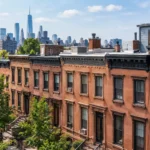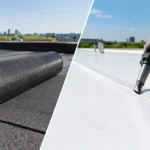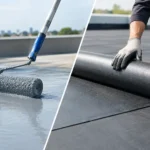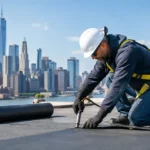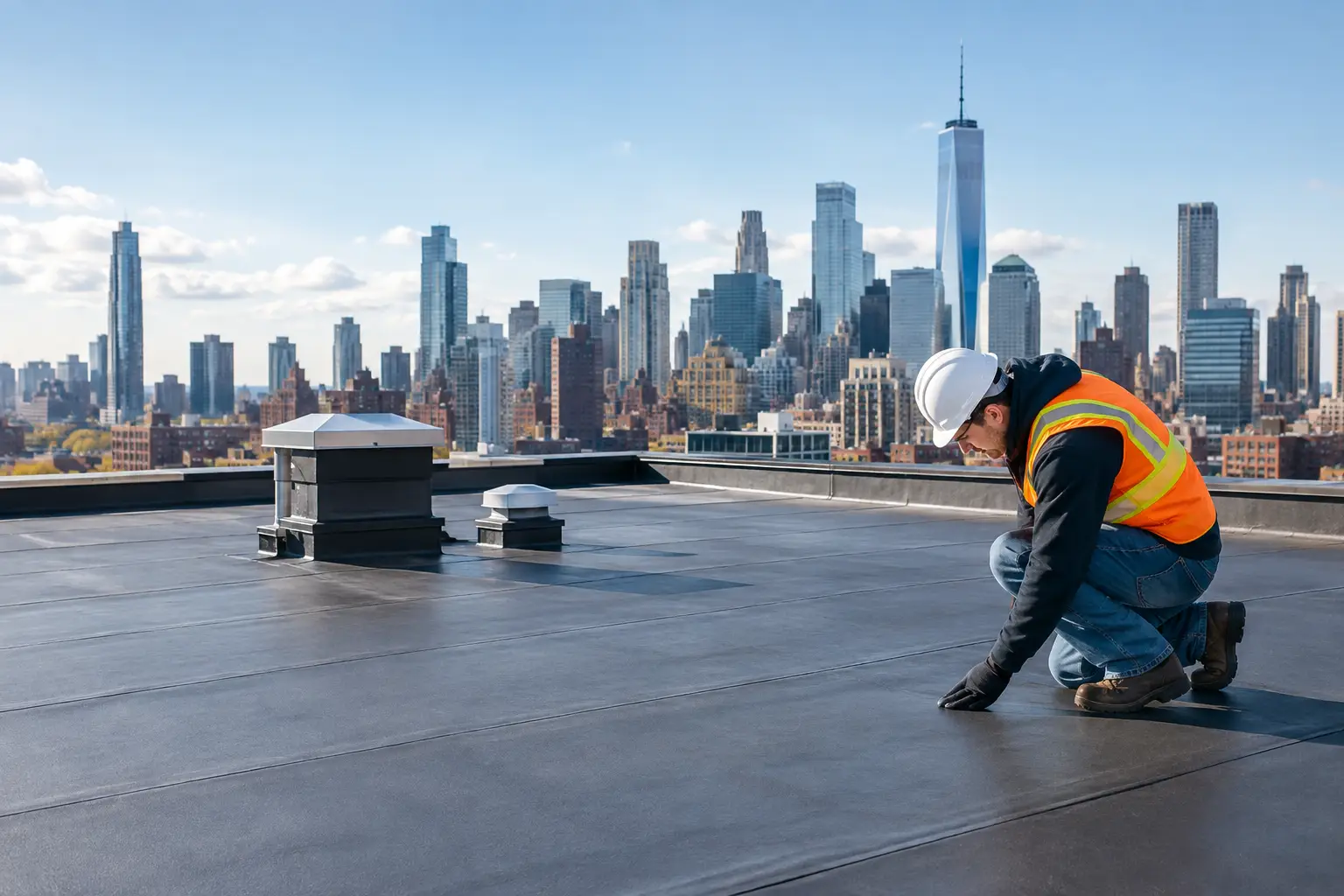
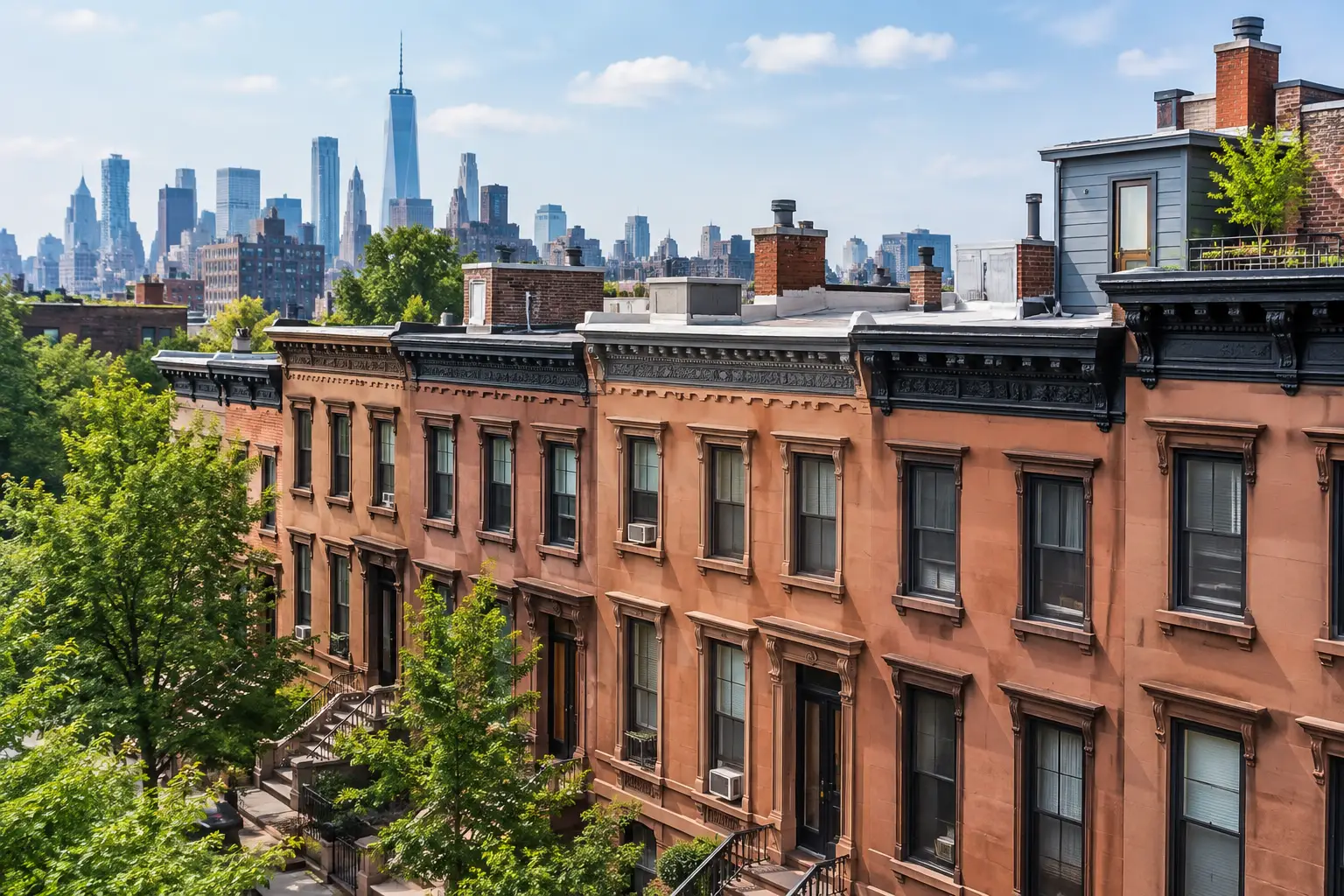
A brownstone roof is rarely a simple replacement job. Behind the historic facade, many NYC brownstones have low-slope roofs, aging parapet walls, tight access, old drains, and multiple layers of roofing left by prior repairs. Choosing among the best roof options for brownstones means looking beyond the membrane itself. The right system has to manage standing water, seal vulnerable edges, work with the building’s drainage, and protect the property through heavy rain, snow, summer heat, and freeze-thaw cycles.
For most brownstone owners, the strongest choice is a professionally installed low-slope roof system matched to the condition of the deck, flashing, parapets, and drainage. A lower upfront price can be tempting, but a roof that fails at the walls or around a clogged drain can damage ceilings, insulation, plaster, electrical systems, and finished apartments below.
What Makes a Brownstone Roof Different?
Most brownstones in the Bronx, Manhattan, Brooklyn, and Queens were built long before modern roofing materials became standard. Even when the roof has been replaced, the underlying conditions may still be original or heavily altered. The roof deck may have uneven areas, deteriorated wood, older masonry details, or patched penetrations from vents, skylights, HVAC equipment, and pipe stacks.
Brownstone roofs are also often surrounded by parapet walls. These walls are attractive and practical, but they create critical transition points where water can enter. A roof membrane can look fine across the open field of the roof while leaks develop at flashing, coping stones, scuppers, or wall joints.
Drainage is another deciding factor. Flat roofs are not truly flat. They need positive slope toward interior drains, scuppers, or gutters. If water ponds after a storm, installing a new membrane over the same drainage problem is not a long-term solution. The roof system and water-management plan must work together.
Best Roof Options for Brownstones: The Leading Systems
Modified Bitumen Roofing
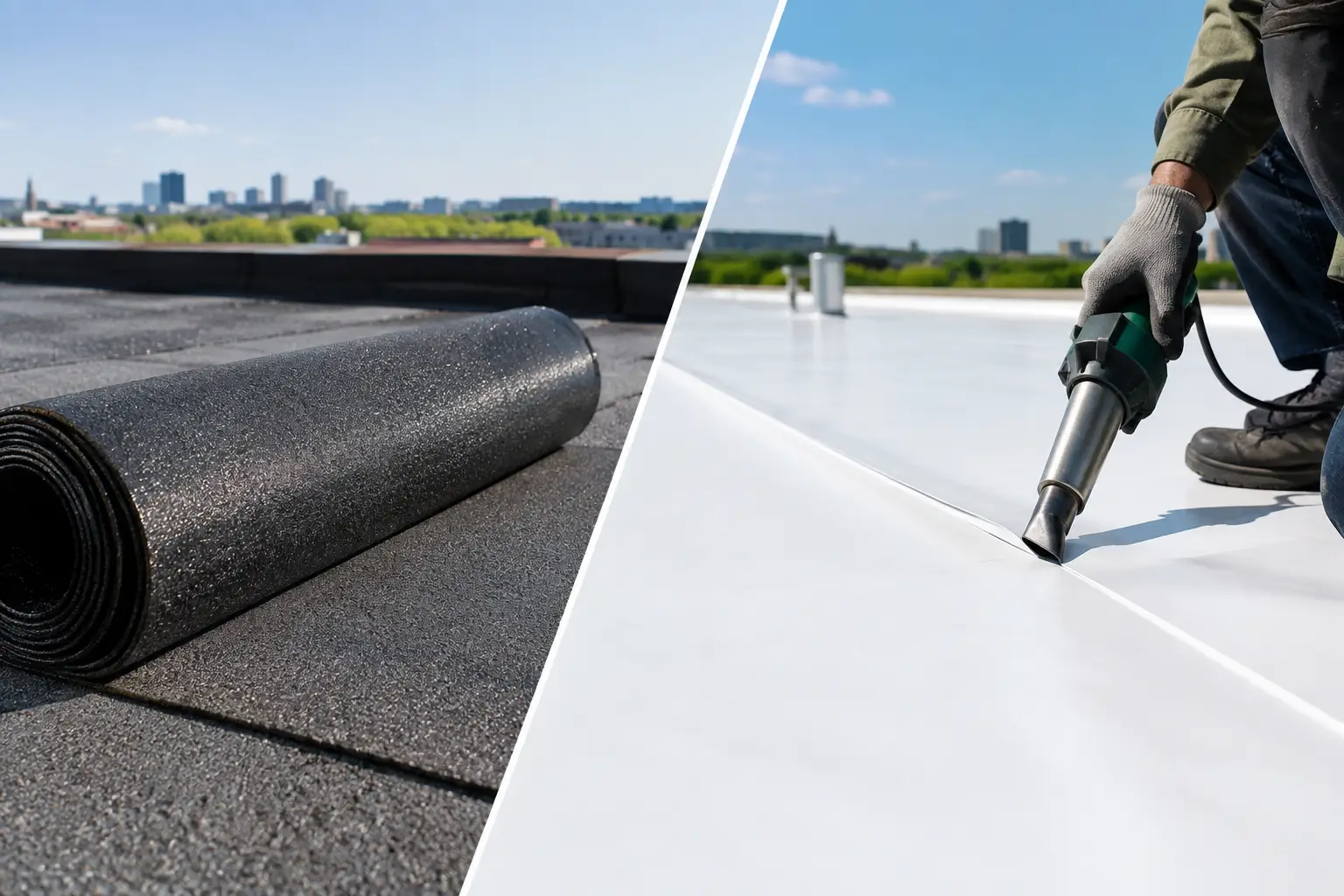
Modified bitumen is one of the most dependable roof options for NYC brownstones. It is an asphalt-based membrane reinforced for flexibility and strength, typically installed in multiple layers or with a cap sheet designed to handle weather exposure.
This system performs well on low-slope roofs because it creates durable protection against water intrusion and holds up well against normal foot traffic for maintenance. It is especially useful on buildings where the roof has several details to flash, including vents, drains, skylights, and parapet walls. A quality modified bitumen installation provides a tough, repairable surface that experienced roofers can inspect and maintain over time.
The trade-off is installation method and weight. Some modified bitumen systems require heat application, while others are self-adhered or cold-applied. The right method depends on site conditions, access, deck type, and safety requirements. The roof should never be selected as a one-size-fits-all product.
EPDM Rubber Roofing
EPDM is a synthetic rubber membrane widely used on low-slope residential and commercial roofs. It is known for flexibility, weather resistance, and its ability to handle temperature changes. That matters in New York, where a roof may face snow and ice one month, then intense sun and heat the next.
For a brownstone with a relatively open roof area and a sound deck, EPDM can be a practical option. Its dark surface can absorb heat, which may be a consideration for owners evaluating energy use or rooftop temperatures. Seams and perimeter details must be installed carefully, especially around parapet walls and drains. A poorly detailed edge can defeat the benefit of a high-quality membrane.
EPDM is often a good fit when durability and straightforward maintenance are priorities. It may be less ideal where a building owner wants a highly reflective roof surface or where the roof design includes many complicated penetrations that require extensive detail work.
TPO Roofing
TPO is a single-ply membrane that is often selected for its white, reflective surface. On an exposed brownstone roof, that reflectivity can help reduce heat absorption during hot NYC summers. TPO can also provide a clean, modern finish for property owners planning a full roof replacement rather than repeated patch repairs.
The quality of the installation is critical. TPO seams are heat-welded, and those seams need to be consistently welded and tested. Flashing at walls, drains, and roof penetrations must be completed with the same level of care. A white roof may look like a simple upgrade, but it still needs proper slope and drainage to perform as intended.
TPO is worth considering for brownstone owners who want a reflective membrane and have a roof layout that supports a single-ply system. It is often a strong choice for multi-family properties where reducing roof heat and keeping maintenance predictable are part of the long-term plan.
Built-Up Roofing and 4-Ply Systems
Built-up roofing, often called hot roofing or 4-ply roofing, has a long history in New York City. These systems use multiple layers of roofing felts and asphalt to create a thick, durable barrier. When installed correctly, they can provide excellent protection on low-slope roofs with demanding conditions.
For older brownstones with complex roof surfaces, a multi-ply system can offer added redundancy. If the roof experiences minor surface damage, multiple layers may provide a greater margin of protection than a thinner single-ply membrane. This can be valuable on buildings with regular rooftop access or equipment servicing.
However, built-up systems can be heavier and more labor-intensive than other options. They also require a contractor with real experience managing hot materials, flashing details, and safe jobsite practices. The roof structure should be evaluated before selecting a heavier assembly.
The Roof Material Is Only Half the Job
A reliable brownstone roof replacement starts with an honest assessment of what is below the existing roof. If there are soft areas in the deck, rotted wood, failing masonry, damaged insulation, or trapped moisture, covering those issues will only delay a larger repair.
The most important details usually include the parapet wall flashing, coping condition, drain bowls, scuppers, pipe boots, and roof edges. These are common leak locations because they handle movement, water flow, and transitions between different materials. A contractor should explain what needs to be repaired, show you photos when possible, and identify whether the leak is coming from the roof field, flashing, masonry, or drainage.
Owners should also consider whether tapered insulation is needed. Tapered insulation creates slope where the existing roof does not drain properly. It adds cost to a project, but it can reduce standing water and help prevent premature membrane failure. On a brownstone roof with recurring ponding water, this is often a smarter investment than another surface-level patch.
Repair or Full Replacement?
Not every brownstone needs a full roof replacement. If the existing membrane is generally sound and the problem is isolated, a professional repair may extend service life. Small punctures, failed flashing sections, open seams, and localized damage around a drain can sometimes be repaired effectively.
Replacement becomes the better value when leaks are recurring, multiple repairs have already been made, seams are failing across the roof, or moisture has reached the underlying structure. A roof that is near the end of its life can turn emergency repairs into a costly cycle. Replacing it before widespread interior damage occurs gives the owner more control over budget and timing.
For rental properties, co-ops, and multi-family brownstones, planned replacement is often easier to manage than an emergency leak during a storm. It also gives time to coordinate access, review material choices, and address gutters, leaders, masonry, or waterproofing work that affects roof performance.
Choose a System Built for the Building You Have
The best choice may be modified bitumen for a roof with many details and frequent maintenance needs, EPDM for flexibility and long-term weather resistance, TPO for a reflective surface, or a 4-ply assembly for added durability. There is no responsible answer that ignores the condition of the deck, drainage, parapet walls, and existing roof layers.
Global City Restoration approaches brownstone roofing with the full exterior in mind. A roof should not be treated as an isolated surface when flashing, coping, drains, gutters, and masonry all influence whether water stays out of the building.
A good roof protects more than the top floor. Before choosing a material, have the entire roof assembly inspected, get clear answers about drainage and flashing, and select a system that is built to handle the conditions your brownstone faces year after year.