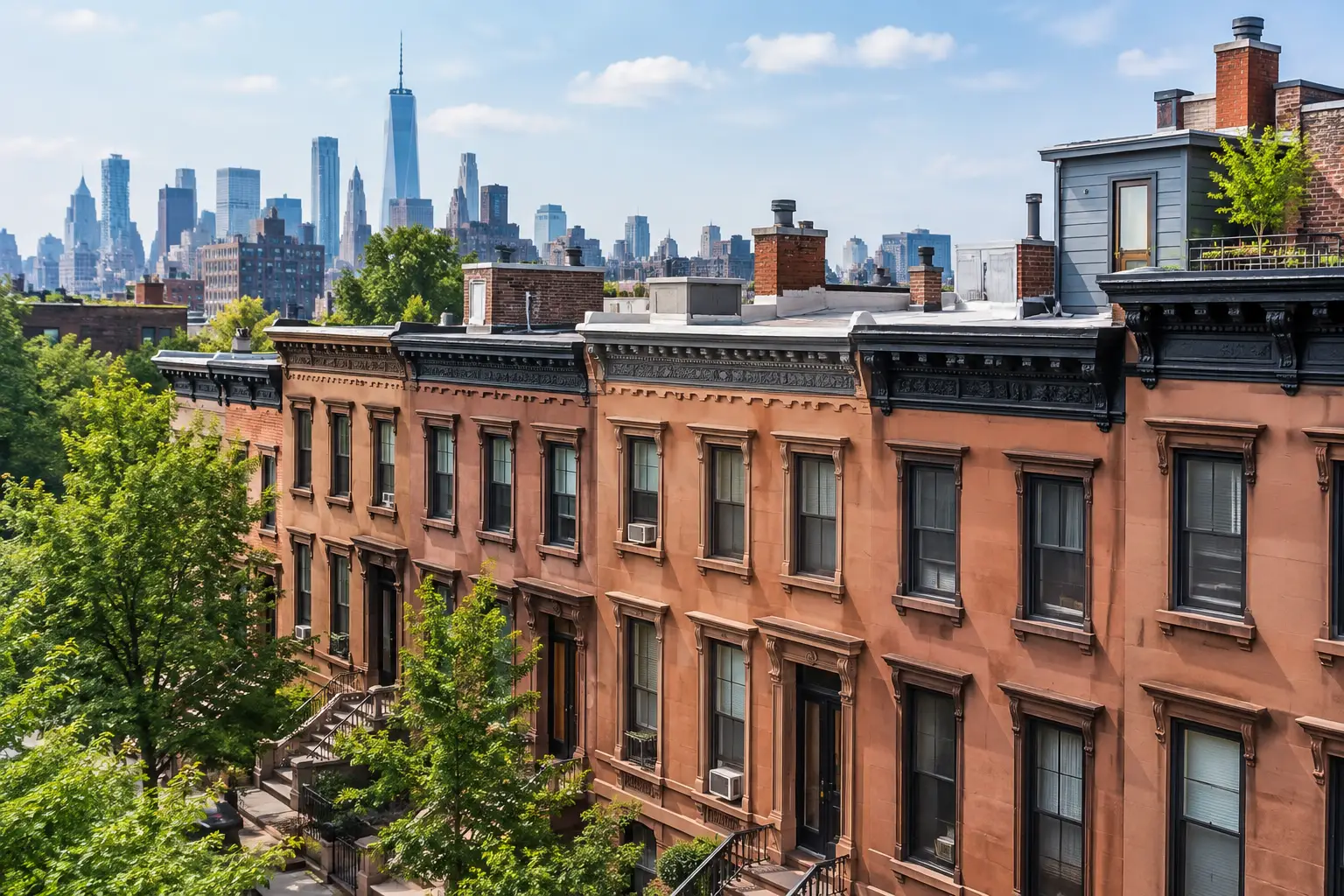
A low-slope roof can look fine from the sidewalk while water is slowly working its way through seams, flashing, and old patches. This flat roofing systems review is built for New York City property owners who need more than a material name. They need a roof that can handle ponding water, summer heat, winter freeze-thaw cycles, wind-driven rain, and the realities of maintaining a busy residential or commercial building.
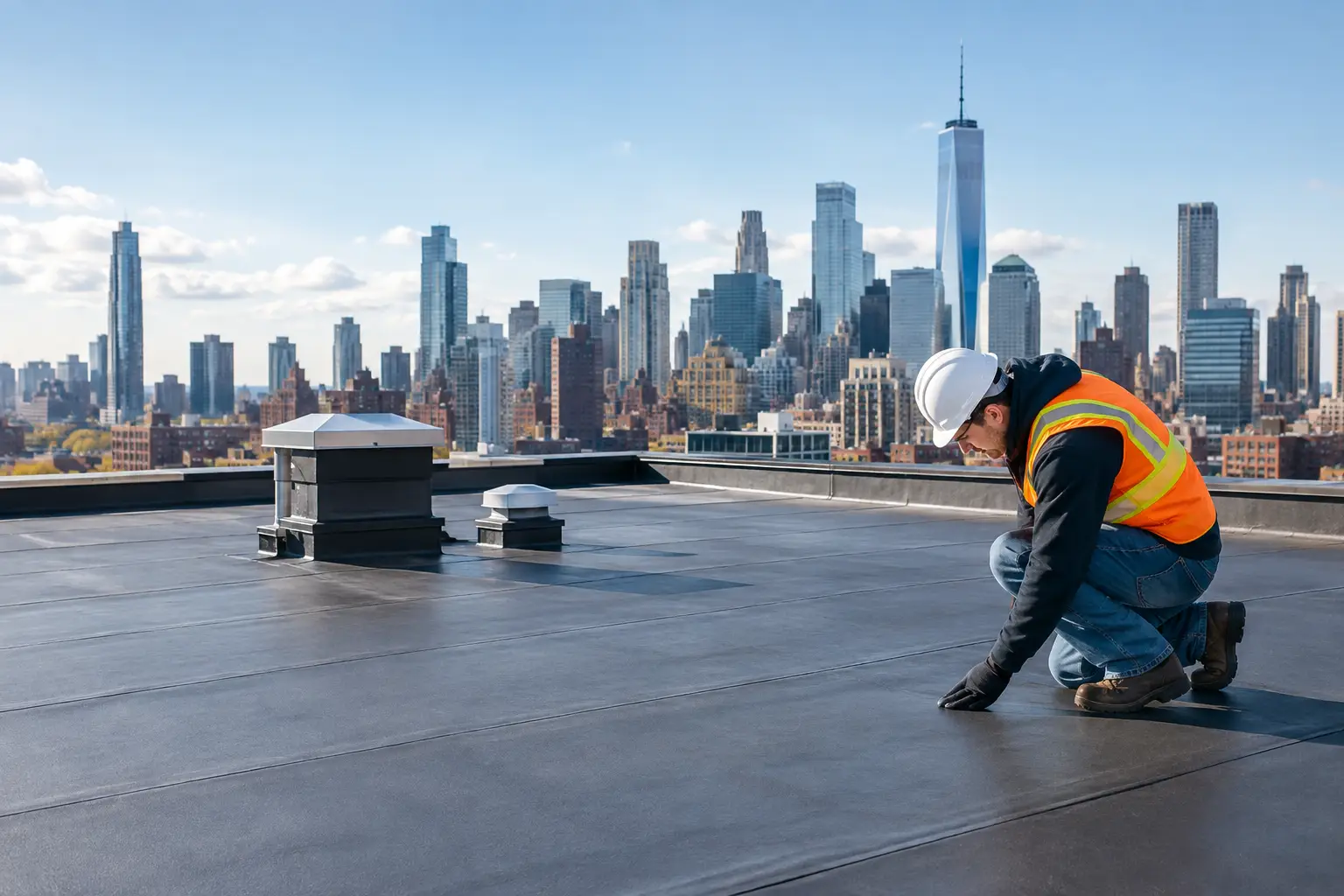
The best system is not automatically the most expensive one or the one a neighbor installed. Roof size, drainage, deck condition, foot traffic, existing layers, budget, and expected ownership timeline all affect the right choice. A good contractor should inspect these conditions first, show you what is happening, and explain whether a repair, restoration, or replacement makes financial sense.
Flat Roofing Systems Review: What Matters Most
For NYC roofs, material selection matters, but installation details matter just as much. A high-quality membrane will still fail early if the drains are clogged, the edge metal is loose, the flashing is poorly tied into the wall, or the roof deck has areas of trapped moisture.
Before comparing systems, look at the conditions that usually decide roof performance. Drainage is first. Flat roofs are designed with a slight slope, but water can still collect around drains, scuppers, HVAC supports, and areas where the deck has settled. Standing water adds weight, stresses seams, and exposes small installation defects.
The next issue is movement. Roofing materials expand and contract as temperatures change. In the Bronx and across NYC, a roof can go from direct summer sun to a cold rainstorm quickly. The system must accommodate that movement without pulling at seams or flashing. Finally, think about access. A roof used by maintenance crews, tenants, or equipment technicians needs better protection than a roof that is rarely walked on.
EPDM: A Proven Rubber Roof Option
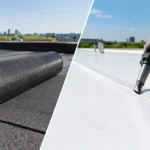
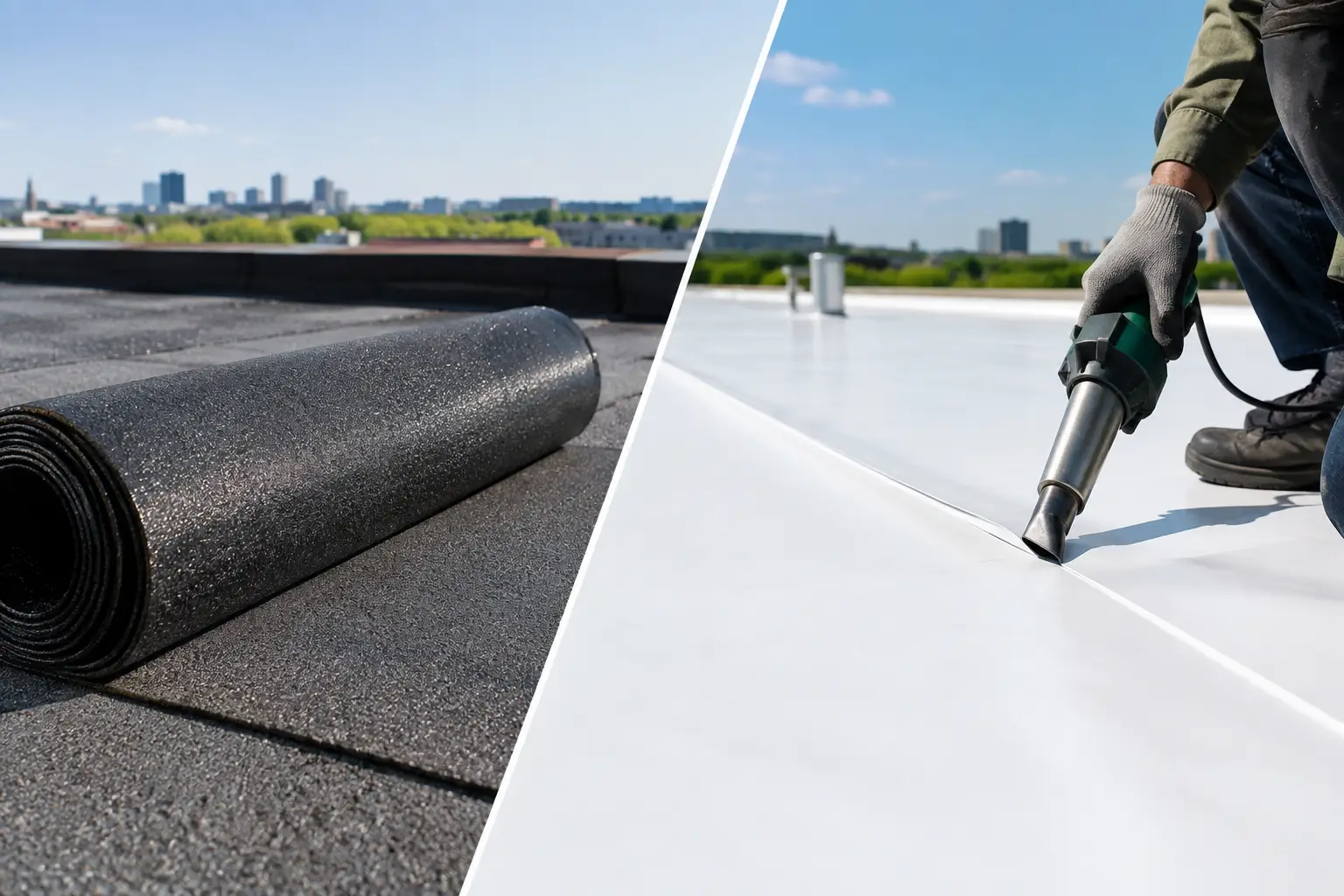
EPDM is a synthetic rubber membrane that has been used on low-slope roofs for decades. It is typically black, though lighter options are available, and it can be installed in large sheets with adhered, mechanically attached, or ballasted methods depending on the building and roof design.
Its main advantage is flexibility. EPDM handles temperature changes well and has a long track record when properly installed and maintained. It is often a practical choice for larger commercial roofs and certain residential flat-roof sections where a dependable, cost-conscious membrane is the priority.
The trade-off is heat absorption. Standard black EPDM can become very hot in direct sun, which may matter on an exposed NYC roof. Seam quality is also critical. Older EPDM roofs often develop issues at seams, penetrations, and perimeter flashing before the field membrane itself wears out. Repairs can be effective when the membrane is still in good condition, but repeated patching around multiple leaks is a sign to evaluate replacement.
TPO: Reflective and Popular, With Installation Sensitivity
TPO is a white, heat-welded single-ply membrane. Its reflective surface can reduce heat absorption, making it a common choice for buildings with broad, exposed roof areas. The welded seams are a major benefit because properly completed seams form a strong, continuous bond that resists water entry.
For owners concerned about summer heat and cooling costs, TPO is worth serious consideration. It also provides a clean finished appearance and works well around many common roof penetrations. In a dense urban setting, those details matter because rooftop mechanical equipment, pipes, and curbs create opportunities for leaks.
Still, TPO is not a material to choose based on price alone. Product quality and installer experience vary. Poor welds, improperly prepared surfaces, and rushed detailing can turn a good membrane into a leak problem. TPO performs best when installed by a crew that knows how to test seams, secure edges, and build flashing correctly around every penetration.
Modified Bitumen: Strong Protection for High-Detail Roofs
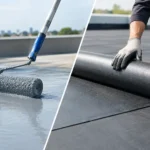
Modified bitumen is an asphalt-based roofing system installed in sheets, often with multiple layers. Depending on the application, it may be torch-applied, cold-applied, or self-adhered. It remains a strong option for roofs with many corners, curbs, pipes, and transitions because the material can be detailed carefully around complex conditions.
This system is familiar to many NYC building owners for good reason. It is durable, repairable, and available in cap sheets with reflective granules. When installed as a well-designed multi-layer system, modified bitumen offers substantial protection against punctures and weather exposure.
The downside is that installation can be more labor-intensive than a single-ply membrane. The roof also needs proper attention at laps and flashing transitions. If an existing modified bitumen roof has localized damage but is otherwise dry and stable, targeted repair or a restoration coating may be an option. If the roof has widespread blistering, saturated insulation, or recurring leaks in several areas, replacement is usually the safer investment.
Built-Up Roofing: A Time-Tested Multi-Layer System
Built-up roofing, often called BUR or 4-ply roofing, uses alternating layers of asphalt and reinforcing felts finished with a protective surface. Its strength comes from redundancy. Instead of relying on one membrane layer, the roof has multiple barriers to slow water intrusion.
For buildings that need a heavy-duty system and can support the added weight, BUR can be an effective choice. It offers solid puncture resistance and has a long history on commercial and multi-family properties. A gravel or mineral surface can help shield the system from UV exposure and physical wear.
Weight, odor during installation, and project complexity are the main considerations. It is not the right fit for every deck or every budget. If you are comparing BUR with a lighter single-ply system, ask the contractor to explain the deck condition, drainage plan, and expected maintenance needs rather than focusing only on material cost.
Why Drainage Can Decide the Outcome
A flat roof does not have to be perfectly dry minutes after rain, but it should not hold deep water for days. Ponding water is one of the most common reasons roofs deteriorate before their expected service life. It can expose weak seams, speed up surface wear, and add stress to aging decking and insulation.
A proper roofing review should include drains, scuppers, strainers, leader connections, and the roof’s overall slope. Sometimes the real fix is not a new membrane alone. It may require replacing damaged insulation, correcting low areas with tapered insulation, rebuilding drain bowls, or repairing leaders that are preventing water from moving off the roof.
This is especially relevant on older NYC properties, where roof layers may have been added over time and drainage details may no longer work as intended. Covering a drainage problem with another roof layer can postpone the problem, not solve it.
Repair, Restoration, or Replacement?
A roof does not always need replacement because it leaks. One damaged flashing detail, an open seam, or a puncture from rooftop work can often be repaired quickly. Timely repairs protect insulation, ceilings, walls, and electrical systems from a much larger loss.
Restoration may make sense when the membrane is still sound but showing surface aging. A properly selected coating system can extend service life in certain situations, but coatings are not a cure for wet insulation, failed seams, active structural movement, or poor drainage. The roof must be cleaned, prepared, and repaired before any coating is applied.
Replacement is usually the right call when leaks are recurring in multiple locations, the roof has widespread moisture below the membrane, the deck needs work, or the current system has reached the end of its useful life. A full replacement creates the opportunity to correct insulation, slope, drains, flashing, and edge details at the same time.
Questions to Ask Before Choosing a System
Ask what the contractor found beneath the visible roof surface and how they confirmed it. Ask how water will reach the drains, how flashing will be tied into parapet walls and rooftop equipment, and whether the proposed system is appropriate for foot traffic. You should also receive clear information about material and workmanship warranties, project supervision, and required permits or code compliance.
For owners of multi-family and commercial buildings, it also helps to ask about tenant protection, access planning, debris control, and how urgent leak conditions will be handled during the project. A roofing job should protect the building while work is underway, not create avoidable disruption.
The right flat roof is the one that fits the building’s condition and gives water nowhere to hide. Start with a thorough inspection, address drainage honestly, and choose a system backed by experienced installation and a clear warranty. That approach protects the roof, the interior below it, and the value of the property for years to come.