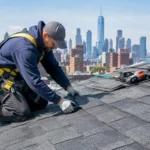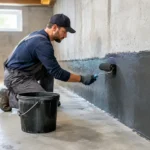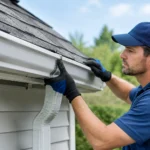
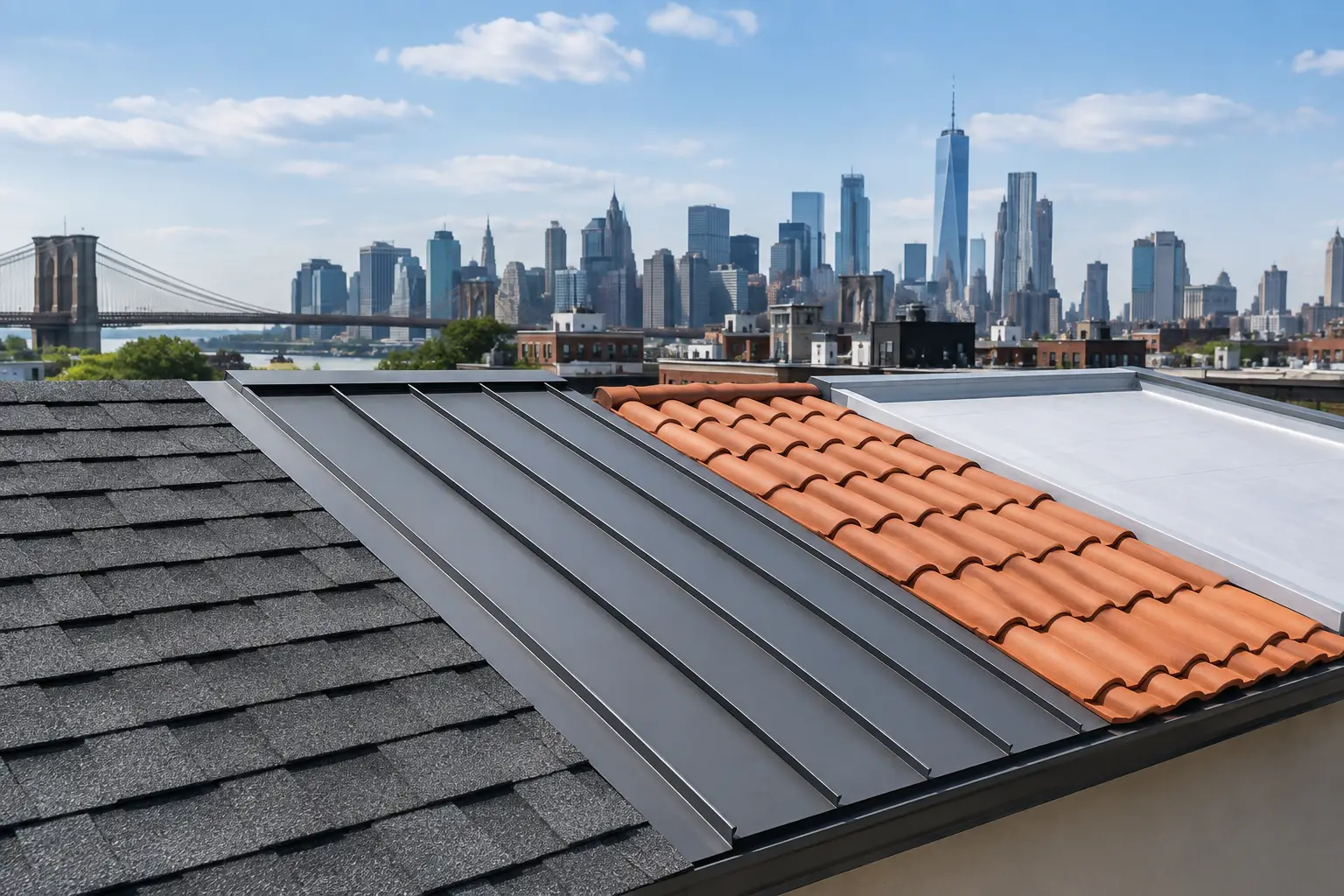
A Brooklyn roof can look fine from the sidewalk and still be one hard rain away from a leak. Low-slope roofs hold water, attached buildings create complicated flashing conditions, and years of sun, snow, foot traffic, and patch repairs take a real toll. Choosing among Brooklyn roofing material options is not about picking the most expensive product. It is about matching the roof system to the building, drainage, budget, and condition of the existing structure.
For a brownstone, row house, apartment building, storefront, or warehouse, the wrong material can mean recurring repairs and interior damage. The right one can protect the property for years when it is installed correctly and maintained on schedule.
Start With the Roof Type, Not the Material
Brooklyn has plenty of flat and low-slope roofs, but many homes also have pitched sections, parapet walls, additions, rooftop equipment, skylights, and shared-party-wall details. Those conditions matter as much as the roofing surface itself.
A flat roof is not truly flat. It needs positive drainage toward scuppers, drains, or gutters so water does not sit after a storm. If ponding water, clogged drains, deteriorated flashing, or soft decking are present, changing the membrane alone may not solve the problem. The roof needs to be evaluated as a full system.
Pitched roofs have a different set of concerns. Wind resistance, ice and water protection, attic ventilation, chimney flashing, and the condition of the underlayment all affect performance. A material that works well on a steep residential roof may be the wrong choice for a low-slope rear extension.
Asphalt Shingles for Sloped Residential Roofs
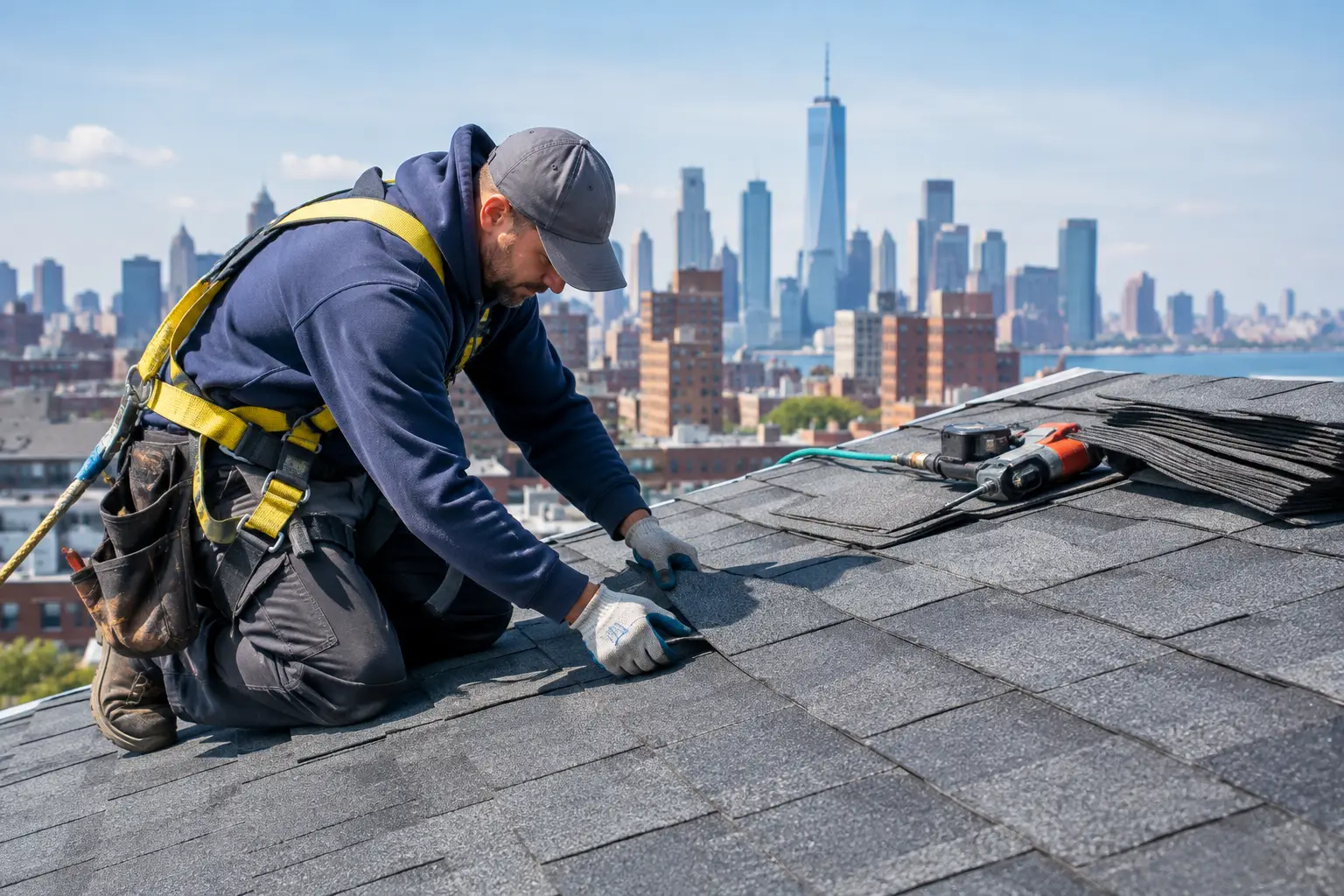
Asphalt shingles remain a practical choice for many Brooklyn homes with properly pitched rooflines. They are familiar, generally cost-effective, and available in colors that work with a wide range of exterior styles. Architectural shingles are usually a better long-term option than basic three-tab shingles because they are thicker and offer a more dimensional appearance.
The key limitation is slope. Shingles rely on gravity to shed water, so they should not be used on roofs that are too flat. Installation details also matter. Poor flashing around chimneys, dormers, vents, and sidewalls can cause leaks even when the shingle field is in good condition.
For homeowners replacing an aging shingle roof, the decision should include the condition of the roof deck and ventilation. Trapped heat and moisture can shorten shingle life from below. A contractor should explain what is under the old roofing, show the condition clearly, and address weak areas before covering them up.
TPO for Bright, Efficient Low-Slope Roofs
TPO is a single-ply white roofing membrane commonly used on commercial buildings, multi-family properties, and low-slope residential roofs. Its reflective surface can reduce heat absorption during New York summers, which is useful on exposed roof areas with little shade.
A properly installed TPO system has heat-welded seams. These seams are one reason TPO is popular: when installed by trained crews, they can provide strong protection at overlaps and around many roof details. TPO is also relatively lightweight, which can be helpful when structural loading is a concern.
That said, TPO quality depends heavily on installation. The membrane must be correctly attached, seams must be welded consistently, and penetrations need careful flashing. A low bid that skips preparation, drainage corrections, or edge details can create expensive problems later. TPO is a strong option, but it is not a shortcut around underlying roof issues.
EPDM for Proven Waterproofing Performance
EPDM is a synthetic rubber membrane, usually black, that has been used on low-slope roofs for decades. It is known for flexibility and strong weather resistance. For buildings where heat reflection is not the primary goal, EPDM can be a dependable choice, especially on roofs with simple layouts.
Because EPDM is dark, it absorbs more heat than a white TPO membrane. That is not automatically a reason to rule it out. Material selection depends on the building’s insulation, roof design, budget, and long-term maintenance plan. In some cases, a black membrane can perform very well through cold winters and temperature changes.
Seam and flashing work are still critical. Roof drains, curbs, parapet walls, and equipment supports are common leak points. A quality EPDM installation pays close attention to those areas rather than treating the roof as one large sheet of rubber.
Modified Bitumen, Hot Roofing, and 4-Ply Systems
Built-up roofing and modified bitumen systems have a long track record in New York City. These systems use multiple layers of asphalt-based materials, reinforcing fabrics, and protective surfacing. They are often a good fit for buildings that need a durable, layered roof assembly and have complex details.
Hot roofing and 4-ply roofing can be especially practical for certain commercial and multi-family properties. The multiple layers provide redundancy, which can be valuable on roofs that see foot traffic for maintenance or have many penetrations. They can also be repaired in targeted areas when damage occurs.
The trade-off is weight, labor, and installation complexity. These systems require experienced crews and careful attention to ventilation, safety, and building conditions. They are not automatically the best answer for every roof, but they remain a proven option where a layered waterproofing system makes sense.
Metal, Tile, and Other Specialty Materials
Steel and other metal roofing systems can be a durable choice for sloped roofs, awnings, and selected architectural applications. Metal sheds water efficiently and can last a long time when fasteners, seams, and flashing are installed correctly. It may cost more upfront than shingles, and the roof structure and details need to be suitable for the chosen panel system.
Tile can offer a distinctive look and long service life, but its weight is a serious consideration. Before selecting tile, the structure must be able to support it. Repairs can also be more specialized than standard shingle work. For many Brooklyn properties, tile is best reserved for buildings designed for it rather than treated as a simple cosmetic upgrade.
Specialty materials should be chosen for performance first and appearance second. A roof is an exterior defense system. If it cannot manage water, wind, and seasonal movement, the finish will not matter for long.
How to Compare Brooklyn Roofing Material Options
The best material is usually the one that solves the building’s actual problem without creating a new one. A roof with standing water needs drainage and a membrane designed for low-slope conditions. A sloped roof with worn shingles may need new underlayment and flashing as much as new shingles. A commercial roof with regular service traffic may benefit from a tougher, layered assembly or protected walk paths.
Before approving a replacement, property owners should get clear answers on the existing roof deck, insulation, drainage, parapets, flashing, penetrations, and edge metal. They should also ask whether a tear-off is necessary or whether a recover system is appropriate. A recover can save money in the right situation, but it should not cover wet insulation, unstable materials, or unresolved leaks.
Code compliance also matters in Brooklyn. Roofing work may involve permit requirements, fire ratings, drainage standards, and structural considerations. Licensed and insured professionals should assess the project and explain the scope in plain language. A detailed proposal should identify the material, installation method, warranty coverage, and work required around drains, walls, and roof penetrations.
Protect the Details That Cause Most Leaks
Most roof failures do not begin in the middle of the field membrane or shingle surface. They start at transitions: a loose flashing at a parapet wall, a cracked pipe boot, a backed-up drain, an open seam, or failing coping. That is why material selection and workmanship cannot be separated.
Global City Restoration approaches roof replacement and restoration with the full exterior in mind, including drainage, waterproofing, gutters, and leaders where needed. Photos, direct explanations, and a dedicated project manager help property owners see what the roof needs before work begins.
A new roof should leave you with more than a fresh surface. It should give you confidence when the next heavy rain hits, because the material, drainage, flashing, and installation were chosen to protect the building together.