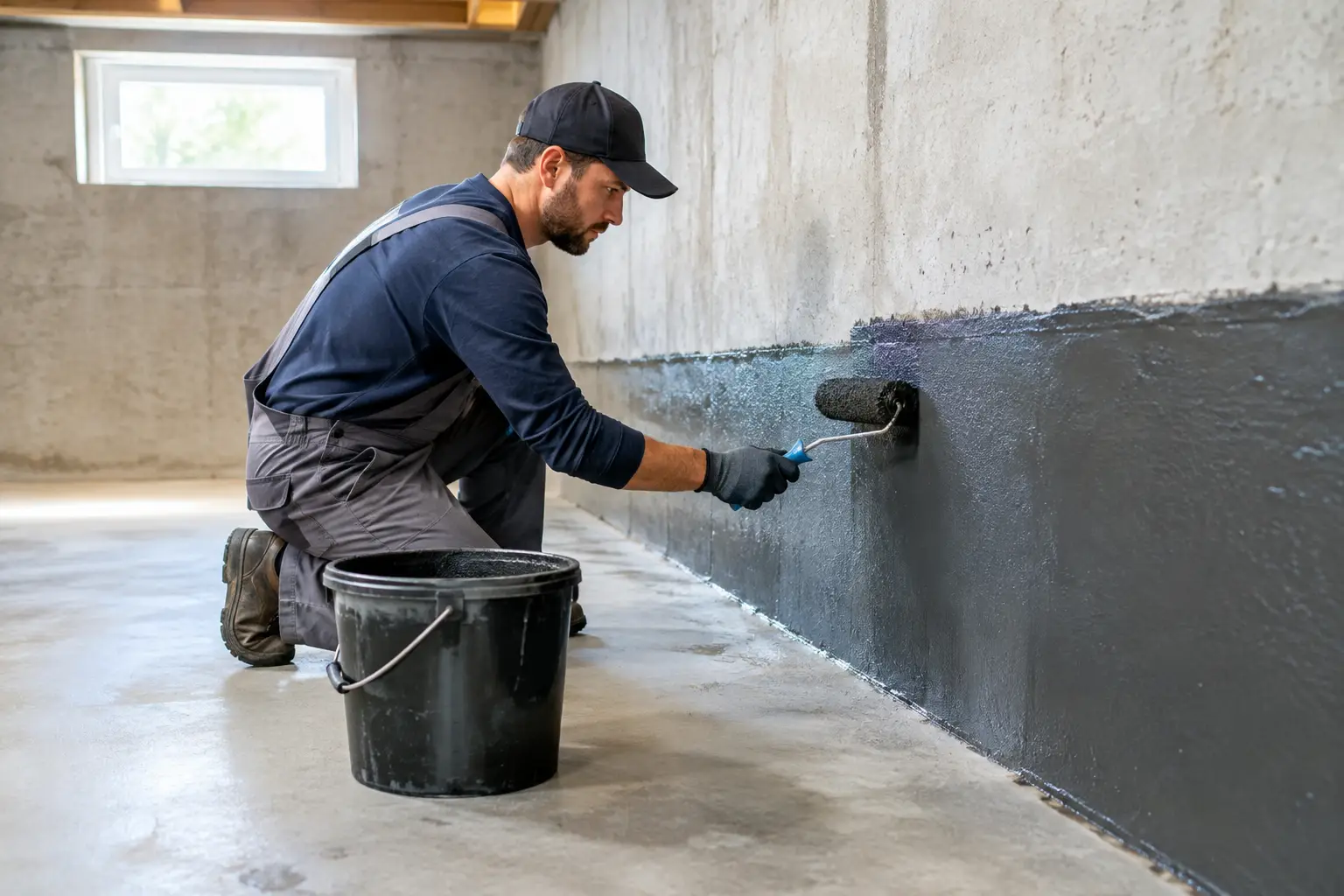
A basement leak rarely starts as a major emergency. It may begin with a damp corner after heavy rain, white mineral stains on a foundation wall, or a musty smell that never quite goes away. Then one storm sends water across the floor, damages finishes, and creates a much larger repair bill. The best waterproofing for basements is the system that stops water at its actual entry point, not the product that simply hides the symptoms.
For New York City property owners, that distinction matters. Older foundations, tight lot lines, hardscaped yards, aging sewer connections, and heavy rain can all send water toward a building. A proper solution begins with an inspection of the foundation, roof drainage, grade, walls, and floor. There is no single basement waterproofing method that is right for every home or commercial building.
Start by Finding Where the Water Comes From
Before anyone recommends a membrane, drain, or coating, identify the source. Water stains high on a foundation wall often point to surface water entering through cracks, gaps around utilities, or failing exterior waterproofing. Water at the wall-floor joint may indicate hydrostatic pressure, where saturated soil pushes groundwater against and under the foundation.
A leak that appears only during or shortly after rain is usually connected to drainage above ground. Overflowing gutters, short leaders, broken downspouts, sloped pavement, and clogged exterior drains are common causes. If water rises from the floor after prolonged wet weather, an interior drainage system or sump pump may be needed.
Plumbing leaks can look like foundation leaks, too. A dependable contractor should explain what they see, show you the affected conditions when possible, and avoid selling a large waterproofing project before the cause is clear.
Exterior Waterproofing Is Usually the Strongest Long-Term Fix
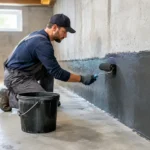
When water is entering through the outside of the foundation wall, exterior waterproofing is generally the most complete repair. The work involves excavating down to the footing, cleaning and repairing the foundation wall, applying a waterproof membrane, and installing drainage materials that direct water away from the structure.
A properly installed exterior system can include a liquid-applied or sheet membrane, protective drainage board, footing drain, clean gravel, and a suitable discharge path. The membrane blocks water from reaching the masonry or concrete. The drainage layer reduces pressure by giving groundwater a controlled route away from the wall.
This approach is especially valuable when foundation walls are deteriorating, exterior cracks are visible, or water has repeatedly entered the basement through the same area. It also gives the contractor access to repair damaged masonry from the outside instead of relying on an interior patch.
The trade-off is cost and access. Excavation is labor-intensive, and it can be more complicated on attached homes, properties with decks or concrete walkways, and tight Bronx or Manhattan lots. Utility lines, neighboring foundations, and permits may affect the scope. Still, when access is possible and the exterior wall is the source of the problem, exterior waterproofing is often the best investment because it addresses water before it reaches the building.
Interior Drainage Protects Basements From Groundwater Pressure
Interior waterproofing is not usually designed to keep groundwater away from the exterior foundation wall. Instead, it manages water that has reached the structure and directs it safely out. This can be a practical and effective choice where exterior excavation is not feasible or where water is coming up at the wall-floor joint.
An interior drainage system typically uses a channel installed along the perimeter of the basement floor. Water entering at the foundation base flows into the channel and is directed to a sump pit. A sump pump then discharges the water away from the building through an approved outlet.
For finished basements, this work may require removing a narrow strip of flooring and wall finish around the perimeter. It is disruptive, but it can provide dependable control of recurring groundwater when installed correctly. The system must be sized for the building, sealed carefully, and paired with a reliable pump.
A battery backup is worth considering for properties that lose power during storms. Heavy rain and power outages often happen at the same time. If the pump cannot run, the basement remains exposed. Property owners should also know where the discharge line runs and make sure it does not freeze, clog, or send water right back toward the foundation.
Best Waterproofing for Basements Includes Drainage Above Ground
Many basement water problems can be reduced or eliminated without digging around the foundation. The first line of defense is controlling where rainwater goes after it hits the roof and pavement.
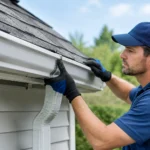
Gutters should be clean, securely pitched, and large enough to handle roof runoff. Leaders and downspouts need to carry water well away from the foundation, not dump it beside the basement wall. On flat and low-slope roofs, clogged drains and standing water can overload drainage paths and contribute to leaks around exterior walls.
The ground should slope away from the building whenever possible. In dense city settings, that may mean correcting a failed concrete pitch, repairing a sunken walkway, or improving a yard drain rather than regrading soil. Driveways, patios, and neighboring properties can also direct water toward the structure. These conditions need to be evaluated as part of the whole exterior, not treated as separate problems.
Global City Restoration looks at roof drainage and exterior water management because a basement cannot stay dry if large volumes of water are continually being directed toward the foundation.
Foundation Crack Repairs Have a Place, But They Are Not the Whole System
A crack repair can be the right answer for a single, isolated opening. Epoxy injection is commonly used to structurally bond certain concrete cracks, while polyurethane injection can expand and seal active water leaks. The proper material depends on whether the crack is dry, wet, moving, structural, or located in masonry rather than poured concrete.
The mistake is treating every visible crack as the full explanation. If water pressure, poor drainage, or deteriorated exterior waterproofing caused the crack to leak, injecting it from the inside may stop that one path while water finds another. A crack repair works best when it is part of a larger plan that corrects the water conditions around the building.
Watch for horizontal cracks, bowed walls, displaced masonry, or doors and windows that suddenly stick. Those signs can point to structural movement and should be evaluated before cosmetic waterproofing work begins.
Avoid Relying on Interior Paint Alone
Waterproof coatings and masonry paints can improve the appearance of a wall and provide limited protection against minor dampness. They are not a dependable standalone solution for active leaks or hydrostatic pressure. When water is pushing through a wall or under a slab, paint can blister, peel, and trap moisture in the masonry.
Coatings make more sense after drainage issues, cracks, and exterior defects have been addressed. They can be part of a finished basement plan, but they should not be sold as a replacement for real waterproofing.
What a Proper Basement Waterproofing Scope Should Include
The best contractors do not give one generic answer to every basement leak. They inspect the conditions, explain the recommended approach, and tell you what the work will and will not solve. For a major project, ask how water will be redirected, where a sump pump will discharge, what materials will be used, and how the disturbed areas will be restored.
For exterior work, confirm how excavation will be protected, how foundation walls will be repaired before waterproofing, and whether drainage components will remain accessible for maintenance. For interior systems, ask about pump capacity, backup power, alarm options, and the warranty on both materials and installation.
In NYC, code compliance and licensed, insured work matter. Improper discharge routing, unprotected excavation, or shortcuts around drainage can create new problems and expose an owner to unnecessary risk. Clear communication is part of the job. You should know what is happening behind the wall or below the floor before the work is covered back up.
A dry basement is not just about protecting stored boxes or finished space. It protects structural materials, indoor air quality, tenant areas, equipment, and the long-term value of the property. If you have seen stains, dampness, recurring odors, or water after rain, document when and where it happens. Those details help turn a frustrating leak into a repair plan that actually holds up through the next storm.