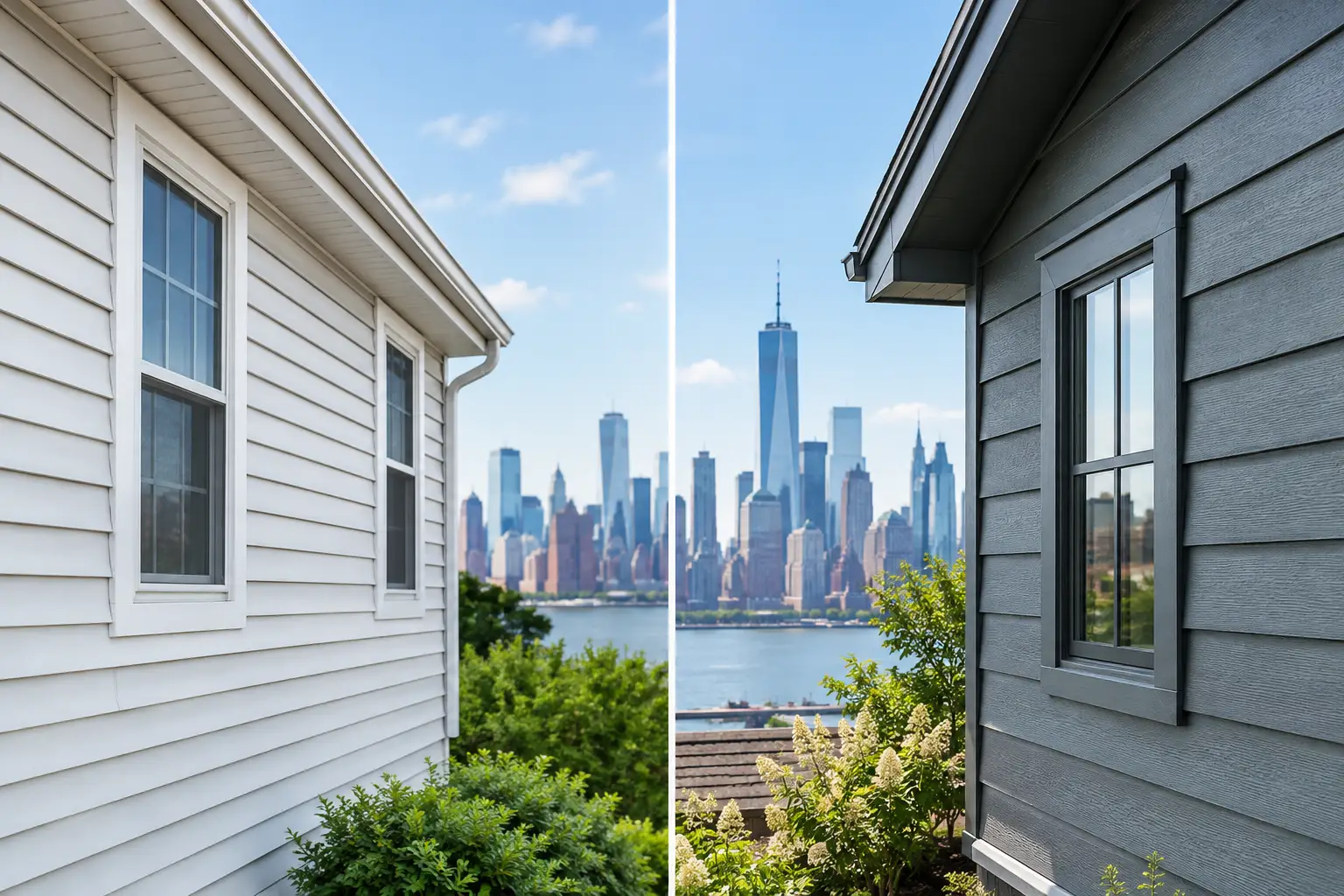
A siding decision can become expensive fast when water gets behind the wall, panels loosen in high wind, or a material does not fit the building’s condition. For New York property owners comparing vinyl siding vs fiber cement, the right answer is not simply which product costs less on installation day. It is which system protects the structure, suits the property, and can be installed correctly for years of rain, snow, heat, and city wear.
Vinyl siding and fiber cement can both improve curb appeal and cover an aging exterior. Their differences show up in durability, maintenance, moisture management, fire resistance, installation requirements, and long-term cost. A clear comparison helps homeowners, landlords, and property managers make a decision they can stand behind.
Vinyl Siding vs Fiber Cement: The Main Difference
Vinyl siding is a lightweight exterior cladding made from PVC. It is popular because it is generally more affordable, comes in many colors and profiles, and does not require painting. When properly installed over a sound wall system, it provides a clean, low-maintenance finish.
Fiber cement is a heavier siding material made from cement, sand, cellulose fibers, and water. It is designed to resemble painted wood, shingles, or smooth architectural panels. It costs more to install, but it offers a more solid appearance and strong resistance to fire, rot, and insects.
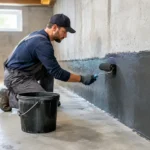
Neither material is a substitute for proper waterproofing. If a building has damaged sheathing, failed flashing, open masonry joints, or drainage problems, those issues should be corrected before new siding goes up. Covering active water damage only delays a larger repair.
Cost: Look Beyond the Initial Installation Price
Vinyl siding usually has the lower upfront cost. The material is lighter, cuts easily, and installs faster than fiber cement. For a homeowner working within a tight renovation budget, vinyl can be a practical solution, especially on a straightforward wall with limited trim details.
Fiber cement costs more because the boards are heavy, installation is more labor-intensive, and accurate cutting and fastening are critical. The crew also needs the proper equipment and training. On a larger property, labor can make up a significant part of the total investment.
The lowest quote is not always the best value. Ask what the estimate includes: removal of old material, repair of damaged wall sheathing, house wrap or weather-resistive barrier, flashing around windows and doors, trim, caulking, disposal, and site protection. Those details matter more than a low material price if the goal is to prevent leaks.
For a rental property or commercial building, also consider disruption. Fiber cement installation can take longer, while vinyl may allow a faster exterior upgrade. But a rushed vinyl job with poor flashing can create repair costs that erase the initial savings.
Weather Performance in New York City
New York City siding has to handle more than occasional rain. It faces wind-driven storms, freeze-thaw cycles, summer heat, snow buildup, traffic dust, and constant exposure on busy streets. The exterior wall needs a complete drainage plan, not just attractive panels.
How Vinyl Handles Weather
Vinyl does not absorb water and will not rot. That is a major advantage in wet conditions. It also flexes as temperatures change, which is why proper installation is essential. Panels must have room to expand and contract. If nails are driven too tight or panels are locked improperly, they can buckle, warp, or pull loose.
Vinyl can crack when it takes a hard impact in very cold weather. A falling branch, a ladder strike, or debris during a storm may damage a panel. Replacement is often manageable, but matching the color of older siding can be difficult after years of sun exposure.
How Fiber Cement Handles Weather
Fiber cement performs well against moisture when it is installed and maintained according to manufacturer requirements. It will not rot like wood, and it is less likely to dent or crack from everyday impacts than thin vinyl. Its weight and rigid construction can also create a more substantial exterior finish on exposed walls.
However, fiber cement is not maintenance-free. Cut edges, joints, and fasteners need careful treatment. If the siding is painted, the paint system must be maintained to protect the surface and preserve its appearance. Poorly installed fiber cement can still allow water intrusion, particularly around windows, roof-to-wall transitions, and penetrations.
Fire Resistance and Building Conditions
Fiber cement has a clear advantage in fire resistance. It is noncombustible, which can be an important consideration for attached homes, dense neighborhoods, and buildings where exterior fire exposure is a concern. It does not mean the entire wall assembly is fireproof, but it adds a layer of protection that vinyl does not provide.
Vinyl siding can melt or deform under intense heat. That does not automatically rule it out for every property, but it is worth discussing where buildings are close together or where the exterior is exposed to significant heat sources.
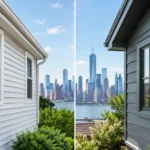
For NYC properties, material selection should also account for the existing wall. A frame home, a masonry building with furred-out walls, and a mixed-use storefront may each need different flashing, insulation, attachment, and waterproofing details. The siding is only one part of the exterior system.
Appearance and Property Value
Vinyl has improved over the years. It is available in horizontal lap profiles, vertical panels, shakes, and insulated options. It can give a house a neat, consistent look without the ongoing expense of regular painting. For many homeowners, that is exactly what they need.
Fiber cement generally offers more architectural flexibility. It can closely resemble painted wood clapboard or cedar shakes while avoiding wood’s vulnerability to rot and insects. It is often the stronger choice when the goal is a higher-end appearance, historic-style character, or a finish that complements detailed trim.
Appearance should be considered honestly. On a simple, budget-conscious project, premium fiber cement may not deliver enough added value to justify the cost. On a visible front elevation or a property being positioned for resale, the added finish quality may be worth the investment.
Maintenance Requirements Over Time
Vinyl siding needs periodic washing to remove dirt, mildew, and city grime. Inspect it after storms for loose panels, cracked pieces, or gaps around trim. Avoid placing grills or high-heat equipment too close to vinyl, and make sure landscaping does not trap moisture against the wall.
Fiber cement needs regular visual inspections as well. Look for peeling paint, failed caulk, cracked boards, or exposed cut edges. Repainting is typically part of its long-term maintenance plan, although the timing depends on the product, coating, sun exposure, and workmanship.
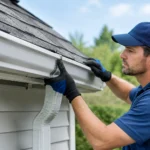
In either case, keep gutters, leaders, roof edges, and window drainage working properly. Siding is not designed to manage water pouring over clogged gutters or overflowing from a failing roof. Exterior problems often overlap, and fixing the water source protects every part of the building envelope.
Installation Is Where the Job Succeeds or Fails
A good siding installation begins with the wall behind the siding. The contractor should identify soft or deteriorated sheathing, moisture stains, damaged framing, failed caulk, and flashing issues before covering them. Photos and a clear explanation of existing conditions help property owners make informed decisions.
Vinyl requires correct nailing, expansion space, and properly integrated trim. Fiber cement requires proper clearances from roofs, grade, and other surfaces, along with approved fasteners and careful handling. Both materials need a weather-resistive barrier and flashing that direct water out, not into the wall.
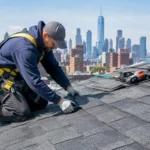
This is especially important around rooflines. A leaking roof-to-wall flashing detail can damage new siding from behind without being visible right away. A contractor who understands roofing, waterproofing, gutters, and siding can address the full exterior condition rather than treating each issue as separate.
Which Siding Is Right for Your Property?
Choose vinyl when upfront affordability, lower maintenance, and a faster installation are your leading priorities. It is a sensible option for many homes and investment properties when installed over a properly prepared, protected wall.
Choose fiber cement when you want a more substantial appearance, better fire resistance, and strong long-term performance, and you are prepared for a higher initial investment and periodic paint maintenance. It can be an excellent choice for owners protecting a higher-value property or upgrading a prominent exterior.
Before choosing either material, have the wall, roof edges, window flashing, gutters, and drainage inspected. The best siding cannot protect a building if water already has a path behind it. A careful exterior assessment gives you the information to invest once, fix the real problem, and keep your property protected through the next storm.