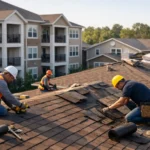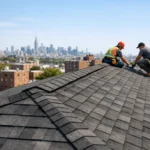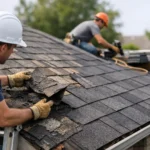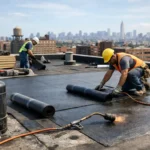
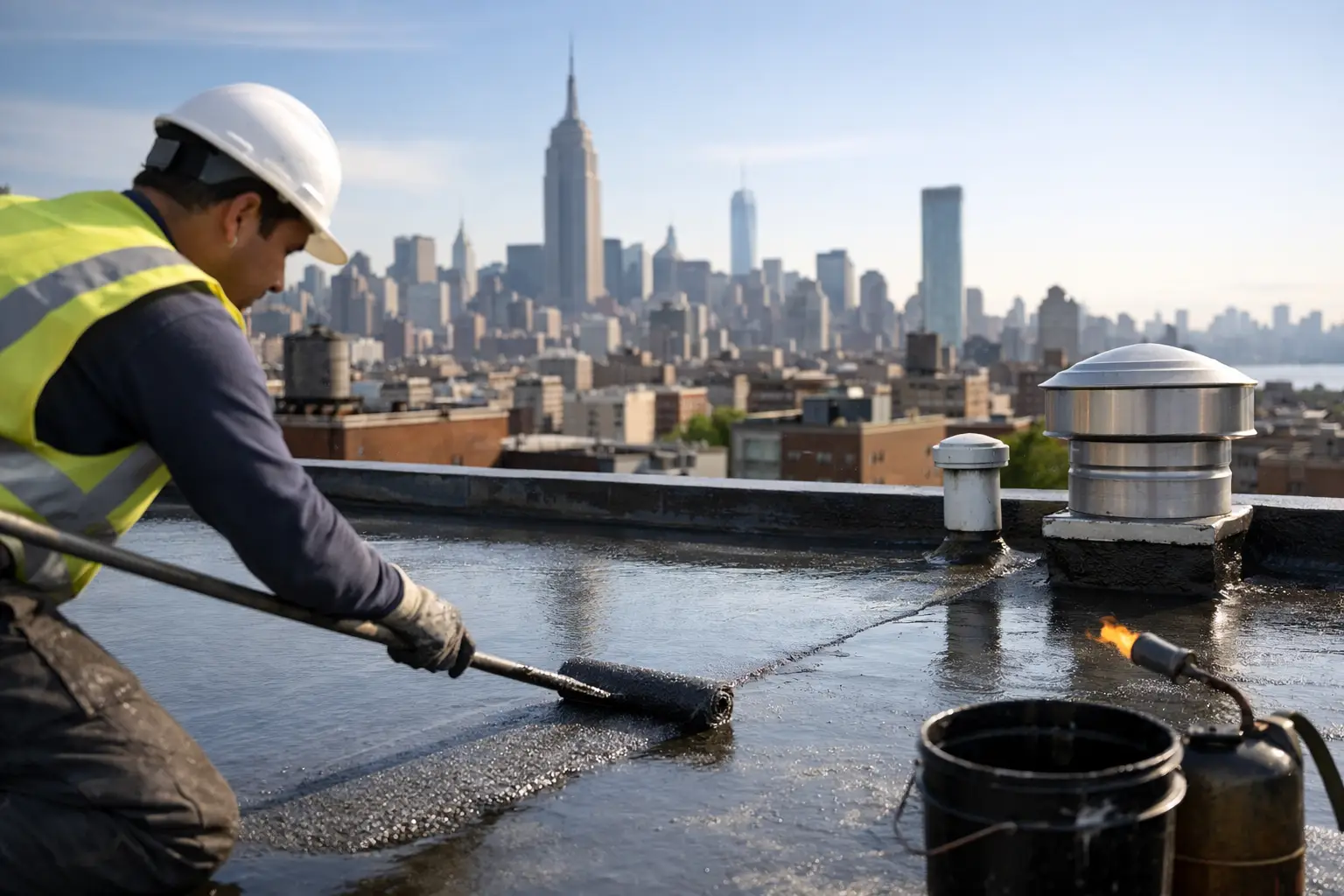
A roof in New York City usually does not fail all at once. It starts with a stain on the top-floor ceiling, a damp parapet wall, bubbling on a flat roof membrane, or water showing up after a hard rain that seemed routine. That is why roof waterproofing services NYC are not just a maintenance item. They are a direct way to protect the building envelope before a small problem turns into interior damage, mold, insulation loss, and expensive structural repairs.
In NYC, waterproofing has to be matched to the roof you actually have, the way water moves across it, and the condition of the surrounding exterior surfaces. A one-size-fits-all approach is where a lot of owners lose money. A coating that works on one roof may fail early on another if there is trapped moisture, poor drainage, open seams, or flashing issues that were never corrected first.
What roof waterproofing services NYC should actually include
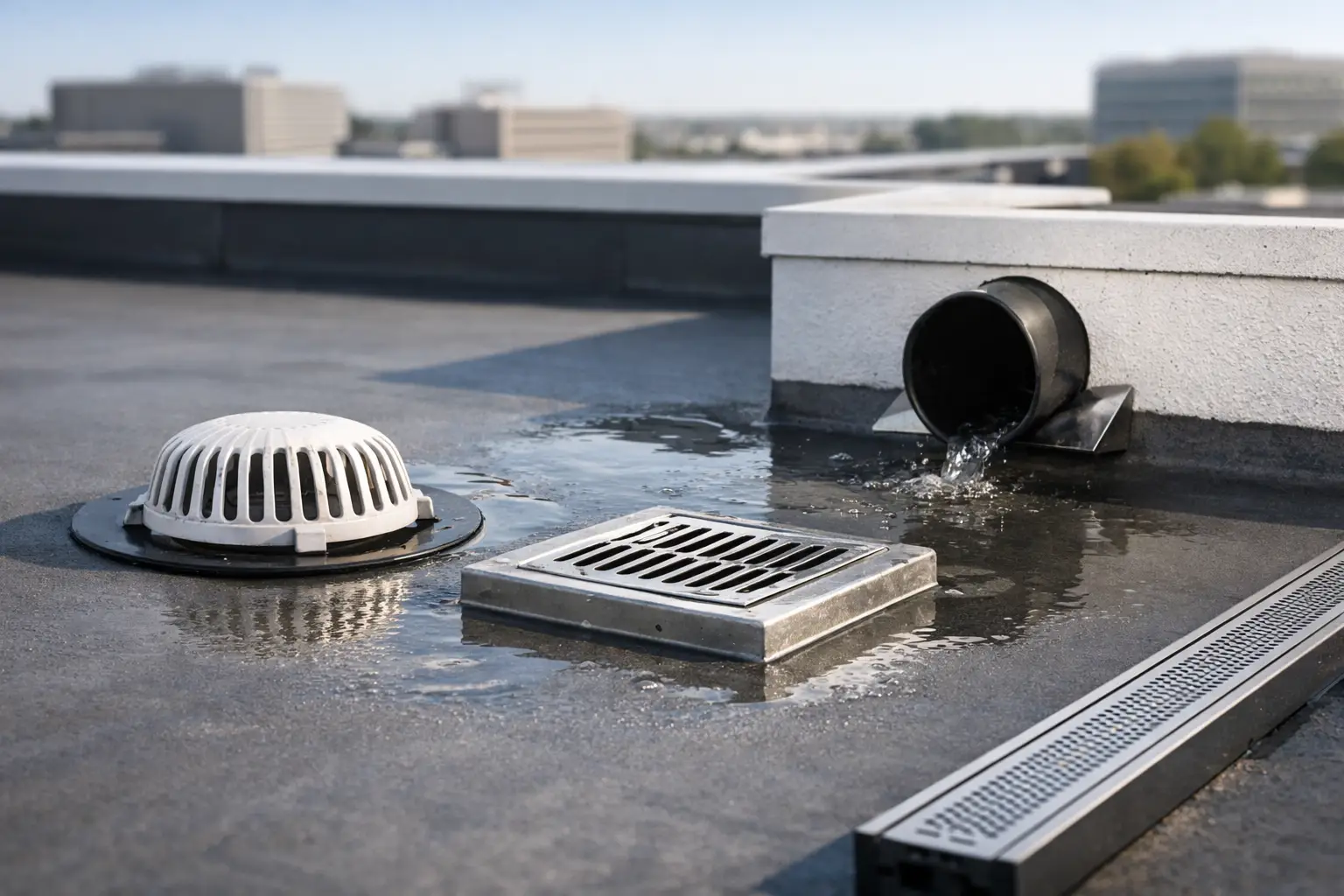
Good waterproofing work starts with inspection, not product sales. Before any contractor talks about coatings, membranes, or repairs, they should be looking at the full roof system. That means the field of the roof, penetrations, drains, scuppers, flashing lines, parapet walls, coping, seams, and any places where movement or standing water are already telling you something is wrong.
For many residential and commercial properties in the Bronx, Manhattan, Queens, Brooklyn, and Astoria, the real issue is not just surface exposure. It is a combination of age, weather, foot traffic, patched repairs, and drainage that was never quite right. Snow sits. Rain backs up. Summer heat expands materials. Winter freeze-thaw cycles open weak points. On low-slope and flat roofs, ponding water can stay long enough to stress seams and coatings far beyond what owners expect.
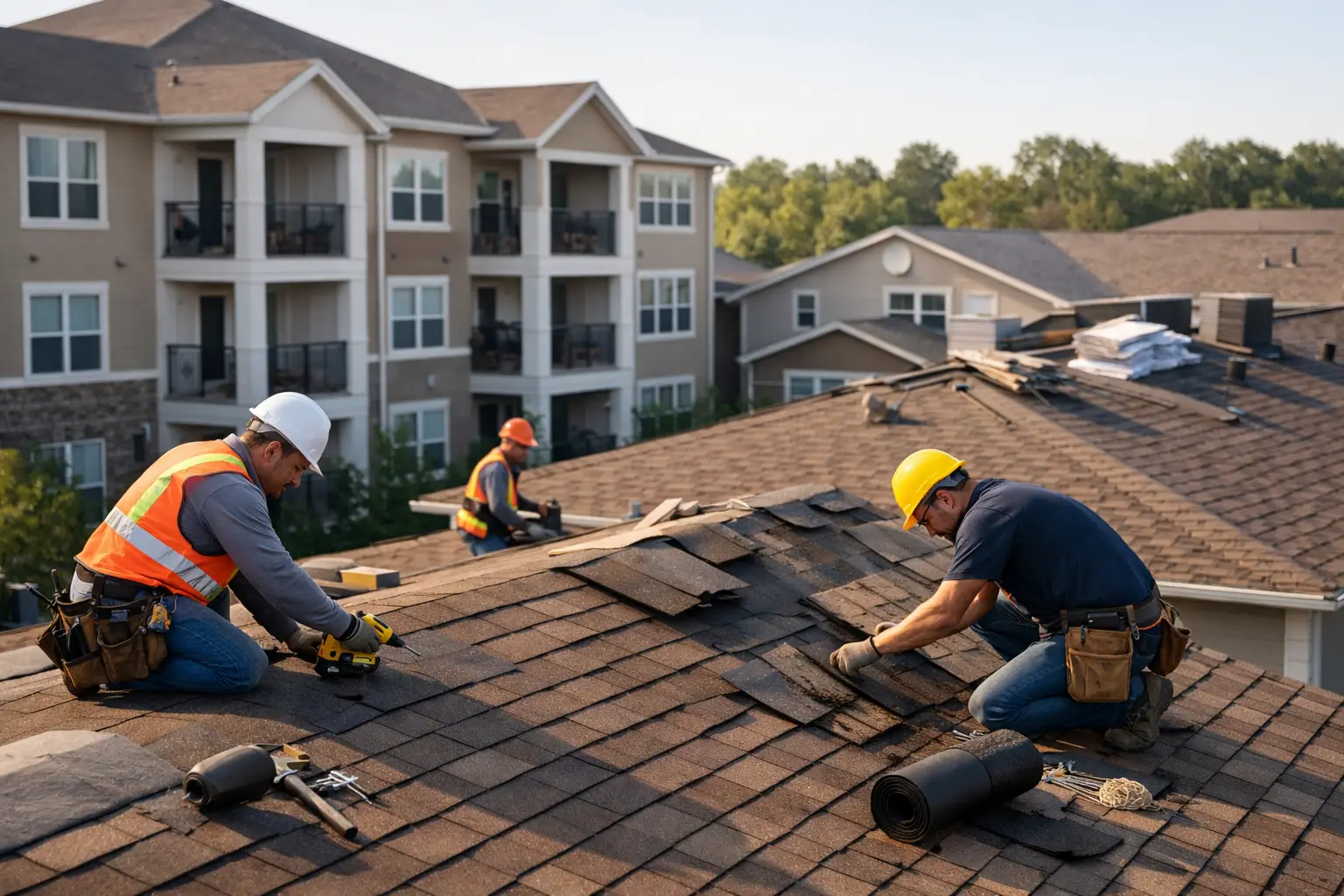
A proper waterproofing service may include targeted roof repairs, seam reinforcement, flashing replacement, drain corrections, parapet waterproofing, coating systems, or partial restoration work. Sometimes waterproofing is the right answer. Sometimes the roof is already too far gone, and a restoration or replacement is the more honest recommendation. That depends on condition, not wishful thinking.
Why NYC roofs need a different level of waterproofing
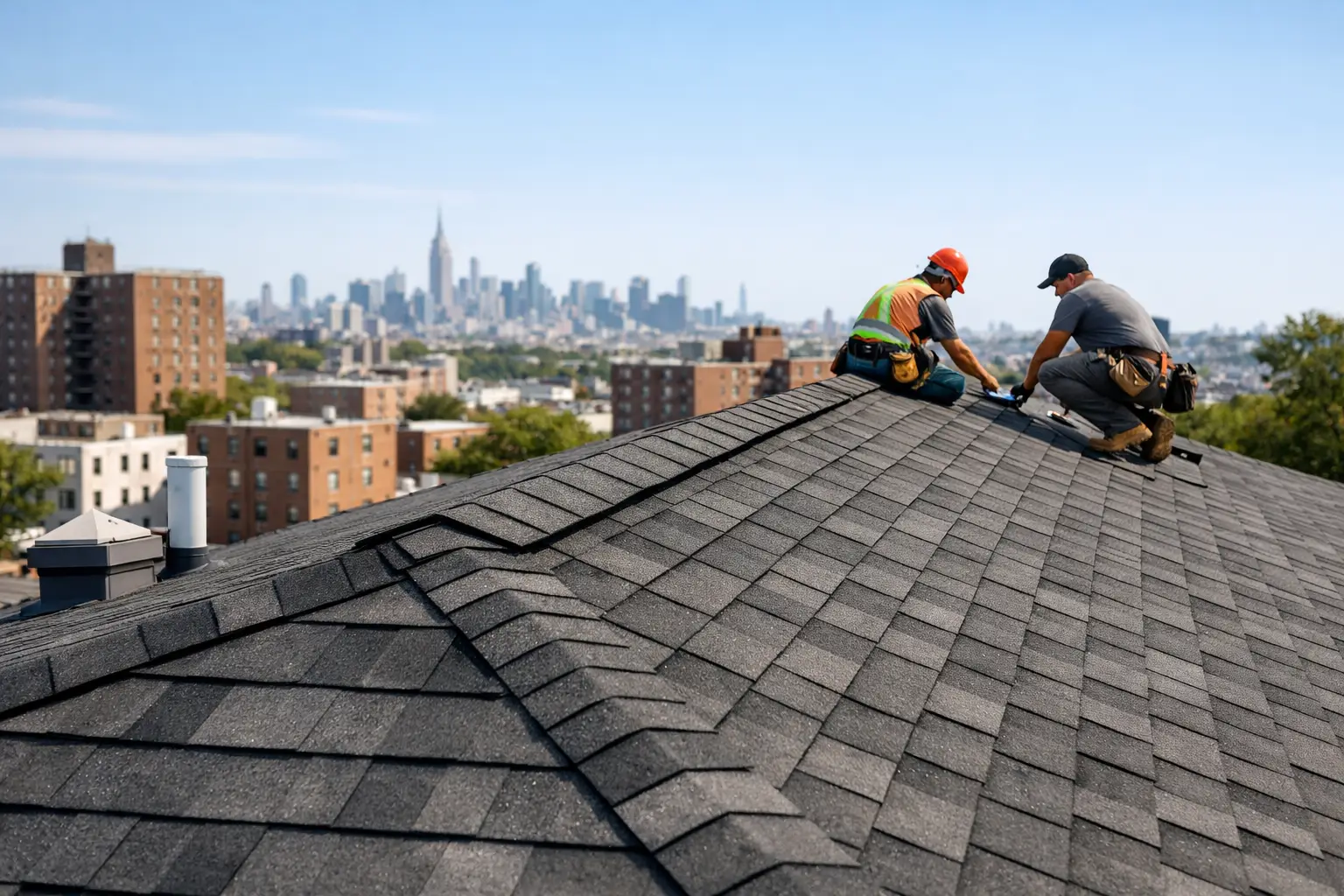
New York roofs take a beating. Heavy rain is one problem, but it is not the only one. The city’s building stock includes older row homes, multifamily properties, mixed-use buildings, and commercial structures with flat or low-slope roofs that collect debris and hold water. Add temperature swings, rooftop equipment, clogged drains, and high foot traffic from service trades, and weak points show up fast.
Waterproofing in this environment has to do more than repel water for a few months. It has to stay bonded, stay flexible, and work with the roof system underneath it. It also has to be installed in a way that meets code requirements and makes sense for the building’s long-term use.
This is especially true on older buildings where water may not be entering at the exact place it appears inside. Moisture can travel. A leak around a parapet or penetration can show up far from the actual opening. That is why experienced diagnosis matters as much as the waterproofing material itself.
Common signs you need roof waterproofing services NYC
A lot of owners wait for an active leak. By then, the damage is already spreading. Early signs are usually more subtle. You may see blistering, cracked flashing, loose seams, water stains near top-floor ceilings, deteriorated masonry near the roofline, musty odors, or recurring leaks after storms.
On flat roofs, standing water is one of the biggest warnings. Not every puddle means failure, but if water sits too long or returns in the same areas, the roof is under stress. The same goes for repeated patch jobs. If the same section keeps being repaired, the building is telling you that the issue is deeper than a quick fix.
Commercial owners and property managers should also pay attention to tenant complaints that seem minor at first. A small drip, discoloration, or damp wall can be the first visible sign of a broader waterproofing breakdown.
Waterproofing methods depend on the roof system
Not every roof needs the same treatment. An asphalt shingle roof, an EPDM system, a TPO membrane, a hot roof, or a 4-ply flat roof each behaves differently. Waterproofing has to respect those differences.
On some roofs, the right move is sealing vulnerable details and reinforcing transition points. On others, a liquid-applied coating can add protection and extend service life if the substrate is sound and dry. For older flat roofs with widespread wear, restoration work may be more effective than isolated repairs. And when the membrane, insulation, or decking is compromised, waterproofing alone is not enough.
That is where a practical contractor stands apart from a sales-driven one. The job is not to sell the biggest package. The job is to solve the water problem in a way that fits the roof’s condition, the owner’s budget, and the expected life of the building system.
The biggest mistake property owners make
The most expensive mistake is confusing waterproofing with concealment. If a contractor applies a coating over wet materials, failing seams, open flashing, or soft substrate, the roof may look better for a short time, but the underlying problem remains. Water gets trapped, damage spreads, and the owner pays twice.
Another common mistake is delaying service because the leak seems manageable. In NYC, deferred maintenance gets expensive fast. Water intrusion can damage ceilings, walls, electrical components, insulation, framing, and finishes. For landlords and commercial owners, it can also lead to tenant complaints, interrupted operations, and avoidable emergency calls.
A straightforward inspection with photos and a clear explanation of conditions is usually the best starting point. Owners do not need pressure. They need facts, realistic options, and a timeline that makes sense.
What to expect from a dependable waterproofing contractor
A dependable contractor should explain what is failing, why it is failing, and what scope of work actually addresses it. If waterproofing is appropriate, they should identify where repairs are needed first and how the system will perform under NYC weather conditions. If waterproofing is only a temporary measure, they should say that clearly.
You should also expect licensed and insured work, code-compliant methods, and a defined point of contact during the project. On occupied properties, communication matters almost as much as workmanship. Owners and managers need to know what is happening on the roof, how long it will take, and whether other exterior issues such as siding, gutters, leaders, or masonry details are contributing to the water problem.
That full-building view matters. Roof leaks are not always just roof leaks. Water can enter through failed flashing, deteriorated parapets, defective drainage paths, or transitions where roofing meets exterior walls. A contractor who handles exterior restoration as well as roofing is often better positioned to solve the actual source of intrusion.
When waterproofing is worth it and when it is not
Waterproofing is worth it when the roof still has serviceable structure, the membrane or surface can properly receive the treatment, and the source of water intrusion can be corrected as part of the job. In those cases, it can extend roof life, reduce leak risk, and delay a major capital expense.
It is not the right answer when the roof system is extensively deteriorated, saturated, or beyond practical repair. Owners sometimes want waterproofing to buy time, and sometimes that is reasonable. But if the roof is failing across large areas, a replacement may be the more cost-effective choice over the next several years.
That trade-off should be explained honestly. Short-term savings do not mean much if the building keeps leaking.
Protect the roof before the next storm tests it
The best time to address waterproofing is before water gets inside, not after. If your roof has signs of wear, drainage problems, or recurring leaks, waiting usually makes the repair scope larger and the disruption worse. Global City Restoration approaches that reality the way NYC owners need it handled – inspect the conditions, show the problem clearly, recommend the right scope, and do the work to hold up against real weather. A roof does not need promises. It needs protection that lasts through the next hard rain, the next heat wave, and the next winter.