A low-slope roof can look fine from the sidewalk while water is already working its way into insulation, decking, ceilings, and electrical areas. That is why the choice between modified bitumen versus TPO roofing matters so much for New York City property owners. Both systems can protect a residential, commercial, or multifamily building for years, but they perform differently when facing ponding water, summer heat, snow, foot traffic, and the repair demands of an older urban property.
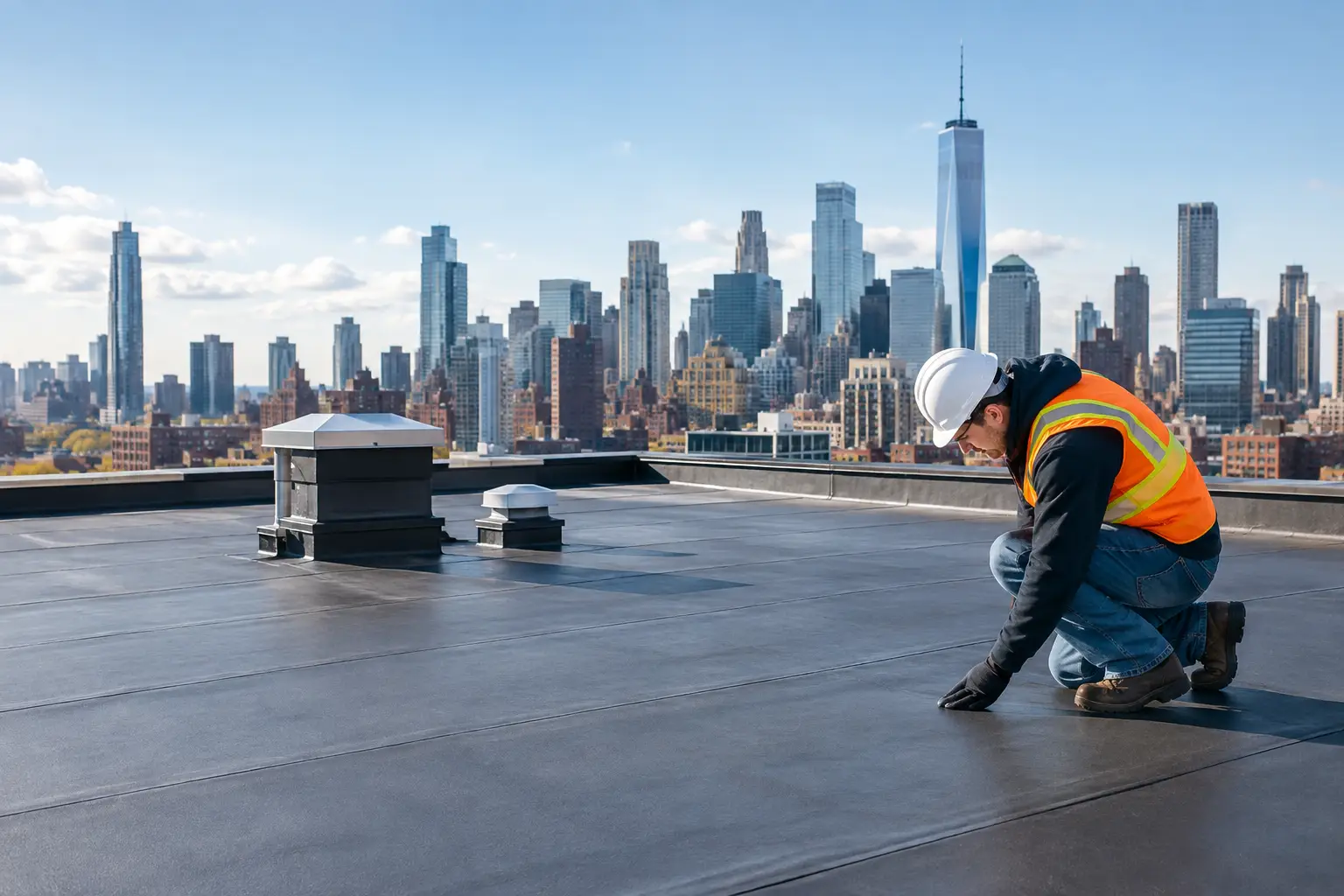
The right answer is not simply whichever material has the lowest installed price. It depends on the roof’s slope, drainage, existing construction, how the building is used, the condition of the deck, and whether long-term maintenance is part of the plan. A proper roof inspection should come before any material recommendation.
Modified Bitumen Versus TPO Roofing: The Basic Difference
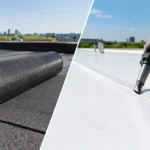
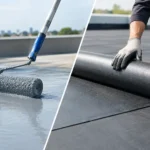
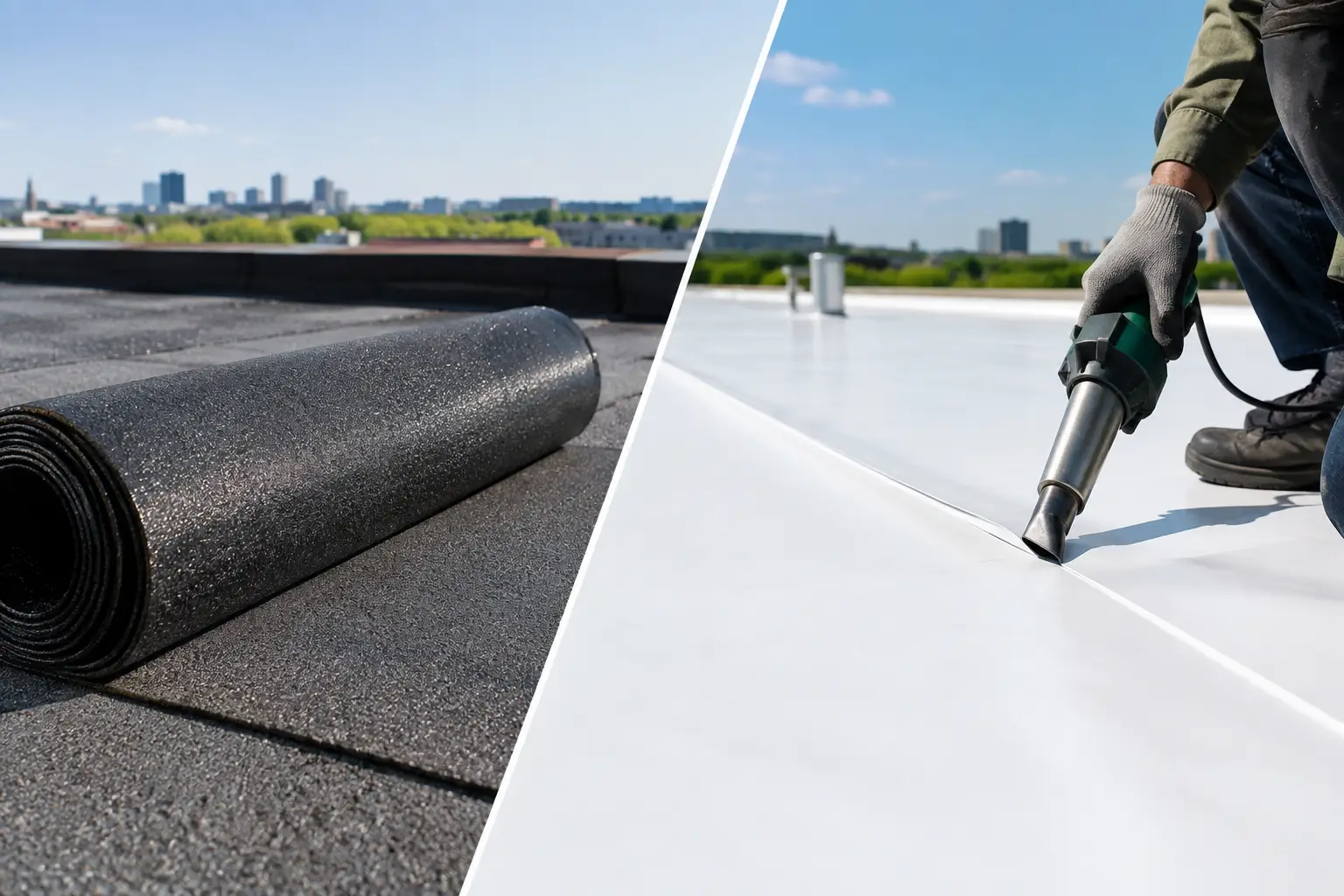
Modified bitumen is an asphalt-based roofing system. It is commonly installed in rolls, often in two or more layers, using self-adhered sheets, cold-applied adhesives, or heat welding methods. The membrane is reinforced and modified with rubber or plastic polymers to improve flexibility and weather resistance compared with older built-up asphalt roofs.
TPO, short for thermoplastic polyolefin, is a single-ply membrane. Large sheets are rolled across the roof and the seams are heat-welded together. TPO is often white or light-colored, helping reflect sunlight and reduce heat absorption at the roof surface.
The major difference is construction. Modified bitumen is generally a layered, asphalt-based system with redundancy. TPO is a lighter single-ply system that relies heavily on properly welded seams, flashing details, and secure attachment. Neither approach is automatically better. The quality of installation and the condition of the roof below the membrane will decide a large part of its real-world performance.
When Modified Bitumen Makes Sense
Modified bitumen is a strong choice for buildings that need a tough, serviceable roof assembly. Many Bronx and NYC buildings have roofs that see regular foot traffic from maintenance teams, HVAC service technicians, window contractors, and building staff. A multi-layer modified bitumen system can provide added protection where the roof must handle that activity.
Its layered design is also valuable for property owners who want redundancy. If the top surface is damaged, the system may still have another waterproofing layer below it. That does not mean damage should be ignored, but it can offer more protection than a single membrane in certain situations.
Modified bitumen is often well suited for complicated roof layouts with penetrations, curbs, vents, drains, parapet walls, and transition areas. Experienced roofers can detail these areas carefully, which is critical because leaks often start at flashings and seams rather than in the open field of the roof.
There are trade-offs. Asphalt-based roofing absorbs more heat than a white reflective membrane unless a reflective coating or cap sheet is selected. It can also be heavier than TPO, so the roof deck and structure must be evaluated. Installation methods matter as well. Torch-applied work requires strict safety procedures, especially on occupied buildings and near combustible materials. Self-adhered or cold-applied modified bitumen may be a better fit where flame-free installation is preferred.
Where TPO Has an Advantage
TPO is widely used on commercial and residential low-slope roofs because it is lightweight, reflective, and efficient to install on many open roof areas. Its white surface can reduce solar heat gain, which is useful during New York’s hot summer months. For a building with a large, unobstructed roof, TPO can provide a clean, modern system with fewer field seams than roll roofing.
Heat-welded seams are one of TPO’s biggest strengths. When welded correctly, the seams become highly resistant to water intrusion. This gives TPO an advantage over systems that depend on adhesives or lap seals alone. It is also compatible with many insulation upgrades, which can improve the roof’s thermal performance during a replacement project.
TPO is not maintenance-free, and it is not forgiving of poor workmanship. Weak welds, improperly secured edges, poorly detailed penetrations, or inadequate fastening can lead to leaks and wind-related damage. The membrane can also be punctured by sharp debris or careless foot traffic. Walk pads should be installed where technicians regularly access rooftop equipment.
Property owners should also understand that TPO quality can vary by manufacturer and product thickness. A contractor should explain the membrane thickness, attachment method, insulation plan, flashing details, and warranty coverage instead of treating all TPO roofs as the same product.
Drainage and Ponding Water Come First
Neither modified bitumen nor TPO can solve a drainage problem by itself. Standing water is common on low-slope NYC roofs, especially around clogged drains, undersized scuppers, sagging areas, and deteriorated insulation. Water that remains on the roof after a storm can accelerate wear, stress seams and flashings, and make small defects harder to find.
Before choosing a roofing system, the roof should be checked for positive drainage, drain condition, leader connections, flashing height, and areas where the deck or insulation has settled. In some cases, tapered insulation can help direct water toward drains. In others, the real fix may involve repairing the deck, adding drains, correcting scuppers, or addressing exterior drainage components.
A roof replacement that covers an existing drainage failure is not a long-term repair. It is an expensive delay.
Cost Is More Than the Installed Price
TPO often has a competitive upfront cost, particularly on large roofs with straightforward layouts. Its lighter weight and wider sheets can help reduce installation time. Modified bitumen may cost more depending on the number of plies, application method, access challenges, and detail work required.
But an estimate should be compared line by line, not just by the final number. A lower bid may leave out wet insulation removal, deck repairs, parapet flashing, drain work, coping details, permits, protection for rooftop equipment, or proper disposal. Those items are not extras when they are necessary to keep water out.
For either material, ask what is being installed under the membrane. Insulation, cover boards, vapor barriers, fasteners, and edge metal all affect the roof’s performance. A strong membrane over damaged substrate is still a weak roof system.
Repairability and Long-Term Maintenance
Modified bitumen is familiar to many repair crews and can often be patched effectively when damage is found early. Because it is an asphalt-based system, the repair method must match the existing material and surface condition. Old coatings, moisture trapped in the assembly, and deteriorated seams can complicate repairs on aging roofs.
TPO repairs usually involve cleaning the membrane and heat-welding a compatible patch. When completed correctly, a welded patch can be dependable. However, a contaminated surface, incompatible material, or improper weld can create another failure point. TPO should be repaired by technicians who understand the membrane system, not with generic roofing cement.
Both roofs benefit from regular inspections, especially after major storms and before winter. Drains should be kept clear, loose flashing should be addressed promptly, and any puncture or open seam should be repaired before water reaches the insulation. Once insulation becomes saturated, a small leak can become a larger replacement expense.
Which Roof Is Better for Your Building?
Choose modified bitumen when your property needs a durable, layered system, has frequent rooftop traffic, or has many details that benefit from a proven asphalt-based assembly. It can be an especially practical option for older buildings where dependable repair options and added redundancy are priorities.
Choose TPO when a reflective, lightweight single-ply system fits the roof design, energy performance is a priority, and the installation can be completed with careful seam welding and secure edge detailing. It is often a smart solution for broad low-slope roof areas with a well-planned drainage layout.
The better roof is the one designed for the actual building, not the one chosen from a generic material list. At Global City Restoration, that means reviewing the roof surface, drainage, existing layers, flashing conditions, access needs, and budget before recommending a system. Clear photos, straightforward explanations, and code-compliant installation help property owners make a decision they can stand behind.
If your roof is holding water, showing interior stains, or nearing the end of its service life, do not wait for the next heavy rain to make the choice for you. A professional inspection can identify whether repair, restoration, or replacement will protect the property best.