A flat roof can look fine from the sidewalk while water is working its way through cracked seams, worn flashing, and dried-out membrane above the ceiling. When owners search for the best roof coatings NYC has to offer, the right answer is not simply the thickest or least expensive product. It is the coating that matches the existing roof, drainage conditions, exposure, and remaining life of the system.
For Bronx homes, apartment buildings, storefronts, and commercial properties across the city, a properly specified roof coating can stop small surface failures from becoming interior damage. But a coating is not a substitute for needed roof repair or replacement. Knowing the difference protects your budget and your building.
What a Roof Coating Actually Does
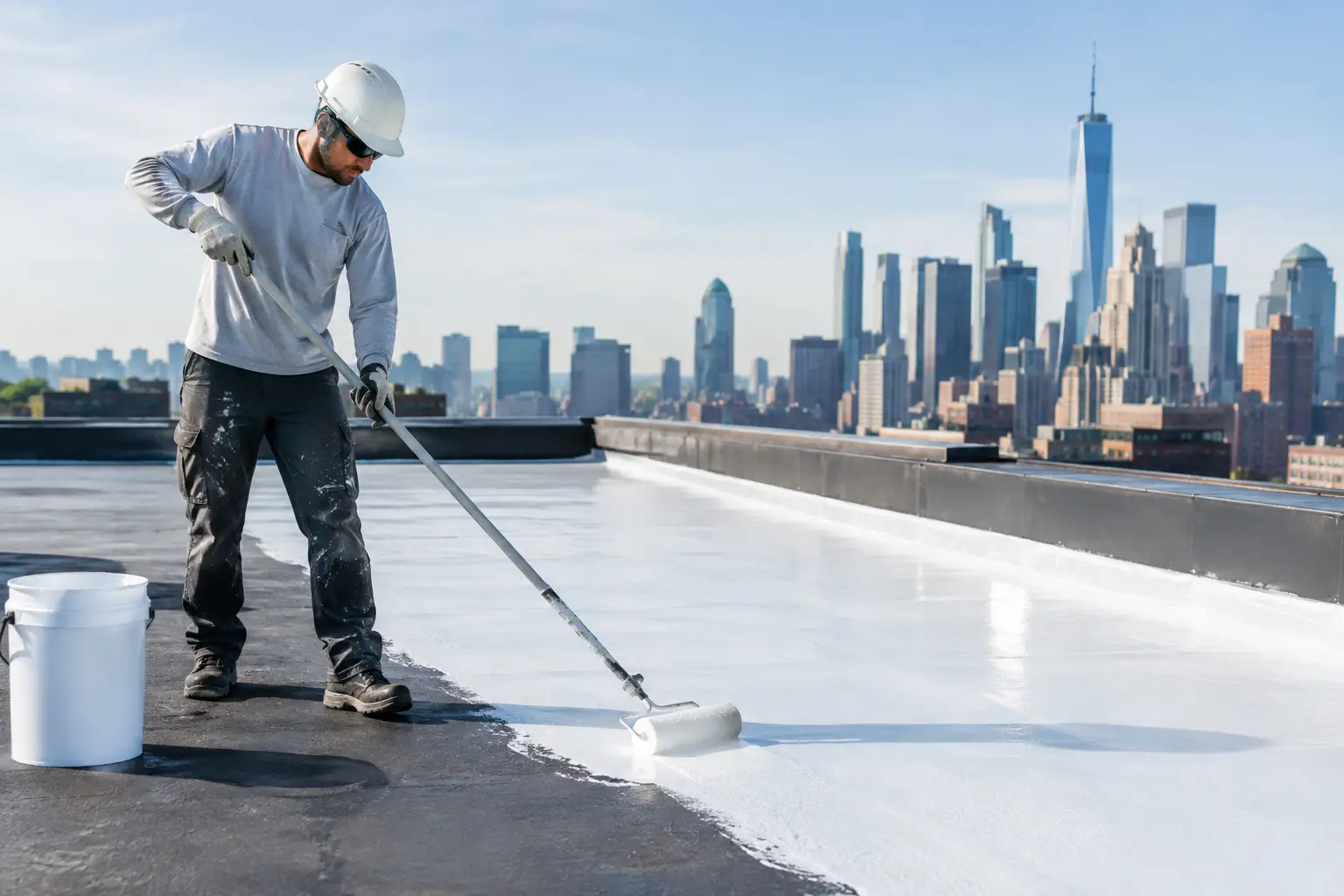
A roof coating is a liquid-applied protective layer installed over an existing roof surface. Once cured, it forms a continuous membrane designed to reflect sunlight, resist weather, and help keep water out. On the right roof, coating restoration can extend service life without the cost and disruption of a full tear-off.
That makes coatings especially useful on low-slope and flat roofing systems that are common throughout New York City. These roofs handle harsh summer heat, winter snow, wind-driven rain, freeze-thaw cycles, foot traffic, and debris around drains. A quality coating helps protect the roof surface from that daily punishment.
The key phrase is on the right roof. If insulation is saturated, the deck is compromised, seams are actively failing, or water has been entering for too long, coating over the problem only hides it temporarily. A qualified contractor should inspect the roof closely, identify moisture concerns, and show you the condition before recommending restoration.
The Best Roof Coatings NYC Buildings Commonly Need
There is no single coating that works best on every property. Material compatibility matters. Drainage matters. So does whether the roof receives intense sun, frequent standing water, or regular maintenance traffic from HVAC equipment.
Silicone coatings for standing water
Silicone is often a strong choice for roofs that experience recurring ponding water. Unlike some other coatings, it holds up well when water remains on the surface after a storm. This can make it practical for older flat roofs where drainage improvements are limited or where water tends to collect near drains and scuppers.
Silicone also performs well under UV exposure, an advantage on open commercial roofs with little shade. Its trade-off is surface preparation. It needs a clean, dry substrate and proper detailing around penetrations, seams, and flashing. Silicone surfaces can also attract dirt over time, so appearance may change even when the coating remains protective.
Acrylic coatings for reflective protection
Acrylic coatings are water-based, reflective, and often cost-effective for roofs with positive drainage. Their bright finish can reduce heat absorption, which helps lower roof-surface temperatures during New York summers. They are commonly considered for metal roofs and certain existing membrane systems when the substrate is in sound condition.
Acrylic is not usually the first choice for a roof with persistent ponding water. It performs best when the roof sheds water as intended. If drainage is poor, correcting the slope, drains, or localized low areas should be part of the conversation before an acrylic coating is selected.
Polyurethane coatings for high-traffic areas
Polyurethane coatings are known for durability and impact resistance. They can be a good option where service technicians regularly walk around rooftop mechanical equipment or where the roof sees more physical wear than usual. In many applications, a base coat and topcoat are used to provide strong adhesion and weather resistance.
The material cost can be higher than acrylic, but the added toughness may be worthwhile for a commercial property with frequent rooftop activity. As with any coating system, compatible primers and careful installation are essential.
Asphalt and aluminum coatings for specific roof systems
Asphalt-based and aluminum roof coatings still have a place on certain built-up roofs, modified bitumen systems, and metal surfaces. They can provide economical protection and reflectivity when specified correctly. They are not a universal repair product, however, and they should never be used as a quick cover-up for widespread membrane failure.
An experienced roofer will look at the existing system first. EPDM, TPO, modified bitumen, metal, and built-up roofing each have different preparation requirements and product compatibility concerns. Applying the wrong material can lead to poor adhesion, cracking, or a warranty issue later.
When a Roof Coating Is the Smart Investment
Coating restoration makes financial sense when the roof is aging at the surface but remains structurally sound. Common signs include chalking, minor surface cracks, fading, small areas of worn protective granules, and early seam deterioration that can be repaired before coating.
It can also be a practical option when an owner needs to limit disruption. A full roof replacement may involve tear-off, debris handling, and more time on site. Restoring an eligible roof with a coating can often reduce that disruption while adding years of service life.
Still, price alone should not make the decision. A low bid that skips cleaning, priming, seam repair, flashing work, or thickness verification is not a restoration system. It is paint on a roof. The result may look good briefly but fail when the next hard rain exposes the weak spots underneath.
When Coating Is Not Enough
A responsible contractor should be willing to say when coating is the wrong solution. Replacement or more extensive repair may be necessary if the roof has widespread wet insulation, soft decking, major blistering, severe alligatoring, open seams throughout, or repeated leaks from multiple areas.
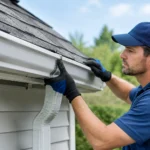
Interior stains also need investigation. Water can travel beneath a roof membrane before it reaches the ceiling, so the visible stain is not always directly below the entry point. The roof should be inspected around drains, parapet walls, coping, pipe penetrations, HVAC curbs, and transitions to adjoining walls.
Drainage deserves special attention in NYC. Standing water adds weight, accelerates material breakdown, and gives leaks more opportunity to develop. A good coating may resist ponding water, but it does not fix clogged drains, undersized scuppers, or poor slope. Those conditions need direct repair.
What Proper Roof Coating Installation Looks Like
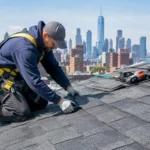
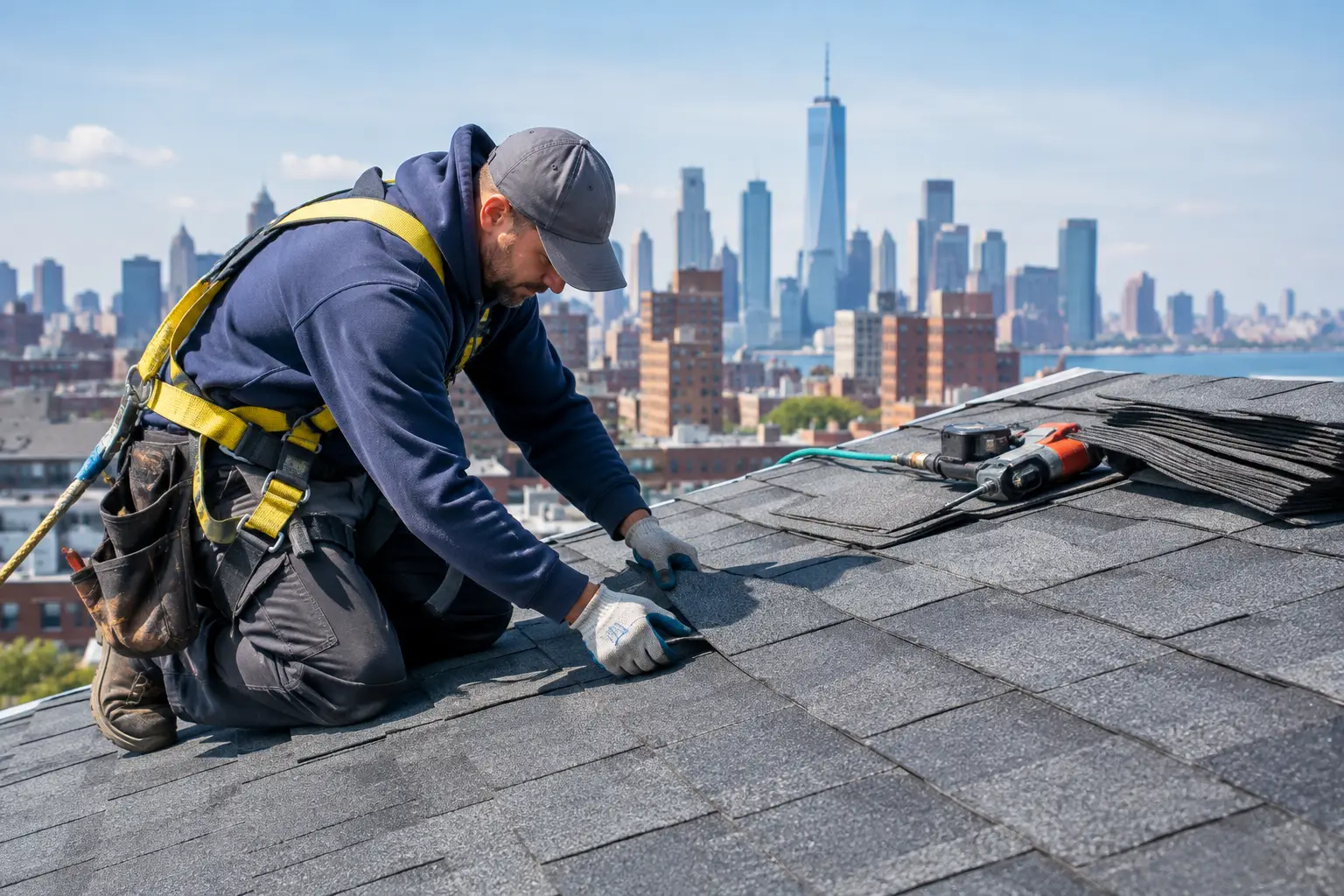
The coating itself is only one part of the job. Reliable results depend on the preparation underneath it. Before any product is applied, the roof should be cleaned and dried, loose material removed, and damaged areas repaired. Seams, flashing, penetrations, drains, and transitions need detailed attention because these are common leak points.
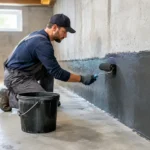
Next comes the correct primer, if required for the roof system. The coating is then applied at the manufacturer-specified coverage rate, often in multiple passes or coats. Thickness matters. If a coating is spread too thin, it may not deliver the durability or warranty performance promised on paper.
Weather planning matters as well. Rain, high humidity, cold temperatures, and dew can affect curing and adhesion. A professional crew schedules the work around conditions, protects the property during the project, and documents completed repairs rather than leaving owners guessing what was done.
Questions to Ask Before Approving a Coating Project
Before you authorize work, ask what roof system is currently installed and whether the proposed coating is compatible with it. Ask how ponding water, seam repairs, flashing, drains, and penetrations will be handled. You should also ask about surface preparation, expected dry film thickness, manufacturer warranty terms, and workmanship coverage.
For multi-family and commercial properties, request a clear scope that separates repair work from the coating application. This makes it easier to compare proposals fairly. It also prevents a contractor from calling a basic wash-and-coat job a full restoration when critical repairs were never included.
Licensed, insured work and clear project oversight are especially valuable in dense city neighborhoods where roof access, tenant coordination, material staging, and safety requirements can complicate a project. The right contractor explains the plan plainly and gives you a direct point of contact from inspection through completion.
A roof coating should give your property a stronger line of defense, not a false sense of security. If your flat roof is still a good candidate, Global City Restoration can inspect the surface, explain the real condition with clear findings, and recommend a practical repair, coating, or replacement plan built for the weather your building faces.