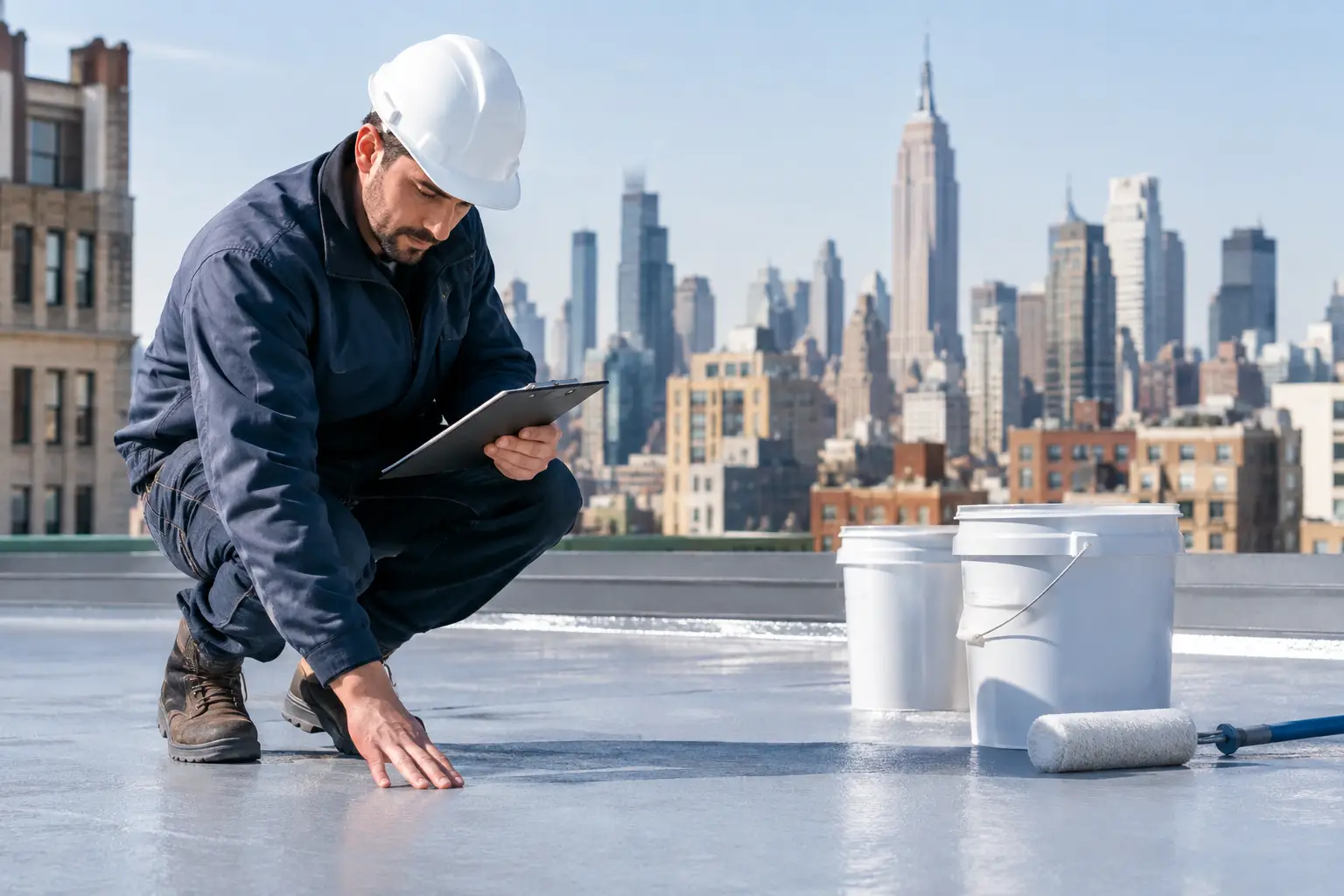
A roof coating can be a smart way to extend the life of a commercial or residential roof, but it is not a shortcut for every roof problem. Knowing how to choose roof coatings starts with an honest look at the roof underneath. If water is getting into the building, the membrane is failing, or the deck is damaged, coating over the issue can turn a manageable repair into a more expensive replacement.
For property owners in New York City, the decision also has to account for heavy rain, snow, freeze-thaw cycles, summer heat, wind, and ponding water on low-slope roofs. The right coating protects a sound roof system. The wrong product, or poor preparation, can peel, crack, or trap an existing problem out of sight.
How to Choose Roof Coatings Without Guesswork
The first question is not which coating is cheapest or has the brightest white finish. It is whether your roof is a candidate for restoration at all. A qualified inspection should identify the roofing material, the roof’s condition, moisture concerns, drainage performance, flashing details, and previous repairs.
Coatings work best when the existing roof still has useful life left. They can help seal minor surface wear, reinforce vulnerable areas, reflect sunlight, and delay a full tear-off. They do not repair saturated insulation, major membrane splits, loose seams across the roof, structural deck damage, or widespread blistering.
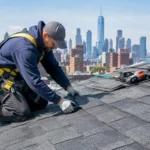
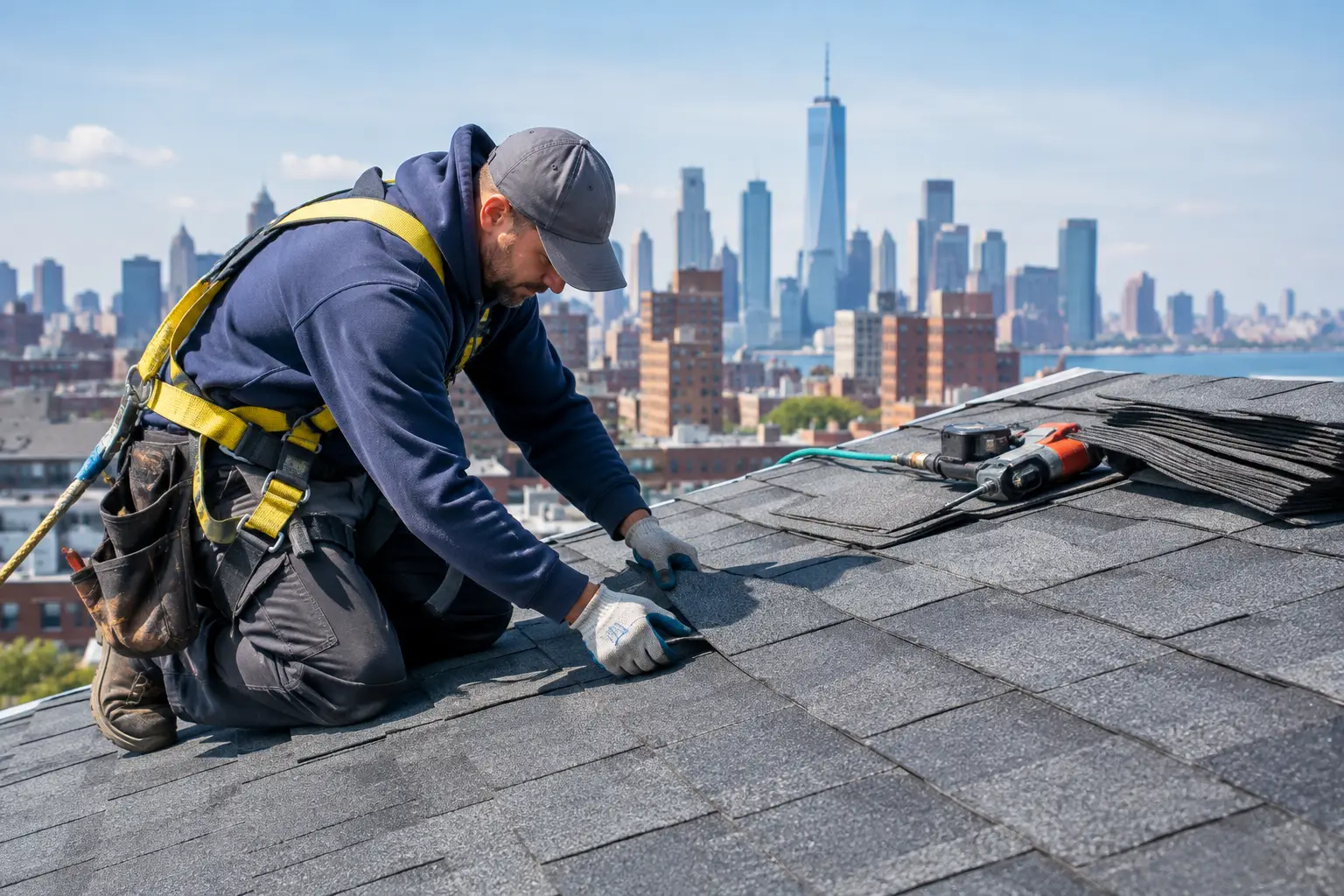
A contractor should be able to show you what they found with photos and explain the condition plainly. If the roof needs repair before coating, that work should be addressed first. No coating system performs well when applied over wet, dirty, unstable, or failing materials.
Start With Your Existing Roof System
Roof coatings must be compatible with the roof material already in place. A product that works well on one system may require a different primer, preparation method, or reinforcement plan on another.
EPDM and other rubber roofs
EPDM roofs are common on low-slope buildings. They can often be restored, but adhesion is critical. The surface must be thoroughly cleaned, and certain products may require a specialized primer. Seams, penetrations, and repaired areas need close attention because they are common leak points.
TPO and PVC roofs
TPO and PVC are single-ply membranes with different surface characteristics from rubber roofs. They may need specific cleaning and priming procedures before a coating can bond correctly. If seams are failing or the membrane is brittle, a coating alone may not be the right answer.
Modified bitumen, built-up, and hot roofs
Older asphalt-based roofs, including built-up and 4-ply systems, can be good restoration candidates when the roof is dry and structurally sound. Cracks, open laps, exposed aggregate, and flashing transitions often need repair and reinforcement before the coating goes on.
Metal roofs
Metal roof coatings can help control rust and seal fasteners, seams, and penetrations. Before coating, loose rust must be removed, corroded panels evaluated, and fasteners repaired or replaced. A coating can protect metal, but it cannot restore severely rusted-through panels.
Match the Coating to Water Exposure
Standing water is one of the biggest reasons a roof coating choice fails in the Bronx and throughout NYC. Flat and low-slope roofs often hold water after heavy storms, especially when drains are clogged, roof lines have settled, or scuppers are undersized.
Not every coating is designed for continuous ponding water. Acrylic coatings are widely used because they are reflective, economical, and perform well on many roofs with proper drainage. However, areas that regularly hold water may need a silicone coating or another system rated for that condition. Silicone generally handles ponding water well, but it can cost more and may attract dirt over time, reducing its bright appearance.
Polyurethane coatings offer strong durability and impact resistance, which can be useful on roofs with regular foot traffic or equipment service activity. They are often used as part of a multi-coat system. The best option depends on the roof material, the amount of ponding water, traffic levels, and the manufacturer’s requirements.
Before selecting any coating, fix the drainage problem where possible. Clear drains and leaders, correct blocked scuppers, and review whether tapered insulation or localized slope correction is needed. A coating should support a properly functioning roof, not be asked to overcome poor drainage on its own.
Consider NYC Weather and Roof Use
New York roofs take more punishment than many property owners realize. Winter snow and ice can stress flashings and seams. Spring rain exposes drainage issues. Summer heat can accelerate material movement and surface deterioration. Wind-driven rain can find weak points around parapet walls, curbs, skylights, and penetrations.
Choose a coating system that is rated for the expected temperature range and movement of your roof. Elasticity matters because roofing materials expand and contract. UV resistance matters because sun exposure can dry out and weaken roof surfaces over time. For a roof with HVAC units, exhaust equipment, or frequent maintenance access, durability and walk-pad planning matter as much as reflectivity.
A highly reflective white coating can reduce heat absorption and help keep the roof surface cooler. That can be a useful benefit for many buildings, but color should not be the only deciding factor. A reflective coating still needs the correct thickness, adhesion, detail work, and compatible substrate to deliver reliable protection.
Do Not Skip Preparation and Detail Work
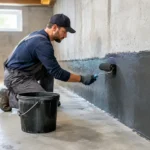
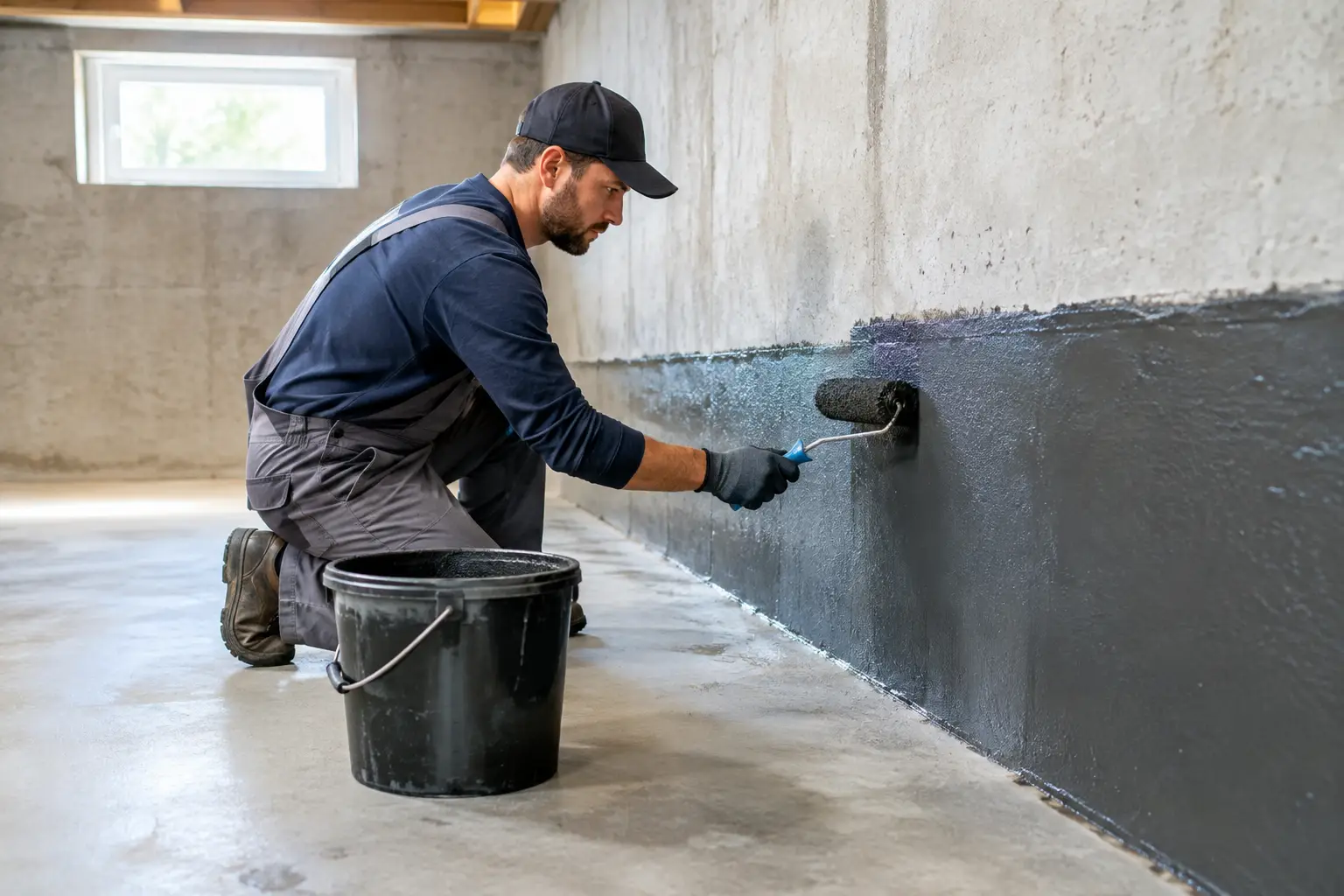
Most coating failures are not caused by the coating itself. They are caused by rushed preparation. The roof must be cleaned thoroughly, dried completely, and repaired before application. Grease, dust, loose granules, chalking, moisture, and old failing patches can interfere with adhesion.
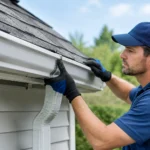
Details deserve extra time. Roof edges, parapet walls, drains, scuppers, pipe penetrations, vents, curbs, seams, and flashing transitions are where leaks commonly begin. Depending on the system, these areas may need fabric reinforcement, sealant, mastic, or additional coating thickness.
Ask how the contractor will measure wet and dry film thickness. A coating applied too thin may look finished on day one but wear out much sooner than expected. Ask how repairs will be handled, what primer will be used, and whether the work includes protection around drains and penetrations.
Compare Cost by Service Life, Not Just Price
The lowest quote can be expensive if it leaves out repairs, cleaning, primer, reinforcement, or enough material to meet the coating manufacturer’s specifications. A proper proposal should identify the roof area, the product system, surface preparation, repair scope, number of coats, expected thickness, and warranty terms.
It also helps to compare coating costs against the remaining life of the existing roof. If a roof is near the end of its service life, investing in a coating may only delay an unavoidable replacement for a short period. If the roof is in fair condition with isolated issues, restoration may provide a cost-effective way to gain more years of protection.
Commercial property owners should also consider disruption. A coating restoration can often be less disruptive than a full replacement, but it still requires dry weather, access planning, and protection for rooftop equipment. A realistic schedule is better than a rushed promise that ignores weather conditions.
Read the Warranty Carefully
A warranty is valuable only when you understand what it covers. Some warranties cover material defects, while others may cover labor and installation. Coverage can depend on using an approved contractor, meeting minimum thickness requirements, completing repairs first, and maintaining the roof afterward.
Ask whether ponding water is excluded, whether repairs to existing leaks are included, and what happens if rooftop equipment causes damage later. Also ask who will handle a warranty concern – the manufacturer, the installer, or both. Clear answers before work begins prevent frustration later.
Global City Restoration approaches roof coating projects by inspecting the roof first, identifying the cause of wear or leaks, and recommending restoration only when it will protect the property. That practical approach matters because a coating should be a solution, not a cover-up.
Choose a Contractor Who Explains the Plan
Roof coatings are highly dependent on workmanship. A dependable contractor should be licensed and insured, familiar with your roof type, and prepared to explain the scope in plain language. They should not pressure you into coating a roof that needs replacement, and they should not recommend replacement when targeted repairs and restoration can reasonably extend its life.
Ask for photos of the roof condition, a written scope, product information, and a clear plan for weather delays. For multi-family and commercial properties, ask who will manage access, tenant concerns, equipment coordination, and daily site cleanup. Good oversight protects the roof and keeps the project organized.
The right roof coating is the one that matches a sound roof, addresses its weak points, handles its water exposure, and is applied correctly. When the condition is assessed honestly, a coating can buy valuable time, reduce surface deterioration, and help defend your building against the next hard NYC storm.